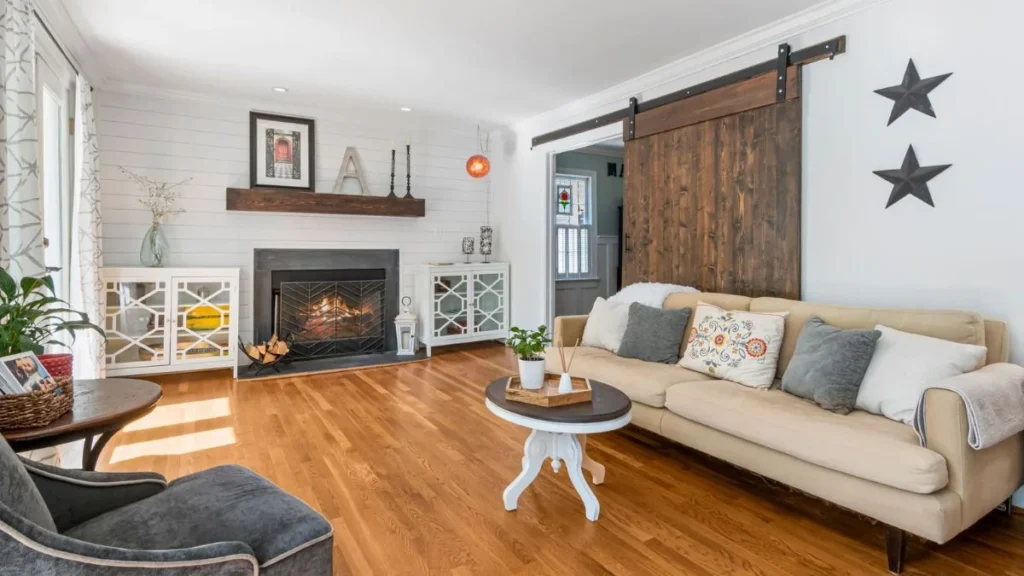
Shiplap has become the signature wall treatment of farmhouse interiors, and for good reason. A plain, flat wall can feel unfinished in a farmhouse-style home, and boards alone rarely solve that on their own.
Learning how to add shiplap walls to your farmhouse gives a room instant texture, depth, and the lived-in warmth farmhouse style is known for. Whether the goal is one accent wall or a full room, the process is more approachable than it looks.
This guide walks through every practical step, from choosing the right boards to styling the finished wall, so the result looks intentional rather than half-finished.
Before You Start
- Real wood shiplap costs more upfront but ages better than MDF in farmhouse interiors.
- A single feature wall delivers the same rustic impact as a full room, with a fraction of the labour.
- Horizontal boards suit low ceilings, while vertical boards make a room feel taller.
- Whitewashing, rather than flat white paint, is what gives shiplap its authentic farmhouse warmth.
Start With the Right Shiplap Material
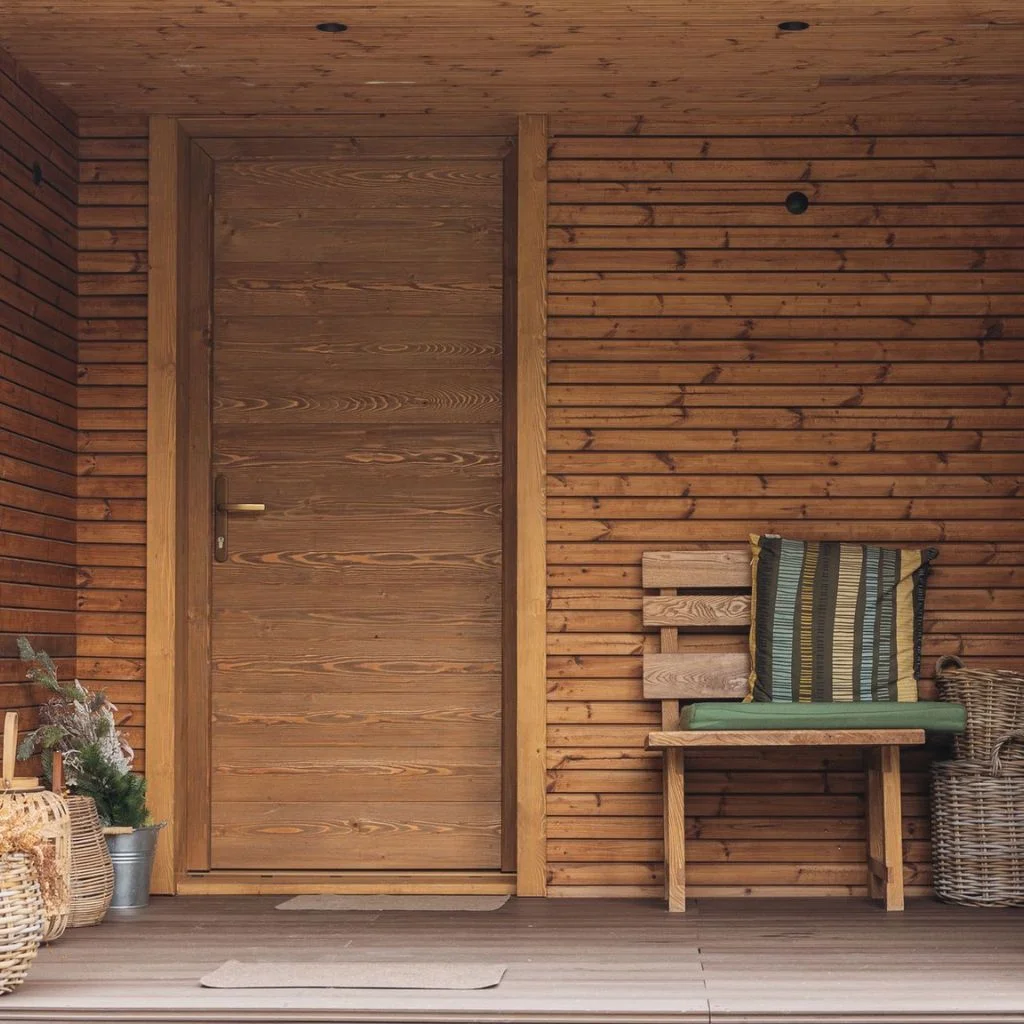
The first decision when you add shiplap walls to your farmhouse is material. Real wood shiplap, usually pine or cedar, brings natural grain and holds paint well over time.
MDF shiplap is the budget-friendly option. It comes pre-primed, cuts cleanly, and works well in dry rooms such as living rooms and bedrooms.
Why this works: MDF resists warping in stable indoor humidity, but real wood is worth the extra cost in kitchens, bathrooms, or anywhere moisture is a factor.
Match Board Width to Your Room Size
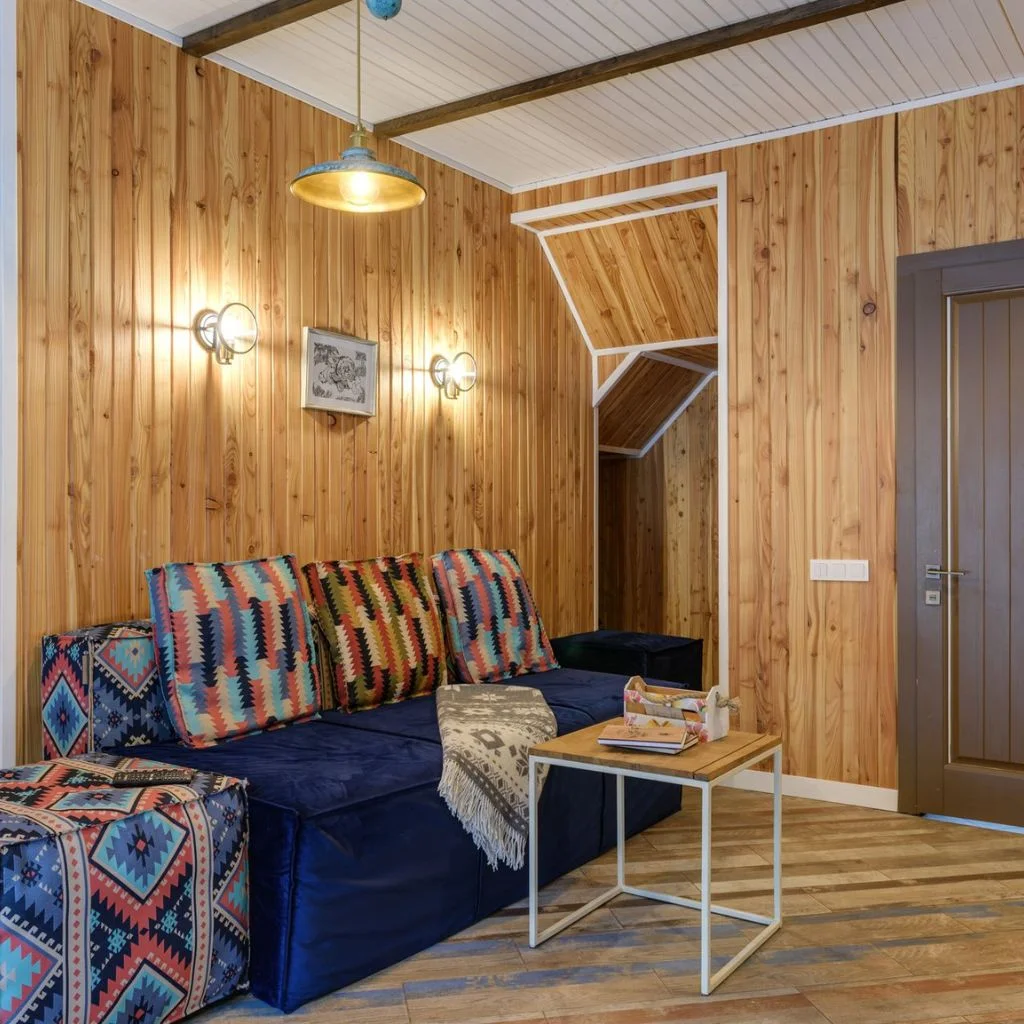
Shiplap boards typically range from 3 to 8 inches wide. Narrower boards suit smaller rooms, since the extra lines add detail without overwhelming the space.
Wider boards work better in larger rooms or double-height walls, where too many narrow lines can start to look busy rather than intentional.
A simple rule: the smaller the room, the narrower the board.
Choose Horizontal or Vertical Panel Direction
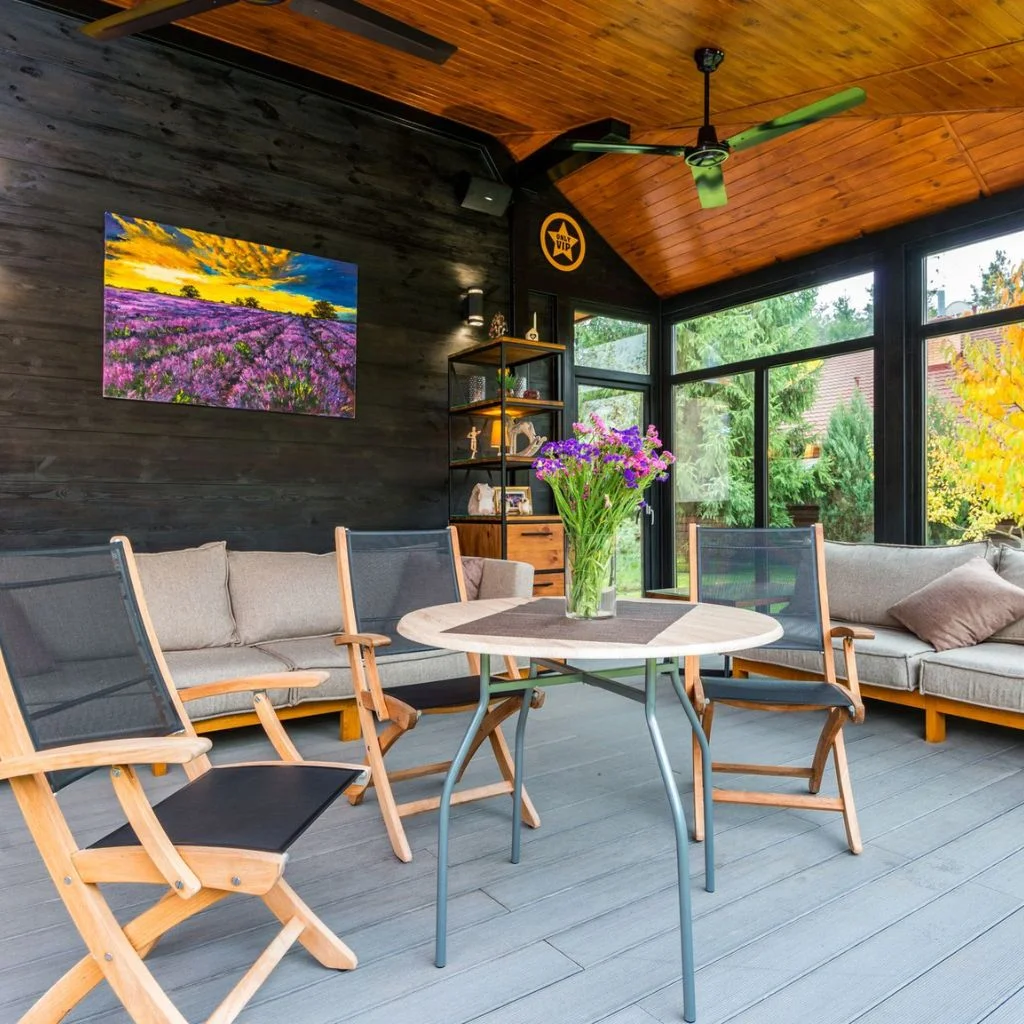
Horizontal shiplap is the classic farmhouse look and pairs naturally with low ceilings, since it draws the eye across the room rather than up.
Vertical shiplap creates the illusion of height, making it a better fit for rooms with taller ceilings or a more modern farmhouse feel.
Diagonal or herringbone layouts exist too, though they suit a single feature wall rather than an entire room.
Prep the Wall Surface Properly
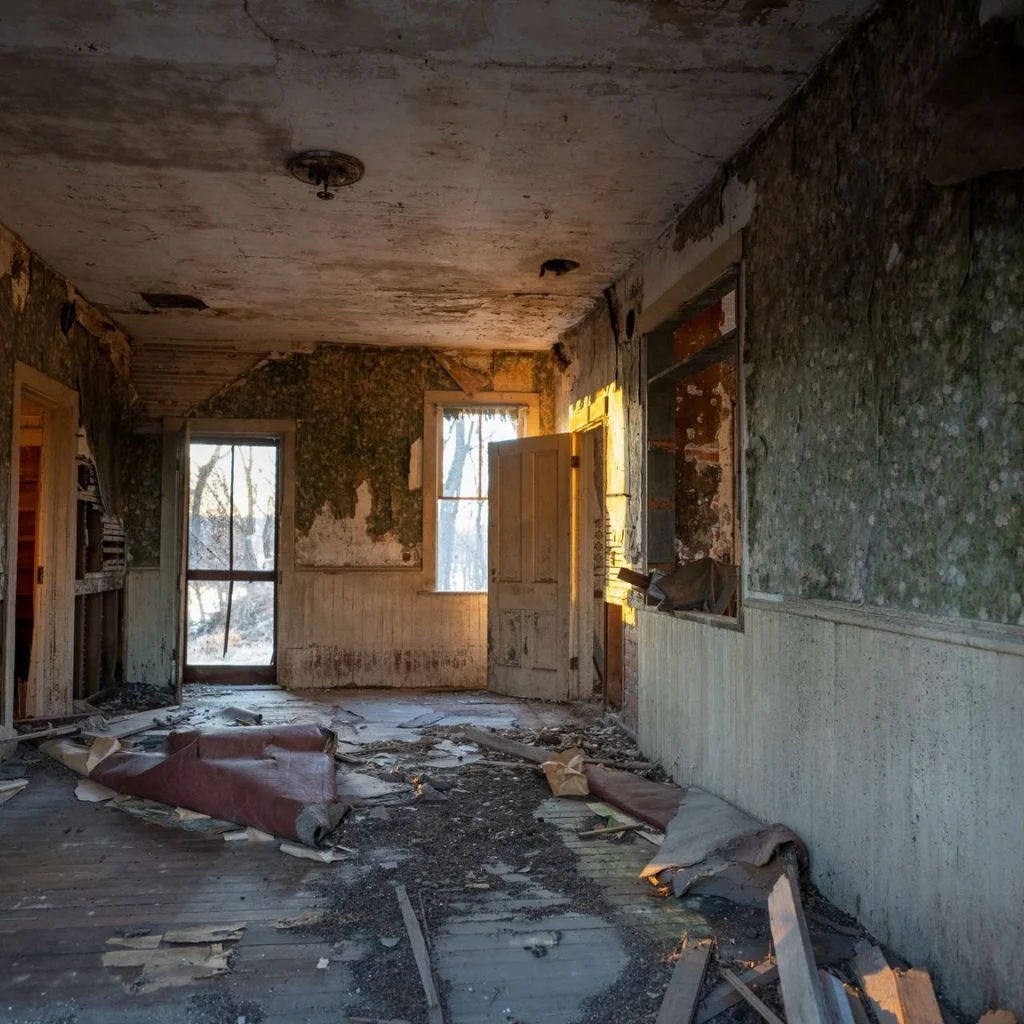
Before any boards go up, remove outlet covers, switch plates, and baseboards where the panels will sit flush against them.
Locate wall studs with a stud finder and mark them lightly in pencil. Every panel needs to land on a stud for a secure, long-lasting finish.
Patch any holes or uneven spots in the drywall first. Shiplap hides small imperfections well, but deep dents or damage will still show through thin boards.
Cut and Fit Panels Around Obstacles
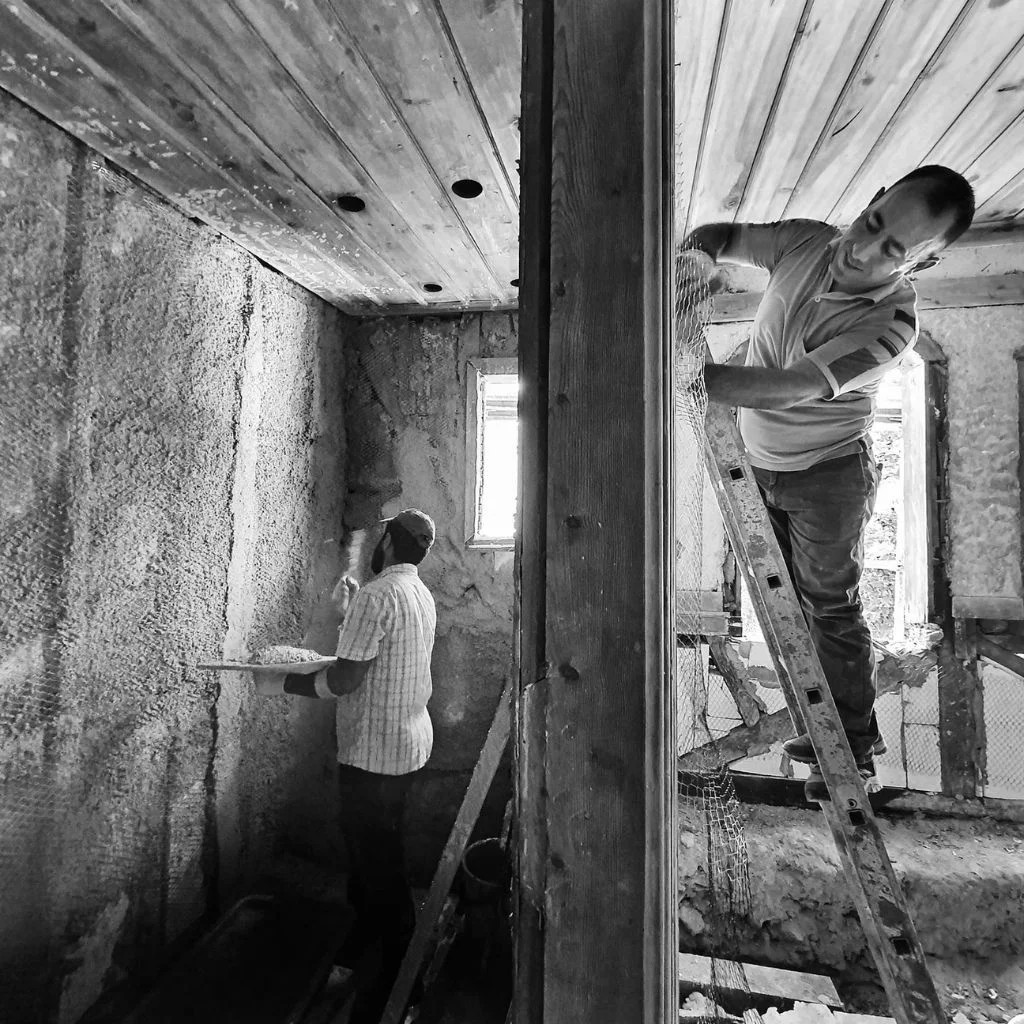
Measure the wall width and height before cutting, and always account for outlets, windows, and door trim.
A jigsaw handles notches around outlets and switches, while a circular saw or miter saw is better suited to straight, long cuts across full boards.
Common mistake to avoid: cutting every board before test-fitting the first row. Walls are rarely perfectly square, so fit one row at a time.
Nail or Glue Panels Into Place
A brad nailer with 1.5 to 2 inch nails is the standard tool for shiplap installation, driving fasteners directly into the marked studs.
Construction adhesive adds extra hold, especially useful for MDF panels or walls with fewer accessible studs.
Leave a small gap, roughly the thickness of a nickel, between boards. This spacing is what gives shiplap its signature shadow line.
Finish With Paint or a Whitewash Look
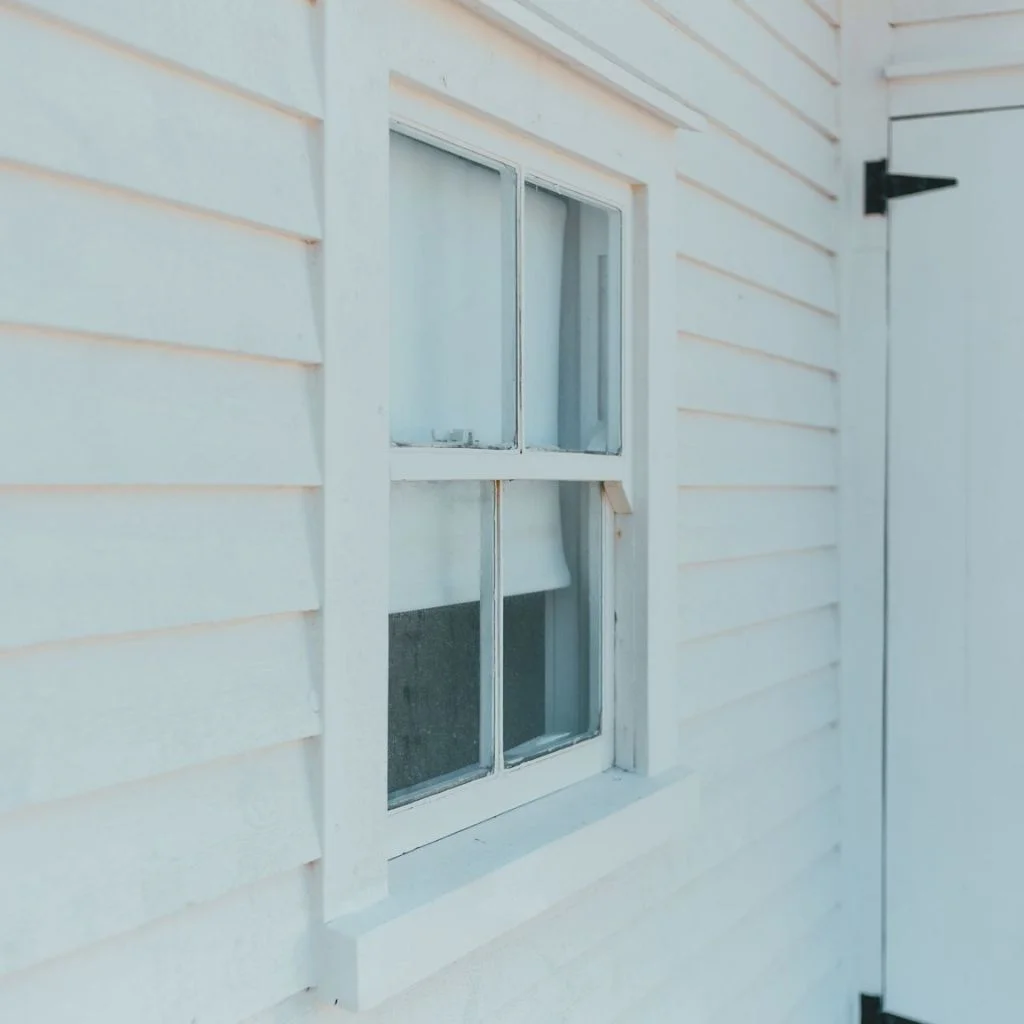
Crisp white paint is the most common farmhouse finish, but a diluted whitewash, made from paint mixed with water, lets some wood grain show through for a softer, more lived-in look.
Satin or eggshell finishes reflect light gently without the harsh shine of gloss, which suits the relaxed character of farmhouse interiors.
Why this works: whitewashing keeps the texture of real wood visible, which is often what separates an authentic farmhouse wall from a flat, painted one.
Limit Shiplap to One Feature Wall
A full room of shiplap can feel heavy in smaller spaces. Treating a single wall, such as the one behind a bed, sofa, or fireplace, delivers the same character with less material and labour.
This approach also keeps the budget lower, since one wall uses a fraction of the boards a full room would need.
A Common Mistake Homeowners Make
One mistake shows up often in farmhouse renovations: skipping the gap between panels entirely, which flattens the look and removes the shadow lines that make shiplap recognisable.
From working through home decor projects for this blog, the boards that read as genuinely rustic are almost always the ones with slightly visible seams, not a perfectly flush surface.
Rushing the stud-finding step is another frequent issue. Boards nailed only into drywall tend to loosen within a year, especially on walls that see regular contact.
Style the Wall With Farmhouse Accents
Once the wall is finished, simple styling choices complete the look. Floating wood shelves, black metal hardware, and woven baskets all reinforce the farmhouse theme.
Vintage-inspired sconces or a reclaimed wood mirror add contrast against the crisp lines of the boards without competing with them.
Why this works: shiplap is a backdrop, not the centrepiece, so accents that add warmth and texture tend to work better than anything too polished or modern.
Bringing the Farmhouse Look Home
Learning how to add shiplap walls to your farmhouse comes down to a handful of decisions: material, board width, direction, and finish. None of these steps require specialised tools beyond a saw, a nailer, and patience.
Starting with a single feature wall is the easiest way to test the look before committing to a full room, and it is where most farmhouse renovations begin.
Our Pick: Gentle Lighting and Decor Tips for Senior Bedrooms.
Frequently Asked Questions
Is shiplap still in style for farmhouse homes in 2026?
Yes. Shiplap remains a defining feature of farmhouse interiors, particularly when paired with whitewashed or lightly textured finishes rather than stark white paint.
Can shiplap go over existing drywall?
Yes, in most cases. As long as studs are marked and boards are nailed securely into them, shiplap can be installed directly over existing drywall without removing it.
How much does it cost to add shiplap walls to a farmhouse room?
Cost depends on material and wall size. MDF shiplap is the more affordable option, while real wood costs more but tends to last longer and holds paint better over time.
Do shiplap walls need to be painted?
Not always. Some homeowners leave real wood shiplap unfinished or apply a clear coat to preserve the natural grain, though painted or whitewashed finishes are more common in farmhouse interiors.

