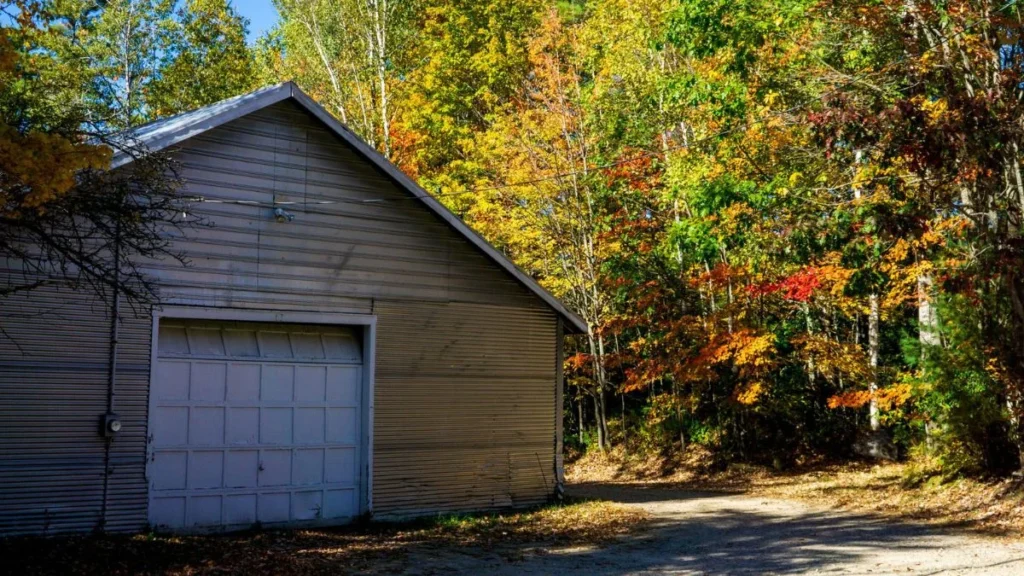
Parking an RV out in the open speeds up fading, rust, and cracked seals faster than most owners expect. The right RV shed ideas turn that slow decline into genuine long-term protection, keeping the vehicle’s value intact through every season. Whether you own a Class A motorhome or a compact travel trailer, the shed you choose now decides how much repair work waits for you later.
This guide walks through the RV shed ideas that actually hold up over time, from foundation choices to security add-ons, so your build works as hard as the vehicle it protects. Some of these ideas cost more in planning than in materials, which makes them easy to get right the first time.
Before You Build
- Match the roof height and pitch to your RV’s real dimensions, not a generic template.
- Concrete pads with proper drainage prevent the moisture damage that ruins RVs from underneath.
- Ventilation and insulation matter as much as the roof itself for true year-round protection.
- Permits and setback rules need checking before a single footing goes in the ground.
Give Your RV Shed A Foundation Built To Last
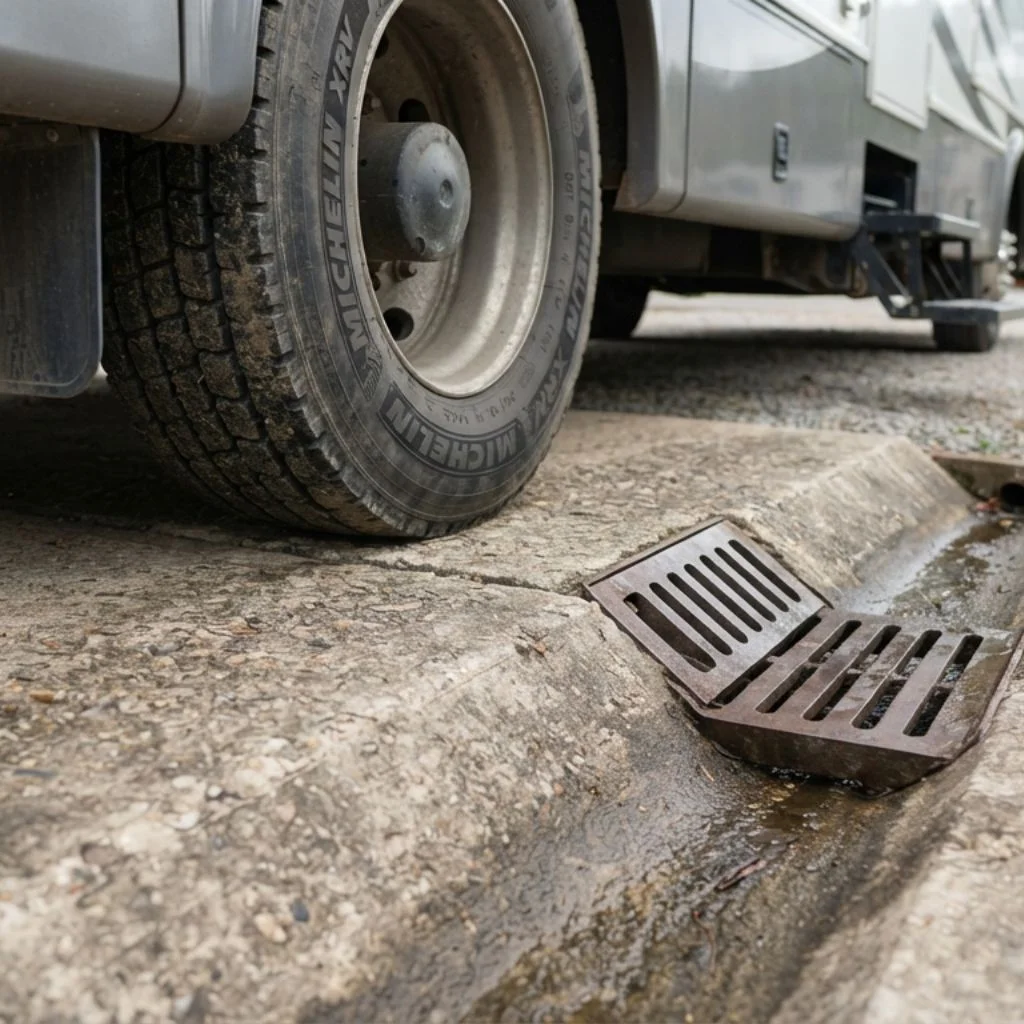
A concrete pad beats a gravel base for nearly every RV shed idea worth pursuing. Concrete resists rutting under the weight of a loaded motorhome and sheds water away from the tyres instead of letting it pool underneath.
Gravel works as a budget option, but it shifts over time and traps moisture against the underside of the vehicle. That trapped moisture is exactly what accelerates frame rust and corrodes the parts you can’t see during a quick inspection.
A slight slope away from the shed’s entrance, paired with a proper drainage channel, keeps standing water from ever reaching the tyres. Why this works: a sloped, sealed pad moves water away from the structure and the RV in one motion, so you are solving drainage and stability with a single decision instead of two separate fixes later.
Choose A Roof Style That Matches Your Climate
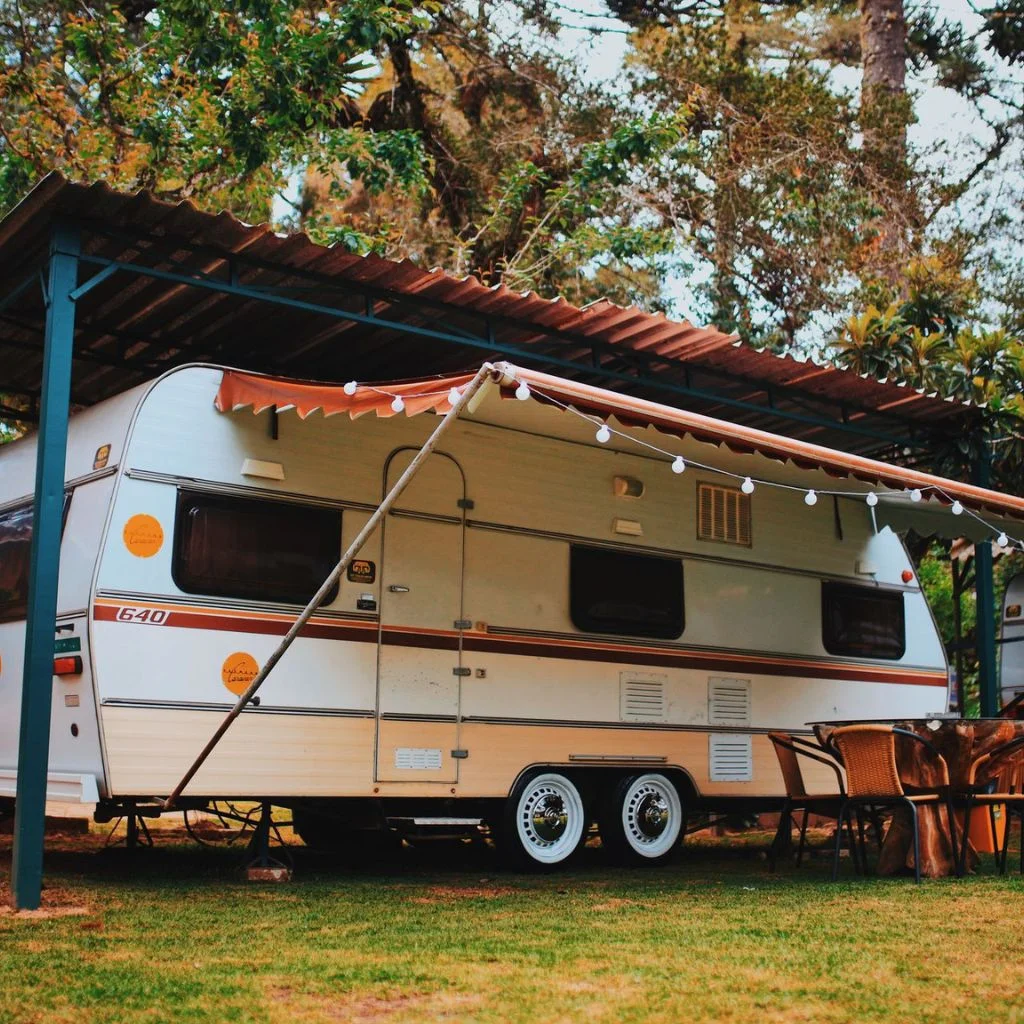
Gable roofs handle heavy rain and snow well because the steep pitch encourages fast runoff, which is why this remains one of the most requested RV shed ideas in wetter regions. Lean-to designs suit owners who already have a barn or garage wall to build against, saving on materials and labour while still offering solid coverage.
Quonset-style curved roofs shed snow load efficiently and need fewer support posts, which opens up wider clear spans for larger motorhomes and dual-vehicle storage.
Pick the roof based on your actual weather pattern, not the style you saw first on a neighbour’s property. A flat roof in a snowy region is one of the fastest ways to shorten a shed’s lifespan, since standing snow adds weight the frame was never designed to carry.
Pick Materials That Balance Cost And Durability
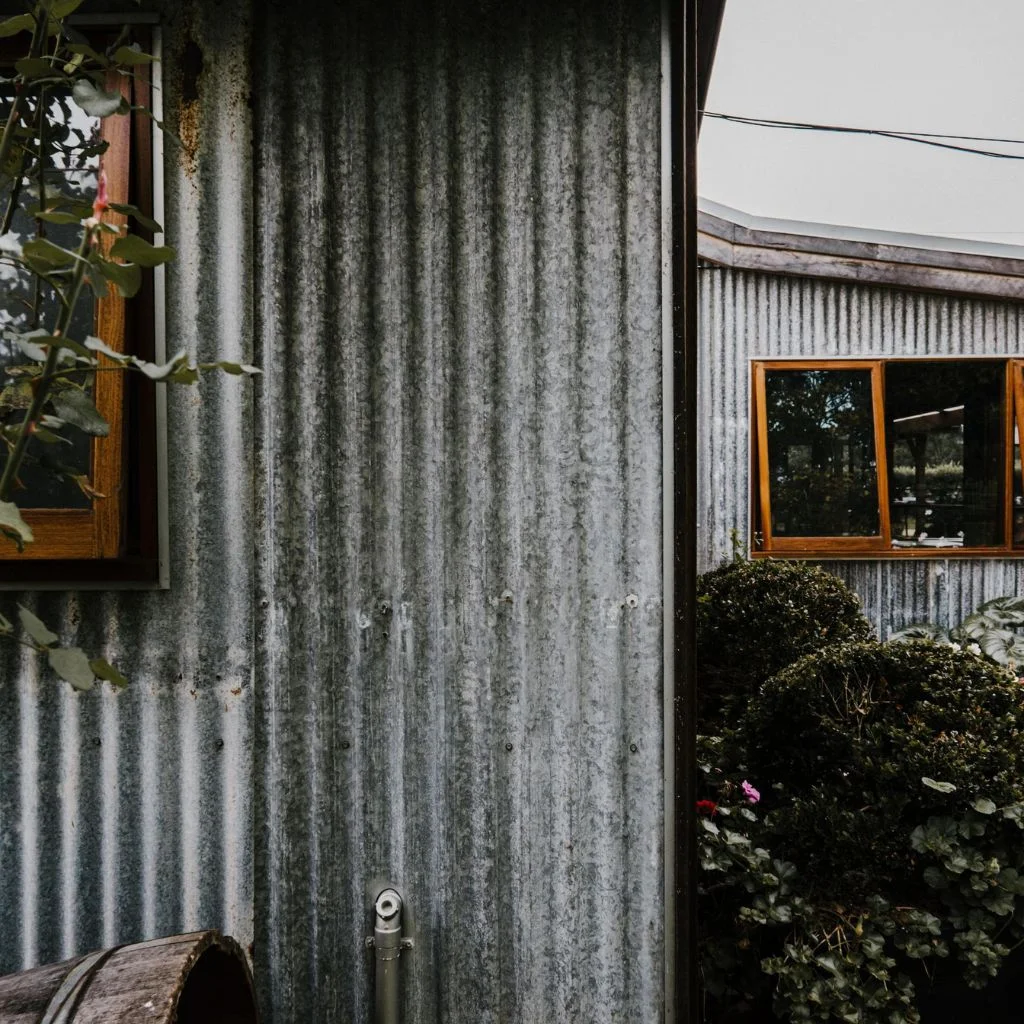
Galvanized steel remains the standard among practical RV shed ideas for good reason. It resists fire, shrugs off pests, and needs almost no upkeep compared with timber over a ten or twenty year span.
Timber framing still appeals for its warmer look and easier on-site modification, especially if the shed will double as a workshop or hobby space. Fabric-covered frames are the cheapest option upfront but wear out fastest under UV exposure and heavy wind, often needing replacement within a few years.
If long-term value is the goal, steel or a steel-frame hybrid with timber cladding gives the best balance between appearance and durability. Why this works: steel handles the structural load and weather exposure, while timber cladding softens the look without compromising the frame underneath.
Size The Structure Around Your RV Not The Average
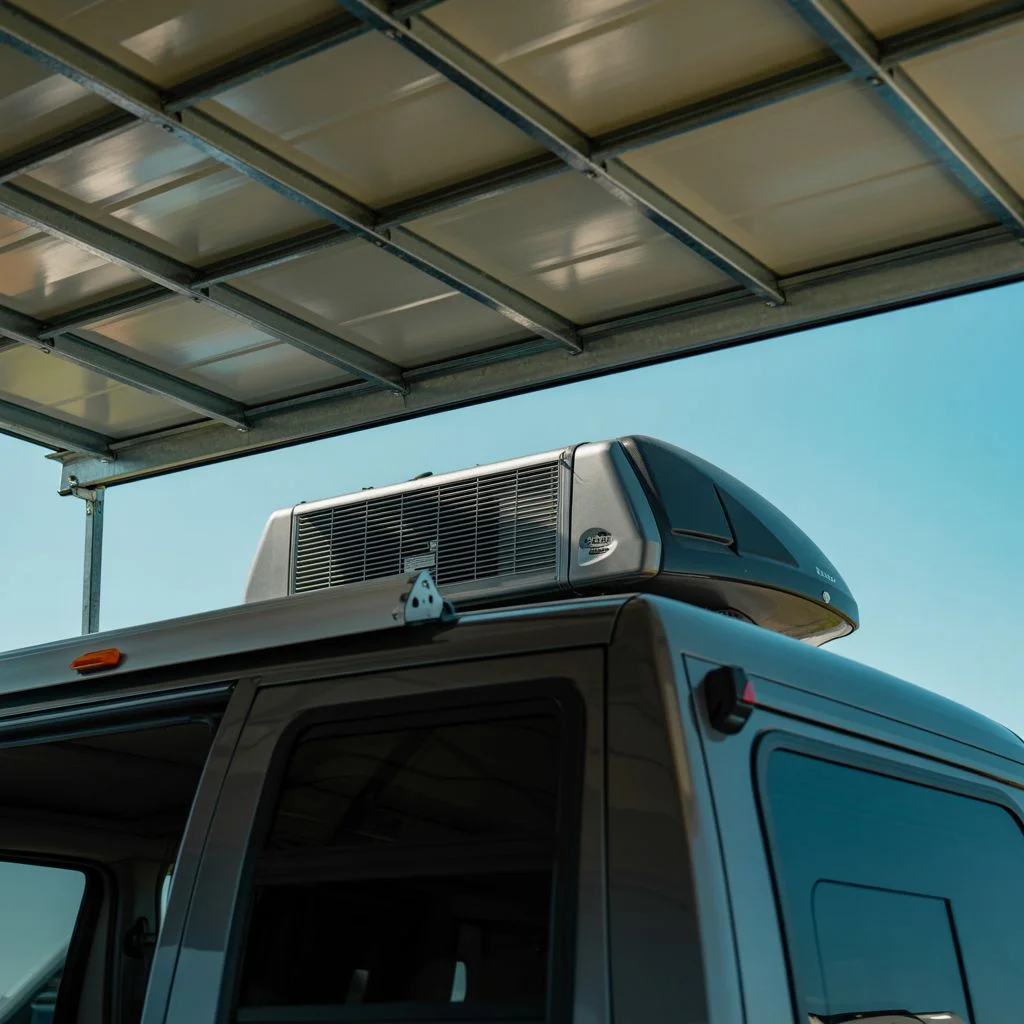
Generic shed plans rarely account for roof-mounted air conditioners, satellite domes, or slide-out extensions. A minimum height of 14 feet clears most accessories with room to spare, and width should allow at least two feet beyond a fully extended slide-out on each side.
Measure your specific RV, including any rooftop additions, before finalising dimensions. Building to the average instead of your actual vehicle is one of the most common and costly mistakes among RV shed ideas people try to copy directly from a neighbour or a catalogue.
Length matters just as much as height. Leave enough room at the front for a tow vehicle or a small workbench, so the shed still functions once the RV itself is parked.
Handle Permits And Zoning Before Ground Breaks
Local building codes, HOA rules, and setback requirements vary enormously by zip code. Some areas require state-stamped blueprints before a structure of this size gets approved, particularly for anything permanently anchored to a foundation.
Contact your local building department early, since a shed built without the right permit can force a costly teardown later. This step rarely makes anyone’s list of exciting RV shed ideas, but skipping it is the single most expensive mistake on this list, both financially and in wasted time.
Add Climate Control For True Year Round Protection
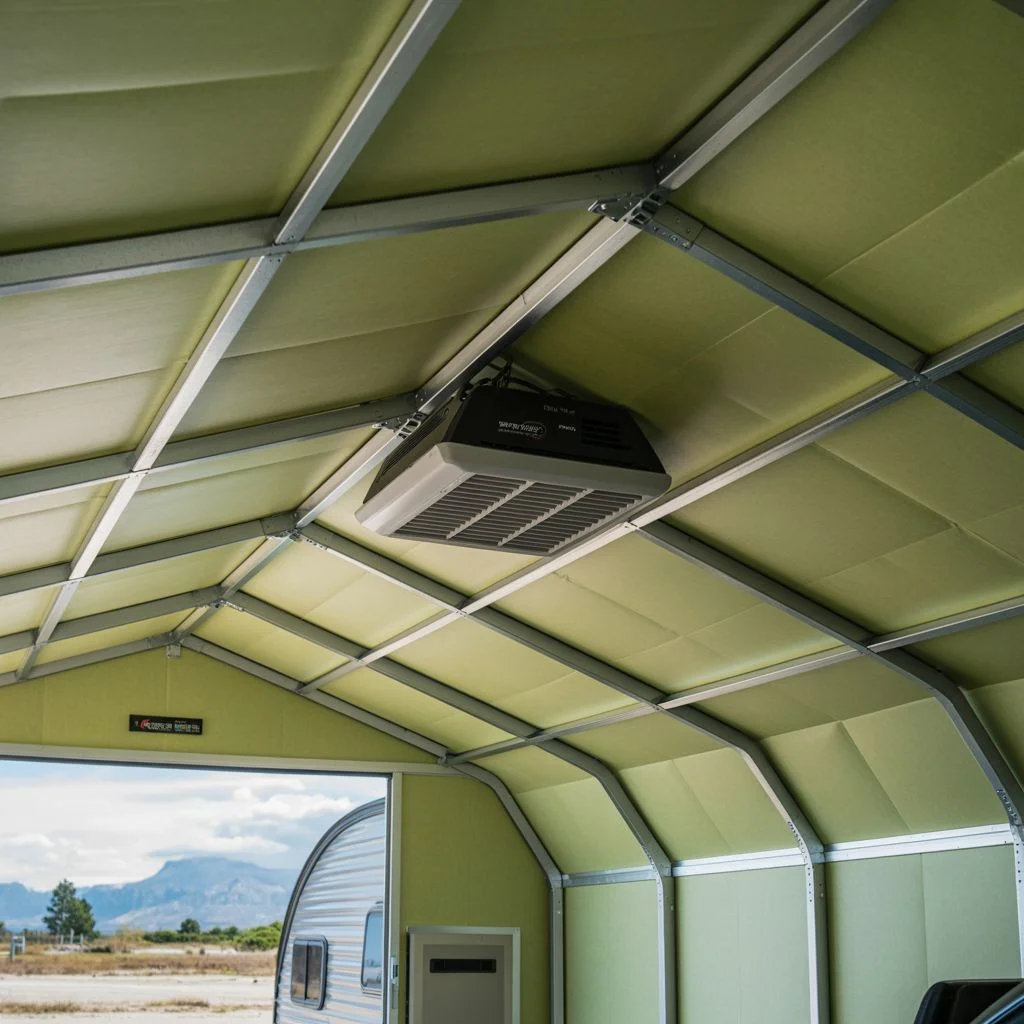
Insulation and ventilation do more for long-term protection than most owners assume. Trapped heat degrades seals, tyres, and interior finishes just as fast as direct sun exposure, especially through the summer months.
A ridge vent or gable vents keep air moving through the structure without any added running cost. For owners in extreme climates, a simple insulated liner on the roof panels cuts down on both summer heat and winter condensation, which protects the RV’s exterior finish along with anything stored alongside it.
Why this works: stable temperature and airflow protect the parts of an RV that sun and rain never touch directly, like seals, hoses, and undercarriage components that quietly wear down in a sealed, humid space.
Build In Smart Security From Day One
A motion-activated camera and a smart lock cost little next to the value of what they protect. Cloud-connected systems let you check on the shed from anywhere, which matters most when the RV sits unused for weeks between trips.
Motion-sensor lighting around the entry points adds a low-cost deterrent that pairs well with any camera system already installed. Combining these with a solid door and frame turns a basic shed into genuine storage security rather than just cover from the rain.
Insurance providers sometimes offer small discounts for documented security features, so it’s worth checking with your policy before finalising the setup. A shed that combines cameras, lighting, and a reinforced door checks nearly every box an insurer looks for when assessing risk on a stored vehicle.
Turn Unused Corners Into Bonus Storage Space
A shed built for one RV rarely uses every inch of available space. Side bays can hold camping gear, tools, or a small workbench without crowding the main vehicle or blocking the entryway.
Shelving along the walls keeps smaller items organised and off the floor, which also protects them from the same moisture issues the shed is meant to prevent in the first place. A loft or mezzanine level adds extra storage without expanding the building’s footprint, making it one of the more space-efficient RV shed ideas for smaller properties.
Even a narrow strip along the back wall can hold folding chairs, hoses, and levelling blocks that would otherwise clutter the RV’s own storage bays. Keeping these items in the shed instead frees up weight and space inside the vehicle itself.
Plan Access Points And Surrounding Landscaping
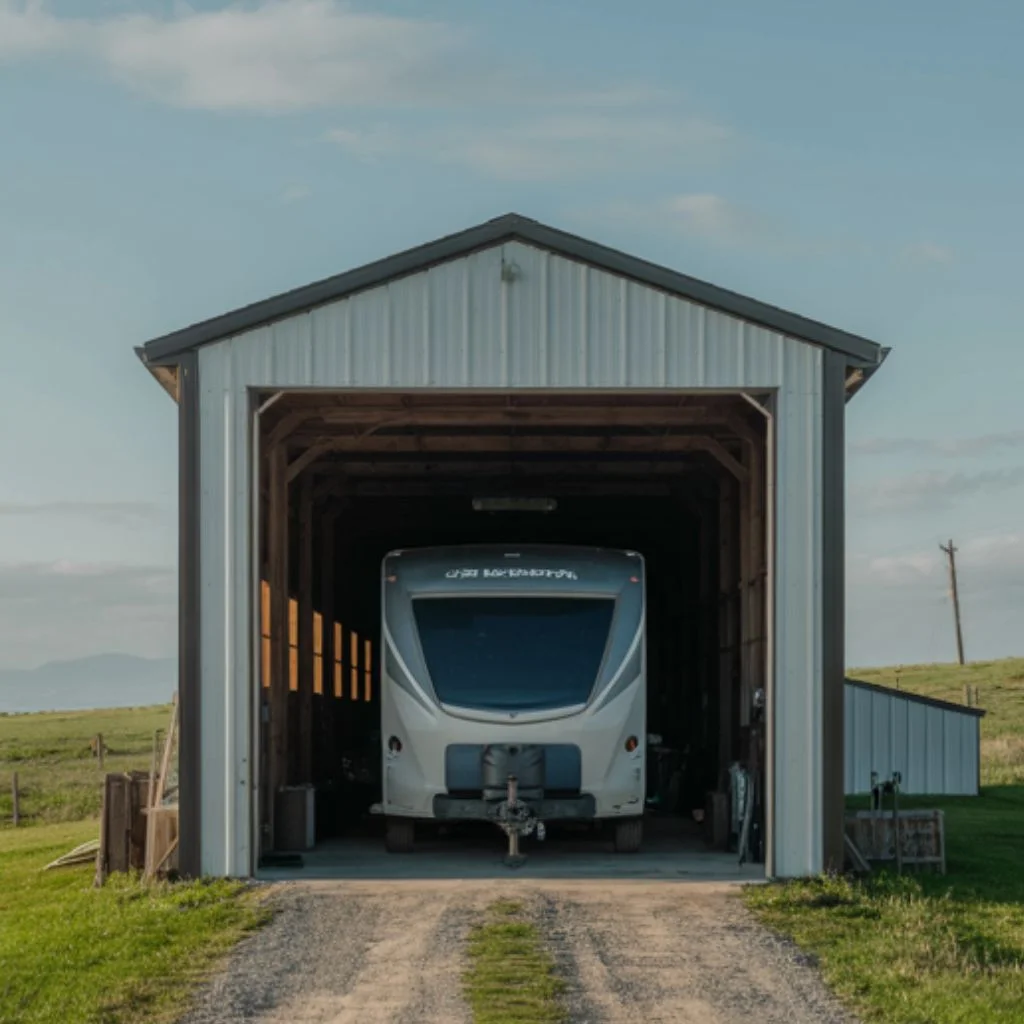
A shed is only as convenient as the path leading up to it. Wide, gently sloped approaches make it far easier to reverse a large motorhome into place without clipping a post or a fence line.
Gravel or paved aprons in front of the entrance stop tyres from tracking mud straight into the shed, which keeps the interior drier and cuts down on cleaning. Trim back overhanging branches too, since falling debris scratches paintwork and clogs gutters faster than most owners expect.
Good drainage around the shed’s perimeter matters just as much as the pad itself. Redirecting runoff away from the entrance protects both the foundation and the RV parked on top of it.
Common Mistake To Avoid When Planning Your Build
The mistake I see most often is owners designing the shed around today’s RV and never planning for a future upgrade. A family that later swaps a travel trailer for a Class A motorhome often finds their existing structure two feet too short in height or width.
Building with a little extra height and width from the start costs relatively little upfront and saves a full rebuild down the line. It is one of the simplest RV shed ideas to apply, yet one of the most overlooked by first-time builders in a hurry to finish the project.
The Shed That Pays For Itself
A well-planned RV shed protects far more than paint and upholstery. It preserves resale value, cuts down on repair bills, and gives you one less thing to worry about between trips away.
The RV shed ideas above cost more attention than money in most cases, and that attention pays back every time the vehicle rolls out looking as good as the day it arrived home.
Our Pick: Cheap Patio Cover Ideas for Sun and Rain Protection.
Frequently Asked Questions
How tall should an RV shed be?
Most motorhomes need at least 14 feet of clearance to accommodate roof-mounted air conditioners and vents comfortably, so measure the tallest point before settling on a final height.
Do I need a permit for an RV shed?
In most areas, yes. Structures over a certain size typically require a permit, and some regions add setback or HOA restrictions on top of standard building codes.
What’s the cheapest way to protect an RV without a full shed?
A heavy-duty fitted RV cover combined with a gravel pad offers basic protection, though it falls short of a proper shed’s long-term durability and security.
Can an existing shed be converted for RV storage?
Yes, provided the door opening, height, and floor can be adapted to fit the vehicle safely, which usually means widening entries and reinforcing the base underneath.
Does an RV shed increase home resale value?
It can, particularly in areas where RV ownership is common, since buyers see secure, purpose-built storage as a genuine selling point rather than an afterthought.