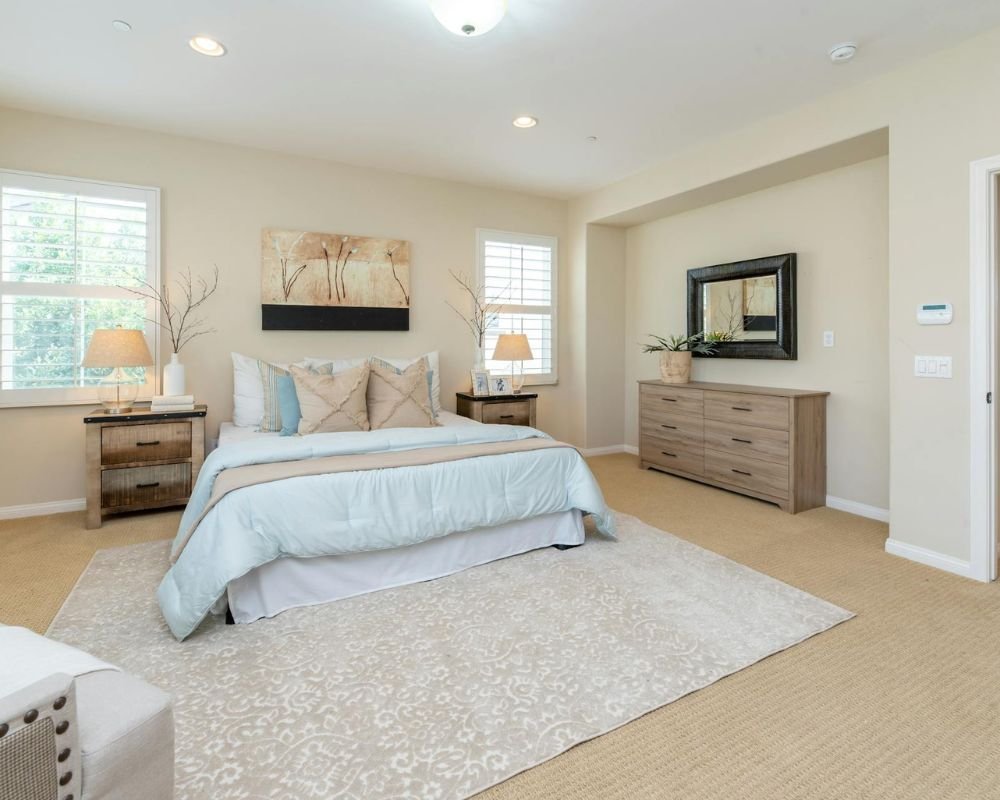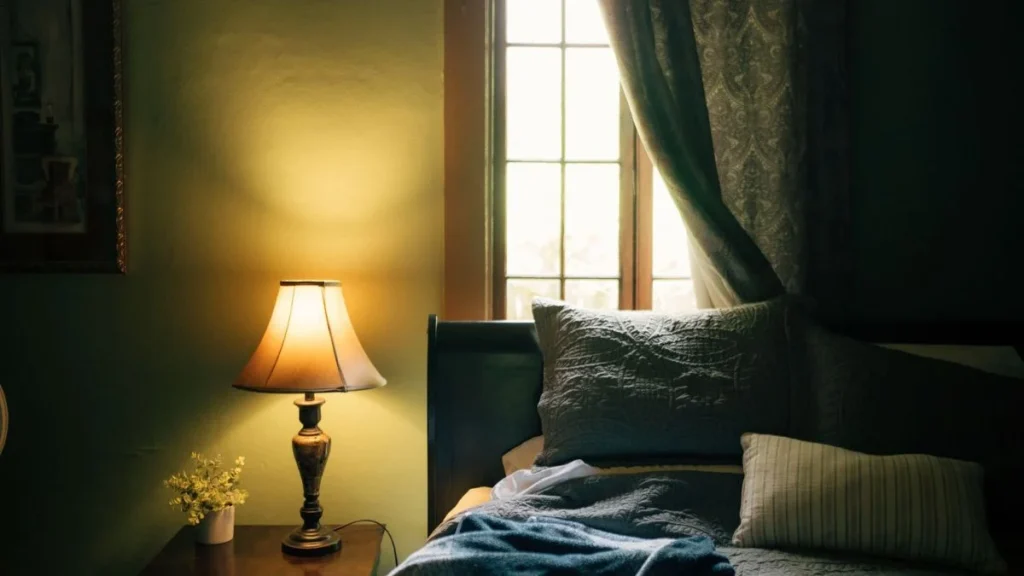
A cosy, well-lit bedroom can make all the difference for older adults who spend more time resting, reading, or simply feeling safe at home. These tips for senior bedrooms focus on lighting and decor choices that reduce fall risks, ease eye strain, and bring warmth to a space that should feel calm rather than clinical.
Many bedrooms are designed with style in mind first, but ageing eyes and joints need something more practical. Getting the balance right between comfort and function means senior bedrooms don’t have to look institutional to feel safe.
This guide walks through layered lighting, gentle colour choices, and small decor tweaks that make a genuine difference, whether you’re setting up a room for a parent, a grandparent, or planning ahead for your own comfort.
Tips
- Layer lighting with ambient, task, and accent sources rather than relying on one overhead bulb.
- Choose warm-toned, high-CRI bulbs, since glare causes more discomfort than dim light.
- Pick colour palettes with soft contrast so edges of furniture and doorways stay easy to see.
- Plan clear pathways with nightlights for safer movement after dark.
Layering Light Sources for Comfort and Safety
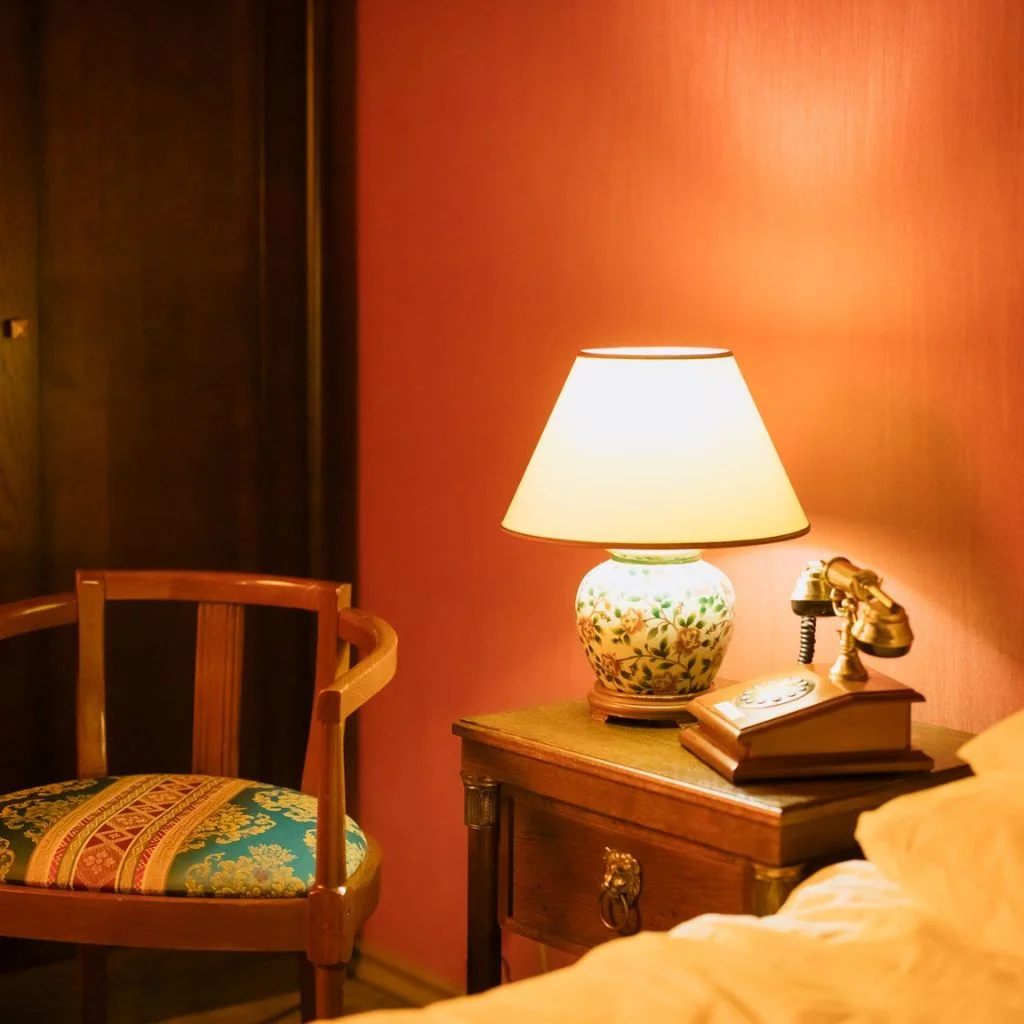
One of the most useful tips for senior bedrooms is to stop relying on a single overhead fixture. Ageing eyes need more light overall, but they’re also more sensitive to harsh contrast between a bright ceiling light and a dark corner.
Ambient light from a ceiling fixture or wall-mounted fitting should set a soft general glow. Task lighting, such as a bedside lamp with an adjustable arm, gives focused light for reading or checking medication labels. Accent lighting, like a small lamp on a dresser, softens shadows near wardrobes and mirrors.
Why this works: layered lighting lets a person adjust brightness for the activity at hand, rather than switching between one bright setting and total darkness, which is when most trips and stumbles happen.
Choosing Bulbs That Are Kind to Ageing Eyes
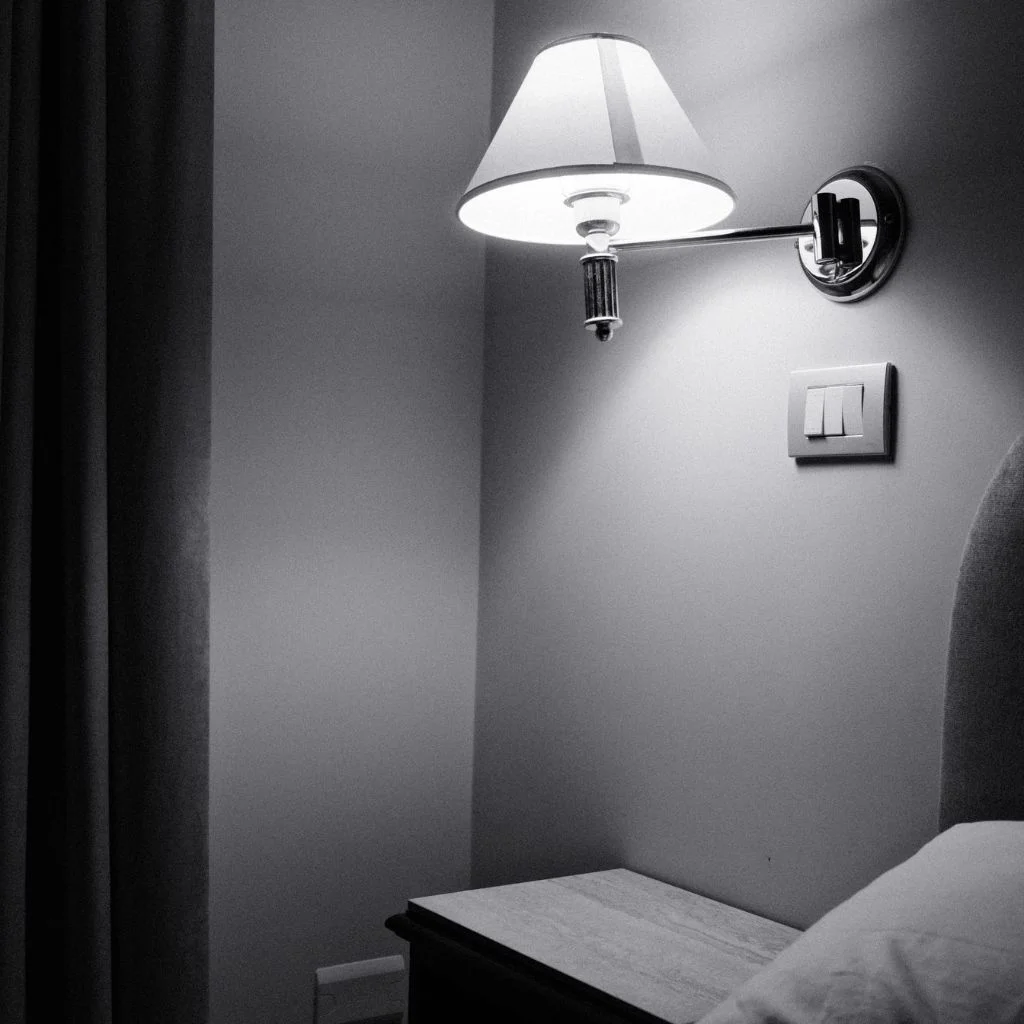
The type of bulb matters just as much as the number of lamps. Warm white bulbs, around 2700 to 3000 Kelvin, tend to feel gentler and less clinical than cool white or daylight bulbs.
Look for a high Colour Rendering Index, ideally above 90, so skin tones, medication packaging, and fabric colours look accurate rather than washed out. Frosted or opal-finish bulbs also help reduce glare compared with clear glass bulbs.
Dimmable fittings are worth the small extra cost. A lower setting at night avoids the jolt of a bright light after waking, which can otherwise cause dizziness for some older adults getting up in the dark.
Colour Palettes That Feel Calm and Familiar
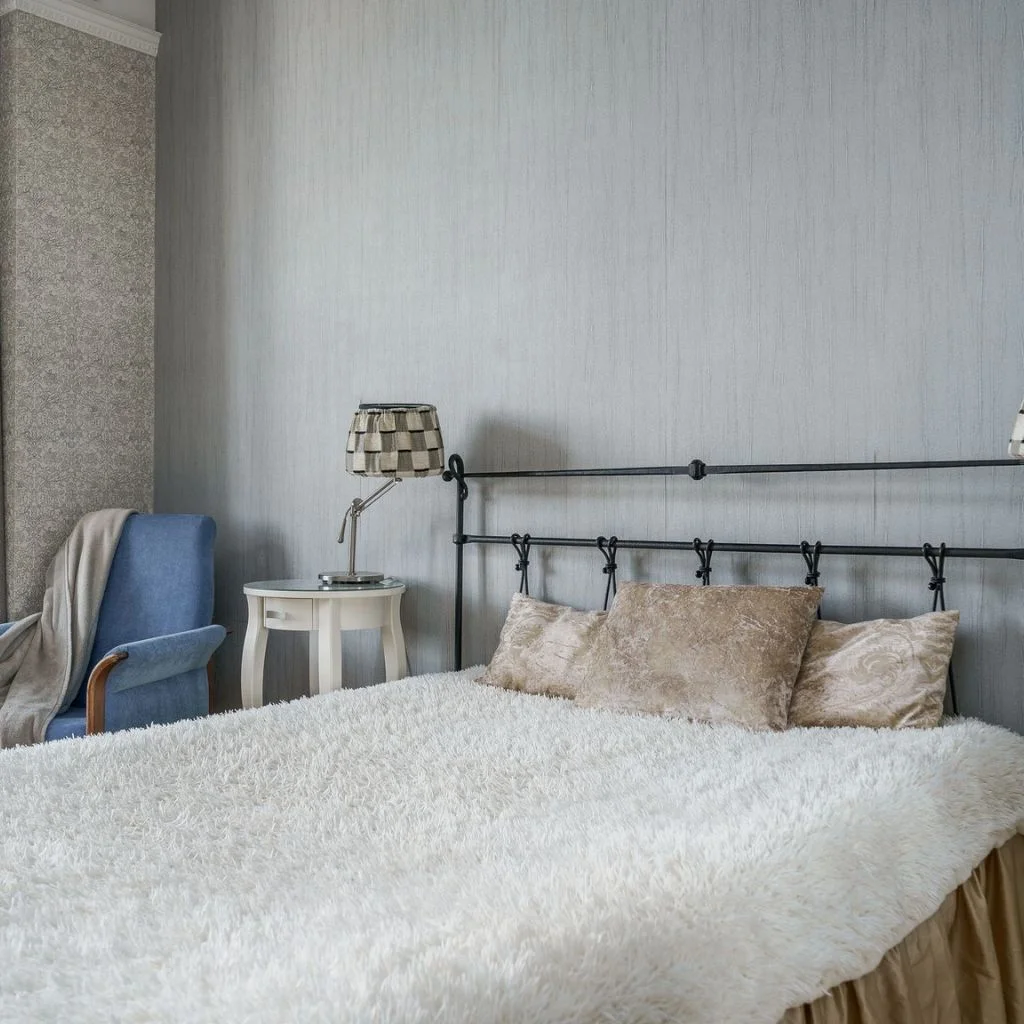
Soft, muted colours such as dusty blue, warm sage, or gentle taupe tend to suit senior bedrooms well. These shades feel restful without tipping into the flat, beige sameness of a care facility.
Contrast is more important than most people expect. A pale wall with a slightly darker skirting board, or a rug that stands out gently from the flooring, helps someone with reduced depth perception judge distances and step heights more easily.
Avoid glossy paint finishes on walls near the bed, since they can reflect light in ways that create glare when a lamp switches on suddenly at night. Matte or eggshell finishes are the more comfortable choice.
Furniture Placement for Easy, Safe Movement
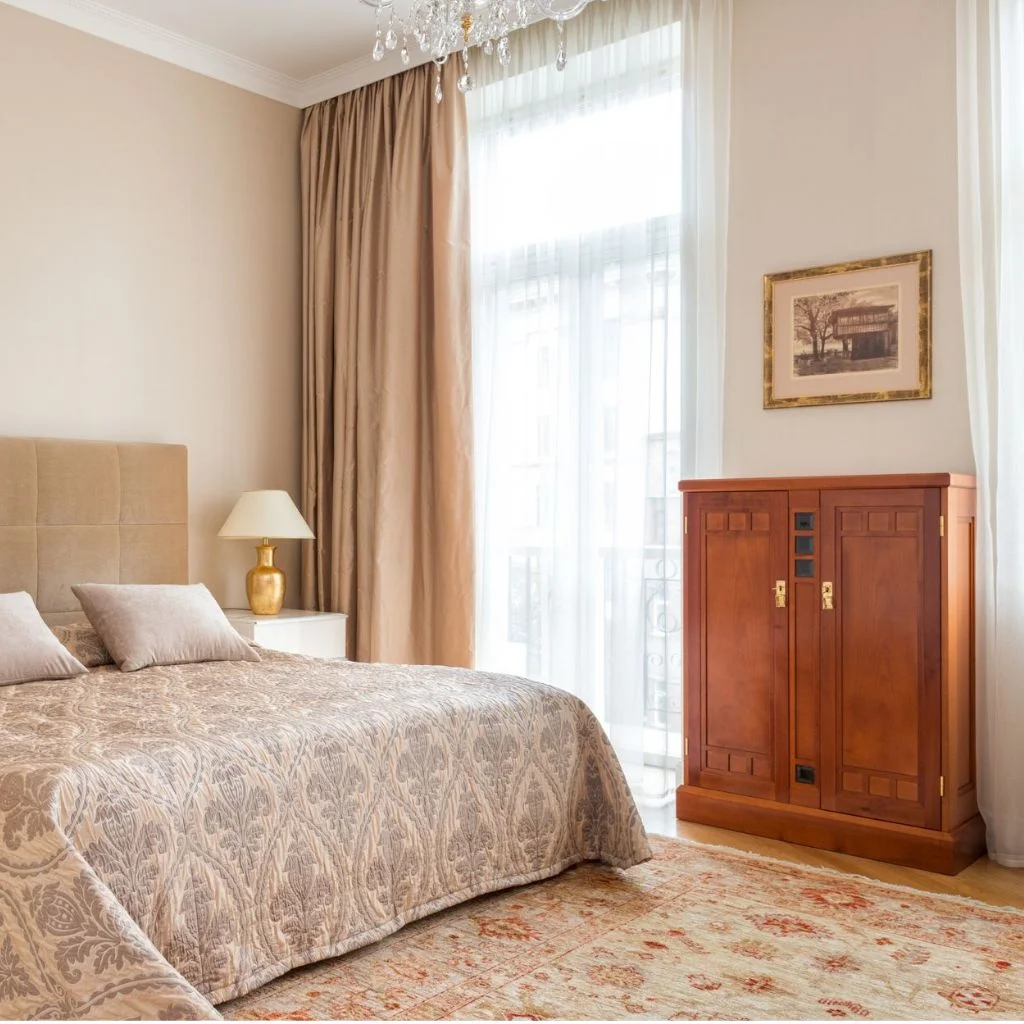
A wide, clear path from the bed to the door and to the en-suite or hallway matters more in a senior bedroom than in almost any other room in the house.
Keep furniture like ottomans, extra chairs, or trailing cables away from that main route. A bedside table should sit at a height that’s easy to reach without leaning, with a lamp switch that doesn’t require fumbling in the dark.
Rugs are lovely for warmth underfoot, but a rug with a rubber non-slip backing, trimmed flat at the edges, is far safer than a thick pile rug that can catch a slipper or a walking frame.
Nightlights and Pathway Lighting for Nighttime Trips
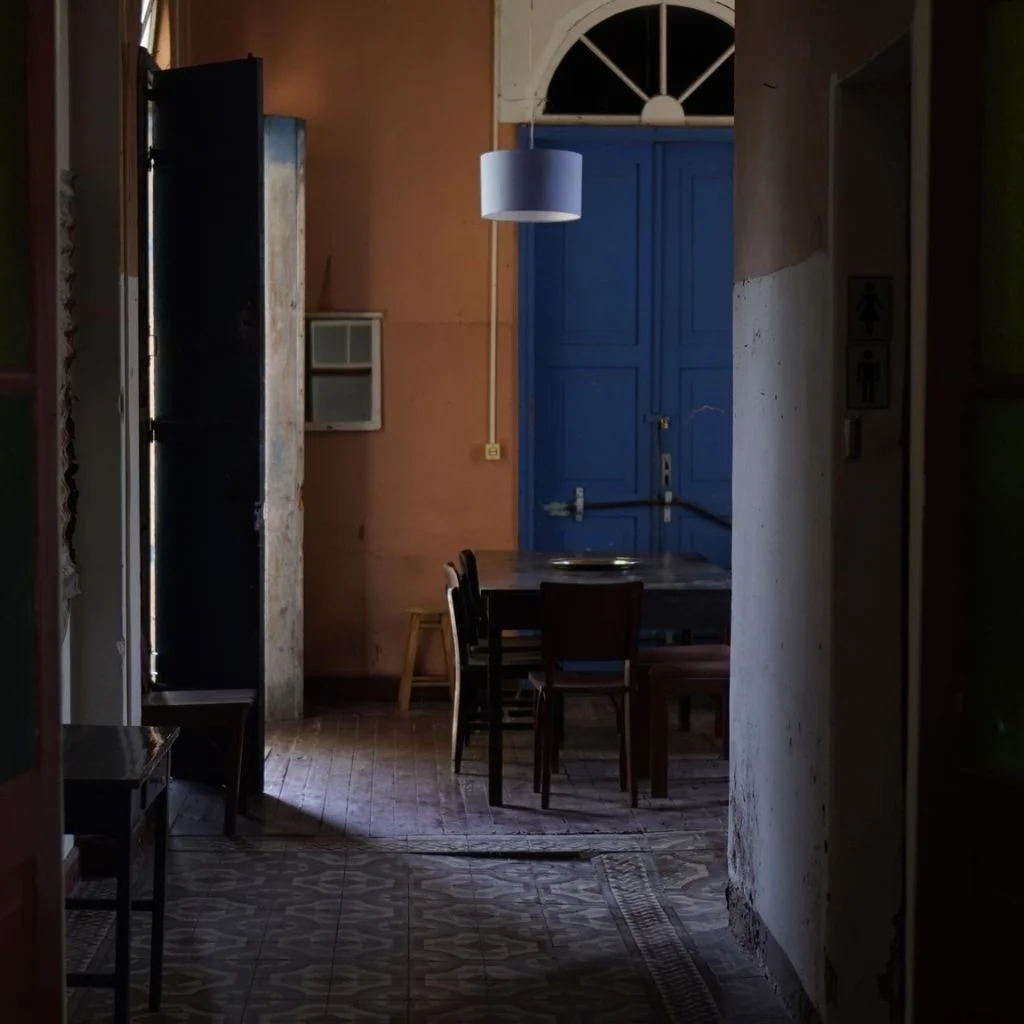
Getting up at 2am for the bathroom is one of the most common moments for a fall, so pathway lighting deserves its own attention among tips for senior bedrooms.
Plug-in nightlights with a dusk-to-dawn sensor are an easy, low-cost fix for hallways and door thresholds. Motion-sensor strip lighting along a bed frame or skirting board gives a soft glow that switches on automatically, so there’s no need to search for a switch while half asleep.
Keep the light low and warm-toned rather than bright white, since a dim amber glow is far less disruptive to sleep than a stark light that can make it harder to drift off again.
Personal Touches That Make a Room Feel Like Home
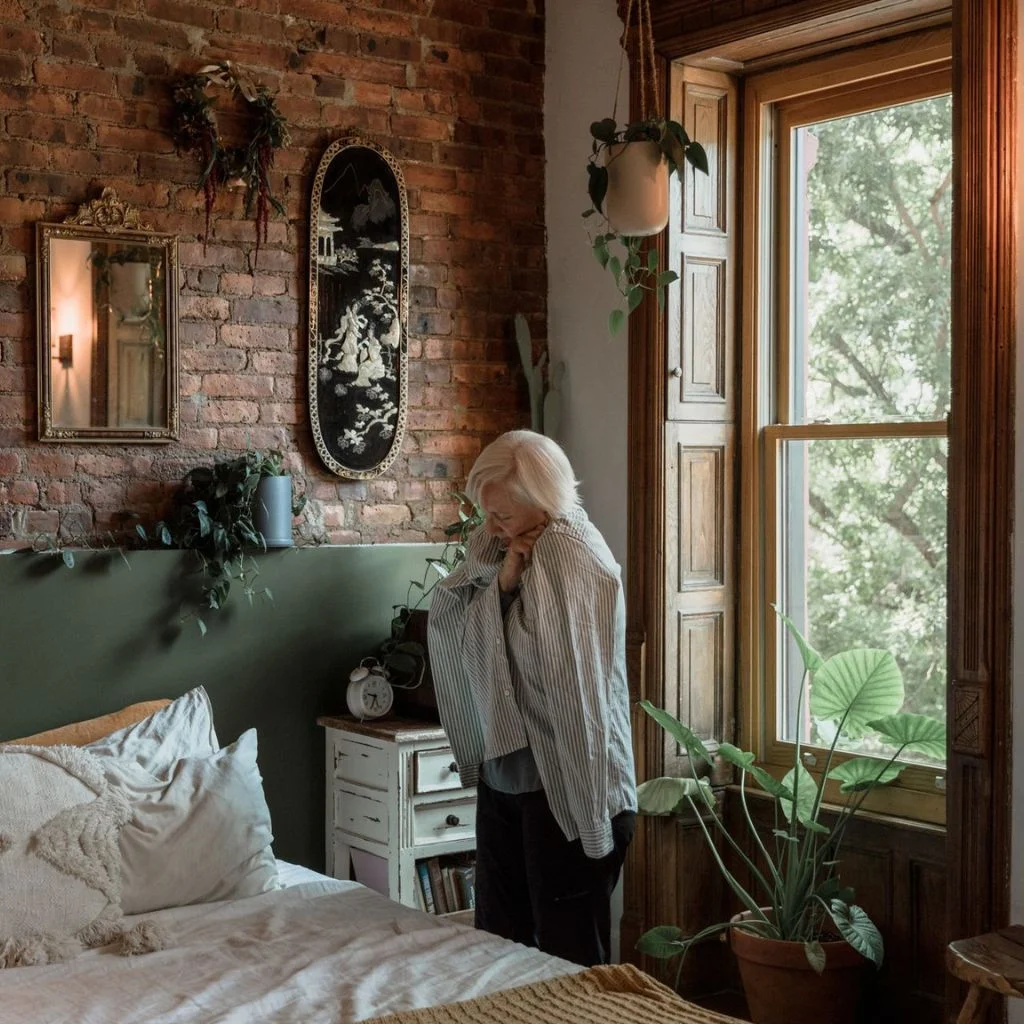
Safety-focused design doesn’t need to feel sparse. Framed family photos, a favourite armchair, or a familiar quilt all help a bedroom feel like a personal space rather than a hospital room.
Where possible, involve the person the room belongs to in choosing colours, cushions, or artwork. A room that reflects someone’s own taste tends to be used and enjoyed far more than one that’s simply been made ‘safe’ on their behalf.
Small, meaningful decor choices, like a favourite throw or a shelf of well-loved books within easy reach, often do more for wellbeing than any single piece of furniture.
A Common Mistake to Avoid When Decorating Senior Bedrooms
One mistake that comes up often is choosing lighting purely for looks, such as recessed spotlights that create pools of bright light with dark gaps between them. This kind of lighting can actually make a room feel more uneven and harder to navigate at night than a single, well-placed lamp.
Another frequent slip is picking patterned carpets or busy rugs that look stylish in a shop but create a confusing visual texture underfoot for someone with reduced depth perception. Simpler, solid-toned flooring is almost always the safer and more comfortable choice.
A Real Scenario Worth Learning From
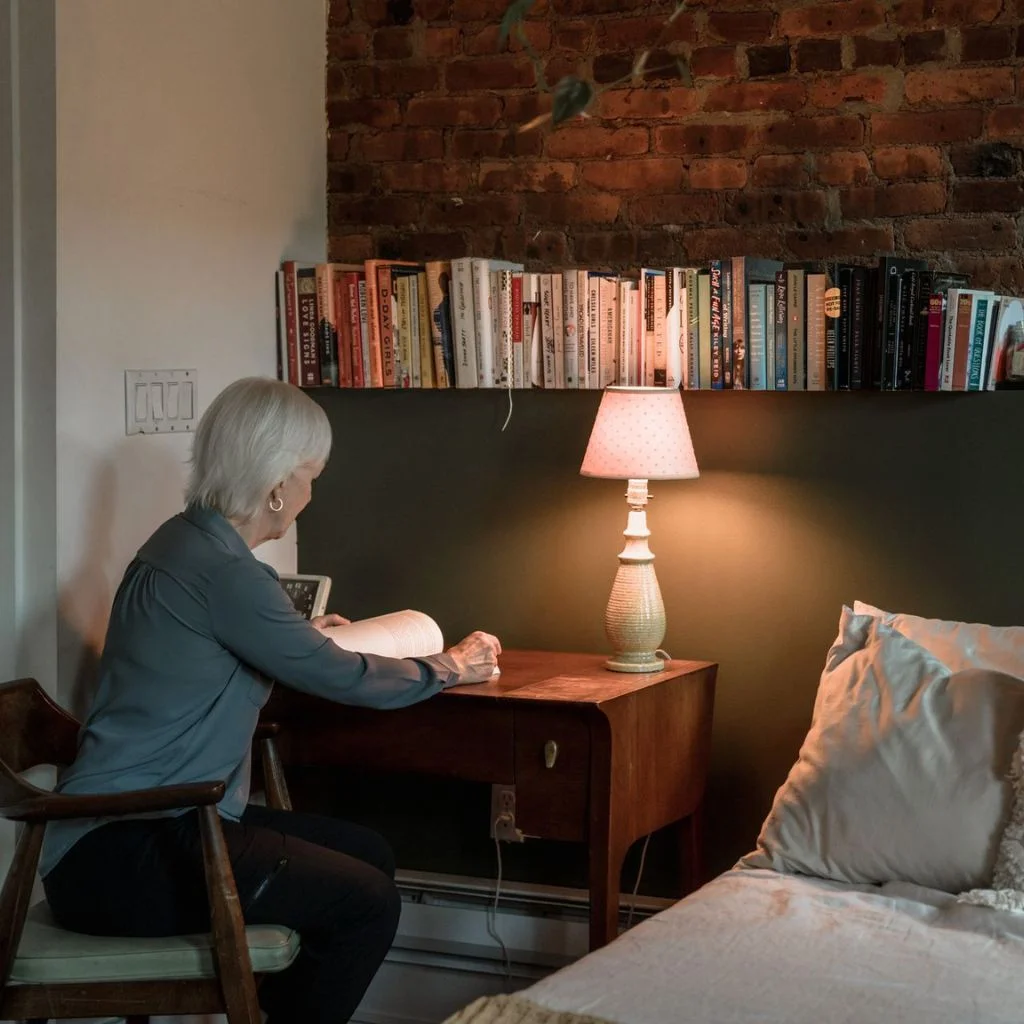
A reader recently described helping her father set up his bedroom after he moved in with her family. He’d been managing fine in daylight, but kept switching on the main ceiling light at night, which left him squinting and unsteady for a few seconds each time.
Adding a dimmable bedside lamp and a motion-sensor nightlight along the skirting board solved the issue within days. He stopped needing the harsh overhead light altogether, and the small change made his nighttime trips to the bathroom noticeably steadier.
It’s a simple example of how a couple of well-chosen tips for senior bedrooms, rather than a full room overhaul, can solve a real day-to-day problem.
Comfort Built One Lamp at a Time
None of these changes require a full renovation. A dimmable lamp, a warmer bulb, a clearer path to the door, and a colour palette with gentle contrast can transform how safe and how at ease a senior bedroom feels.
Start with whichever tip feels most urgent, whether that’s swapping a harsh overhead bulb or adding a nightlight along the hallway, and build from there. Small, thoughtful updates tend to add up to a bedroom that feels both safer and genuinely comfortable to spend time in.
If you’re updating a senior bedroom this month, start with one change today: swap in a warm, dimmable bedside lamp and see the difference it makes by tomorrow morning.
Recommended: Shared Bedroom Ideas for Sisters That Balance Both Personalities.
Frequently Asked Questions
What is the best type of lighting for a senior bedroom?
Layered lighting works best: a soft ambient source for general use, a task lamp for reading, and a warm-toned nightlight for safe movement after dark.
What colour temperature is easiest on older eyes?
Warm white bulbs between 2700 and 3000 Kelvin tend to feel gentler than cool white or daylight bulbs, which can appear harsh and increase glare sensitivity.
How can I reduce fall risk in a senior bedroom at night?
Keep a clear path from bed to door, add motion-sensor nightlights along the route, and choose a low-pile rug with a non-slip backing rather than a thick or patterned one.
Should senior bedrooms avoid bright colours altogether?
Not entirely. Soft, muted colours work best for a calm feel, but gentle contrast between walls, furniture, and flooring actually helps with depth perception, so avoid an all-one-tone room.