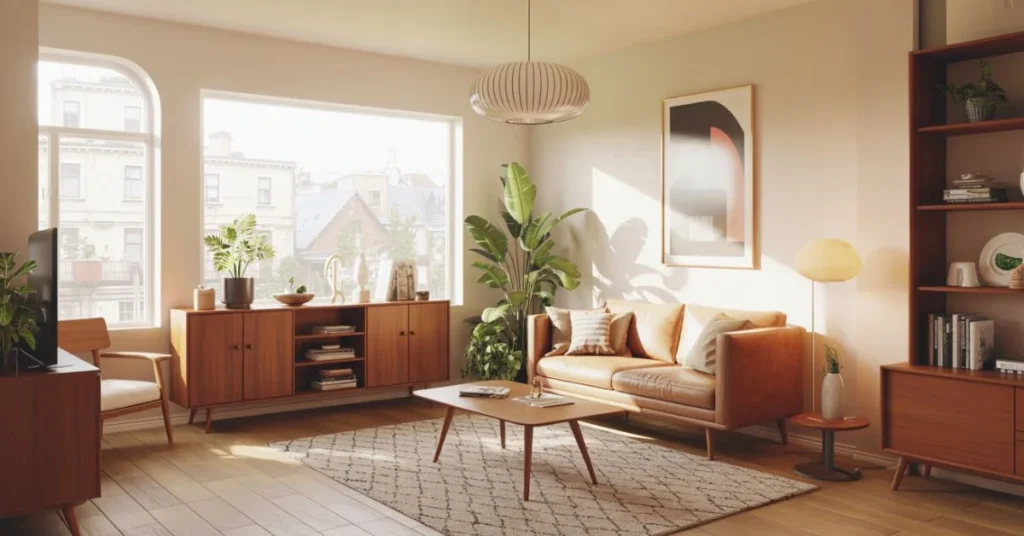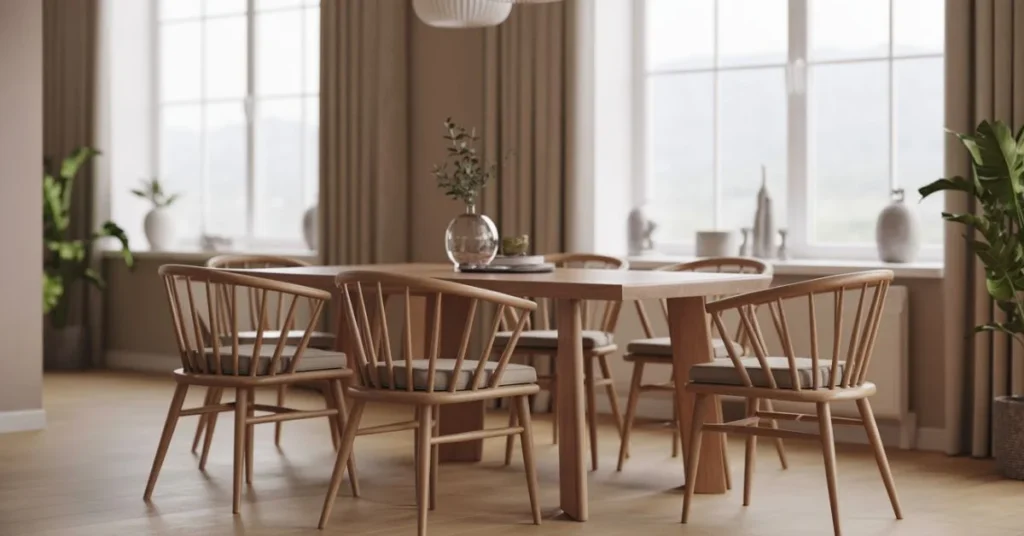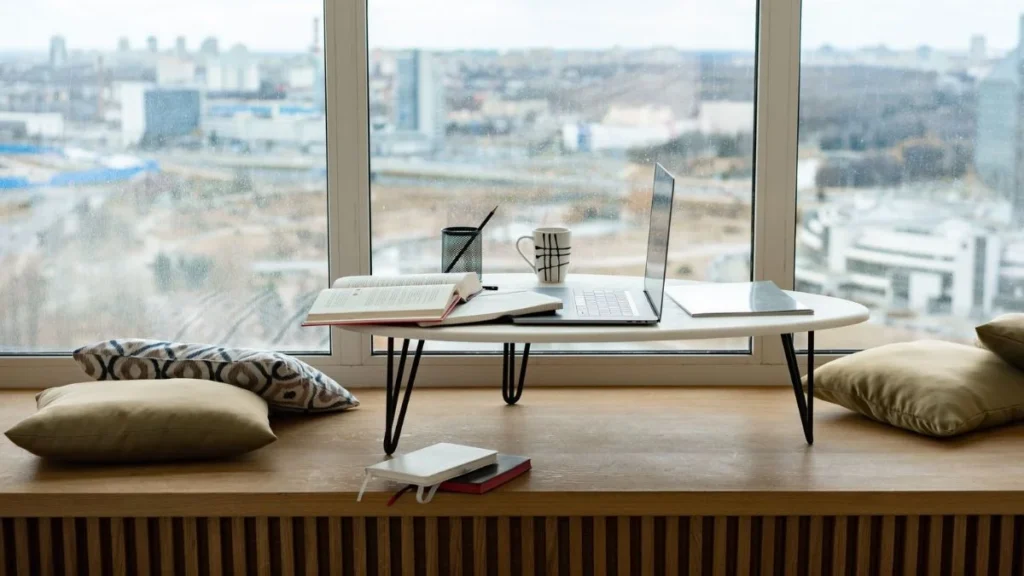
window bench seating shows up again and again in the homes that feel effortlessly put together, rather than staged for a photo.
Most people treat a window as a blank wall with a view attached. That is the mistake. A well-planned window bench turns unused floor space into a reading spot, a breakfast nook, or extra storage without shrinking the room. Below are nine window bench seating ideas pulled from real designer projects, along with the details that make each one look intentional instead of an afterthought.
The Short Version, If You Are Short On Time
- Bay windows and corner nooks are the two spots designers reach for first when planning window bench seating.
- Built-in storage underneath does double duty in kitchens, mudrooms, and small bedrooms.
- Matching the bench to the trim, not the walls, is what separates a designer look from a builder-grade one.
- Thick, tailored cushions in a durable fabric outlast trendy throw pillows by years.
The Bay Window Reading Nook Designers Return To Again
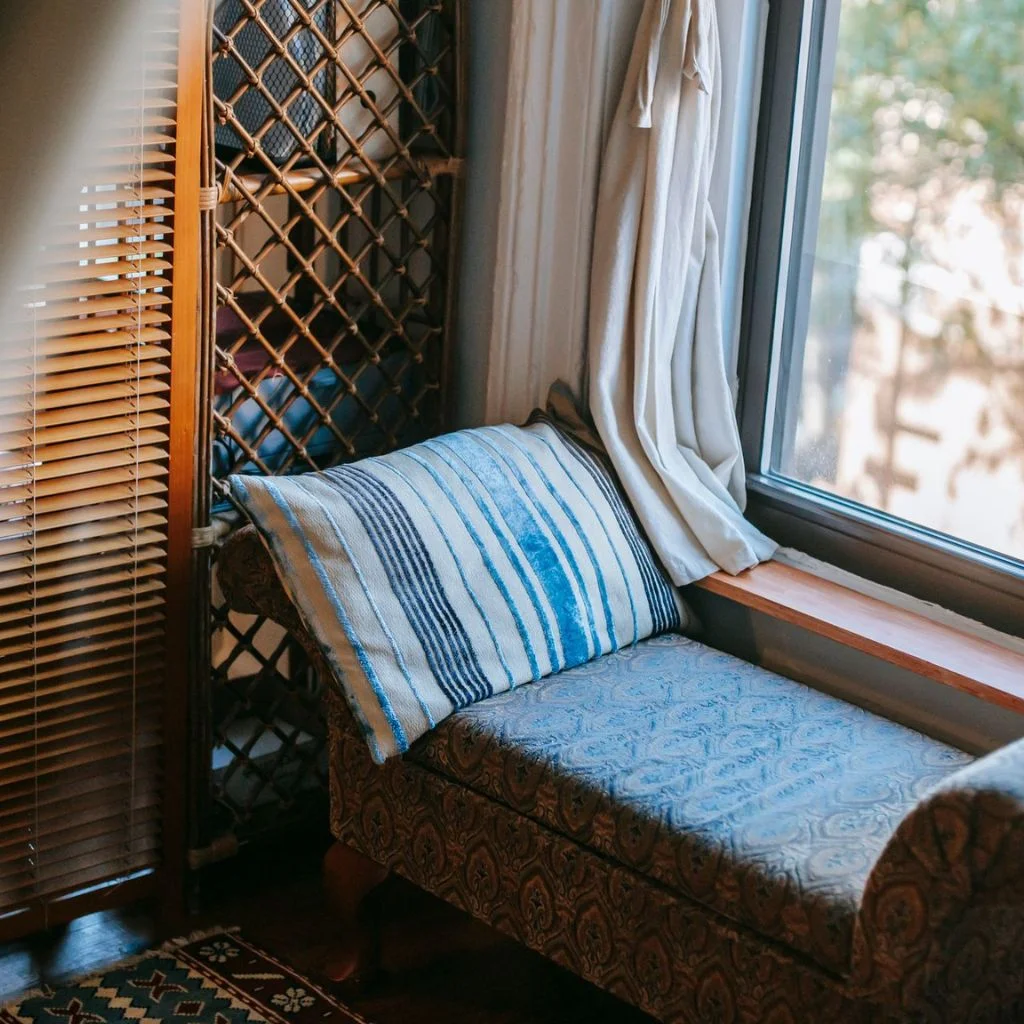
Bay windows are the easiest win in window bench seating, because the architecture has already done the hard part. The recessed shape frames the bench naturally and gives you three sides of light without extra construction.
Designers typically build the bench to the exact width of the bay, then top it with a single continuous cushion rather than three separate pads. One long cushion reads as custom joinery; three small ones read as an afterthought bought off a shelf.
Common mistake to avoid: skipping the welt cord or piping along the cushion edge. It is a small detail, but it is the difference between a bench that looks tailored and one that looks like a mattress topper cut to size.
Built In Storage Beneath A Kitchen Window Bench
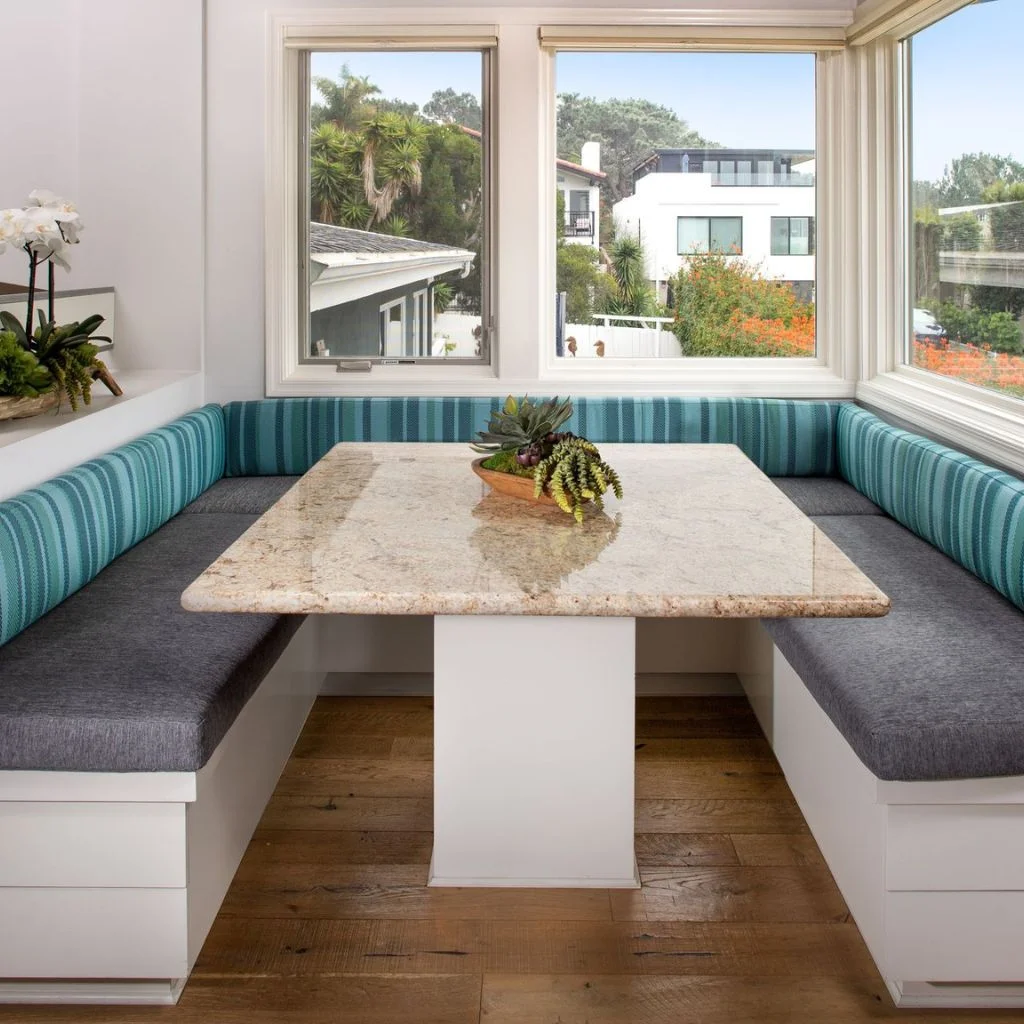
Kitchens rarely have spare space, which is why a window bench with lift-up storage or drawers underneath has become a favourite among designers working with tight floor plans.
The bench seat itself usually hinges at the back, so the cushion stays put while the lid lifts. Inside, it holds table linens, board games, or the seasonal serving dishes that otherwise clutter a cabinet. Drawers on the front face work just as well and are easier for kids to access on their own.
A friend of mine converted a narrow breakfast nook this way last year, and the storage now holds everything her sideboard used to, freeing that piece up for display instead of overflow.
Boxy Upholstered Benches For A Streamlined Look
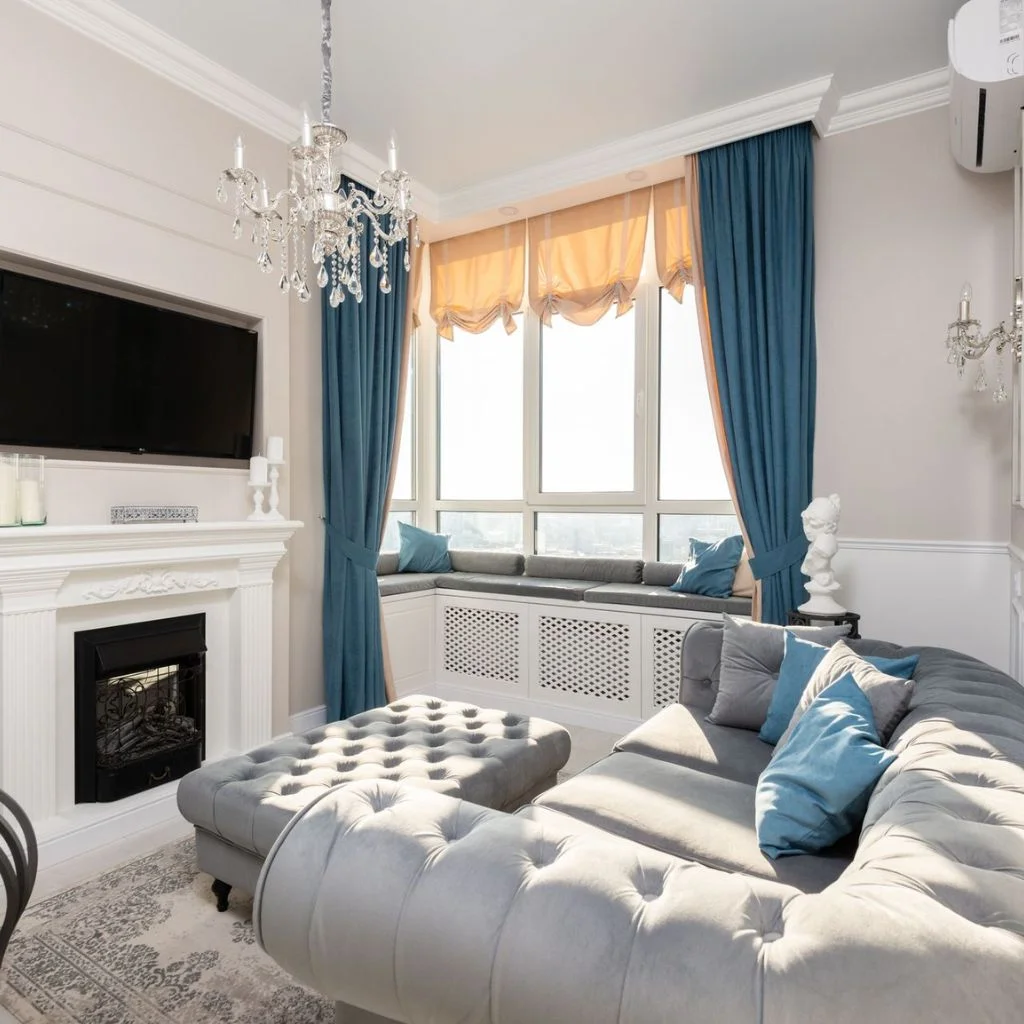
Not every window needs a built-in. A simple upholstered box bench, placed against a flat wall of windows, gives you the same seating without any carpentry.
The trick designers use is keeping the box low and long rather than tall and narrow, so it reads as furniture that belongs, not a piece dragged in from another room. A bench that runs the full width of the window wall looks planned; one that stops short in the middle looks like it was squeezed into a leftover gap.
Wraparound Corner Benches In Awkward Room Shapes
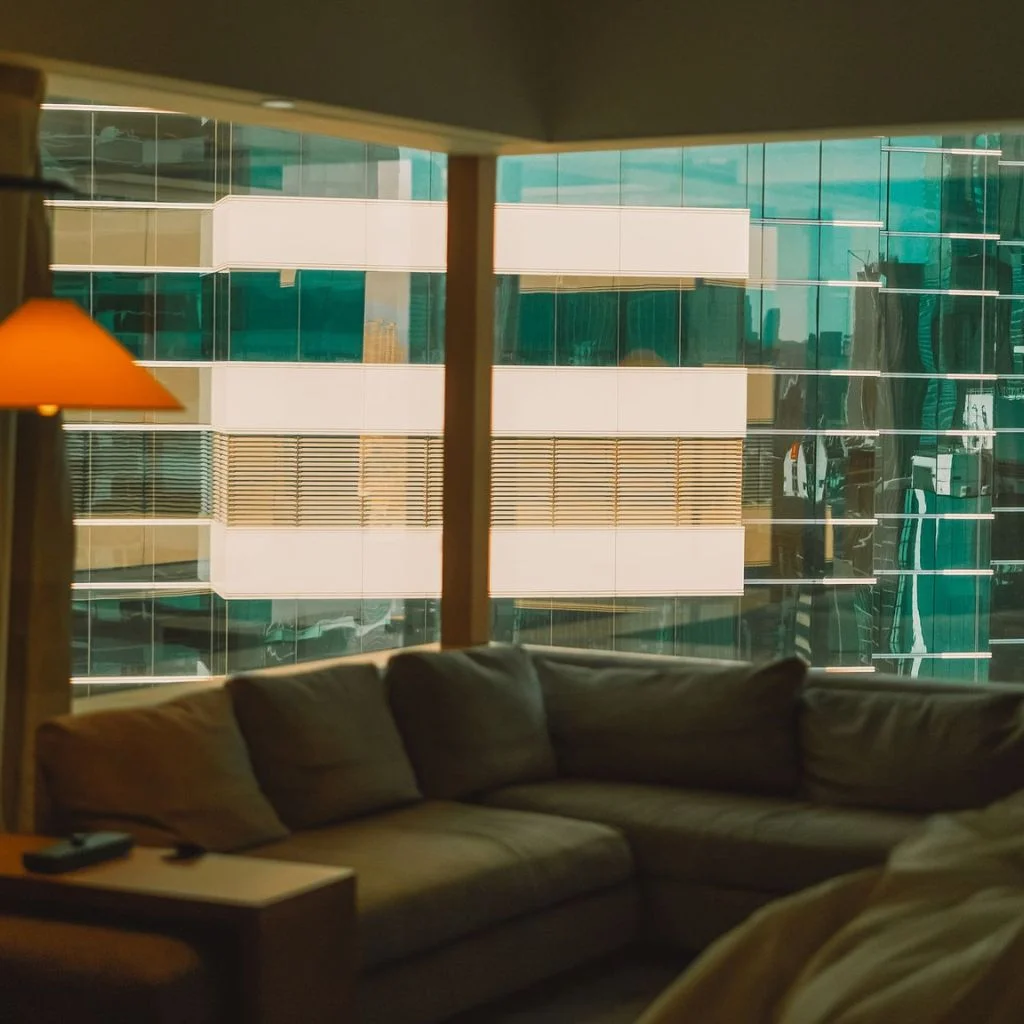
Corner windows are notoriously hard to furnish, and that is precisely where a wraparound bench earns its keep. Building the seating to follow the wall around the corner turns a shape nobody wants into the coziest spot in the house.
Common mistake to avoid: leaving the inside corner joint as a sharp right angle. A rounded or mitred corner cushion sits far more comfortably and avoids the awkward gap where two straight cushions meet.
Farmhouse Style Benches With Turned Legs
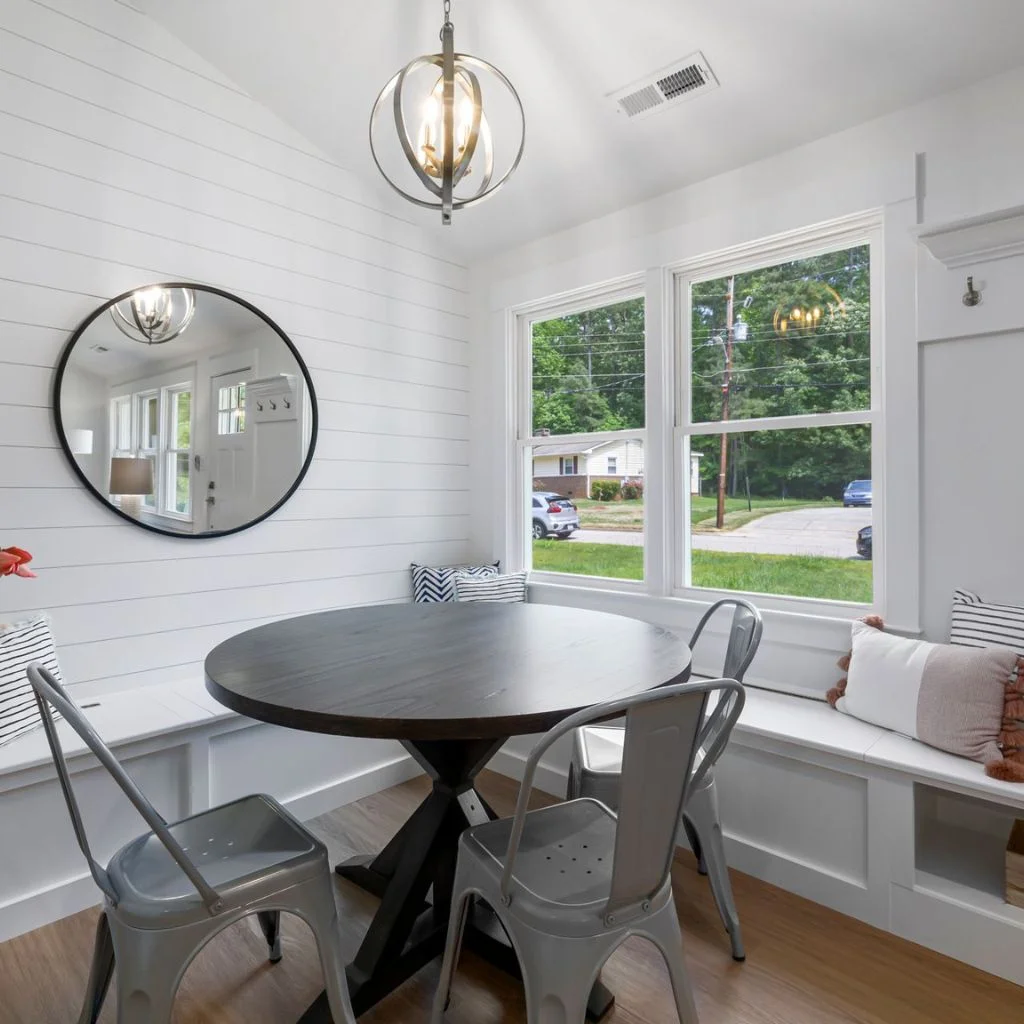
For a softer, more collected look, designers working in farmhouse or cottage interiors often skip the fully built-in bench in favour of a freestanding one with turned wood legs.
This version sits slightly away from the window rather than flush against it, which lets the legs and the wood grain show. It also makes the bench easier to move later if the room’s use ever changes, something a permanent built-in cannot offer.
Velvet Cushions For A Layered Designer Finish
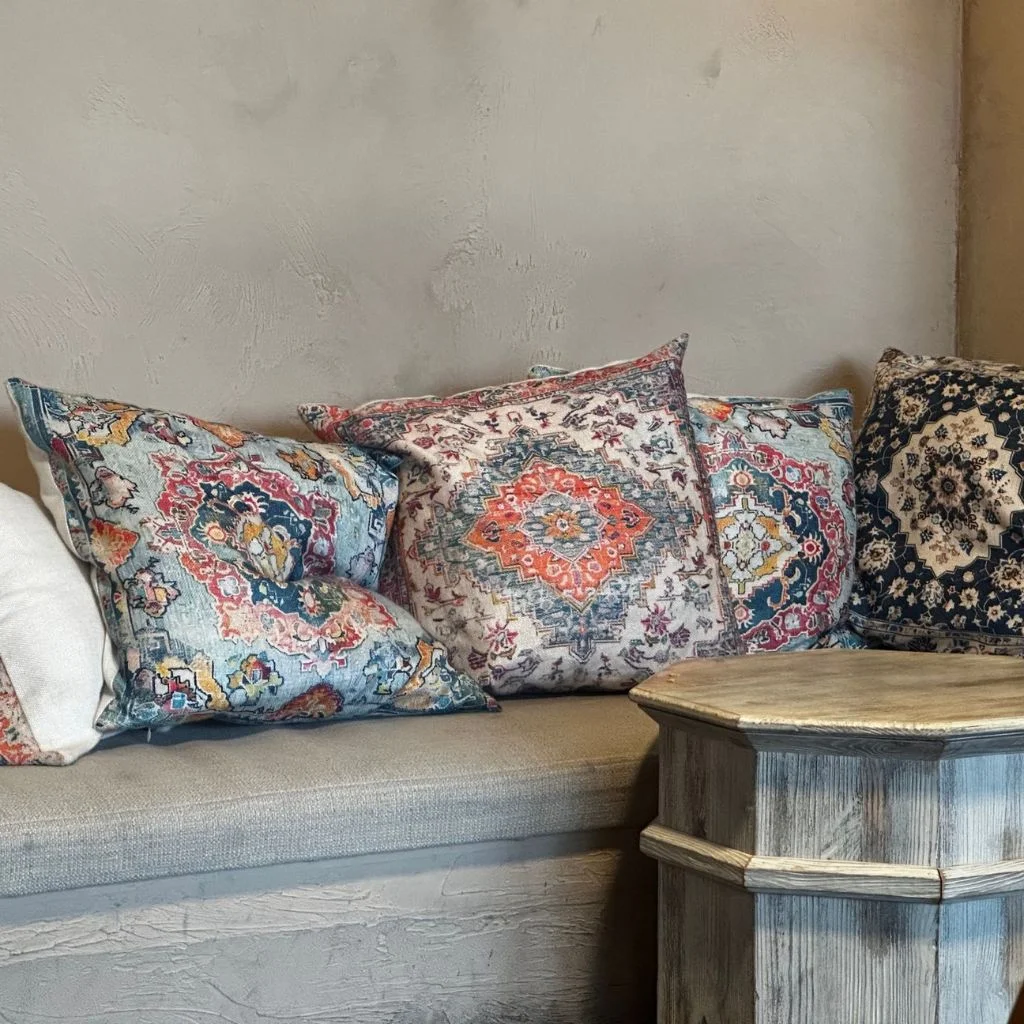
Fabric choice does more work than most people expect. A window bench in linen looks casual and breezy; the same bench in velvet immediately reads as considered and a little formal.
Designers often layer two textures on one bench, a woven base cushion with velvet or mohair throw pillows on top, so the seating has depth instead of looking like a single flat slab.
My honest take: velvet is worth the higher price tag in a formal living room or primary bedroom, but I would stick with a performance woven fabric anywhere kids, pets, or daily breakfast crumbs are involved.
Low Profile Benches Beneath Wide Picture Windows
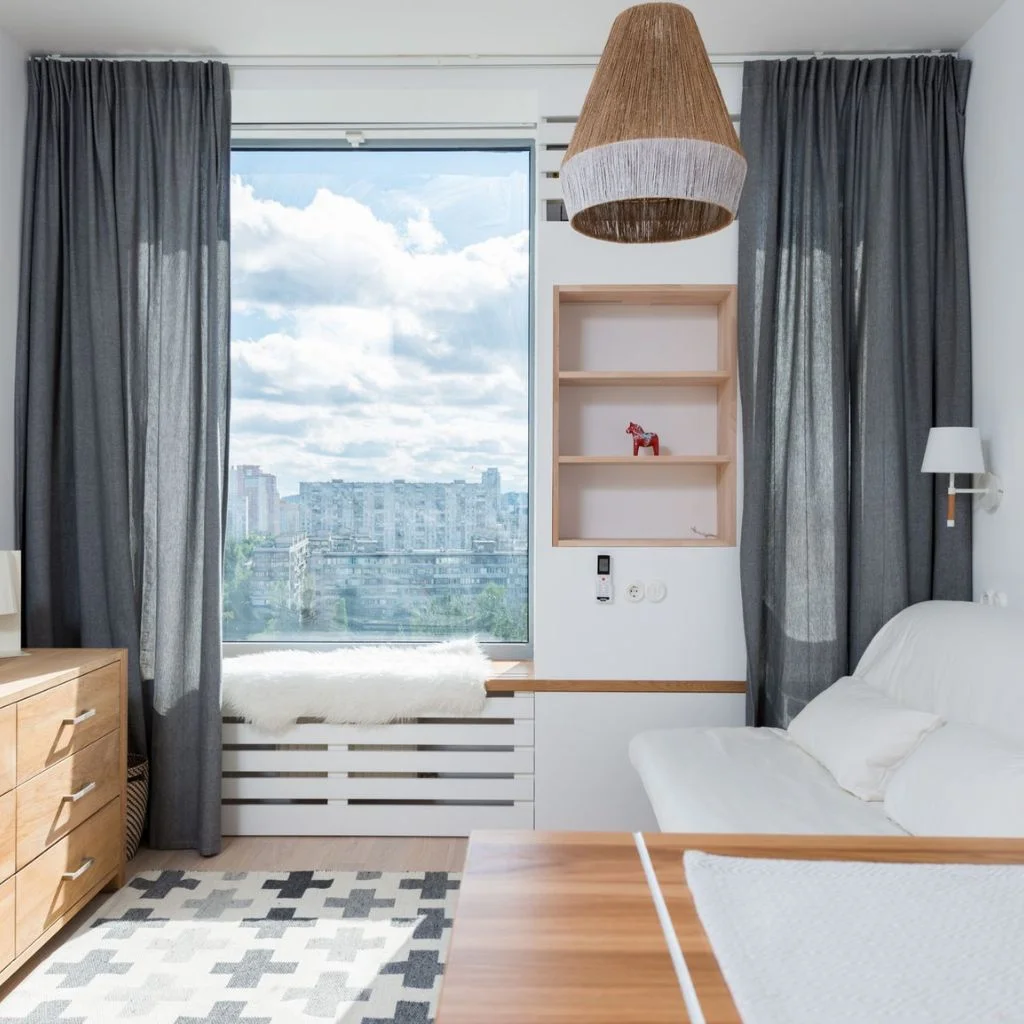
Wide picture windows do not always suit a tall bench, since it can visually cut the glass in half. Designers usually drop the seat height a few inches lower than standard bench height here, keeping the sightline to the window as open as possible.
A slimmer profile also works better under windows positioned closer to the floor, which is common in older homes and bungalows where the window trim starts lower than modern builds.
Two Tone Benches That Match The Trim Not The Walls
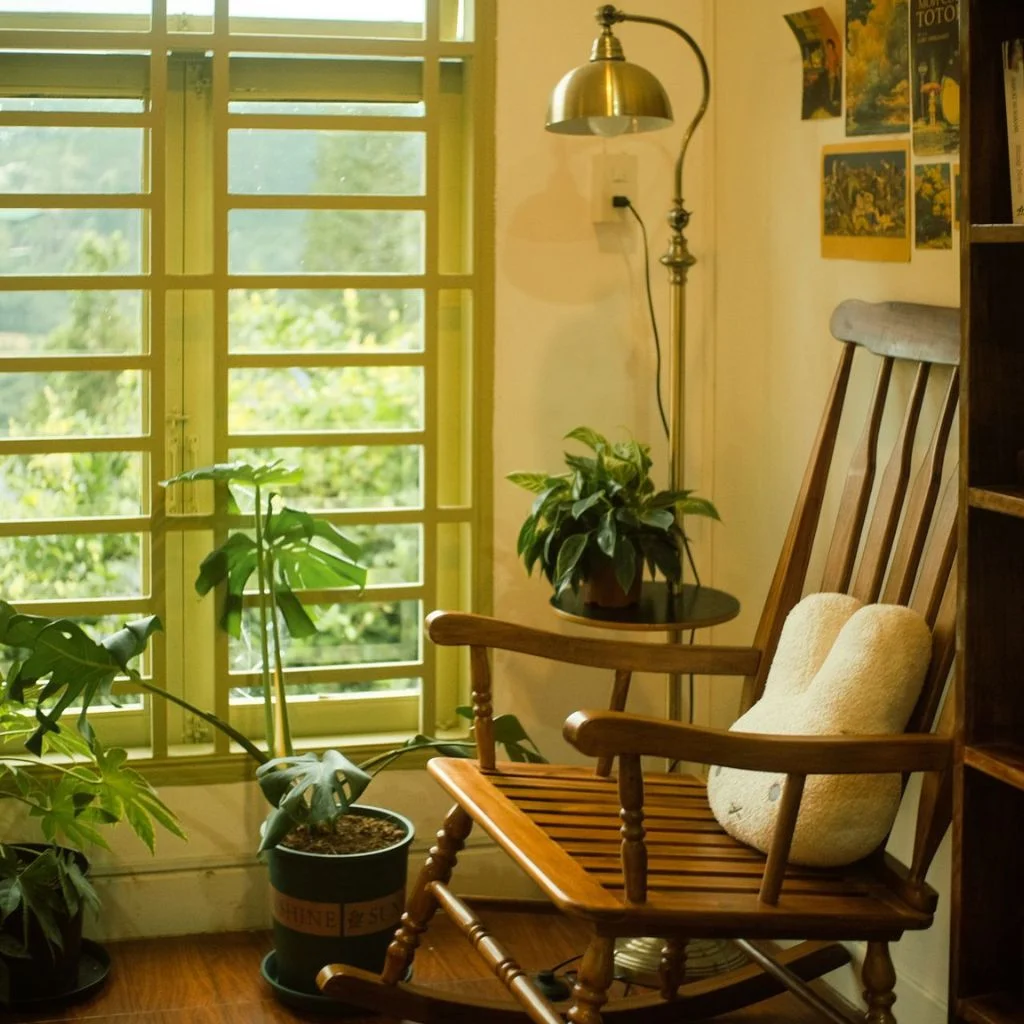
One habit shows up in almost every designer project: the bench is painted or stained to match the window trim and mouldings, not the wall colour behind it.
This single choice makes the bench look like it was built as part of the room’s architecture rather than added afterward. It is a small decision with an outsized effect, and it costs nothing extra beyond choosing the right paint can.
Dedicated Window Benches In Primary Bedrooms
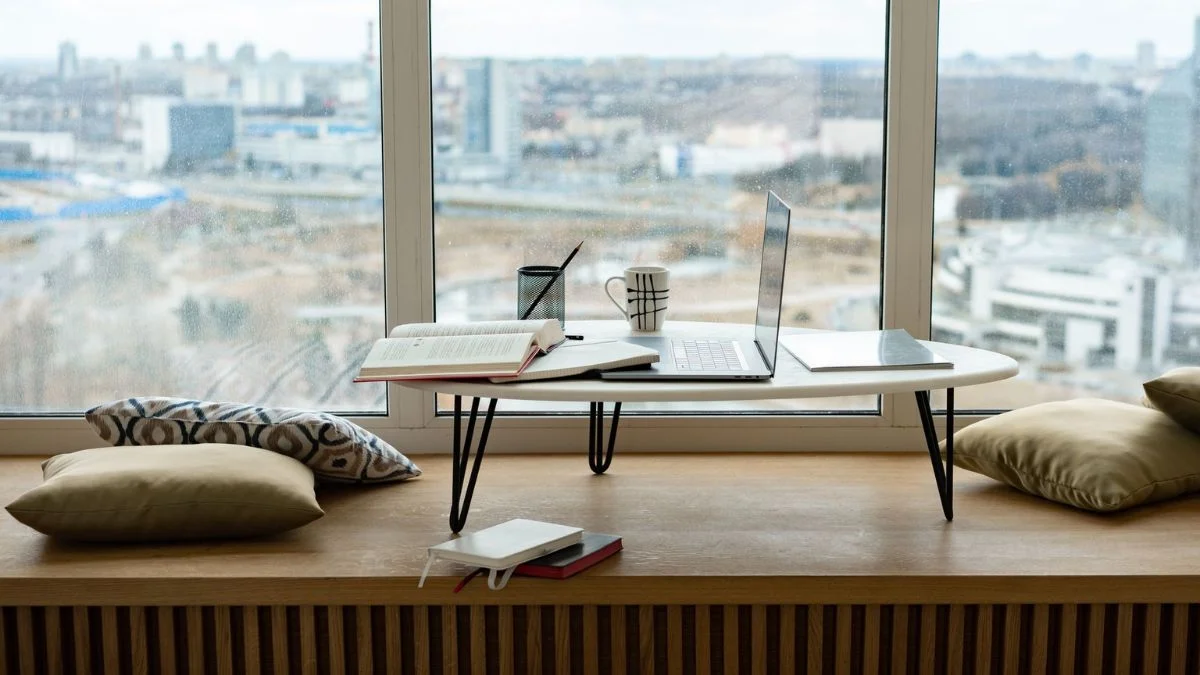
A window bench in the primary bedroom has become one of the most requested features in new designer projects, usually placed at the foot of the bed or under a secondary window away from the headboard wall.
It gives a spot to set out clothes, read before bed, or simply sit with morning coffee, without needing a full armchair that competes with the bed for visual space. Adding a small round side table next to it completes the look without crowding the corner.
The Corner You Have Been Walking Past
Every one of these window bench seating ideas starts with the same observation: the space under a window is rarely being used well. Whether you build in storage, wrap a corner, or simply pick the right fabric, the goal is the same, a seat that looks like it was always meant to be there.
Ready to plan your own? Save this article to your home décor Pinterest board so you have every idea in one place when you are ready to start measuring.
Also Read About: Clever IKEA Coffee Bar Hacks Nobody Talks About.