Fake plant styling tricks separate a display that reads as obviously plastic from one that fools even the fussiest plant parent. Most faux greenery disasters come down to a handful of small choices nobody thinks twice about: the texture of the leaves, the pot it sits in, and how much attention it gets after the box is unpacked. Get those details right and nobody will ever guess your fiddle leaf fig has never seen a drop of water.
I’ve swapped out more sad-looking fake ferns than I can count, and the difference between a convincing one and an obvious one rarely comes down to price. It comes down to technique.
Interior stylists have quietly relied on the same handful of tricks for years, from the way a pot is chosen to how often a leaf gets dusted. None of them require special tools, and most take less than ten minutes to apply to a display already sitting in a living room or hallway.
Fake Plant Styling Tricks Begin With Texture Not Price

Every convincing display starts at the leaf itself, not the price tag. Matte, slightly uneven leaves with visible vein detail read as real far more often than glossy, uniform plastic.
Run a thumb across the foliage before buying. If every leaf feels identical to the next, the plant will look mass-produced no matter how it’s styled.
Look for variegation, slightly curled edges, and a mix of leaf sizes on the same stem, since real plants never grow with perfect uniformity.
Why this works: the eye picks up on repetition faster than almost anything else. A leaf mould reused fifty times across one stem creates a visual pattern that reads as manufactured, even at a glance from across the room.
Real Ceramic Pots Do Most of the Convincing

Swapping the flimsy plastic nursery pot for something with weight and texture instantly changes how a fake plant reads. A heavy ceramic, concrete, or woven rattan container signals quality before anyone even looks at the leaves.
Terracotta works particularly well because its slightly rough, porous surface looks lived-in rather than brand new.
Avoid glossy, perfectly glazed pots for anything meant to look natural. That high shine draws the eye and makes the whole arrangement feel staged.
Of all the fake plant styling tricks on this list, swapping the pot is usually the quickest and cheapest to try first.
Why this works: a container carries visual weight in a room long before anyone registers the plant sitting inside it. Charity shops and homeware sales are often the best source for a heavy, characterful pot without paying full price.
Height Variation Makes an Arrangement Look Grown Not Placed
Instagram / mycityplants
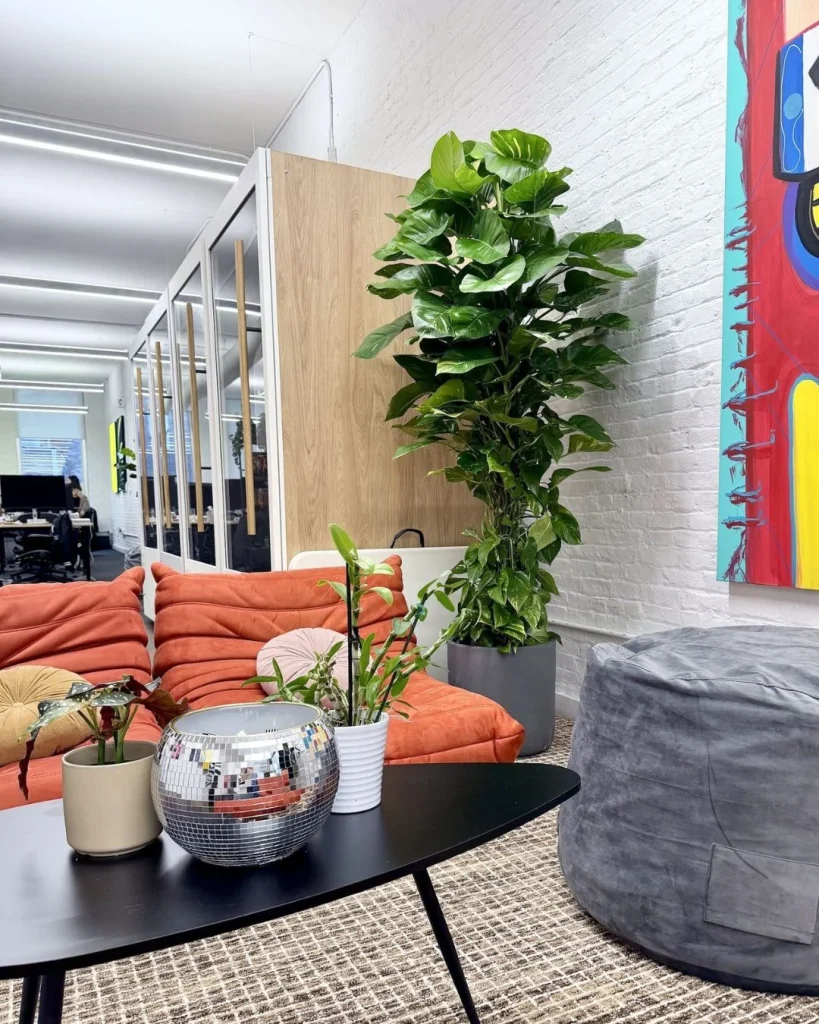
Real plants never arrive in matching heights, so a row of identical fake stems is one of the fastest ways to break the illusion. Mixing tall, medium, and trailing pieces in the same corner mimics how greenery grows over time.
Anchor a space with one taller piece, such as a fake fiddle leaf fig or olive tree, then layer smaller pots and a trailing vine around its base.
This kind of staggered height also does more visual work in a room, filling awkward corners and softening hard architectural lines without a single real leaf.
Why this works: nature rarely produces a flat, level line of growth. Uneven heights mimic the way plants compete for light and space in a real garden or windowsill, which is exactly the kind of imperfection that reads as authentic.
Does Dust Give Away Every Fake Plant?
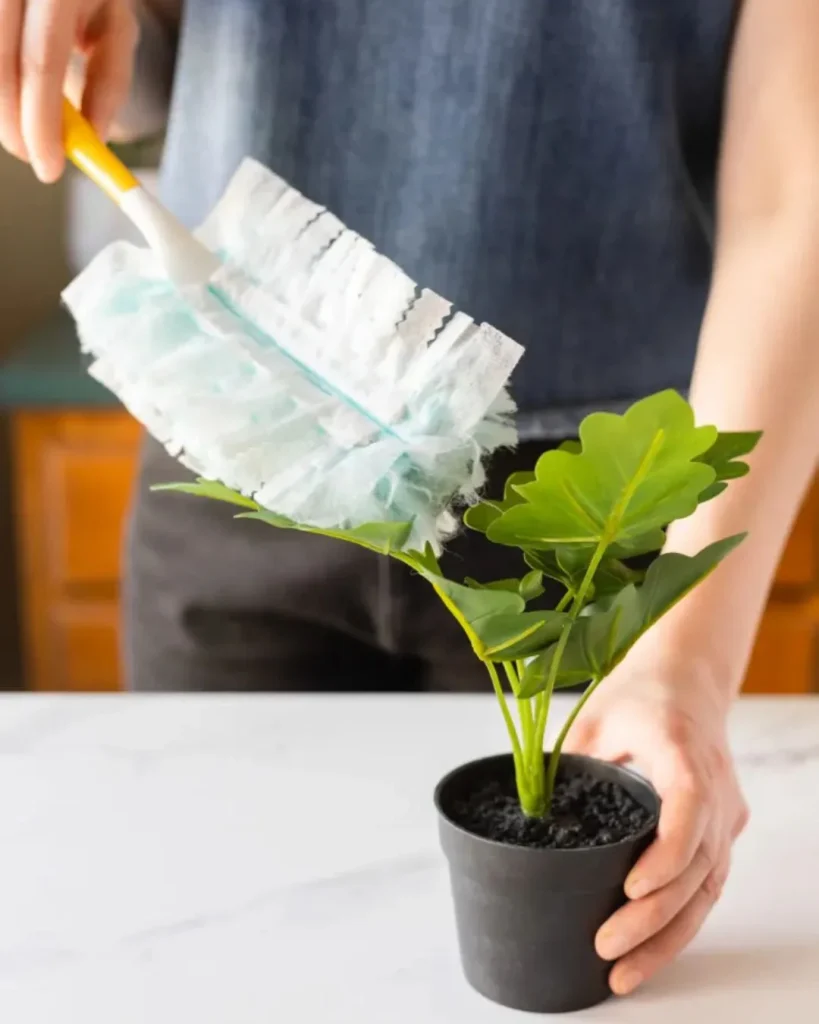
Photo Credit: apartmenttherapy.com
Almost every unconvincing fake plant has one thing in common: a visible layer of dust sitting flat across the leaves. Real foliage never collects dust that evenly, because wind, watering, and growth constantly disturb it.
A quick wipe with a damp microfibre cloth once a month keeps leaves looking glossy rather than chalky.
For plants with tricky, textured leaves, a soft-bristled makeup brush or a blast of cool air from a hairdryer clears dust from crevices a cloth can’t reach.
Why this works: dust settles evenly because fake leaves never move, whereas real foliage is constantly disturbed by air currents, watering, and new growth. That unnatural evenness is often the very first thing a visitor notices, even before they consciously register why something looks off.
Odd Number Groupings Read as Natural Clusters
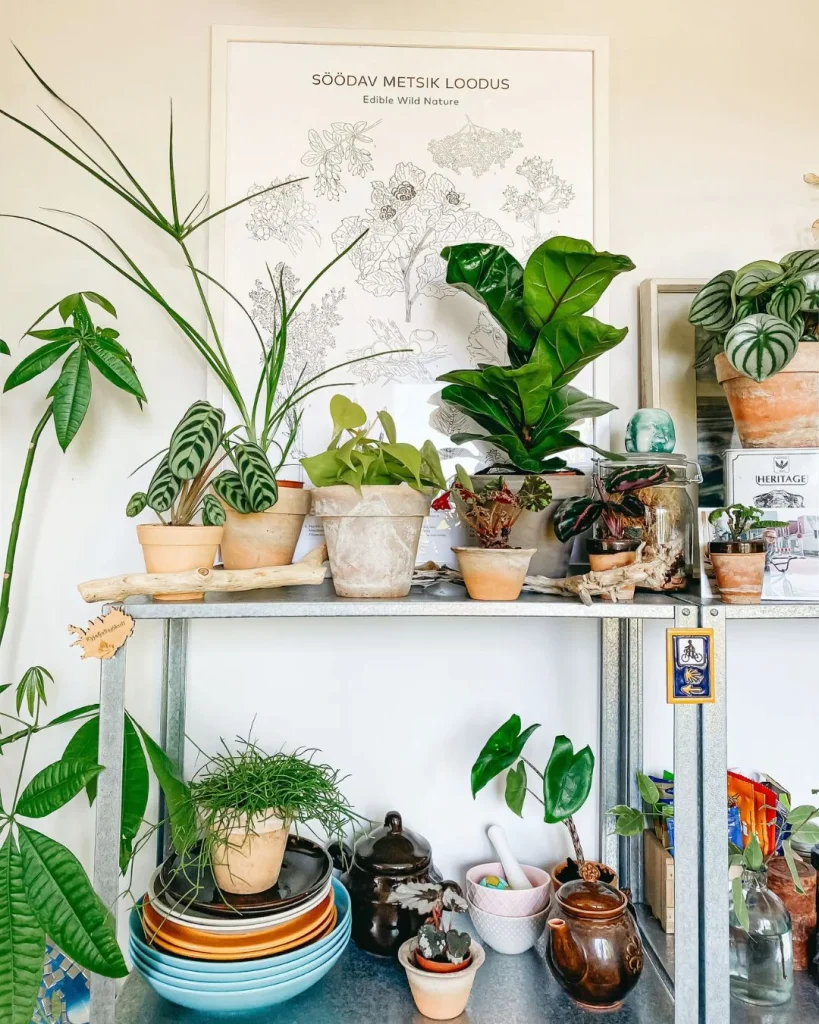
Interior stylists lean on the rule of three for a reason. Odd-numbered groupings of one, three, or five plants create a rhythm the eye reads as organic, while even numbers tend to look deliberately arranged.
Combine varying pot sizes and plant types within the cluster rather than repeating the same one three times over.
A tall palm, a mid-height fern, and a small trailing pothos grouped together will always look more convincing than three identical ferns lined up in a row. This is one of the simplest fake plant styling tricks to apply to a shelf that already feels a little flat.
Why this works: the human brain is wired to spot patterns, and a trio of near-identical objects reads instantly as staged. Variation within a small grouping breaks that pattern recognition and lets the eye settle on the arrangement rather than picking apart each piece.
Moss and Soil Toppers Hide the Giveaway Base
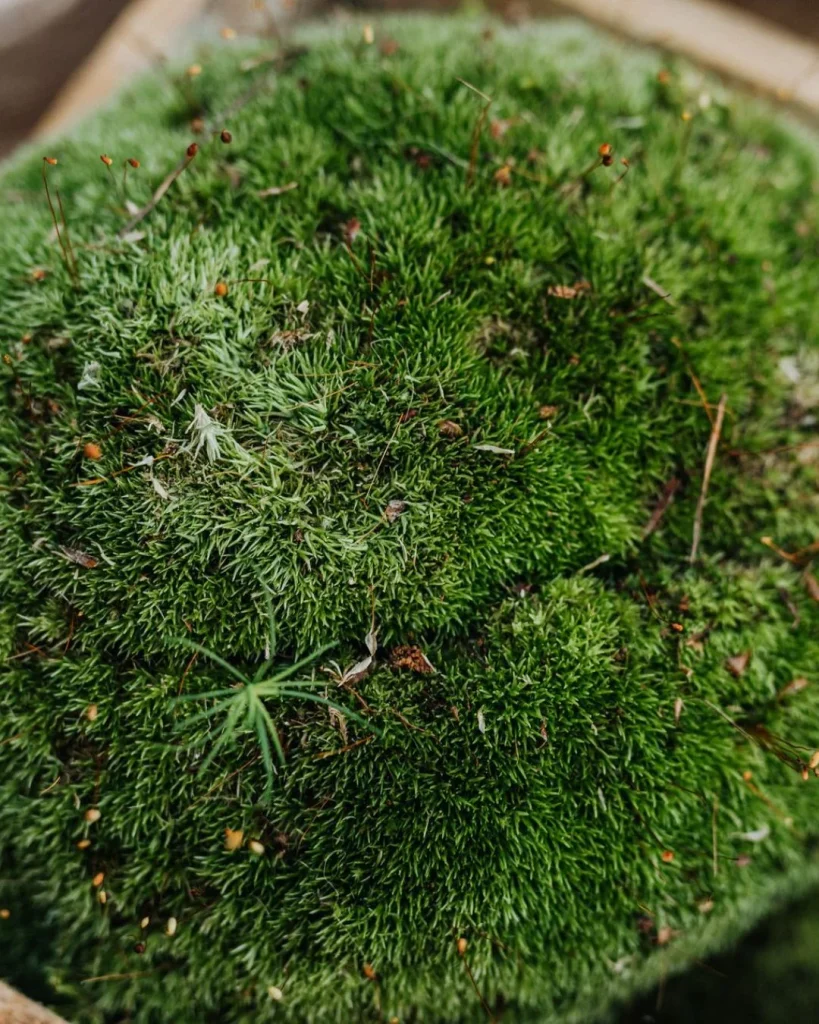
The base of a fake plant is often the weakest link, especially when the foam block used to secure the stems is left visible. A layer of sheet moss or faux soil across the top instantly solves this.
Preserved moss is inexpensive, widely available, and can be tucked around the stem base in seconds with no glue required.
This single step does more for realism than almost any other trick on this list, since it’s usually the first place a close-up glance lands.
Why this works: most people don’t examine leaves closely, but they do glance down at the base of a pot when they walk past it. Hiding the mechanical parts of the arrangement closes off the one angle most likely to break the illusion.
Placing Arrangements Near Windows Makes Leaves Look Sun-Fed
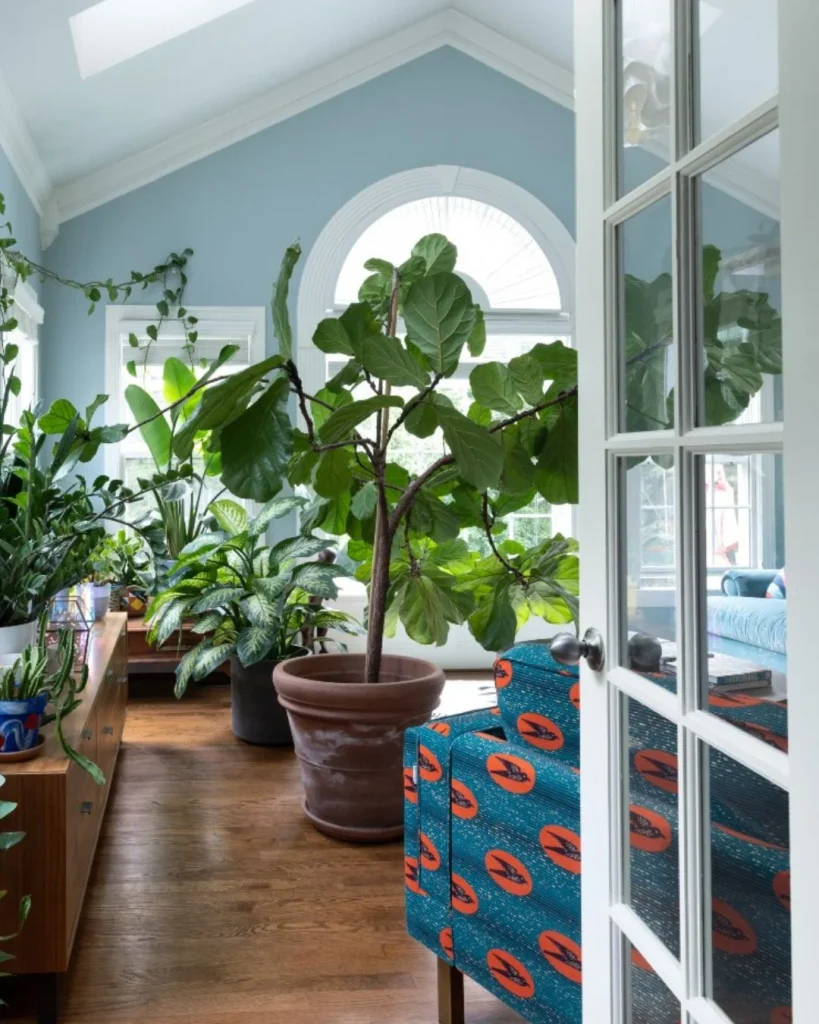
Instagram / veluxusa
Positioning matters just as much as the plant itself. Setting a faux arrangement near a window, under a skylight, or beside a lamp mimics the way real plants lean and thrive in natural light.
A fake plant tucked into a dark, windowless corner can look oddly out of place, since most people subconsciously expect greenery to sit where light reaches.
This doesn’t mean every plant needs direct sun, since fake foliage obviously doesn’t fade, but placement near a believable light source removes one more subtle clue, and it’s one of the few fake plant styling tricks that costs absolutely nothing.
Why this works: context shapes perception more than the object itself. A plant sitting in a shadowy corner with no logical light source quietly signals that something about the scene doesn’t add up, even to someone who couldn’t explain why.
One Real Plant Changes How Believable Everything Else Looks
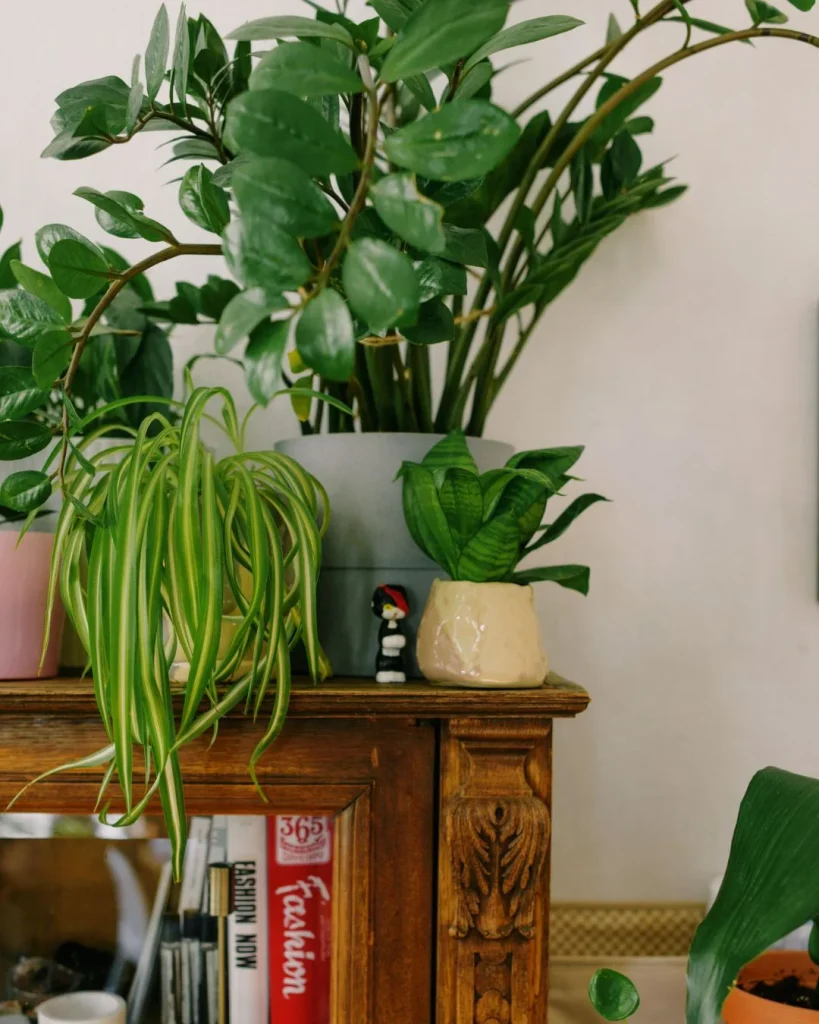
Mixing in a single low-maintenance real plant, such as a pothos or snake plant, does more for realism than almost any styling trick. The human eye compares, and a genuine plant nearby sets a benchmark that makes the faux pieces around it read as equally real.
Choose a real plant that’s easy to keep alive, since a dying real plant next to a thriving fake one defeats the entire purpose.
This is a favourite trick among stylists working on rental properties or offices, where a full real-plant collection isn’t practical to maintain.
Why this works: a single living plant gives the room a reference point. Once a viewer accepts that one plant is genuinely growing there, they tend to extend that same benefit of the doubt to everything styled around it.
Fluffing and Trimming Like the Plant Actually Grew
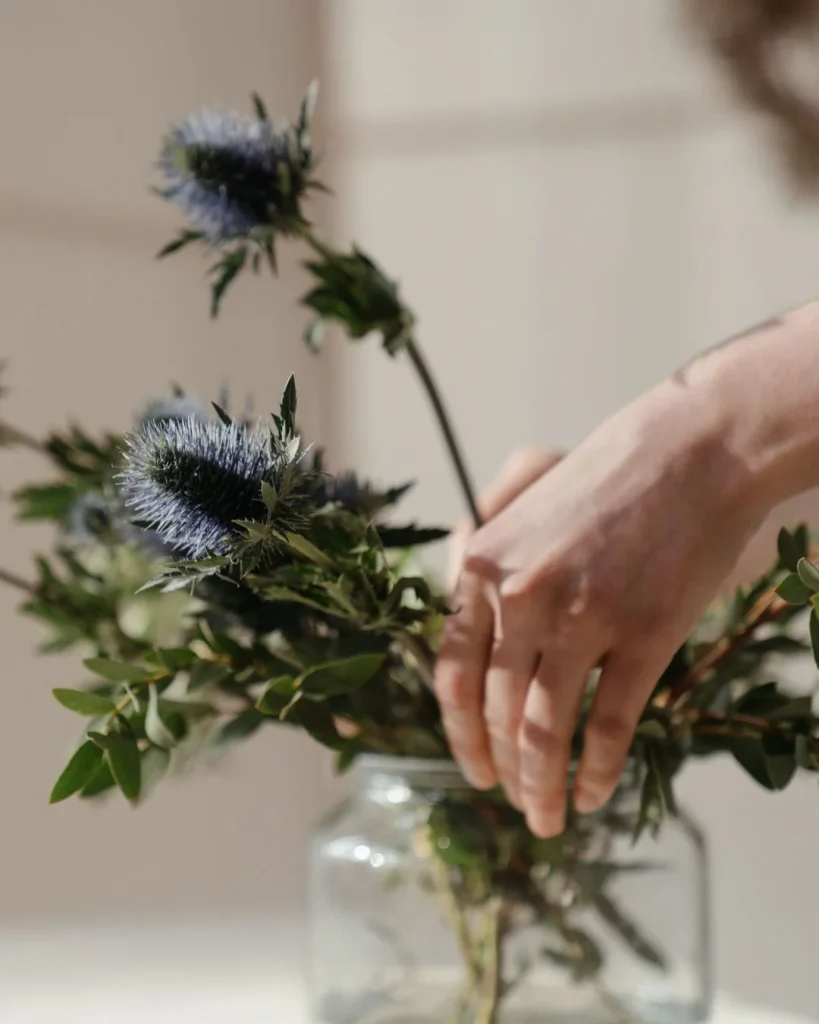
Fake plants almost always arrive tightly packed from shipping, leaving stems creased and leaves pointing in unnatural directions. Bending, twisting, and separating each stem by hand before styling makes an enormous difference.
Trim away any leaves that look overly uniform or repetitive, especially on budget pieces where the same leaf mould is used dozens of times per stem.
Spend five minutes reshaping branches so they fall asymmetrically, the same way growth would naturally push a real plant off-centre.
Why this works: shipping and storage flatten a plant into a shape no real stem would ever hold. Undoing that compression before styling removes the single most obvious sign that a plant came straight out of a box.
Common Mistake to Avoid: Perfect Symmetry Looks Fake
The most common mistake with fake plant styling tricks is treating the arrangement like a showroom display rather than something that grew on its own. Perfectly centred stems, evenly spaced leaves, and matching pairs are the quickest way to signal “artificial” from across a room.
Real growth is asymmetrical, slightly messy, and leans toward whichever direction gets the most light.
Loosen up the arrangement, angle a few stems away from centre, and resist the urge to trim every leaf into a tidy, matching shape.
Why this works: perfection is the one quality nature almost never produces. Letting an arrangement look slightly undone, rather than catalogue-perfect, is often the single biggest shift between a display that reads as fake and one that doesn’t.
The Details Are the Whole Trick
Getting fake plant styling tricks right rarely comes down to spending more. It comes down to texture, grouping, placement, and a small amount of ongoing care that most people skip entirely.
Style with the same attention a real plant would demand, and even a trained eye will struggle to spot the difference.
Start with just one corner of the house rather than overhauling every room at once. A single well-styled arrangement, dusted and reshaped properly, teaches the eye what to look for everywhere else.
Also Read About : The Best Plants Suitable for Ceiling Hanging That Actually Thrive Indoors.