Hand painted accent wall can completely shift the energy of a room — without a single piece of new furniture. Whether you’re working with a blank rental wall or a space that’s just lost its spark, the right pattern transforms four flat metres of paint into something that feels genuinely designed. From subtle tone-on-tone washes to bold repeating geometry, hand painted accent wall ideas span every aesthetic, skill level, and budget.
This guide covers the most striking and achievable patterns homeowners are choosing right now. Each one delivers real visual impact and can be executed with basic tools, a steady hand, and the right preparation.
1. Geometric Diamond Grid
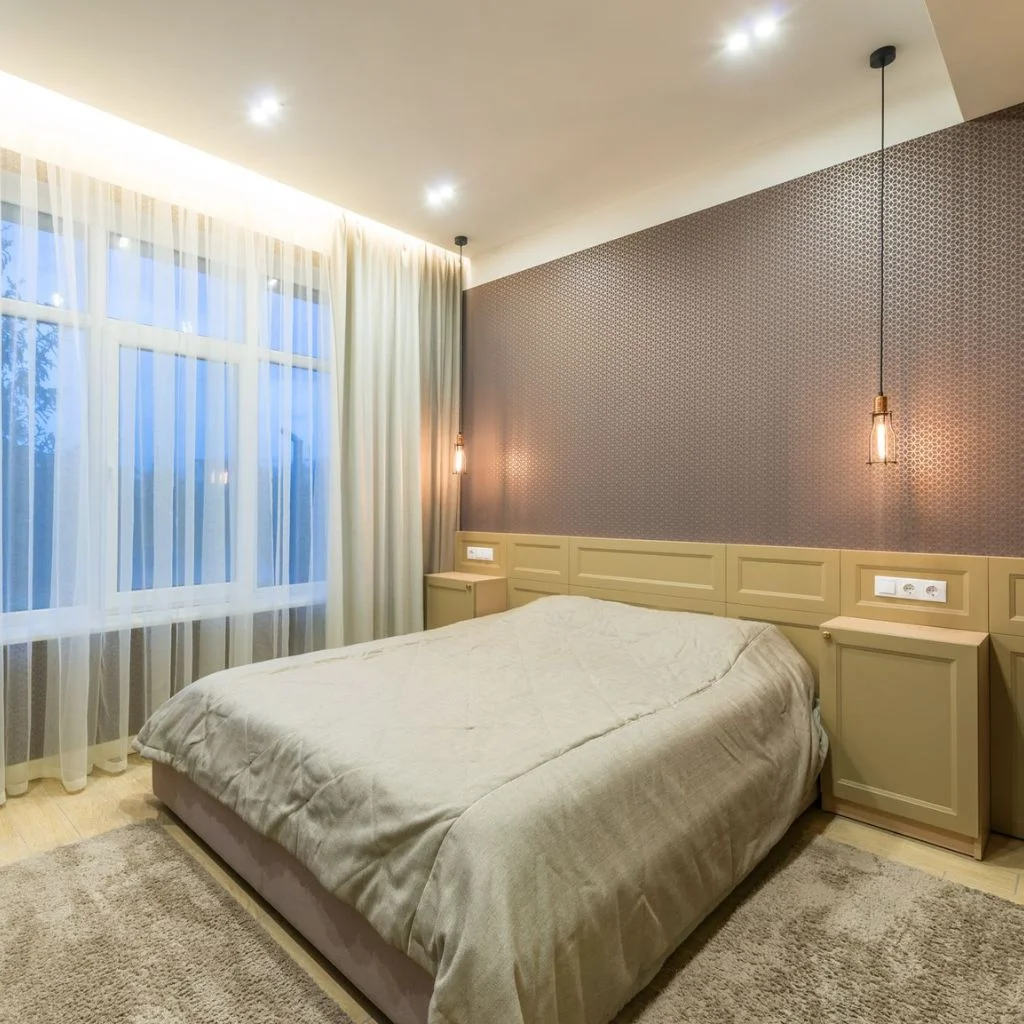
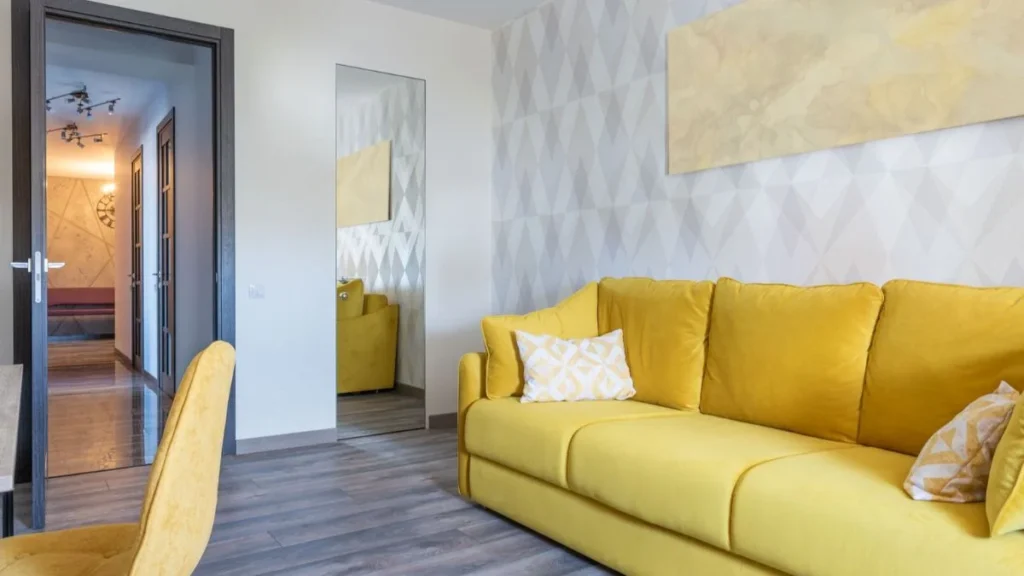
A diamond grid is one of the most searched hand painted accent wall patterns for good reason. The repeating shape creates structure and energy without overpowering a room. Tape out the pattern with painter’s tape using a level and chalk line, then fill alternating diamonds with a complementary or contrasting colour.
This pattern works especially well on bedroom feature walls behind the headboard, or in dining rooms where the geometry reads as intentional and elevated. Deep jewel tones like navy, hunter green, or dusty plum against a neutral base are a consistently strong combination.
Pro Tip: Remove tape while the paint is still slightly tacky for the cleanest lines without peeling.
2. Colour Block Panels
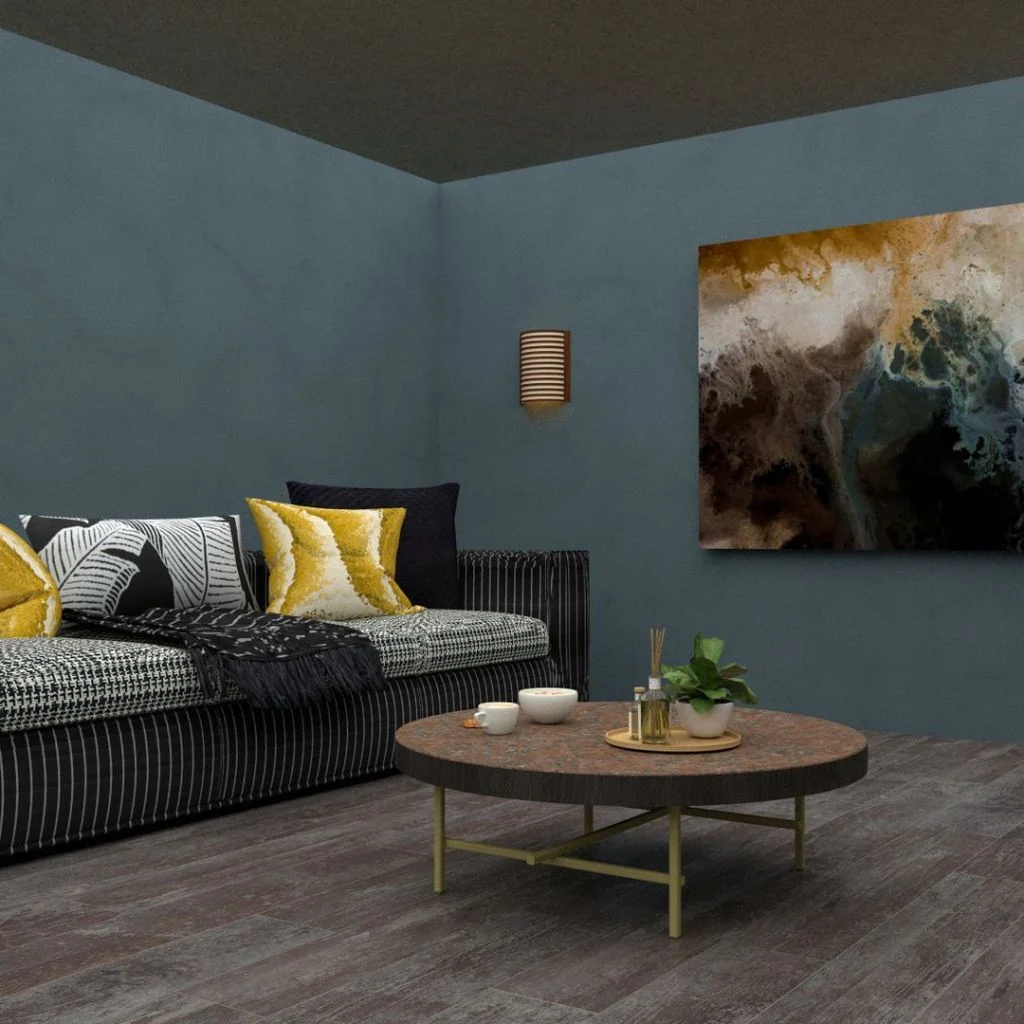
Colour blocking takes the hand painted accent wall concept and simplifies it into bold, clean-edged sections of contrasting colour. This approach is high impact and surprisingly forgiving to execute — you’re essentially painting large rectangles in adjacent hues.
The key is selecting colours that share undertones, so they feel cohesive rather than chaotic. An earthy terracotta beside a warm sand, or a cool sage next to a muted teal, creates a palette that reads as curated. This pattern suits contemporary and Scandinavian interiors particularly well and photographs beautifully for social content.
Skill Level: Beginner. No pattern-making required — just straight lines and good taping.
3. Vertical Stripe Stack
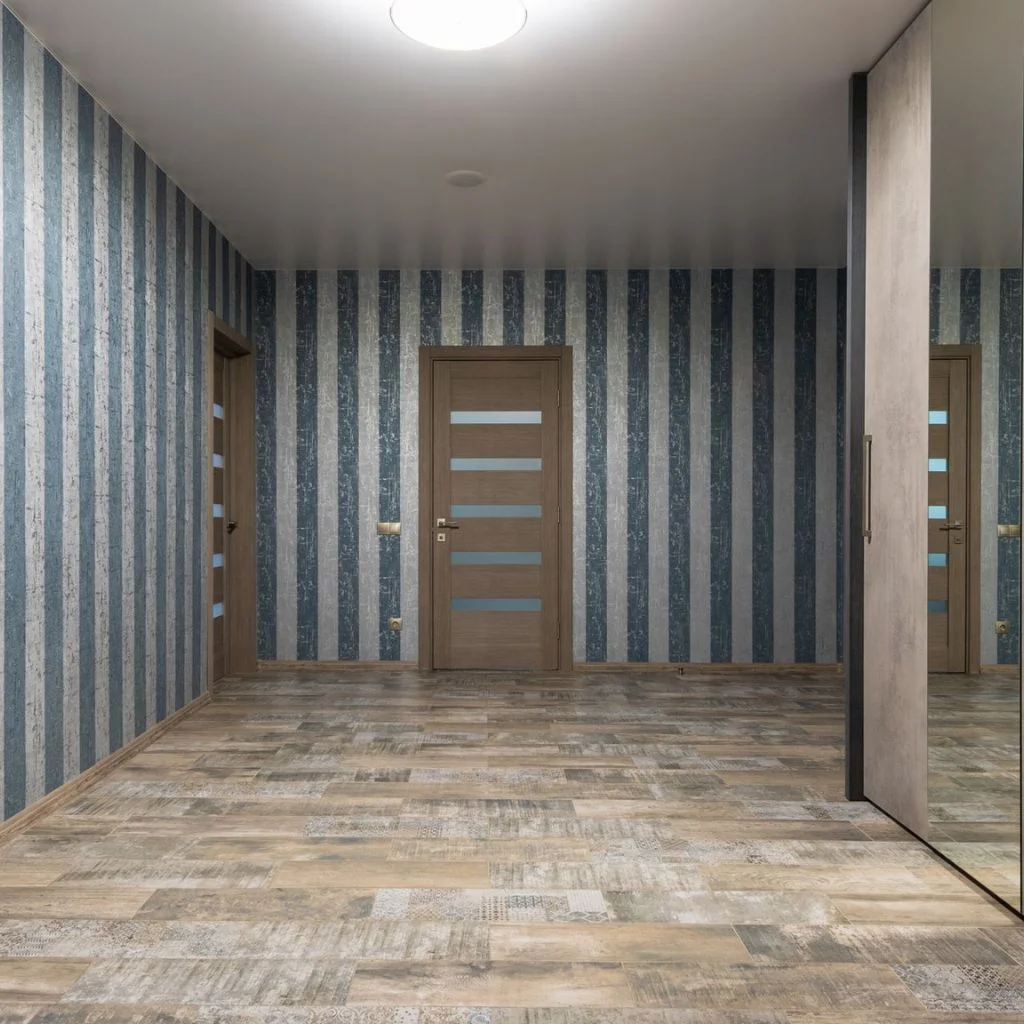
Vertical stripes are a classic hand painted accent wall choice because they elongate the perceived height of a room. Narrow, evenly spaced stripes in two tones of the same colour create a sophisticated, tailored finish that doesn’t shout for attention but absolutely commands it.
For more drama, alternate between a matte and satin finish in the same paint colour. The light catches each stripe differently, giving texture without adding a second hue. This approach works exceptionally well in hallways, powder rooms, and home offices where the wall is a feature but the space is narrow.
Width Guide: 4–6 inch stripes suit smaller walls. 8–10 inch stripes work better on wider feature walls.
4. Abstract Brushstroke Mural
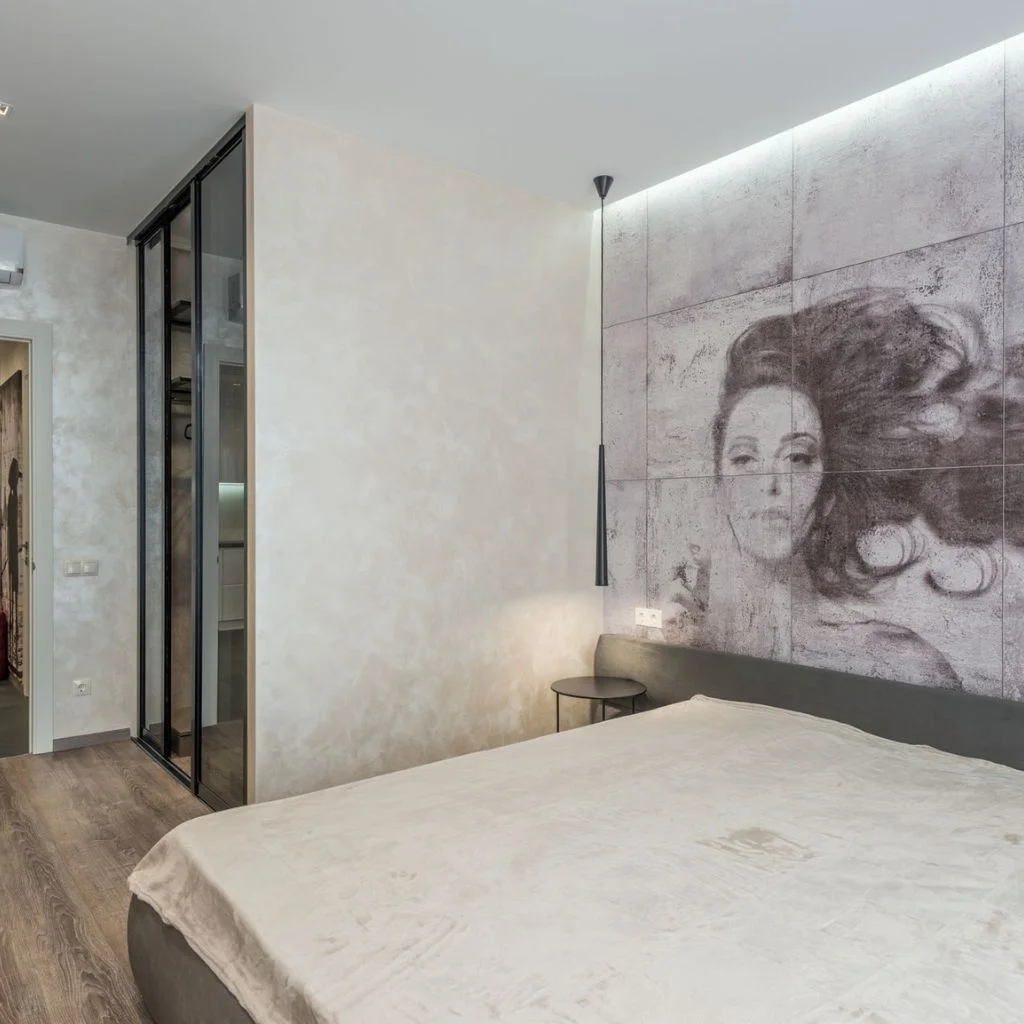
An abstract brushstroke mural is the most expressive option on this list and the one that gives your hand painted accent wall a genuine art-gallery feel. Large, sweeping strokes in 2–3 complementary colours create a dynamic composition that looks intentional without needing to be precise.
Wide decorating brushes, sea sponges, and even crumpled cloth all make excellent tools for this style. Work quickly with wet-on-wet technique to blend at the edges, and don’t overwork the strokes — the spontaneity is what makes this pattern read as artistic rather than messy.
Best Rooms: Bedroom behind the bed, living room statement wall, or nursery feature wall.
5. Arched Scallop Pattern
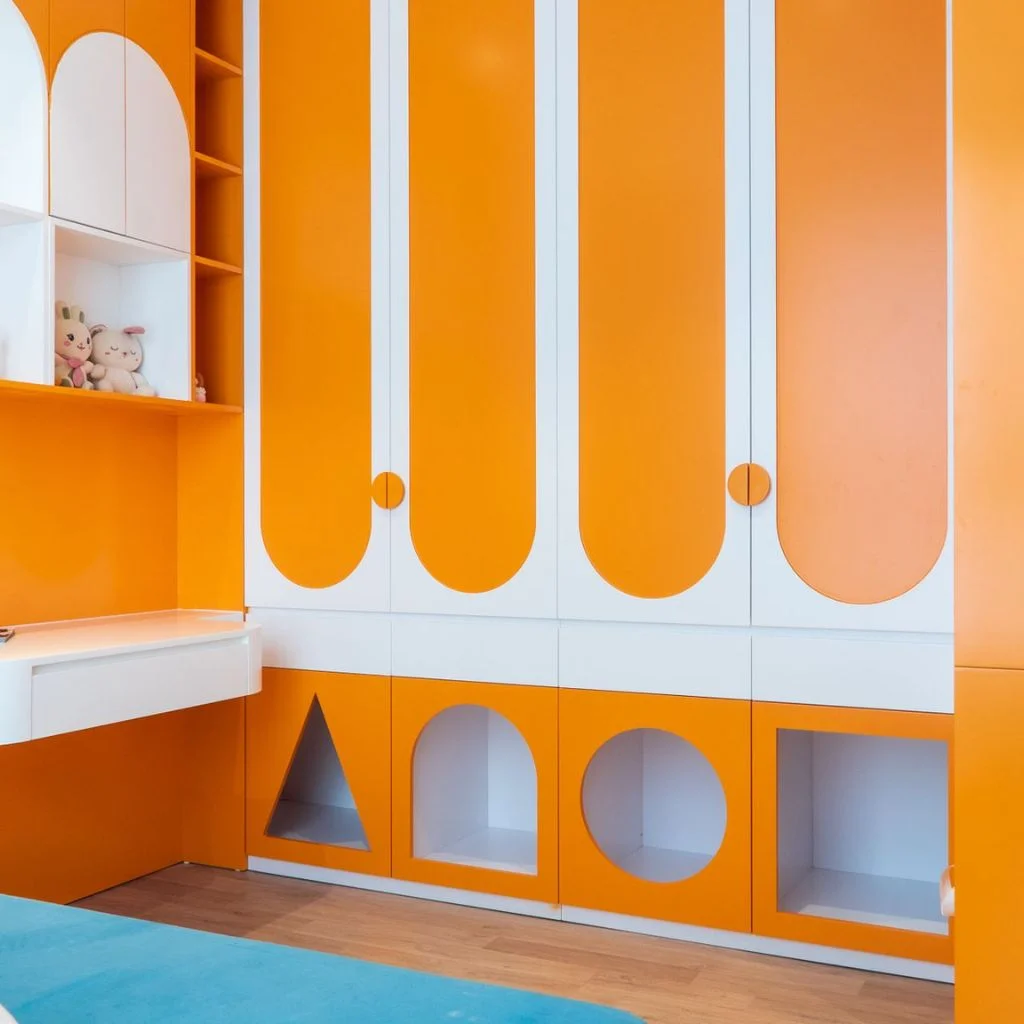
The arched scallop — also called fish scale or fan pattern — is one of the most popular hand painted accent wall patterns right now. Each repeating arch is traced from a circular template (a dinner plate or cut card works perfectly) and filled with a solid colour, creating a layered, textile-like surface.
This pattern suits boho, Moroccan, and maximalist interiors but also reads well in a contemporary context when executed in a restrained, tonal palette. Dusty rose on blush, sage on white, or mustard on cream all deliver a soft, layered result. It’s time-consuming but deeply satisfying and produces a hand painted accent wall that genuinely looks custom.
Template Tip: Cut your template from a cereal box. It’s stiff enough to trace cleanly and disposable.
6. Tonal Ombre Wash
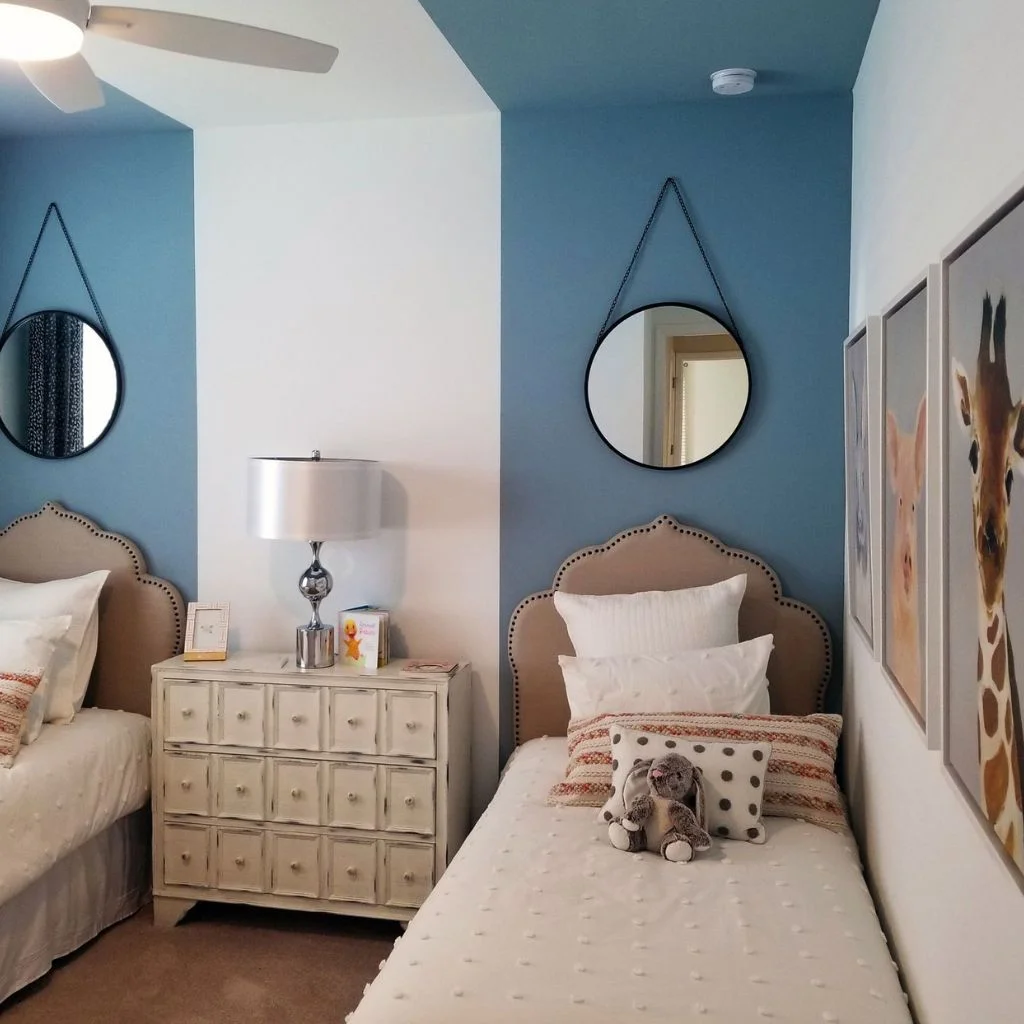
An ombre wash is one of the most peaceful hand painted accent wall options available. The colour transitions from deep at the bottom (or top) to nearly white at the other end, creating a gradient that feels atmospheric and calming. This pattern works across styles — whether your space is coastal, minimal, or romantic.
Use at least three shades of the same colour family mixed to progressively lighter values. Work in horizontal bands and blend each seam while still wet using a dry brush or sea sponge. The technique is forgiving because the whole point is softness, not precision.
Colour Ideas: Indigo to pale blue, deep forest green to mint, terracotta to peach, charcoal to light grey.
7. Checkerboard or Gingham Grid
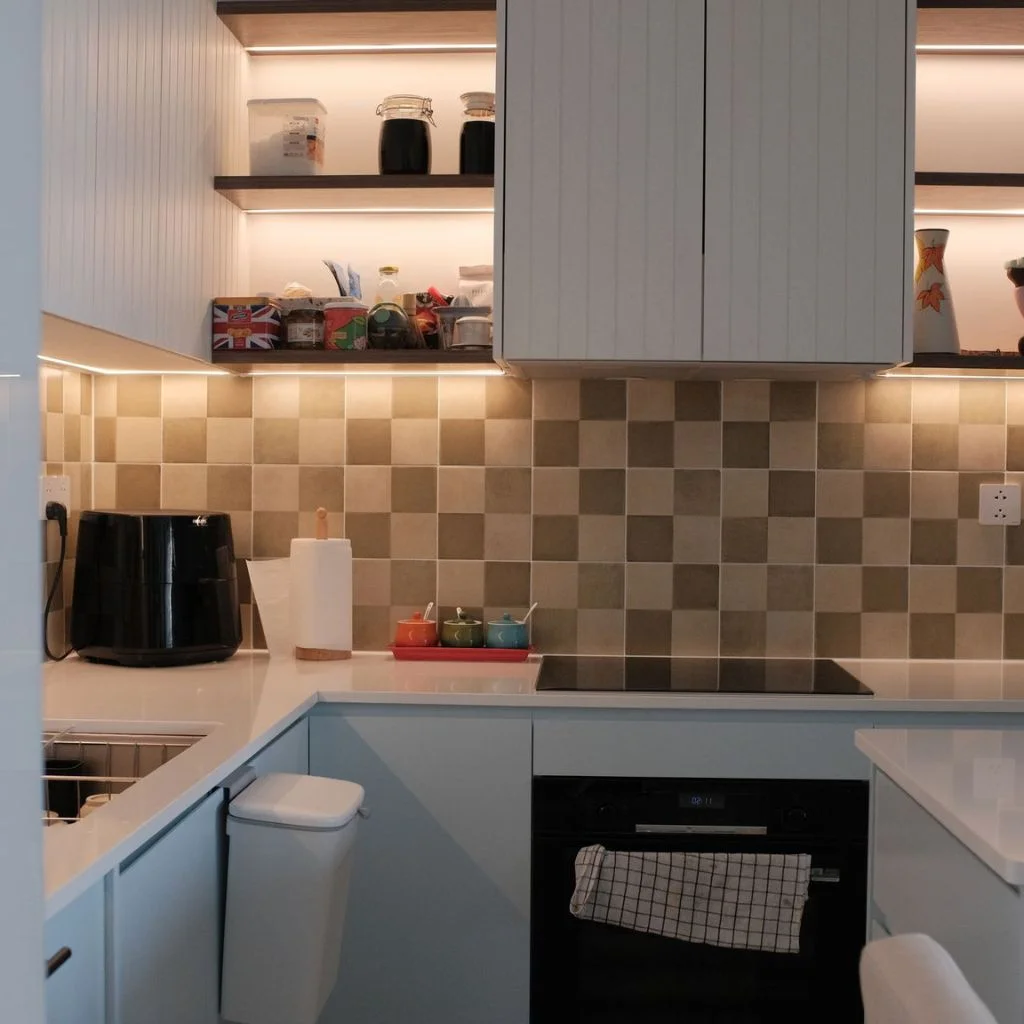
A painted checkerboard or gingham grid is bold, playful, and surprisingly versatile when you choose the right colours. Small-scale checks in two tones of the same colour read as near-neutral texture from a distance. Large-scale checkers in contrasting colours make an unmistakable graphic statement.
This hand painted accent wall pattern suits kitchens, kids’ rooms, and dining spaces where a little personality is welcome. Black and white is the classic execution, but sage and white, dusty blue and cream, or warm brown and sand all feel contemporary. Tape, level, and patience are your three essential tools here.
8. Organic Leaf and Botanical Silhouettes
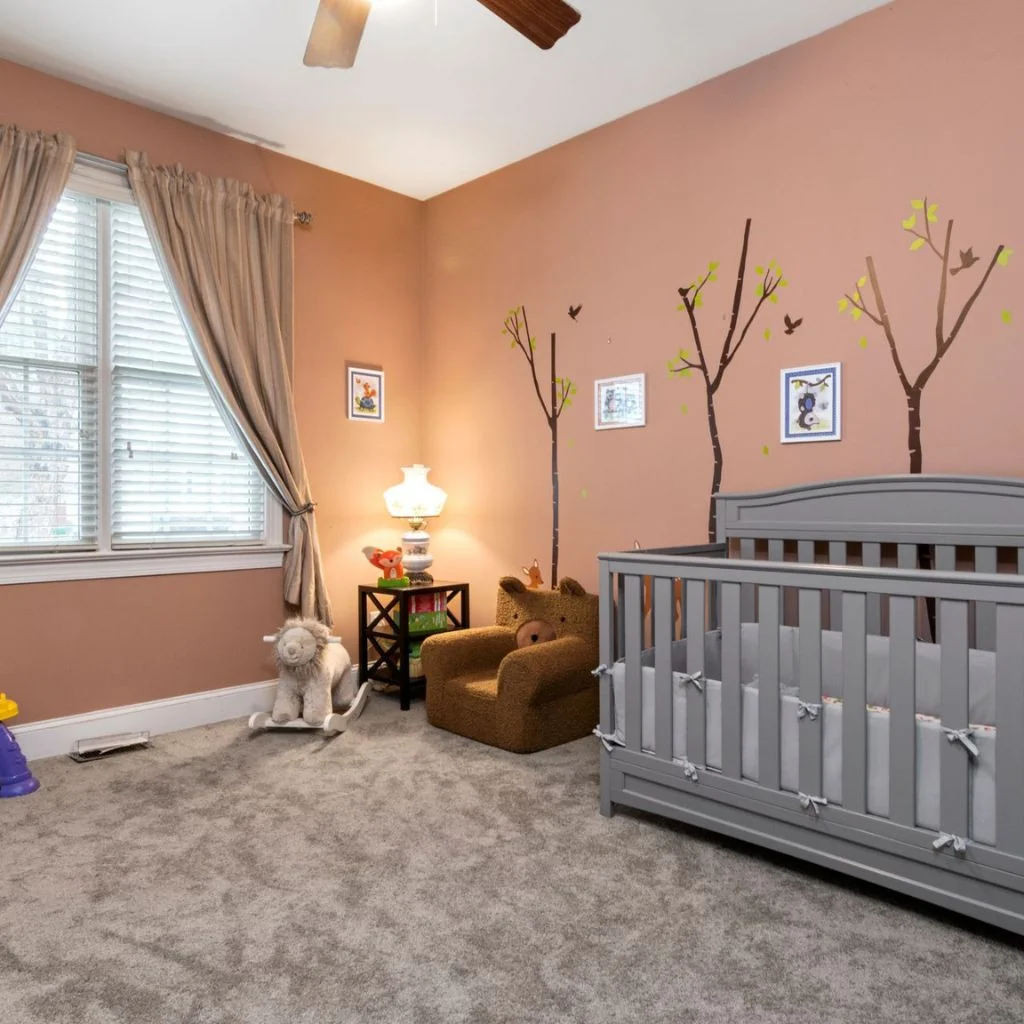
Painted botanical silhouettes bring the outside in and give a hand painted accent wall a mural-like quality without requiring artistic training. Large palm leaves, eucalyptus sprigs, and monstera shapes are all achievable with a stencil, projector transfer, or freehand approach using reference images.
This pattern tends to work best in a single colour against a contrasting background — dark green on a white wall, cream on a deep teal, or black on terracotta. It’s a favourite for nurseries, sunrooms and bedroom corners, and feels bespoke and handcrafted in a way that wallpaper simply cannot replicate.
Budget Option: Use a projector app to trace a leaf reference image directly onto the wall before painting.
9. Polka Dot Scatter
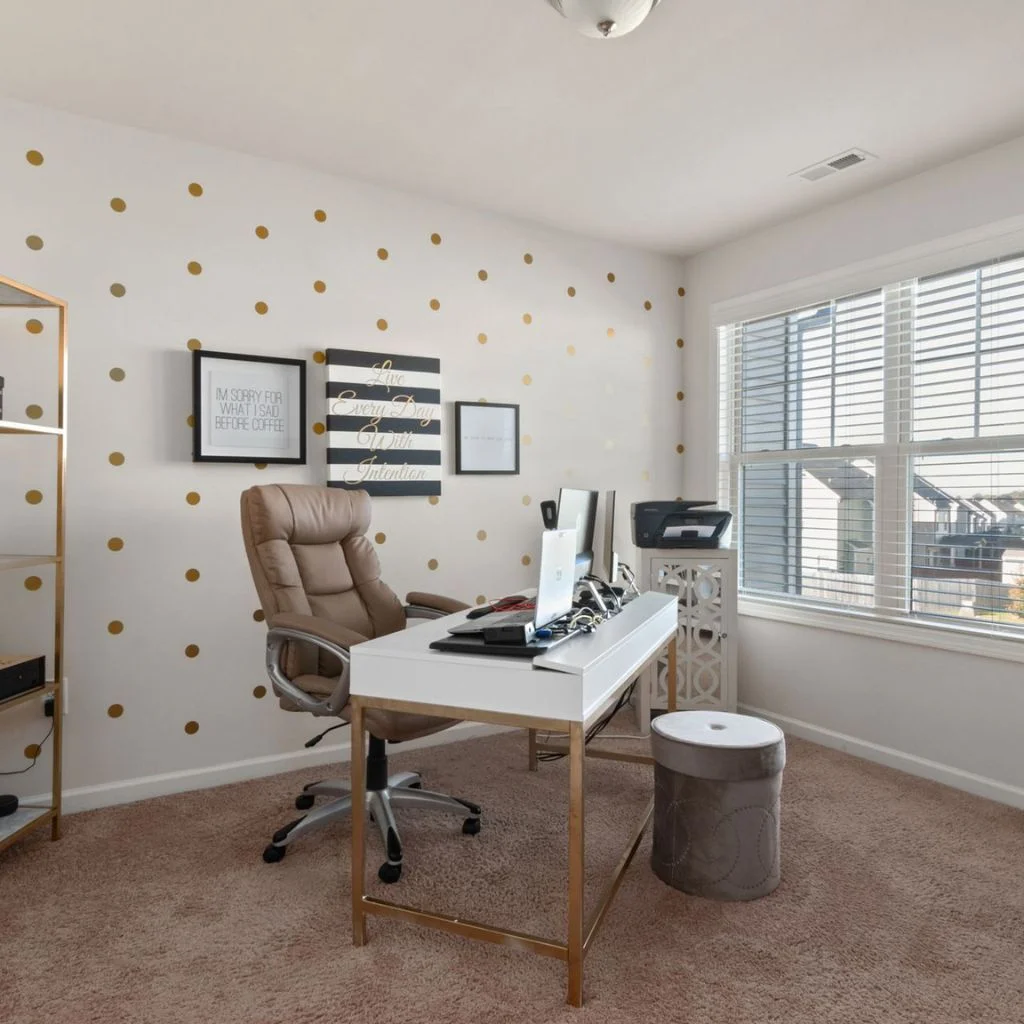
A scattered polka dot pattern is one of the most approachable hand painted accent wall ideas for beginners. Using a round sponge or the cut end of a pool noodle, you can stamp a consistent circle shape across the wall in a random or structured arrangement. The result is playful without being juvenile.
Oversized dots in a muted colour on a deep background wall feel graphic and modern. Small, tightly scattered dots in a tone-on-tone palette feel almost textile-like and subtle. This pattern suits bedrooms, bathrooms, and children’s spaces particularly well, and it’s easy to repaint over if you want to change direction later.
10. Linen-Texture Crosshatch
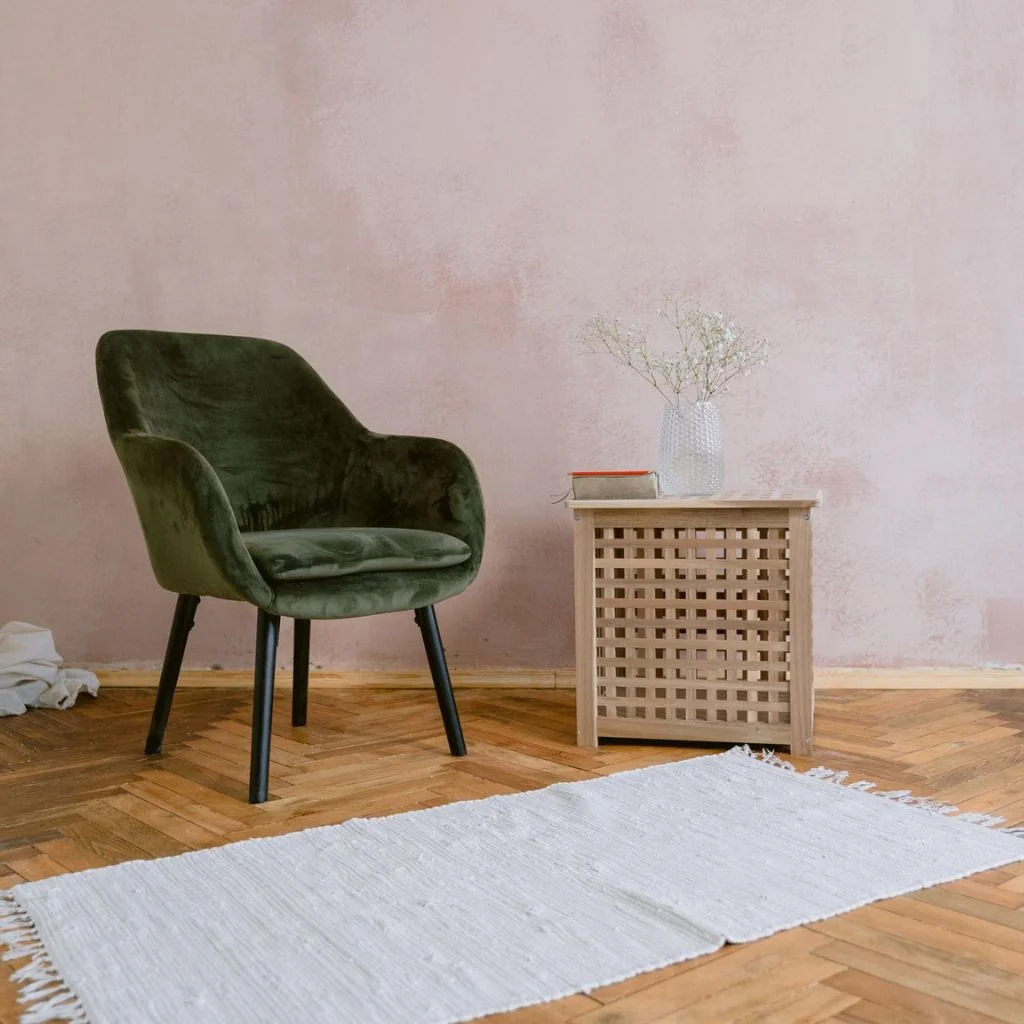
A crosshatch pattern mimics the look of woven linen or hessian and gives a hand painted accent wall a rich, textural depth that reads as layered and considered. Using a wide brush, apply fine horizontal strokes across the wall in one colour, let dry, then overlay vertical strokes in a slightly darker or lighter tone.
This technique is particularly effective in rooms where you want warmth without weight — home offices, reading nooks, and formal living rooms all benefit from this restrained, artisan quality. Tone-on-tone in neutrals like warm taupe, oatmeal, or soft stone works beautifully, as does a linen crosshatch in a muted earthy shade over a white base.
Brush Tip: Use a wide, flat decorating brush and keep strokes consistent in length and pressure for the most fabric-like result.
What to Do Before You Start Painting
No hand painted accent wall comes out well on an unprepared surface. Clean the wall with a damp cloth and mild detergent, then fill any holes or cracks with lightweight spackle. Sand smooth, wipe away dust, and apply a coat of primer if you’re switching from dark to light or painting on fresh plaster.
Use high-quality painter’s tape for any geometric or stripe pattern and remove it carefully at the right moment. Choose a paint with a finish suited to your room — eggshell for living areas and bedrooms, satin for kitchens and bathrooms. And always buy slightly more paint than you think you need. Running out mid-wall is the easiest mistake to avoid.
Your Walls, Your Work of Art
Hand painted accent wall is one of the most impactful upgrades you can make to any room in your home — and it costs far less than a renovation. Whether you choose a disciplined geometric grid, a flowing ombre wash, or a free-form botanical mural, the result is a surface that feels personal, considered, and entirely yours.
Pick one pattern from this list that matches your skill level and the mood of the room, gather your tools, and start with a small test section in the corner. Most of these patterns are entirely achievable in a single weekend. The only thing standing between your wall and a transformation is the first brushstroke.
Our Pick: Wood Plank Wall Designs That Make Every Room Feel Brand New.