Make witch bells and you step into a tradition older than doorbells, one where a simple ring of metal was trusted to guard the threshold. Long before craft stores stocked cord and charms, communities leaned on ringing metal for protection, from church towers to iron charms above doorways.
Today’s crafters borrow that heritage and give it a decorative twist. Folklore supplies the meaning, creativity supplies the look, and the result is a doorway piece that jingles, shimmers and starts conversations.
Below, you will find the folklore behind the trend, the symbolism of popular charms and nine finished styles, from gothic to cottage to rustic. Every idea is built for browsing, so pick the look that suits your front door.
Make Witch Bells Folklore Rooted in Protective Doorway Charms
Credit: collectorsagency
Make witch bells in the spirit of the old stories and it helps to know where those stories began. Bells and protection have gone together for ages: ancient Greek, Roman and eastern cultures linked bell sound with awakening and keeping evil away, and church bells were rung to drive off harmful spirits.
Doorways mattered most. Folk belief placed iron horseshoes and iron bells above thresholds to turn away mischievous spirits, and small bells on chains have served as protection against the evil eye since at least the 18th century.
These habits shared one logic: sound was believed to unsettle whatever should not cross the threshold. Metal rang, spirits retreated and the household slept easier. Whether anyone believes that today hardly matters, because hanging something that sings at the door still feels wonderfully welcoming.
Window charms joined in too. Witch balls hung in cottage windows across 17th and 18th century England to ward off ill fortune, and Victorian makers kept the habit alive by producing them in many sizes.
Honest note: the doorknob bell craft known as witch bells is largely a modern revival. Crafters borrow old protective ideas rather than copy one documented historic design, which leaves plenty of room for creativity.
Why this works: folklore gives a handmade piece a story, and a story turns decoration into something guests ask about.
Hidden Meanings Behind Every Charm
Credit: the.tool.addict
Charms act like a tiny vocabulary, so anyone planning to make witch bells can say something with every choice. Meanings below come from modern craft and folk magic circles rather than one historic rulebook, which makes them flexible rather than fixed.
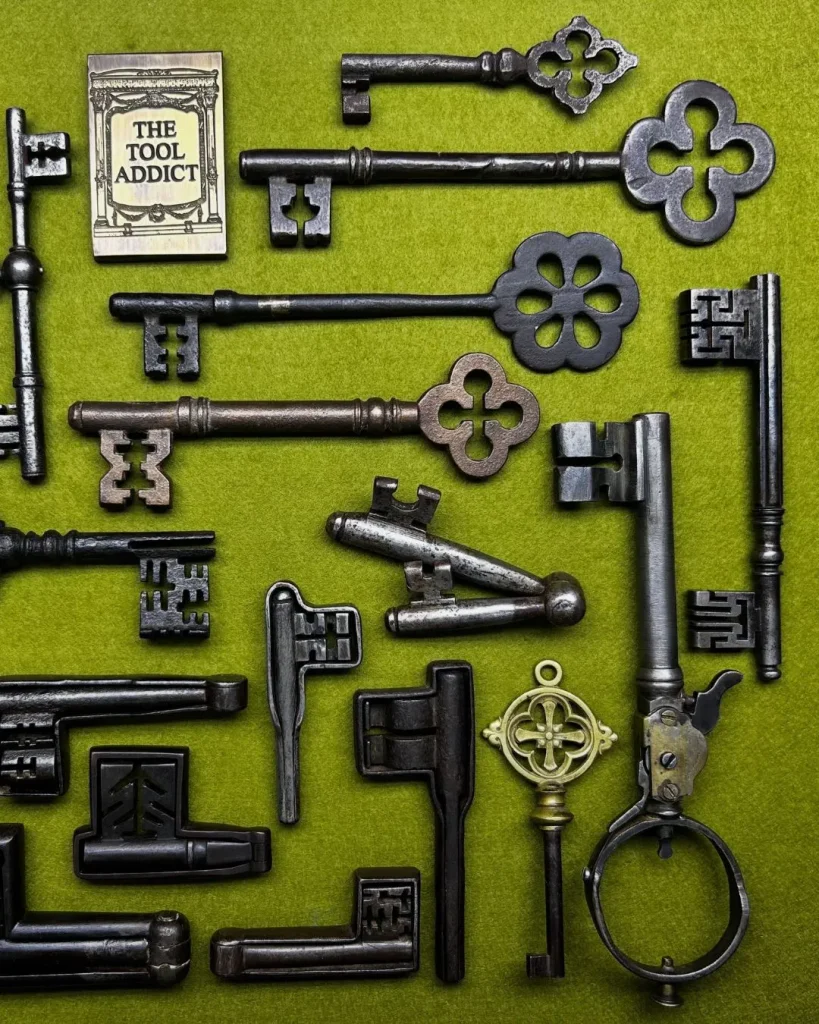
Crescent moons nod to night, cycles and quiet protection. Keys suggest guarding a threshold, opening the way for friends and locking out everyone else.
Feathers stand for messages and lightness, and they add soft movement. Crystals, especially clear quartz, are popular for clarity and a little sparkle in porch light.
Botanical touches such as acorn caps, dried herbs and seed heads link the bells to the seasons and the garden. Rosemary and lavender are favourites because they add scent as well as symbolism.
Colour completes the message. Black reads as protective, silver as lunar, deep red as bold and warm, and green as growth and welcome.
Why this works: three or four meaningful charms feel intentional, while a crowded string feels like clutter. Restraint makes each symbol easier to notice.
3 Dark and Dramatic Looks for Gothic Doorways
Credit: Wendy Franz Art
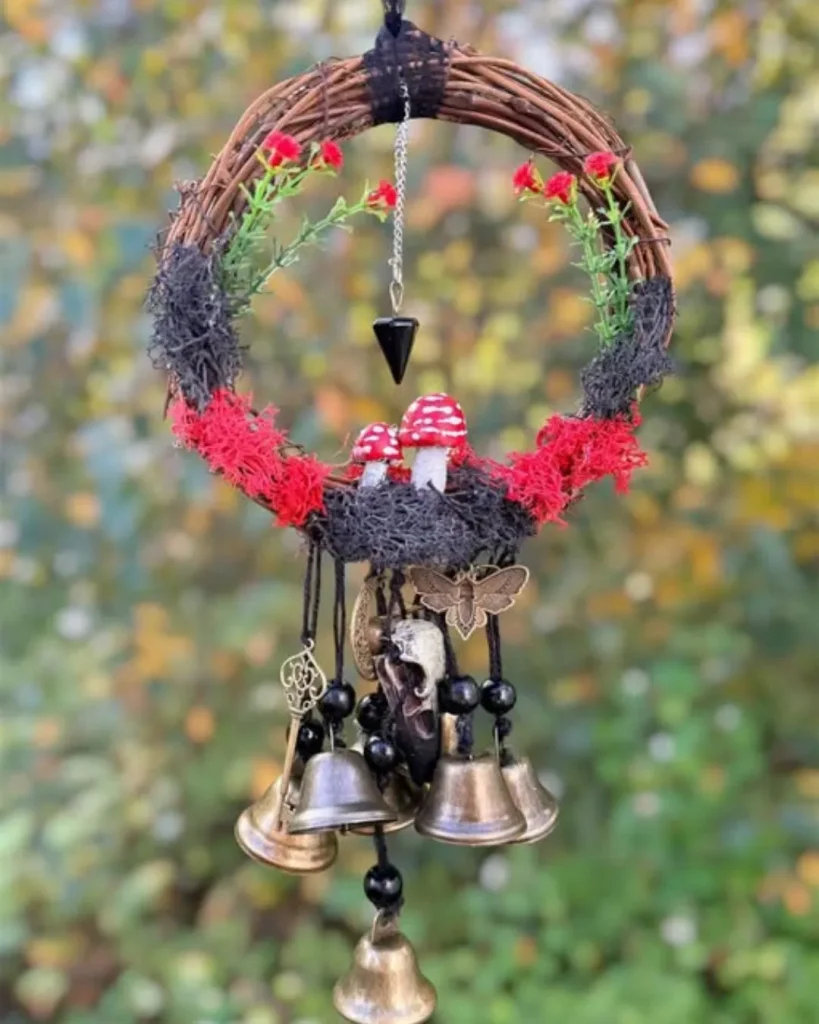
Gothic styles suit crafters who want maximum drama in minimum space, and anyone who wants to make witch bells with a moody edge should start here.
Raven Feather Noir
Black cord, matte black bells and a single raven-style feather create an instant midnight mood. Craft feathers dyed with fabric ink give a deeper black than most store-bought ones. Against a charcoal or deep green door, the silhouette looks striking even from the pavement.
Blood Moon Red
Deep red ribbon, garnet-toned beads and a crescent moon charm bring candlelit warmth to dark doors. Sealing painted wooden beads with clear varnish keeps colours rich in damp weather. Against a pale grey door the red sings, and against black it glows like embers.
Graveyard Bone
Resin or ceramic faux bones, tarnished brass bells and a velvet strap give an apothecary cabinet feel. Faux bones keep the look spooky without any real remains involved. Hanging the piece beside an iron door knocker adds extra gothic gravitas.
Why this works: dark palettes depend on contrast, so one shiny metal or a single pop of red against matte black draws the eye straight to the bells. Keeping the colour list short makes the drama look deliberate rather than gloomy.
Cottage Witches Keep It Soft, Sweet and Slightly Wild
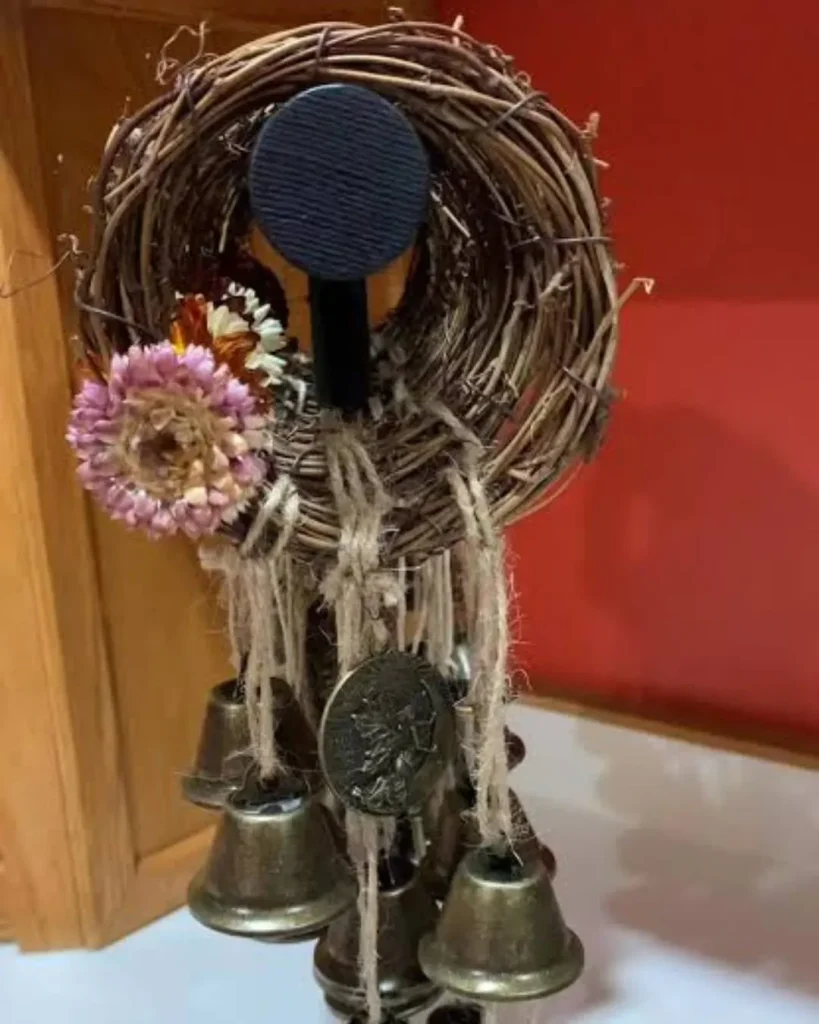
Cottage styles make witch bells feel like part of the garden gate rather than a Halloween prop. Soft palettes, natural fibres and gentle chimes do most of the work.
Pastel Moonbeam
Sage, blush and cream ribbons with pearl beads and tiny silver bells produce a lullaby ring. Pearlised acrylic beads stay light enough to keep the chimes clear. Cream doors and soft grey porches show this palette off beautifully.
Garden Gate
Dried lavender, wheat stems and small brass bells on jute twine smell as sweet as they look. Matte spray sealer on the dried stems cuts down on shedding. Hung beside climbing roses or a basket of small pumpkins, it completes a full cottage vignette.
Crystal Boho
Macrame knots, quartz chips and wooden beads give a relaxed, sunlit feel that suits bohemian hallways. Tiny chips weigh far less than large crystals, so the bells still sing. Natural cotton cord keeps the whole piece earthy and soft against painted wood.
Why this works: pale tones and natural fibres reflect light, so soft bells stay visible on dim porches. Gentler palettes also feel welcoming to trick or treaters of every age.
Prefer Natural Textures Over Shiny Charms?
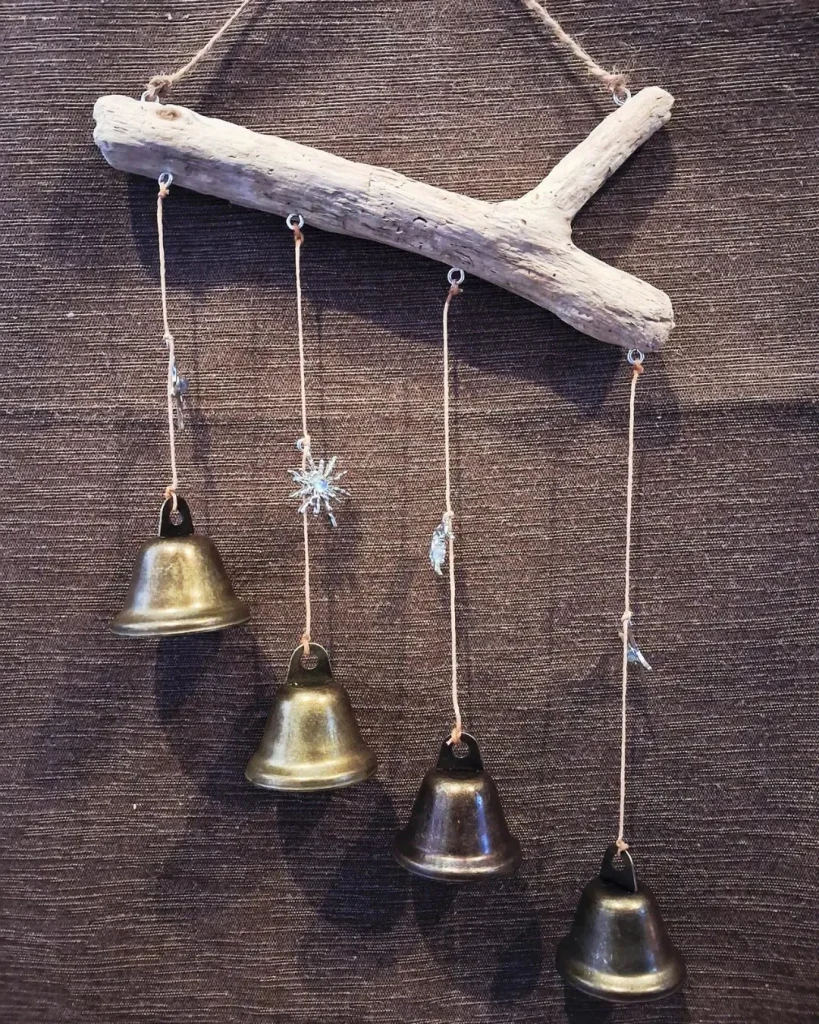
Rustic crafters can gather materials on woodland walks and seaside strolls, and it is surprisingly easy to make witch bells that look as though they grew on the door.
Driftwood Drift
Sun-bleached driftwood forms a natural crossbar for dangling bells, shells and twine. Sand the wood smooth before drilling so cords hang cleanly. Leaving a few pale, salt-weathered patches visible adds authentic character.
Foraged Botanical
Acorn caps, dried seed heads and twig stars bring pure autumn texture. Drying finds thoroughly indoors first helps them last through the season. Warm ochre, russet and moss tones blend effortlessly with brick, stone and timber porches.
Antique Brass
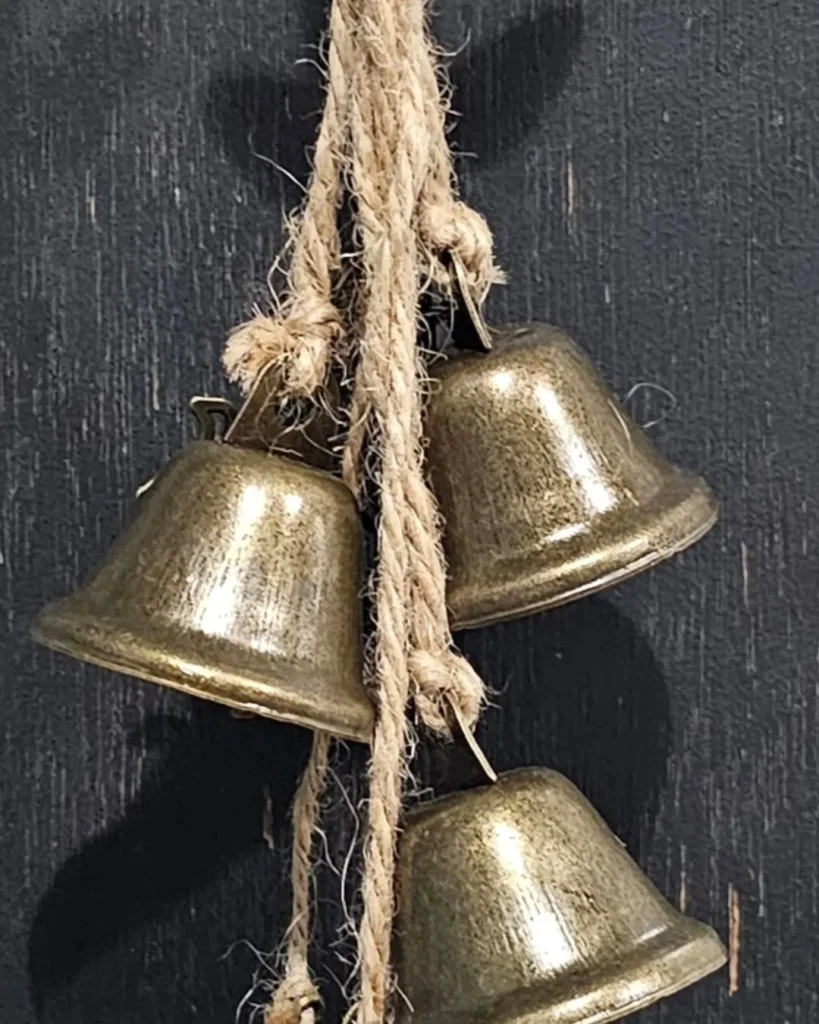
Vintage sleigh bells and aged brass keys lend instant history, and tarnish is part of the charm. Thrift shops and car boot sales are generous hunting grounds. Mixing two or three vintage bell sizes gives a layered chime that echoes old sleigh harnesses.
Our opinion: rustic is the most forgiving style for beginners. Natural materials hide small imperfections, and slightly uneven knots simply look handmade in the best possible way.
Picture a Hallway Where the Door Opens Twenty Times a Day
Credit: featherandheartcandleco
Bells that jangle too loudly grate within hours, while ones that barely whisper never get noticed. Sound planning matters as much as styling, especially in a busy hallway.
Bell size sets pitch. Small bells ring bright and tinkly, larger ones sound deeper and carry further. Mixing two or three sizes gives a layered chime instead of one flat note.
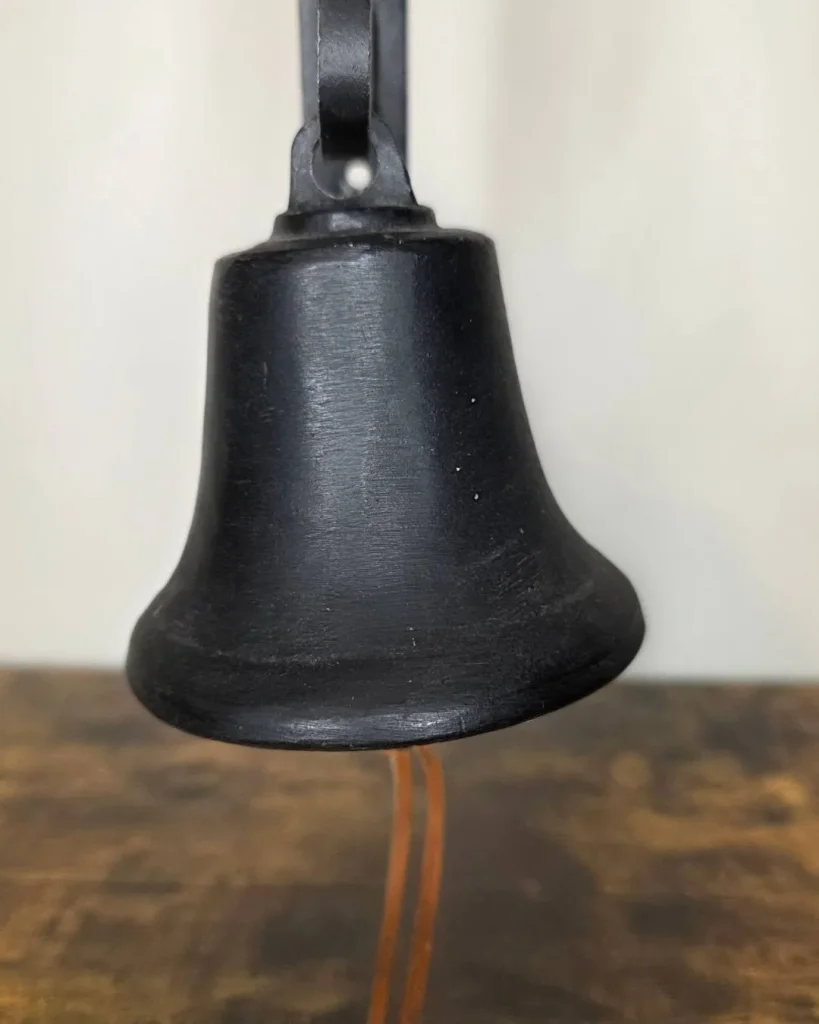
Metal changes character too. Brass sounds warm and rounded, silver-tone bells ring crisp and bright, and iron or darkened metal gives a lower, more sombre tone that suits gothic styles.
Spacing finishes the job. Leave a little air between bells so each one can swing and ring on its own rather than muffling its neighbour.
Why this works: matching sound to setting turns the bells into a pleasant signal rather than background noise, which is exactly why people notice and love them.
Hanging Spots Where Witch Bells Earn Their Keep
Placement shapes both the look and the ring, so planning where to hang them first helps anyone who wants to make witch bells that suit their space.
Interior front doors are the classic spot. Hung from the knob or a hook, the bells jingle whenever the door opens, which doubles as a friendly announcement of visitors.
Windows echo the old witch ball tradition. Short strings by sunny frames catch light and add sparkle without needing much space.
Porches and garden trees welcome larger, weather-ready designs. Waxed cord, sealed wood and metal charms cope with rain far better than paper or untreated fabric.
Height counts as well. Bells at hand or hip height are caught naturally by the door, while window pieces work best at eye level where light plays through the charms. Rented homes and tricky doors can rely on removable hooks, which keep paintwork safe.
Why this works: hanging bells where people naturally pass lets the sound and sparkle do their job every day, not just during October.
Common Mistakes That Leave Witch Bells Sounding Dull
Even seasoned crafters who make witch bells every October slip into a few familiar habits. Spotting them early keeps the chime sweet.
Overloading the string. Heavy charms muffle the bells. Keep weight light and let metal swing freely.
Using identical bells. Same-size bells ring in one flat tone. Mix two or three sizes for a richer, layered sound.
Choosing cord that is too thick. Chunky rope stops bells from moving. Slim waxed cord or ribbon lets them dance.
Forgetting the weather. Untreated wood and paper charms fade quickly outdoors. Seal them or keep the piece under cover.
Skipping the test ring. Give the finished piece a few gentle shakes before hanging it. Muted spots usually mean a charm is touching a bell, and a small shift fixes it.
Our view: fewer, better charms beat a crowded string every time. Space between elements is what makes the ring and the design feel confident.
Old Magic, Fresh Hands, Doorways Ready to Ring
Craft traditions survive because people keep reinventing them. When you make witch bells today, you add one more chapter to a story stretching from church towers to cottage windows.
Pick the mood that suits your door, gather a few charms and let the first jingle decide whether more are needed. Share your finished bells in the comments, pin this guide for next October and browse more Halloween doorway ideas on The Style Chronicle.
Doorways reward small gestures, and a handful of bells, a few charms and one afternoon of crafting is often all it takes to change how a home feels on arrival.
Our Pick: Easy DIY Halloween Porch Decorations Anyone Can Craft This Weekend.