The first time I lined up two Trofast frames around a Flisat table, I wasn’t trying to build anything Montessori-inspired — I just needed the markers to stop rolling onto the floor. It became one of the first Ikea Montessori hacks that stuck in our house, the corner my son started clearing up without being asked.
Three product names keep showing up in almost every hack worth trying: Kallax, Trofast and Flisat. None of what follows needs custom carpentry or a weekend of sanding — just a few legs, a pegboard, a tin of paint, and furniture that was already built low enough for a small child to use.
What These Three Pieces Have In Common
- Kallax, Trofast and Flisat all sit low enough for a toddler to use without help, which is why they show up in almost every hack.
- Small additions, like legs, a pegboard, paint or a rod, usually do more than buying an entirely new piece of furniture.
- A hack only really works if a child can undo it too — pulling a toy out is only half the job.
- Combining two pieces, like a Trofast frame either side of a Flisat table, often solves more than upgrading one piece alone.
My Trofast Turned Into The Wardrobe My Toddler Actually Uses
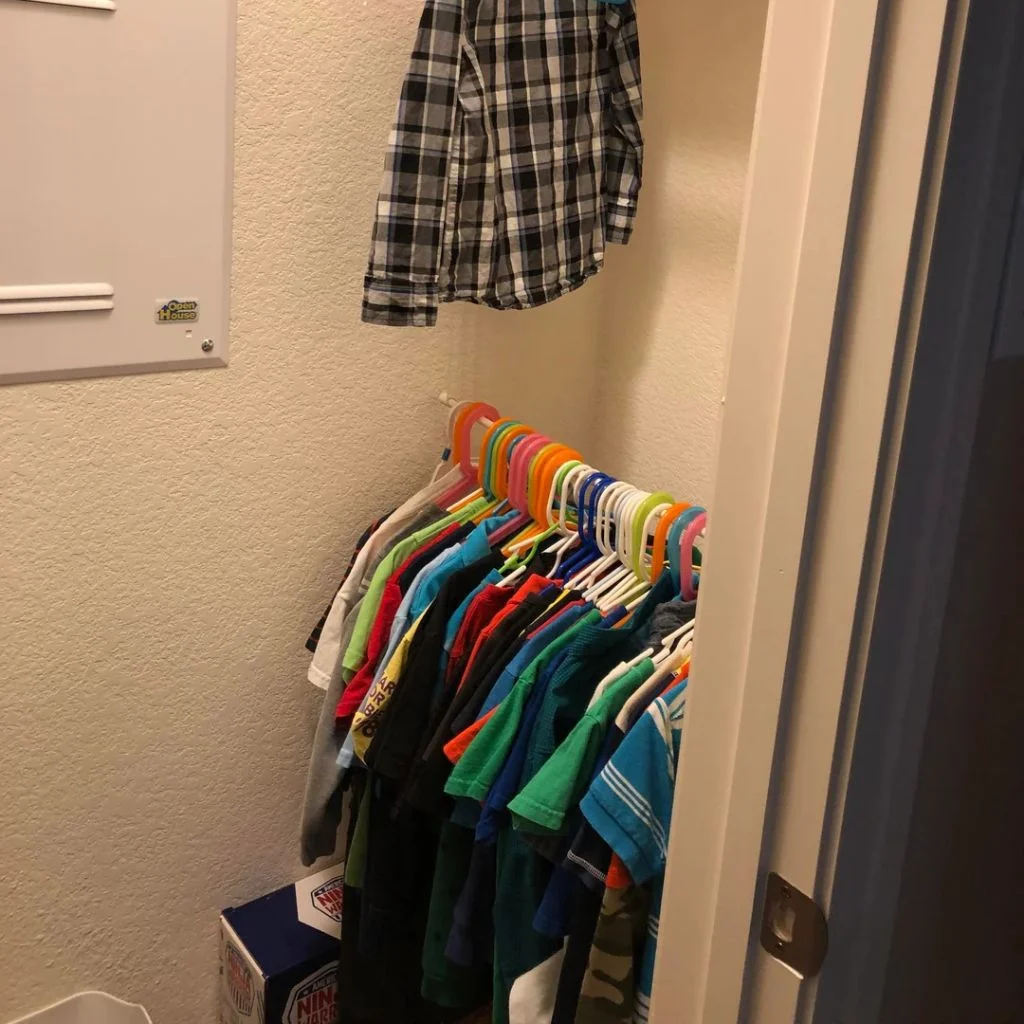
Photo Credit: @Reddit
We used to have a full-height wardrobe our daughter couldn’t reach past the bottom drawer, so most mornings turned into a small negotiation over what she was ‘allowed’ to wear. Pulling the doors off a Trofast frame and fitting a low hanging rod fixed that almost overnight — every dress now hangs at exactly her eye level, and picking an outfit stopped being something she needed help with.
A woven basket on top holds whatever is out of season, which keeps the low rod free for the ten or so outfits she reaches for each week. I left the pine natural rather than painting it, mostly because it was one less weekend project, but a coat of white would work just as well if the room needs brightening up.
Two Trofast Towers Around A Flisat Table Solved Our Art Supply Chaos
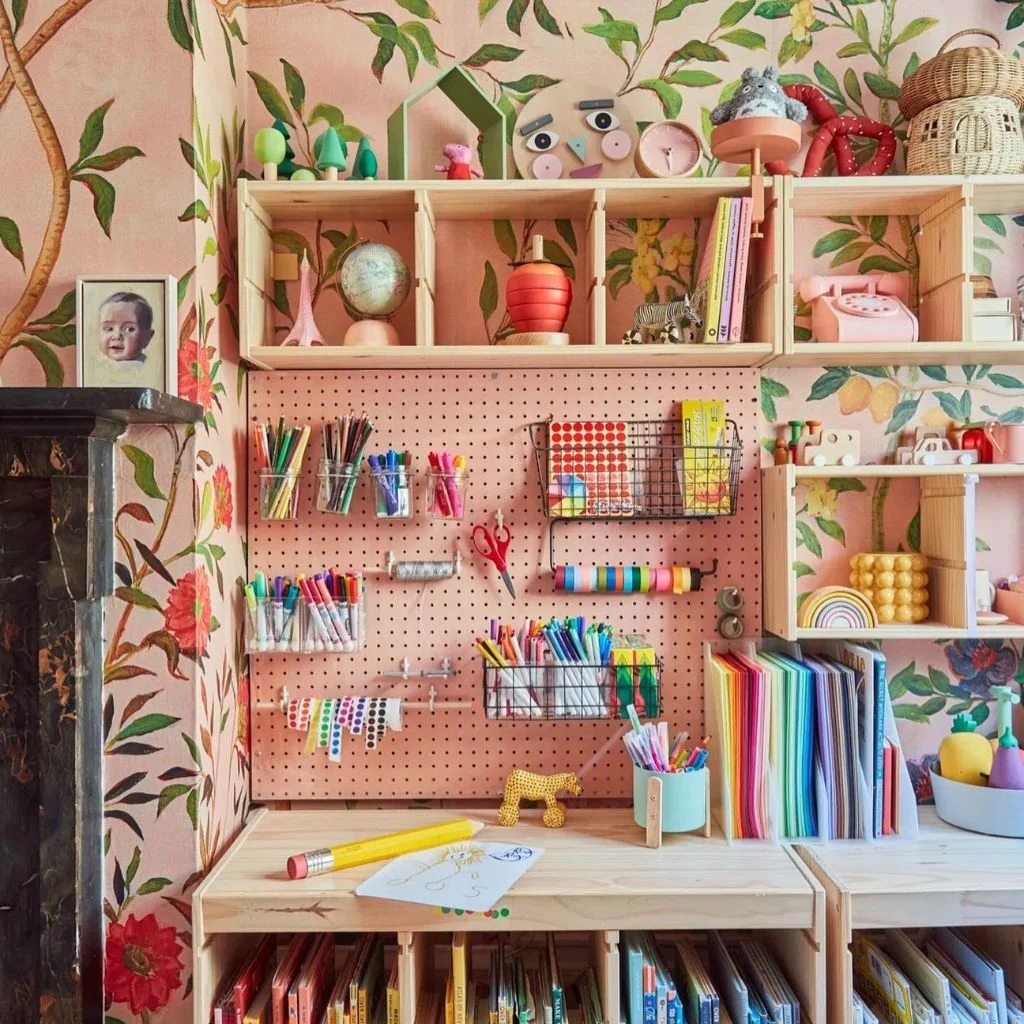
Photo Credit: jordanferney / @Instagram
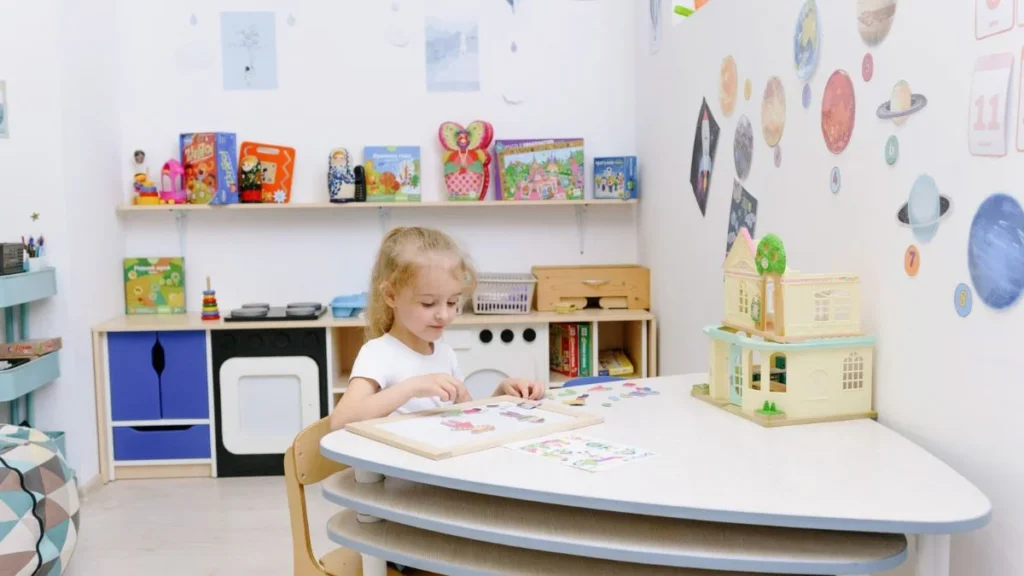
Markers scattered across the floor were the actual reason this setup exists. Standing a Trofast unit on either side of a Flisat table turned a surface that used to collect clutter into a proper workstation, with paper on one side and crayons, scissors and glue within arm’s reach on the other.
A pegboard mounted on the wall behind holds the tools that get used daily, scissors, a ruler, a cup of pencils, so the bins underneath stay reserved for paper and finished drawings instead of turning into a junk drawer. Swapping the bin colours every few months is a small trick that keeps the corner feeling new without spending anything extra.
Adding Legs To A Kallax Fixed The One Thing That Bothered Me About It
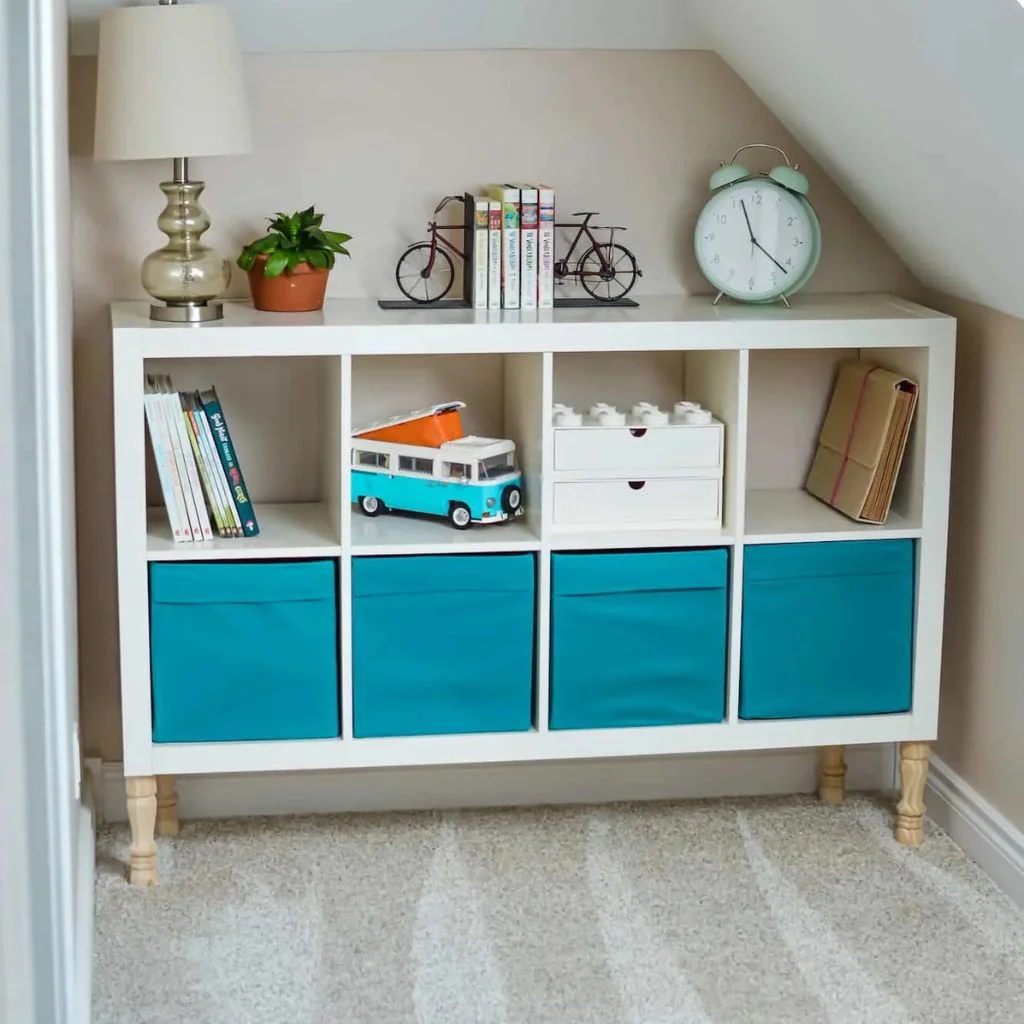
Photo Credit: @singlegirlsdiy
A Kallax on its own always felt slightly too low for comfort, sitting flush against the floor in a way that made the room look unfinished. Screwing on a set of wooden legs solved that in under an hour, lifting the whole unit just enough to still sit within toddler reach while giving the floor beneath it room to breathe.
Rope or woven baskets slotted into a few of the cubes hide smaller toys without losing the open, see-everything layout that makes Kallax useful for a Montessori-style room in the first place. It is a small change, but it is the difference between a shelf that looks like an afterthought and one that looks chosen.
Painted Kallax Cube Became Our Quiet Corner Not Just Storage
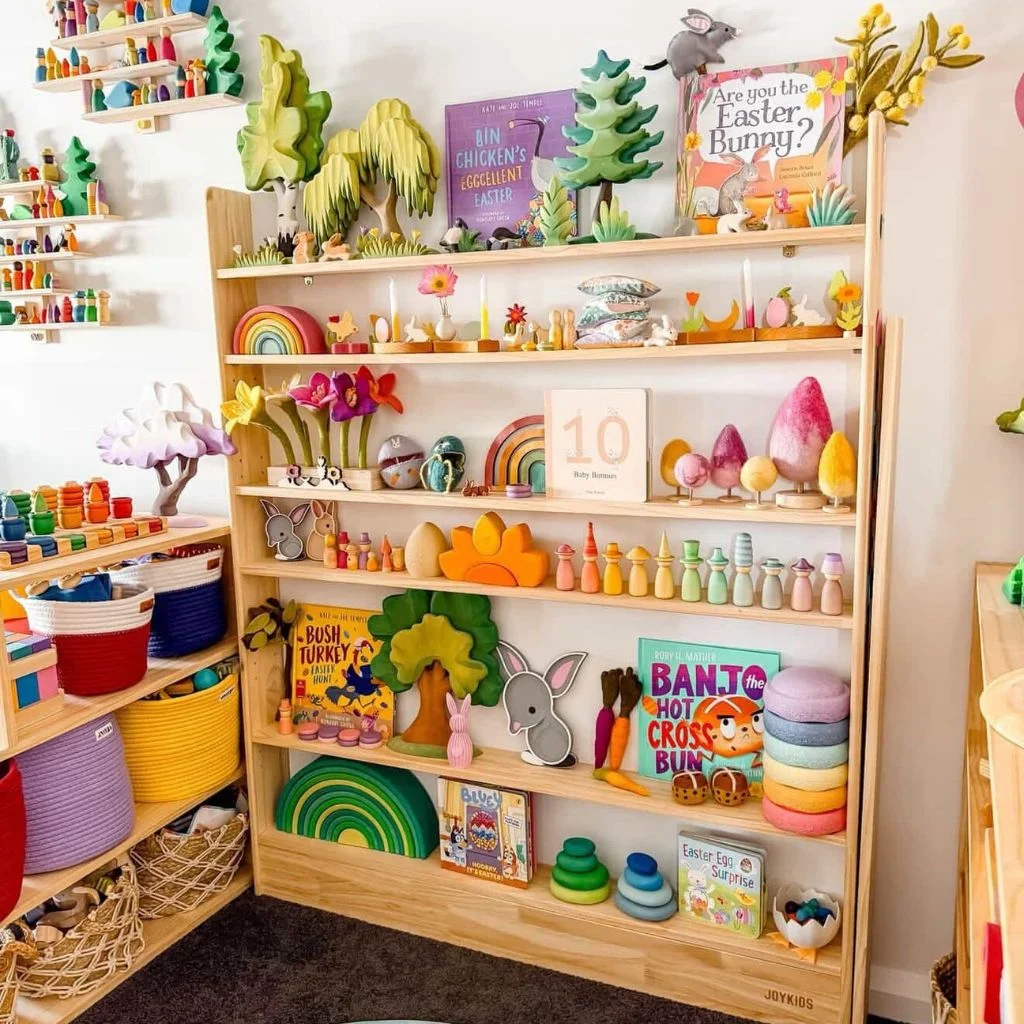
Photo Credit: joykids.original / @Instagram
Painting a single Kallax cube in a soft, muted colour, rather than leaving it white, changed how our son actually used it. He started treating the top surface as a spot to line up toys rather than just a shelf to store them. Sage green worked for us, though any calm, non-primary shade does the same job.
The open cubes still hold the daily toy rotation, but the painted top has quietly become the display spot for whatever he is currently obsessed with, whether that is a row of wooden animals or a stack of favourite books. It is a small reminder that a Montessori shelf does not need to be purely functional to earn its place in a small room.
Light Panels Turned An Ordinary Flisat Into The Table My Kids Fight Over
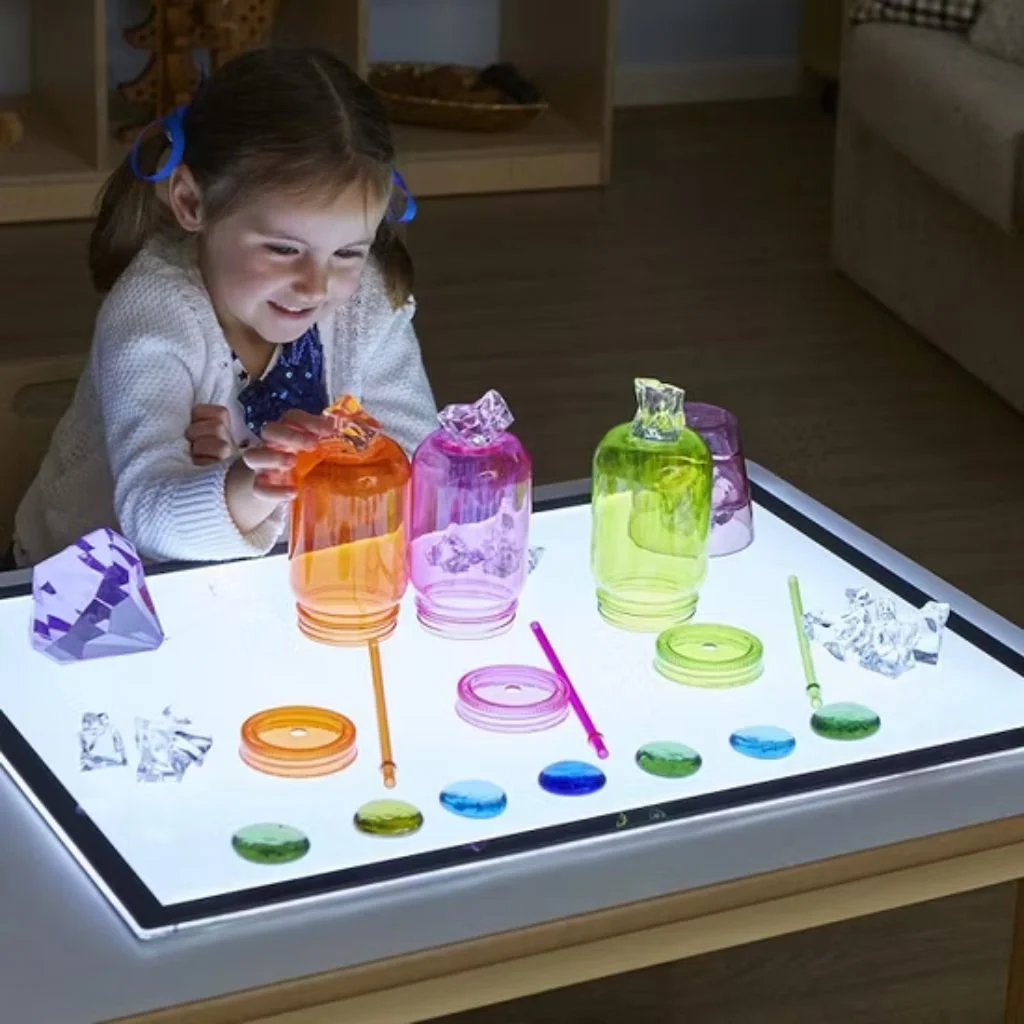
I did not expect a few LED strips and a sheet of acrylic to be the thing that gets both kids racing to the same table, but that is exactly what happened once we fitted a light panel into the Flisat’s removable storage slot. Coloured blocks glow and cast shadows on the lit surface, which turns an ordinary sorting activity into something closer to a light show.
The wooden frame keeps the whole thing from feeling like a toy shop gadget, and the battery-powered strip means there is no cord trailing across the floor for anyone to trip on. Translucent shapes work best here; anything solid just sits there without the glow doing much.
Folding Flisat Earns Its Keep In A Room With No Space To Spare
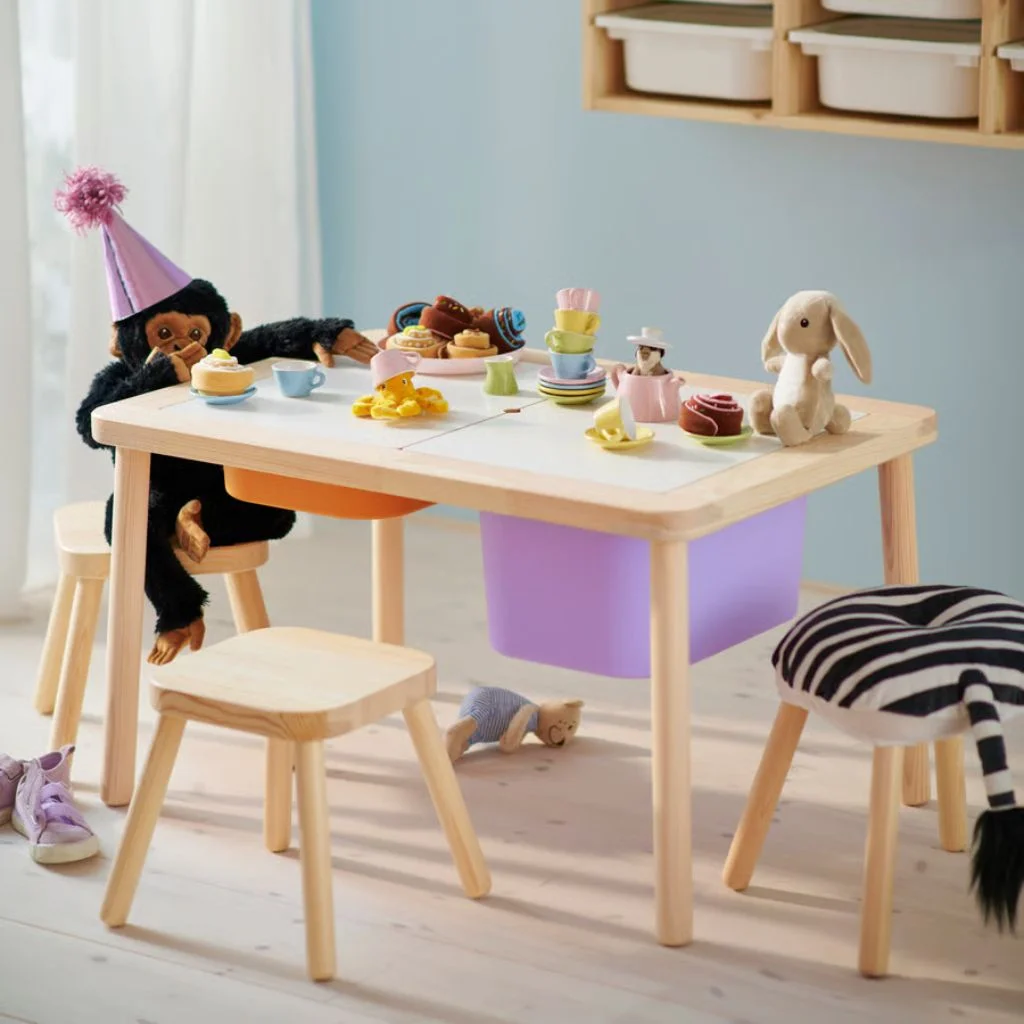
Photo Credit: @Ikea
A folding version of the Flisat table makes far more sense than the fixed one once floor space actually runs out. It holds up to drawing, puzzles or a sensory bin during the day, then folds flat against the wall by evening, handing the room back for crawling, dancing or whatever else needs open floor.
The trade-off is that it cannot stay mid-project the way a fixed table can, so a rotating tray or a shallow basket nearby is worth keeping for anything that needs to be picked back up the next day. In a shared bedroom, that trade-off is usually worth making.
Custom Shelf Inserts Gave Our Trofast Frame Actual Personality
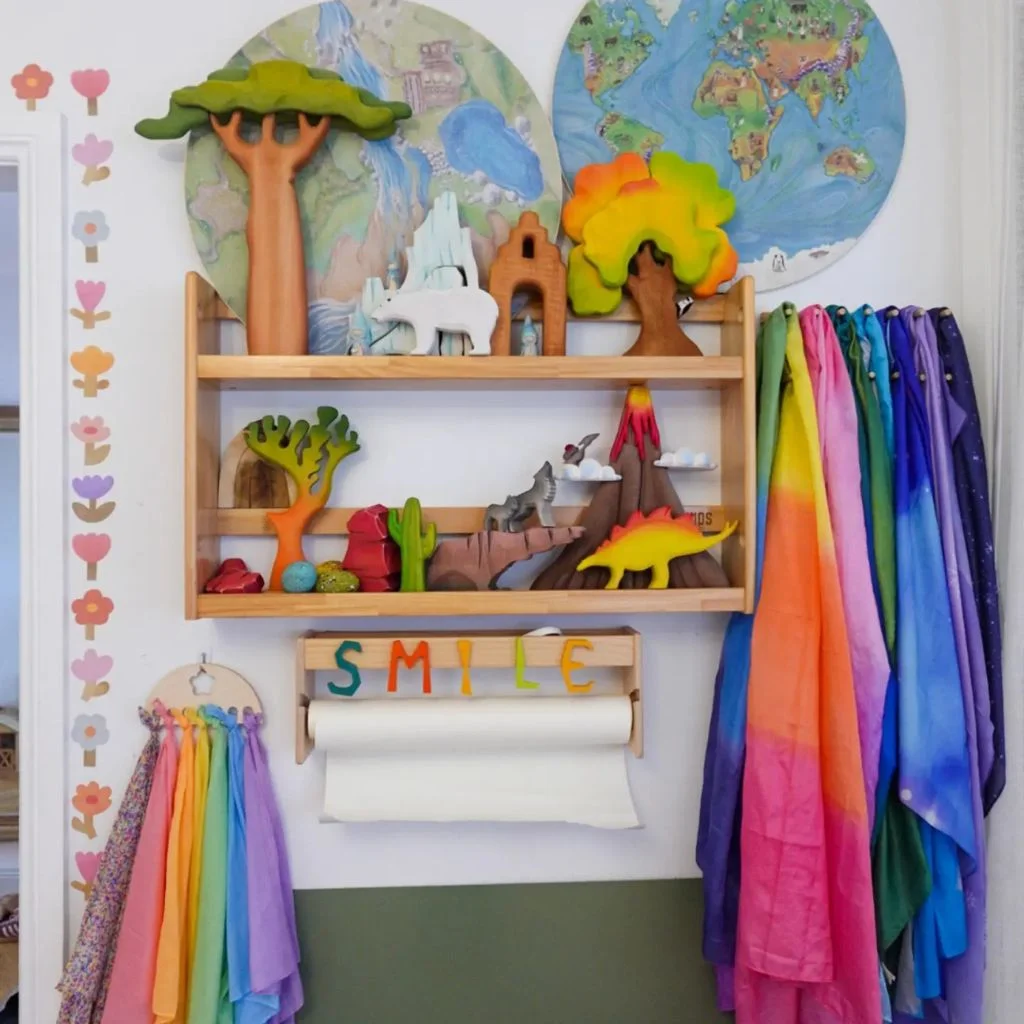
Photo Credit: joykids.original / @Instagram
The Trofast frame on its own is fine, but it always looked a little bare until we swapped a few of the plastic bins for wooden shelf inserts cut to fit the frame’s slots. Some sit flush, others jut out slightly to create a small step, which turned one flat wall of bins into a tiered display that toys and books actually sit on rather than get shoved into.
It is not a project for a Saturday afternoon with no tools on hand, admittedly, but even two or three custom shelves mixed in with the original bins make a noticeable difference. Staining the wood a shade darker than the frame is a nice touch if the room already leans warm.
Putting Kallax Trofast And Flisat In The Same Corner Finally Worked
None of these three pieces needed to live in the same room, but once we put them together in one corner, that is when the space actually started to work as a whole rather than as separate hacks. The Kallax holds the toy rotation, the Trofast frame handles clothing or bulkier storage, and the Flisat table sits in the middle as the one surface where everything gets used.
The corner is roughly two metres wide, which is smaller than it sounds once the pieces are arranged around a child rather than against a wall. Building around a single corner rather than a whole room is what makes this realistic for almost any small space.
What Started As Fixing Clutter Turned Into A Habit
None of these hacks started as a plan to build a Montessori playroom. Each one solved a specific annoyance, markers on the floor, a wardrobe our daughter couldn’t reach, a Kallax that looked unfinished, and the Montessori part came later, almost as a side effect of making things reachable.
That is probably the easiest way to start. Pick the one thing about the room that actually bothers you, fix it with whichever of these three pieces already fits the space, and let the rest follow instead of trying to get all three right on the first weekend.
Our Pick: Hauga Storage Combination Ideas For Every Room In Your Home.