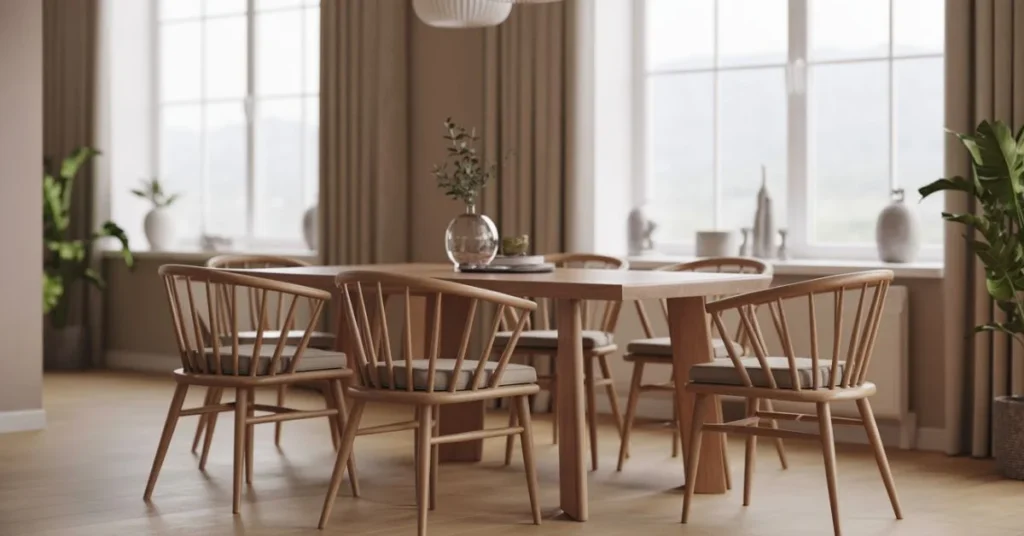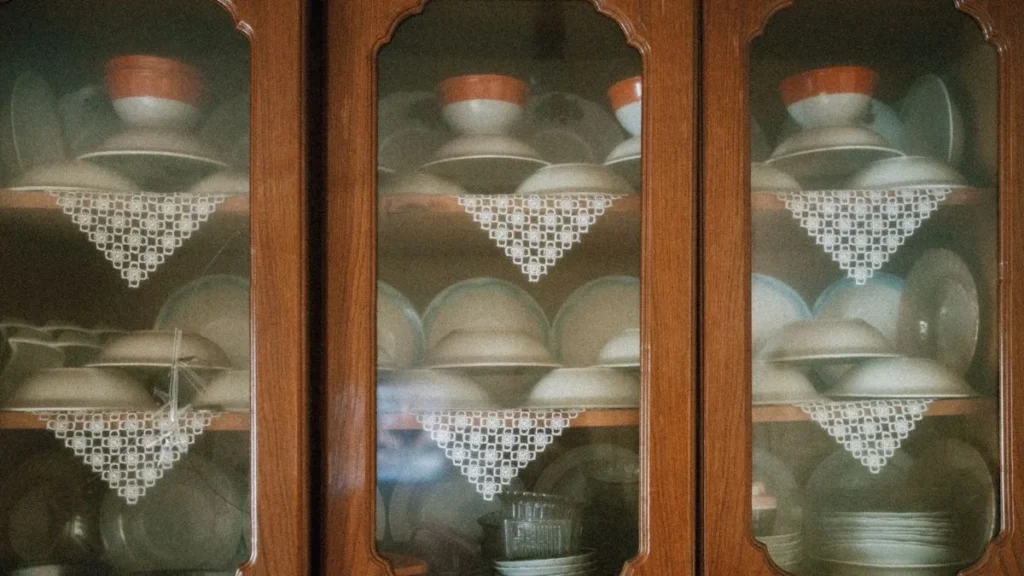
A cabinet crammed shelf to shelf and one with three empty shelves have the same problem, even though they look nothing alike — neither one was arranged, just filled or left alone. Learning to arrange a china cabinet is less about buying more pieces or clearing everything out, and more about a handful of small habits that make what you already own look chosen.
I used to shuffle the same eight plates around my grandmother’s cabinet for years without it ever looking right, and it wasn’t until I stopped treating every shelf the same way that it finally clicked. The ten techniques below are the ones that moved the needle, not filler tips added just to pad out a list.
Habits That Actually Change How A Cabinet Looks
- Height variation and odd-numbered groupings do more for a shelf than any new piece would.
- Leaving gaps around a grouping matter as much as what fills the shelf.
- One focal piece per shelf gives the eye somewhere to land first.
- A cabinet that shifts slightly with the seasons stays interesting; one that never changes fades into the room.
Height Variation Gives Every Shelf Some Rhythm
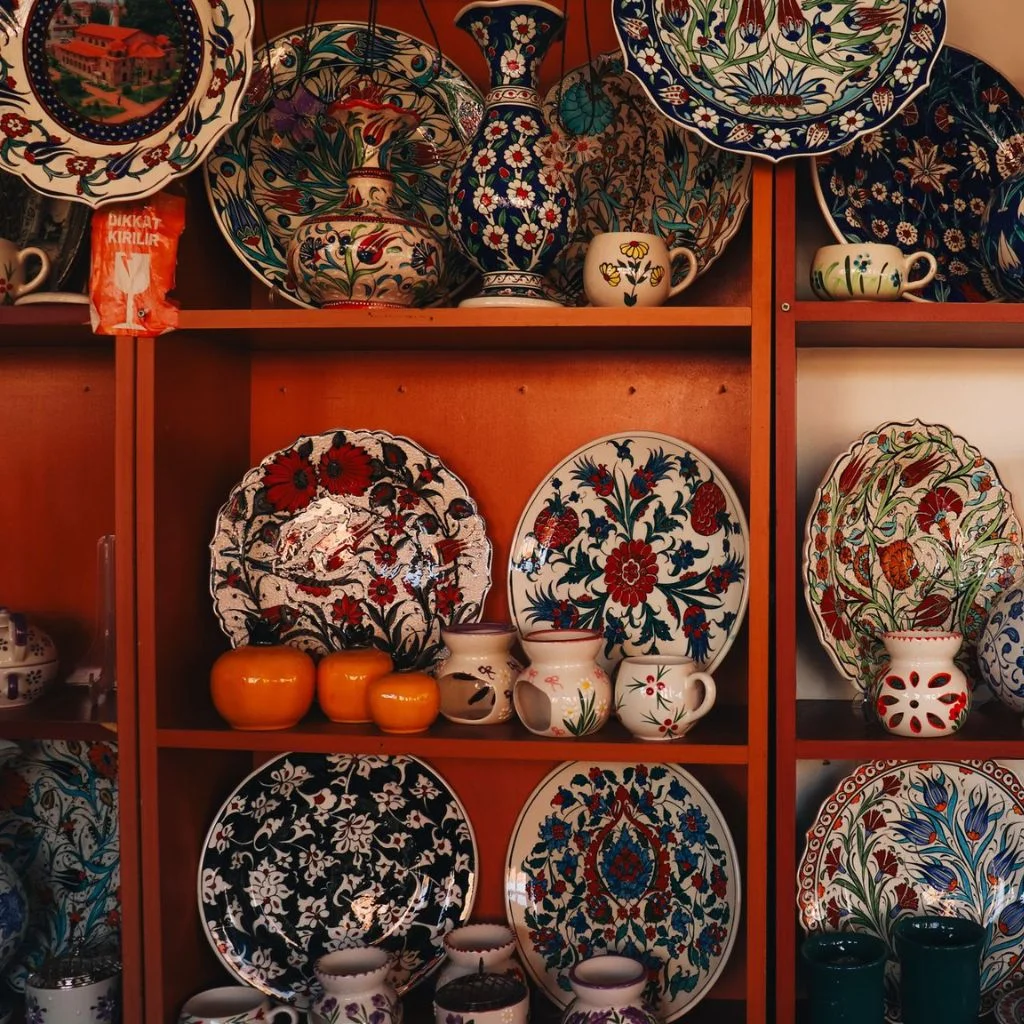
Photo Credit: Gülce Dayıoğlu / Pexels
Lining every piece up at the same height is the fastest way to make a shelf look flat, and it’s the mistake I made for longer than I’d like to admit. Tucking a small stand, an upturned bowl, or a short stack of saucers under a shorter piece breaks that straight line and gives the eye something to travel across instead of skim past.
It doesn’t need to be a matching stand from a shop, either. A jar lid or a coaster does the same job, and nobody looking at the finished shelf will ever clock what’s underneath.
Colour Gets Spread Out Not Grouped Together
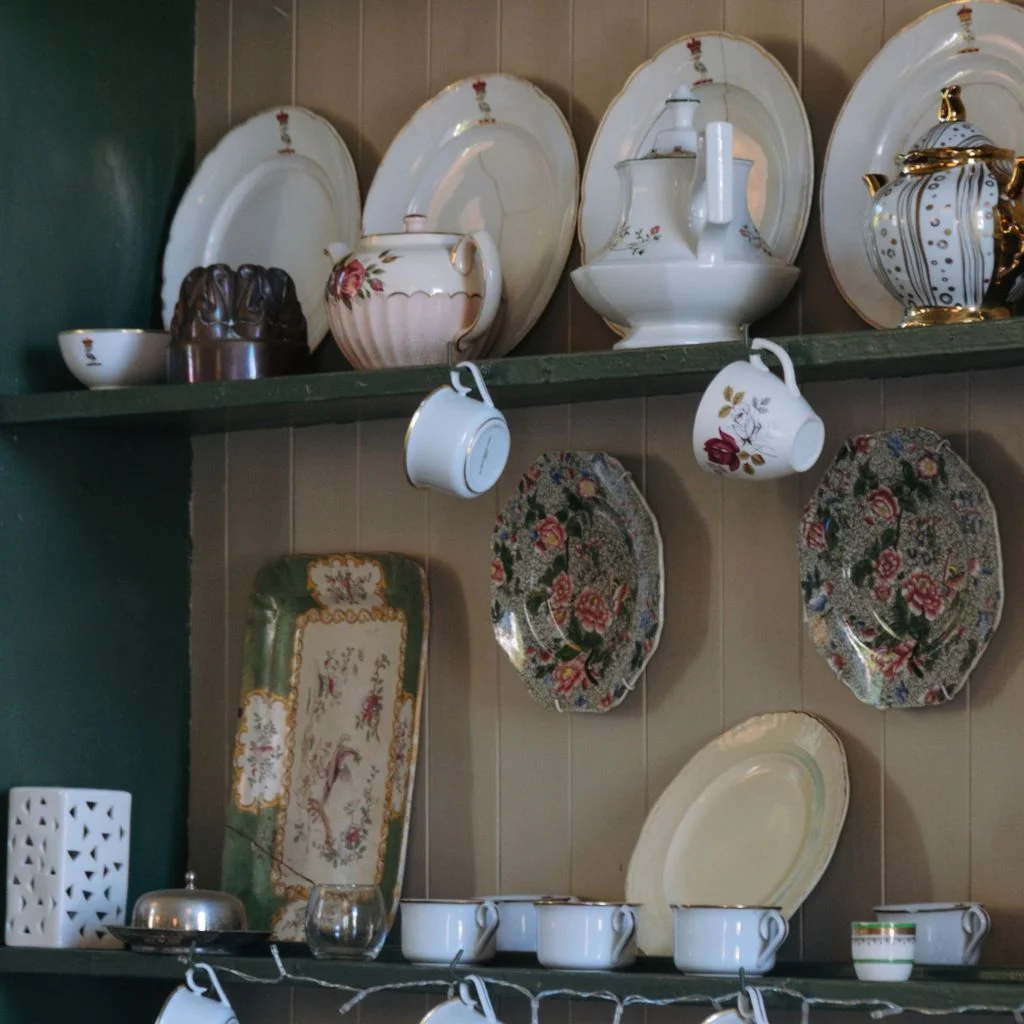
Photo Credit: Anna Lupa / Pexels
Piling every bold, patterned piece onto one shelf and leaving the rest neutral is a natural instinct, but it makes the whole cabinet look lopsided from a few steps back. Spreading the boldest colours across different shelves, with a neutral piece as a buffer between patterns, keeps the eye moving evenly instead of snapping straight to one crowded shelf.
Repeating just one colour somewhere on every shelf, even a thin gold rim or a single blue plate, is what ties the whole thing together as a set rather than four separate displays stacked on top of each other.
Odd Numbered Groupings Beat A Matched Pair
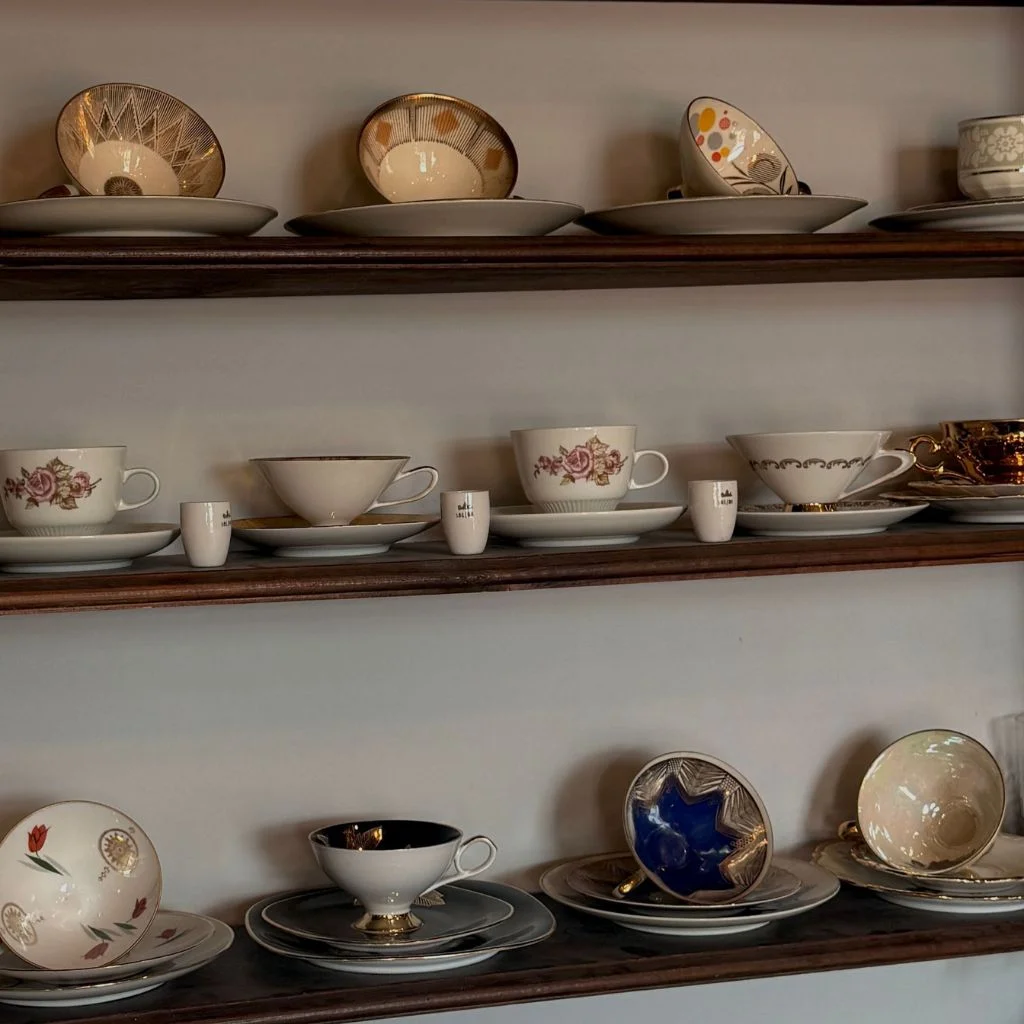
Photo Credit: Nur / Pexels
Three pieces almost always look more settled together than two, and five looks more natural than four — it’s a strange little rule, but it holds up shelf after shelf. A matched pair tends to read as decoration placed there on purpose, which sounds fine until it’s the only thing on the shelf that looks deliberate.
Grouping in odds isn’t a strict formula, and a pair works fine as part of a bigger arrangement. It only becomes a problem when a pair is the entire shelf on its own.
Empty Space Is Doing More Work Than It Looks
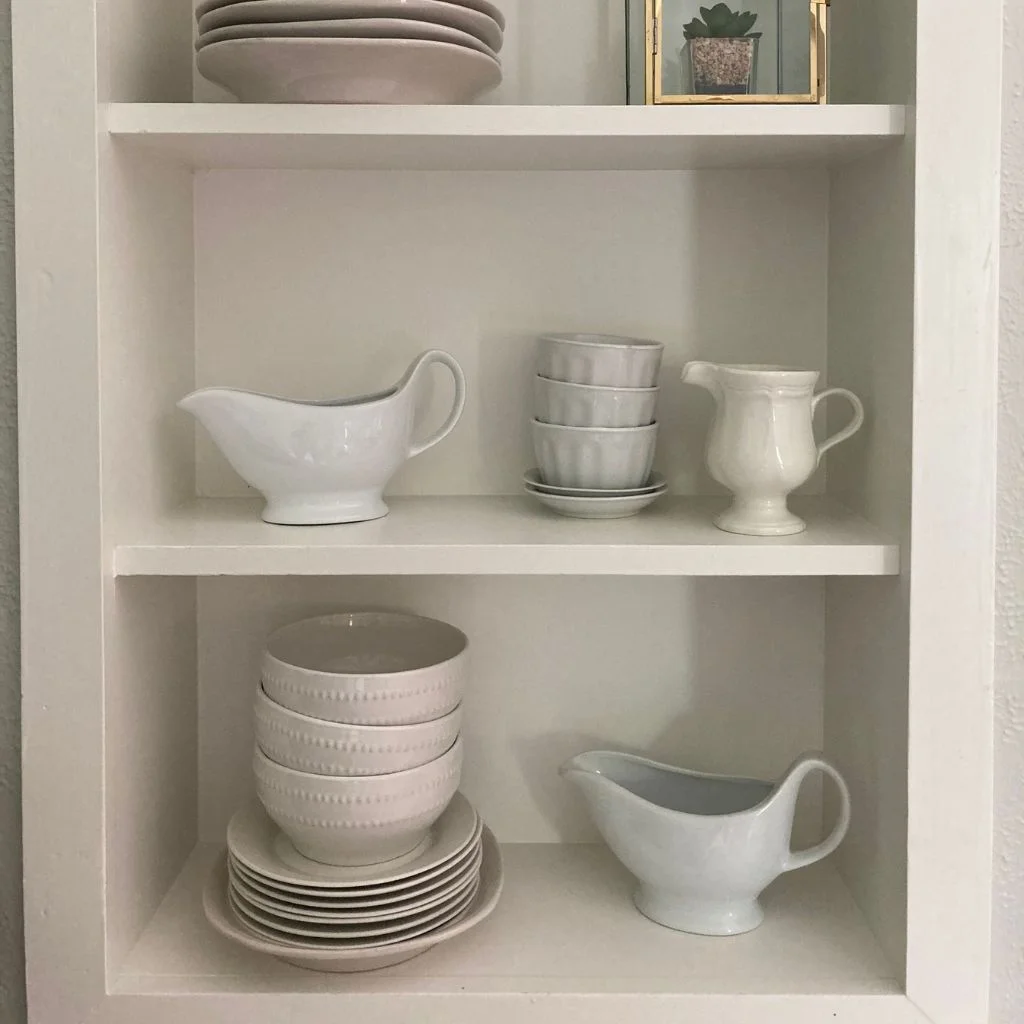
Treating every inch of a shelf as space that needs filling is probably the most common mistake I see in china cabinets, mine included for a good while. Leaving a gap around a grouping, instead of pushing pieces edge to edge, gives each item room to actually be noticed rather than blur into a wall of china.
A shelf with three pieces and breathing room around them usually looks more considered than one with six pieces touching. Fuller isn’t the same thing as better here.
One Piece Per Shelf Gets To Be The Star
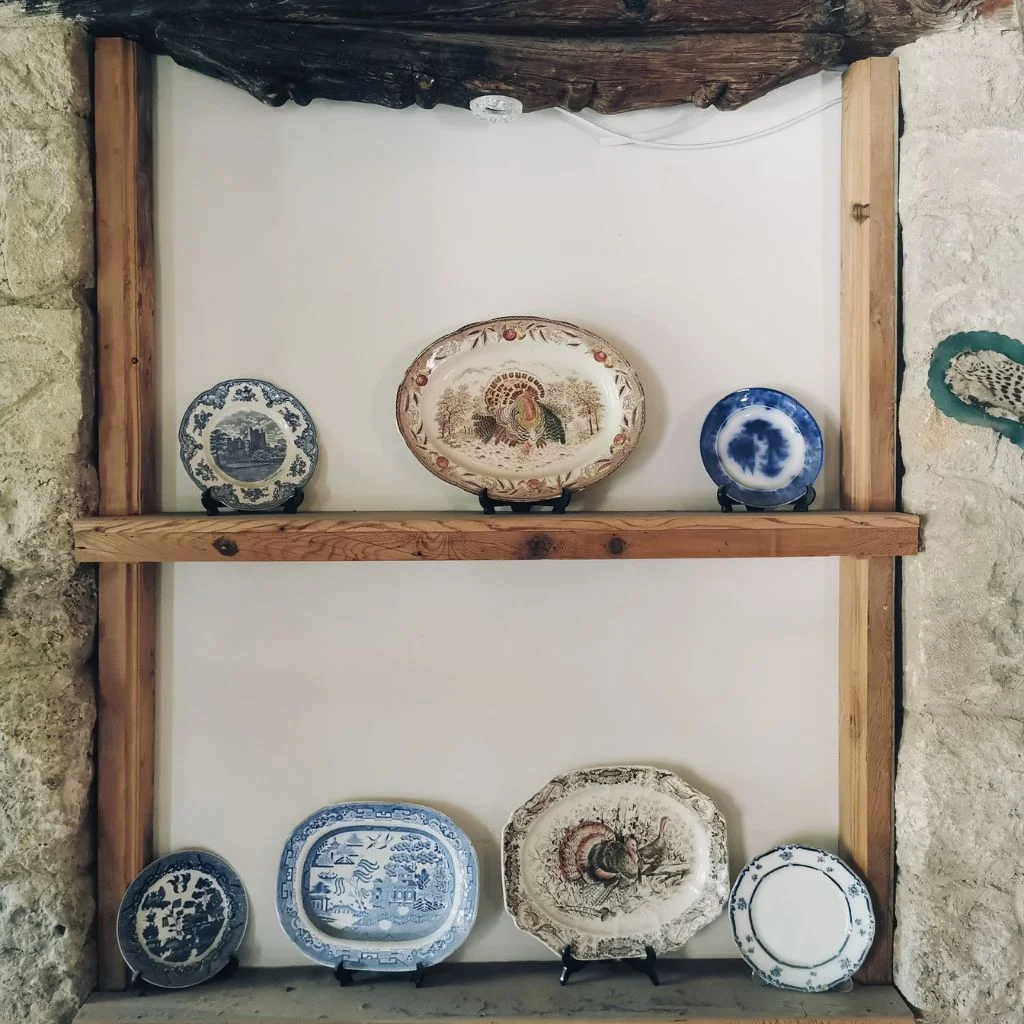
Photo Credit: Mehmet Turgut Kirkgoz / Pexels
Every shelf works better with one piece the eye lands on first, a larger platter, a teapot, or anything with a pattern bold enough to stand out from across the room. Building the rest of the shelf around that one anchor makes the whole arrangement easier to plan, since everything else is just supporting it rather than competing with it.
Without a clear focal piece, a shelf tends to look like a pile of things that happened to end up in the same spot, even when each individual piece is lovely on its own.
Layering Adds Depth Without Adding More Pieces
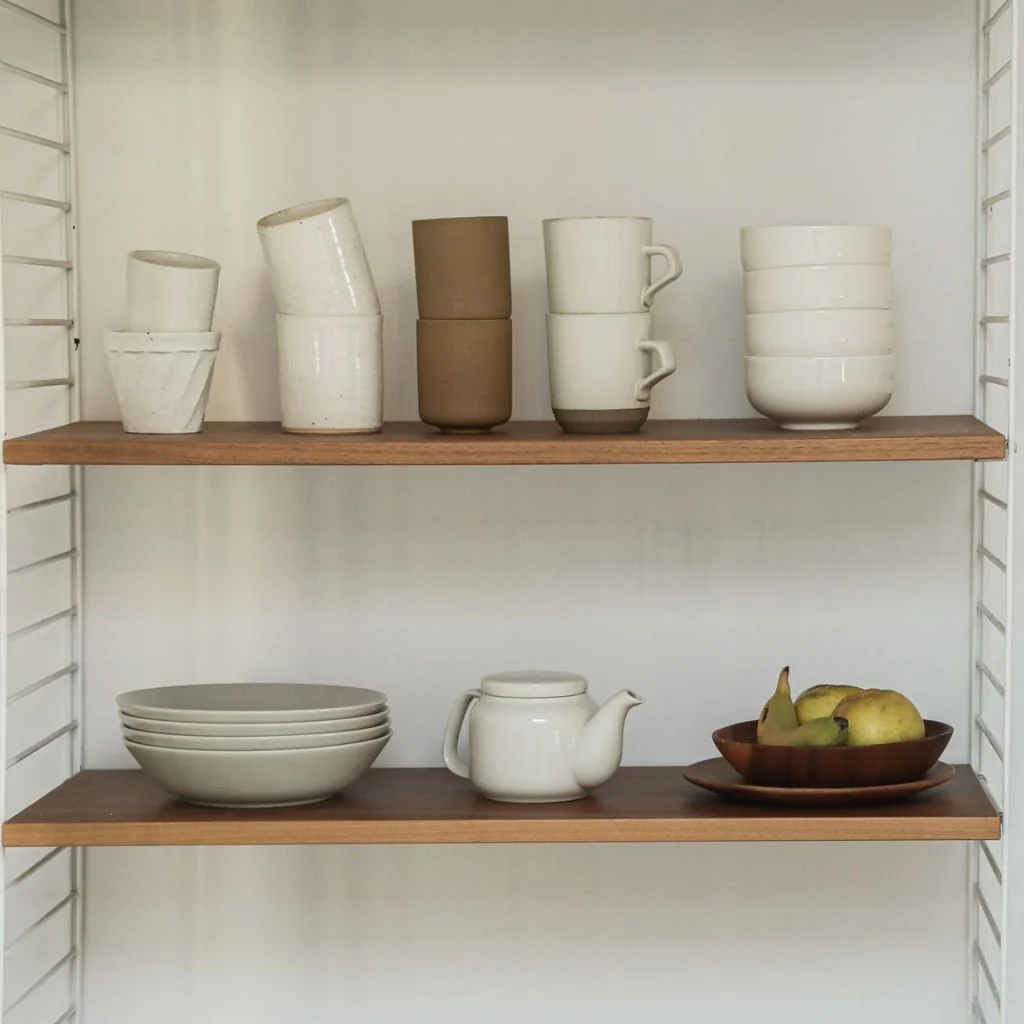
Photo Credit: Cup of Couple / Pexels
Setting a small bowl slightly in front of a standing plate, rather than lining both up in a single row, does more for a shelf’s depth than adding a fourth or fifth piece ever would. It’s a trick that works especially well on shallower shelves, where a straight row of plates can start to look cramped the moment one more piece gets added.
This is the technique I reach for most on the middle shelves, where there’s rarely enough depth for anything more ambitious.
Lighting Changes What The Same Pieces Look Like At Night
The exact same shelf can look completely different once the sun goes down, and a cabinet without lighting tends to disappear into the room after dark no matter how well it’s arranged. Built-in shelf lighting shows off glassware and fine china in a way ordinary room light rarely manages, especially once evening sets in.
Battery-powered LED strips are the easiest fix if the cabinet wasn’t fitted with lighting to begin with, and they’re simple enough to add in an afternoon without any real wiring involved.
Mixed Textures Stop A Set From Looking Too Matched
A cabinet filled entirely with the same glossy porcelain set can look flat once you actually stop and study it, even though nothing about it is wrong on its own. Working in one textured piece, a stoneware jug, a bit of cut glass, or a woven placemat used as a shelf liner, is usually enough to stop the whole thing from reading as too uniform.
I’d stop at one or two textured pieces per shelf. Much more than that and the cabinet starts to look themed rather than arranged.
Small Seasonal Swaps Keep A Cabinet From Fading Into The Room
In my experience, the cabinets that actually get noticed are the ones that shift slightly through the year, not the ones frozen in the same arrangement since the day they were unpacked. Swapping in warmer tones for autumn, or adding a few seasonal accents around the existing pieces, is a small enough change to make without redoing the whole cabinet.
It doesn’t need to be a full seasonal overhaul. Even switching two or three pieces is usually enough to make the cabinet feel current again.
Top Of The Cabinet Finishes What The Shelves Started
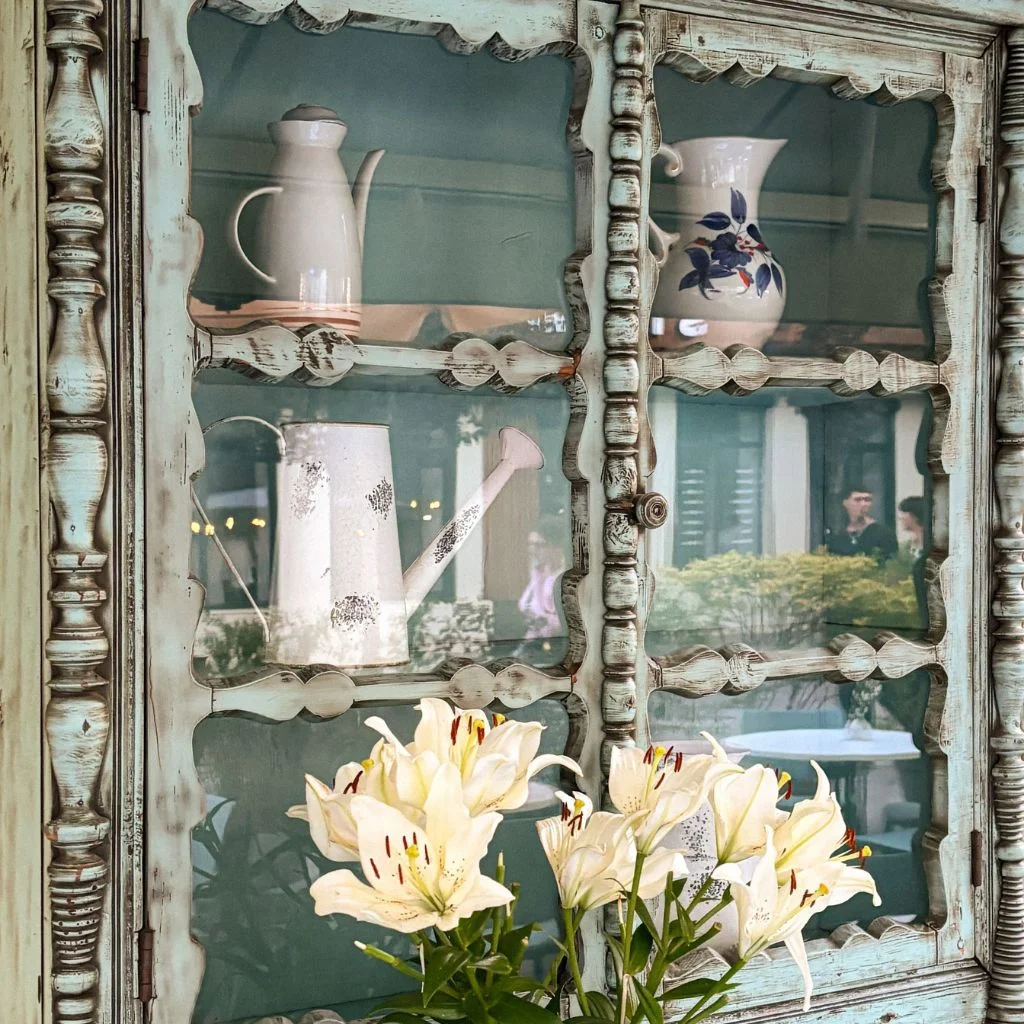
Photo Credit: z.zhenevaa_photo / Pexels
The top of a china cabinet gets overlooked more than any shelf inside it, and an empty surface up there can make an otherwise well-arranged cabinet look unfinished. One tall item, a vase, or a framed print leaned rather than hung, ties the top back into whatever is happening on the shelves below.
It’s the last five minutes of the job, and it’s the part most people skip entirely.
Start With One Shelf This Weekend
Ten techniques on one page can feel like a lot to tackle at once, and trying to apply all of them to every shelf in a single afternoon is usually how a china cabinet ends up worse than when you started. Height variation and odd-numbered groupings alone make the biggest visible difference, so those are worth trying first, on just one shelf, before touching anything else.
Once that shelf looks right, the rest of the cabinet tends to follow the same logic without much extra thought. It’s a slower way to get there, but it’s the one that sticks.
Editor Choice: Salvaged Wood Decor Ideas for a Lived In Cottage Look.
Common Questions
How many pieces should sit on one shelf?
There’s no fixed number, but three to five grouped pieces usually looks balanced. Fewer pieces with real space between them tend to look more considered than a shelf packed edge to edge.
Should plates be displayed flat or upright?
Upright, using plate stands, generally shows off a pattern better than a flat stack, and it makes better use of shelf depth too. Flat stacks still make sense for everyday sets you plan to use.
Is it fine to mix different china patterns in the same cabinet?
Yes, and it usually looks more interesting than a single matching set. Sticking to a shared colour palette or era is what keeps mixed patterns from looking like an accident.
How often should a china cabinet display change?
Once or twice a year, roughly in line with the seasons, is enough to keep it feeling fresh without turning it into a chore. A cabinet that never changes tends to fade into the background of the room.