Kids are chaos generators. Between the shoes that multiply overnight, the art supplies that live on every surface, and the rotating army of stuffed animals, even a decent-sized room can feel completely overrun. That’s exactly where the IKEA PLATSA kids room system earns its place — it’s modular, grows with your child, and turns even the most awkward corners into real, usable storage.
PLATSA isn’t just a wardrobe. It’s a buildable system of frames, drawers, shelves, and rails that you configure to fit your actual space — whether you have a tall narrow alcove, a low-ceiling sloped wall, or need to squeeze storage into a room shared by two kids. This guide walks through the smartest setups, the best add-ons, and the small details that make a PLATSA build genuinely work in a child’s bedroom.
What Makes PLATSA a Smart Choice for Kids’ Rooms
Most kids’ wardrobes are designed for a fixed moment in time. They work brilliantly when your child is four, then suddenly feel either too small or completely mismatched once they hit seven. PLATSA solves this by being entirely reconfigurable — you’re not locked into a single layout when you buy it.
The system is built around lightweight frames that clip together without tools. You can combine frames of different heights and depths, add doors or leave sections open, and swap out interior fittings as your child’s needs change. It works equally well floor-to-ceiling, as a low single-height unit, or anywhere in between.
A few things that make PLATSA particularly well-suited to kids’ rooms:
- Low-profile frames mean shelves and rails can be set at a child’s reach from day one
- Clip-together assembly makes reconfiguring the layout genuinely painless — no drilling required between modules
- Mix of open and closed storage keeps daily essentials visible while hiding the real chaos behind doors
- 40 cm depth option is a genuine space-saver in narrower rooms where a standard 55 cm unit would block circulation
- PLATSA works with SMÅSTAD fronts and BESTA drawers — giving you more interior configuration options than PLATSA alone
Starting with the Right PLATSA Frame Size
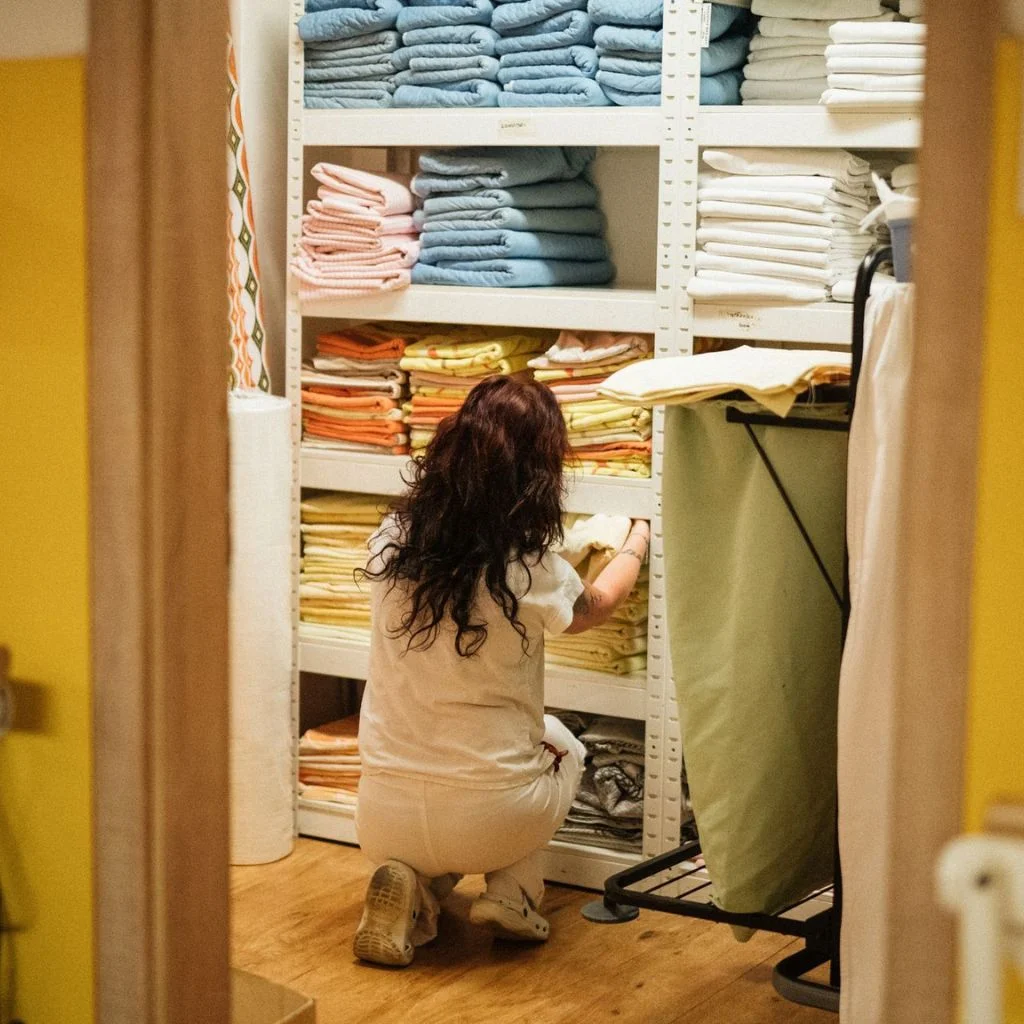
Before you start building a dream storage wall in your head, measure your actual wall. PLATSA frames come in widths of 60 cm, 80 cm, and up to 120–160 cm for TV bench configurations. Heights range from 40 cm all the way up to 180 cm, and depth options are 40 cm or 55 cm.
For most kids’ rooms, the 60 cm wide x 180 cm tall frame is the workhorse. It’s narrow enough to slot into gaps and corners, tall enough to hit the ceiling in rooms with standard 245 cm height, and deep enough in the 55 cm version to fit a proper hanging rail. If floor space is really at a premium, the 40 cm depth version still handles folded clothes, baskets, and accessories without eating into the room.
One practical tip: if you’re building a multi-frame wall, start by choosing your heights first. Mixing a 180 cm tall unit with a 120 cm unit side by side creates a natural divide — the lower section can double as a surface for a lamp or display, while the top section adds closed storage above.
PLATSA Setup Ideas for Small Kids’ Rooms
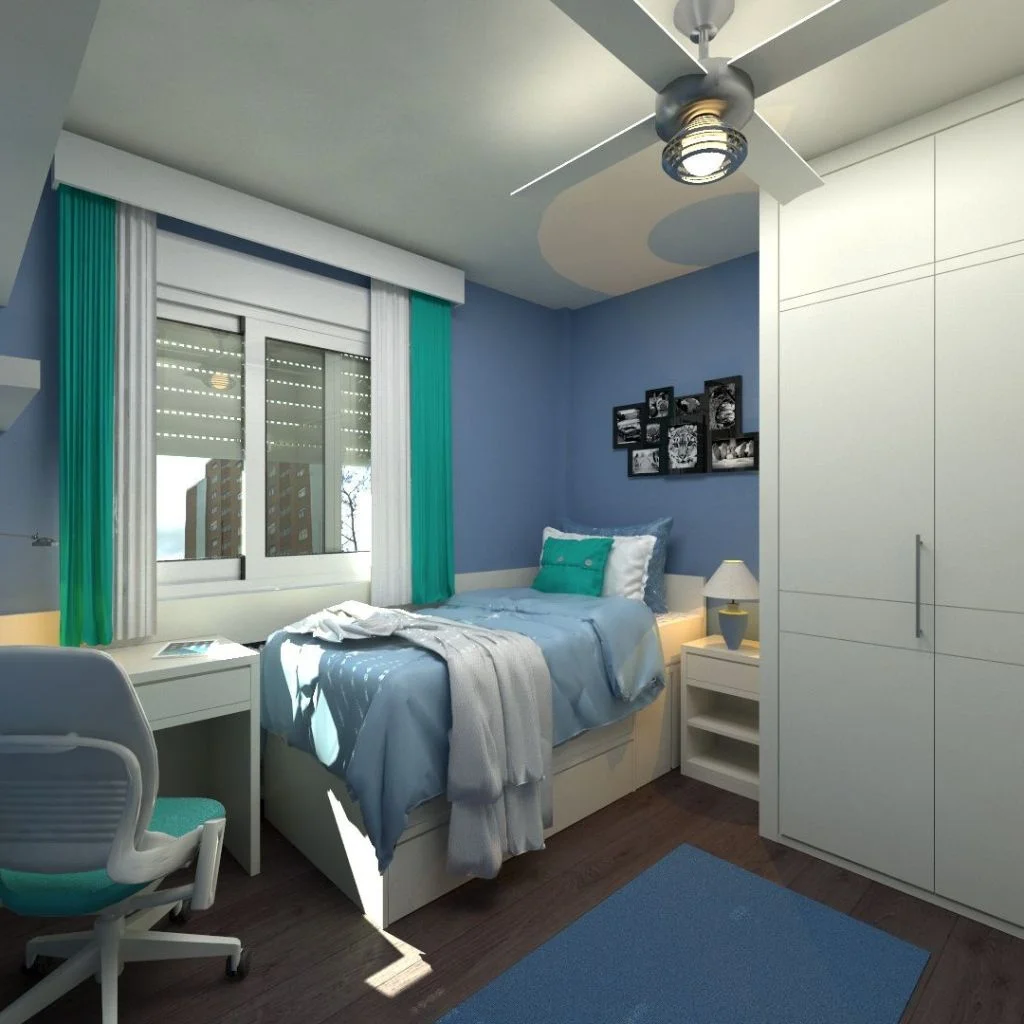
Small rooms force better decisions — and PLATSA handles constraints particularly well. Here are setups that genuinely work in tight spaces.
The Alcove Fill
If your child’s room has an alcove or recessed wall, PLATSA is almost made for it. Use two 60 cm frames side by side to fill the width, one tall for hanging and one shorter for a mix of drawers and open shelving at the bottom. The result looks built-in for a fraction of bespoke joinery cost — one family on a real-world build used PLATSA with BESTA drawers to fill a 255 cm wall in a 10 sqm shared girls’ room and ended up with full clothing storage, toy storage, and a bookshelf with a seating area.
The Corner Wrap
Two PLATSA units at a right angle turns a dead corner into a storage hub. Place a tall unit on one wall and a lower 60 cm unit (120 cm height) on the adjacent wall. Keep the lower unit open-fronted so toys are accessible and use the tall unit for clothes and out-of-reach items. Add a cushion on top of the lower unit and it doubles as a bench.
The Mini Walk-In
If your child’s room has a larger closet space or even a partitioned area, a PLATSA layout with lowered hanging rails, accessible open shelves, and pull-out wire baskets creates something close to a walk-in wardrobe at a child’s scale. Drop the rails to child height so they can hang their own clothes — this genuinely builds independence and reduces the daily ‘I can’t find my top’ drama.
The Reading Nook Overhead
Wall-mounted PLATSA cabinets installed above a small seating corner create a cozy nook effect underneath. Mount them at a height that leaves enough headroom for a cushion and a reading light below. Add curtains on either side of the nook and it becomes a proper little retreat inside the bedroom.
PLATSA Plus SMÅSTAD: The Kids Room Power Combo
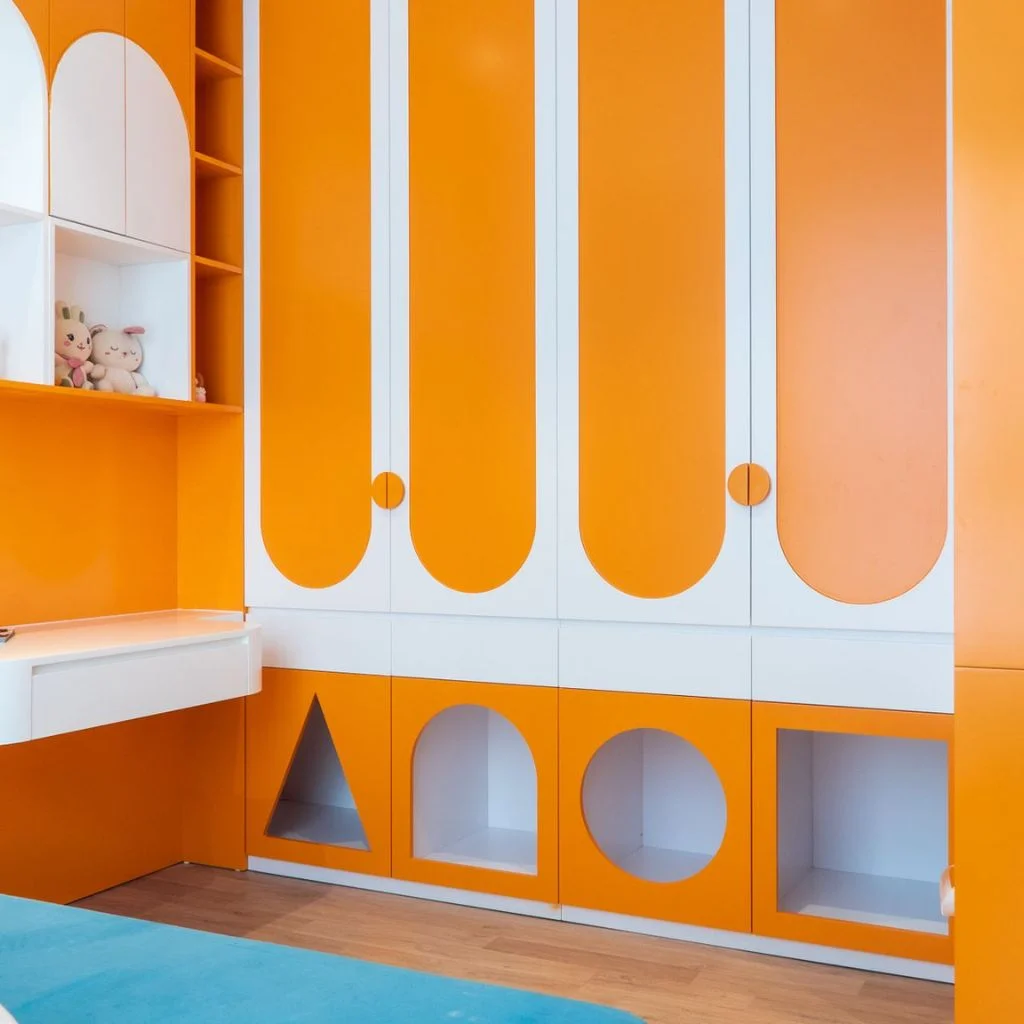
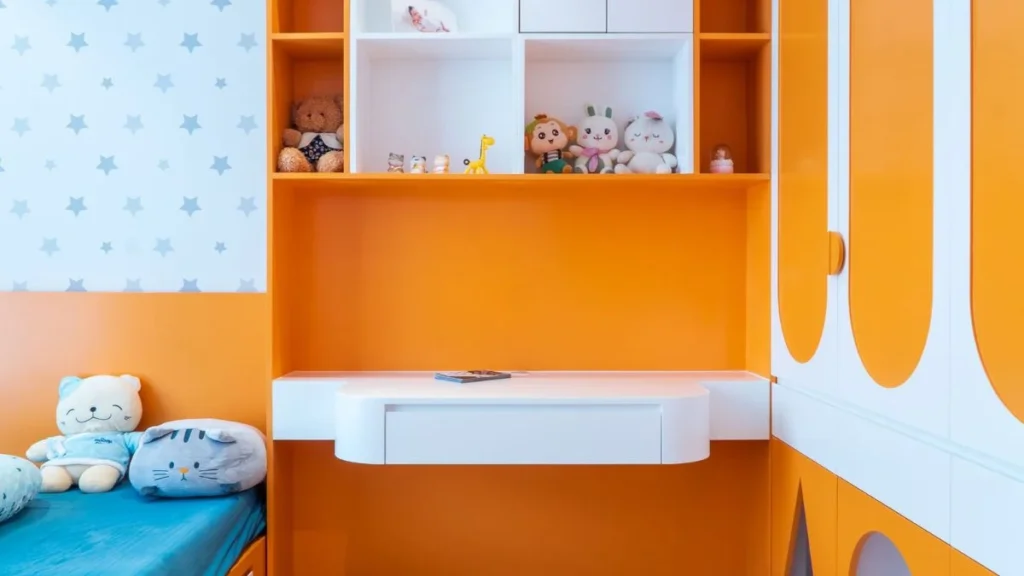
The SMÅSTAD / PLATSA wardrobe combination is IKEA’s purpose-built answer for children’s rooms. SMÅSTAD fronts — available in white, lilac, blue, light green, and grey — fit over PLATSA frames and bring rounded corners, soft-close hinges, and child-scaled proportions that plain PLATSA doors don’t offer.
The SMÅSTAD wardrobe range covers 60 cm wide frames in 123 cm and 181 cm heights, with interior configurations including hanging rails, shelves, wire baskets, and 3 or 4-drawer options. The 40 cm depth variant is also available — important if you’re working in a genuinely tight room.
What makes this combo stand out:
- Adjustable interiors mean the layout you use for a 3-year-old can be reconfigured for a 10-year-old without buying new furniture
- Hooks at child height inside the door let kids hang tomorrow’s outfit the night before
- HÄNGIG label holders can be added to each drawer so younger children can identify where things go independently
- Soft-close hinges survive the enthusiastic door-slamming that tends to happen after disagreements
- Colour options let you match or contrast with the room’s palette without painting
Inside the Wardrobe: Interior Fittings Worth Knowing
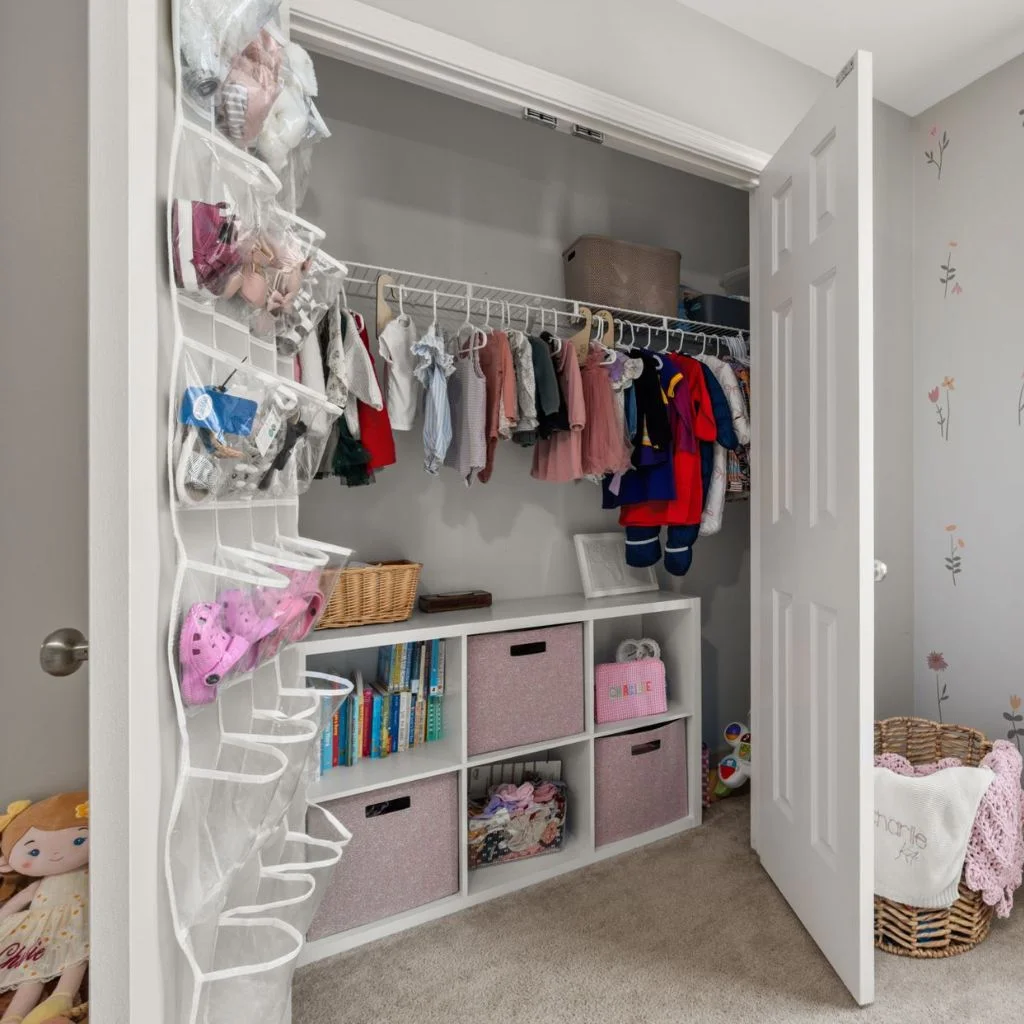
The frame is just the start. Where PLATSA builds real value is in the HJÄLPA interior fittings — the shelves, rails, wire baskets, and pull-out systems that determine how usable the space is.
Here’s a practical breakdown by age and storage need:
For Toddlers and Young Children (2–6)
- Lower adjustable rail set at around 80–90 cm so they can hang items independently
- Wire baskets on pull-out rails for shoes, socks, and accessories that are easier to grab than rummage through drawers
- Open shelves at eye level for cubbies, labelled boxes, or TROFAST inserts to keep categories separate
For School-Age Kids (6–12)
- Double-height hanging section using a suspension rail — hang short items (shirts, jackets) over a lower shelf to maximise vertical space
- KONSTRUERA drawers with SMÅSTAD drawer fronts give dedicated spots for folded clothes, reducing the crumpled pile problem
- A dedicated shelf for school bags and sports kits at mid-height keeps the floor clear
For Tweens and Teens
- Full-height hanging rail as style preferences shift toward more hanging garments
- Deeper shelves for folded items like hoodies, sports gear, and extra bedding
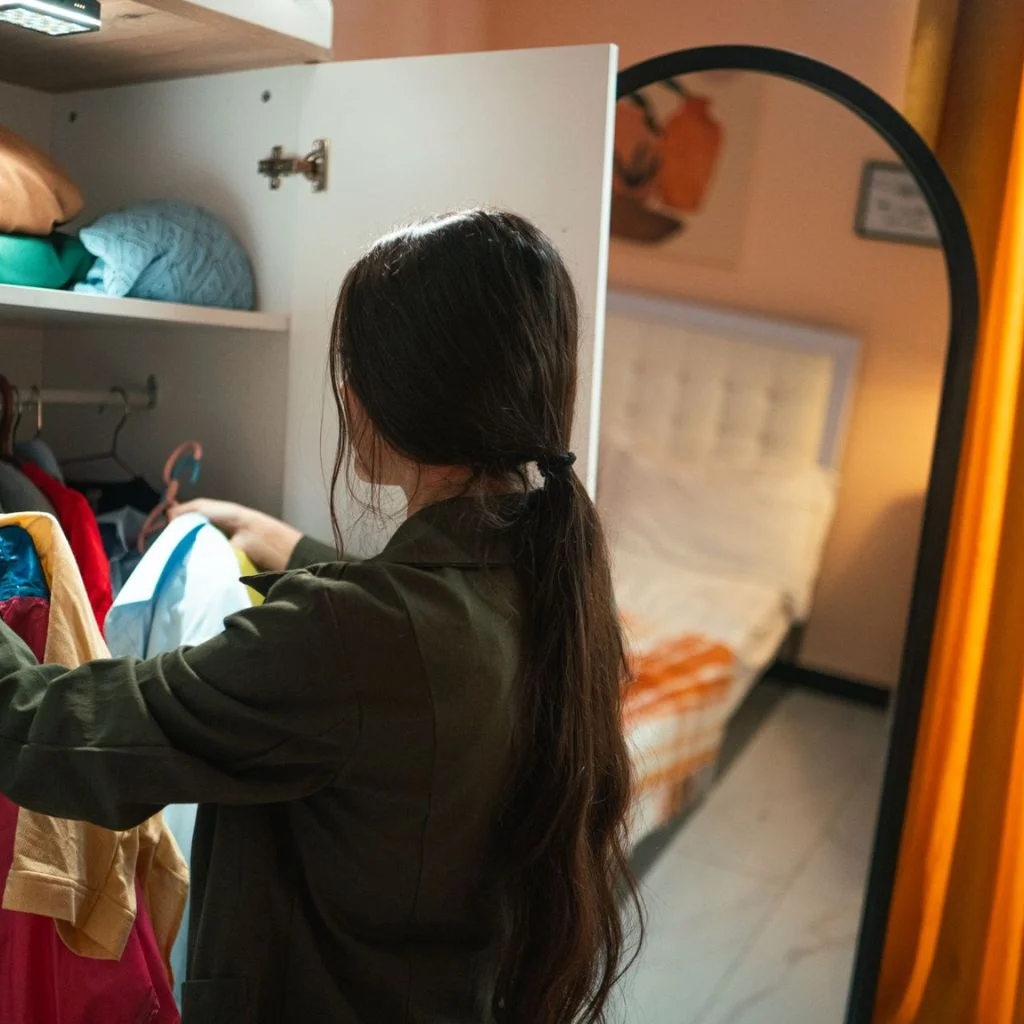
- A mirrored door option on one module replaces the need for a separate mirror and makes a smaller room feel larger
Building a Full Storage Wall with PLATSA
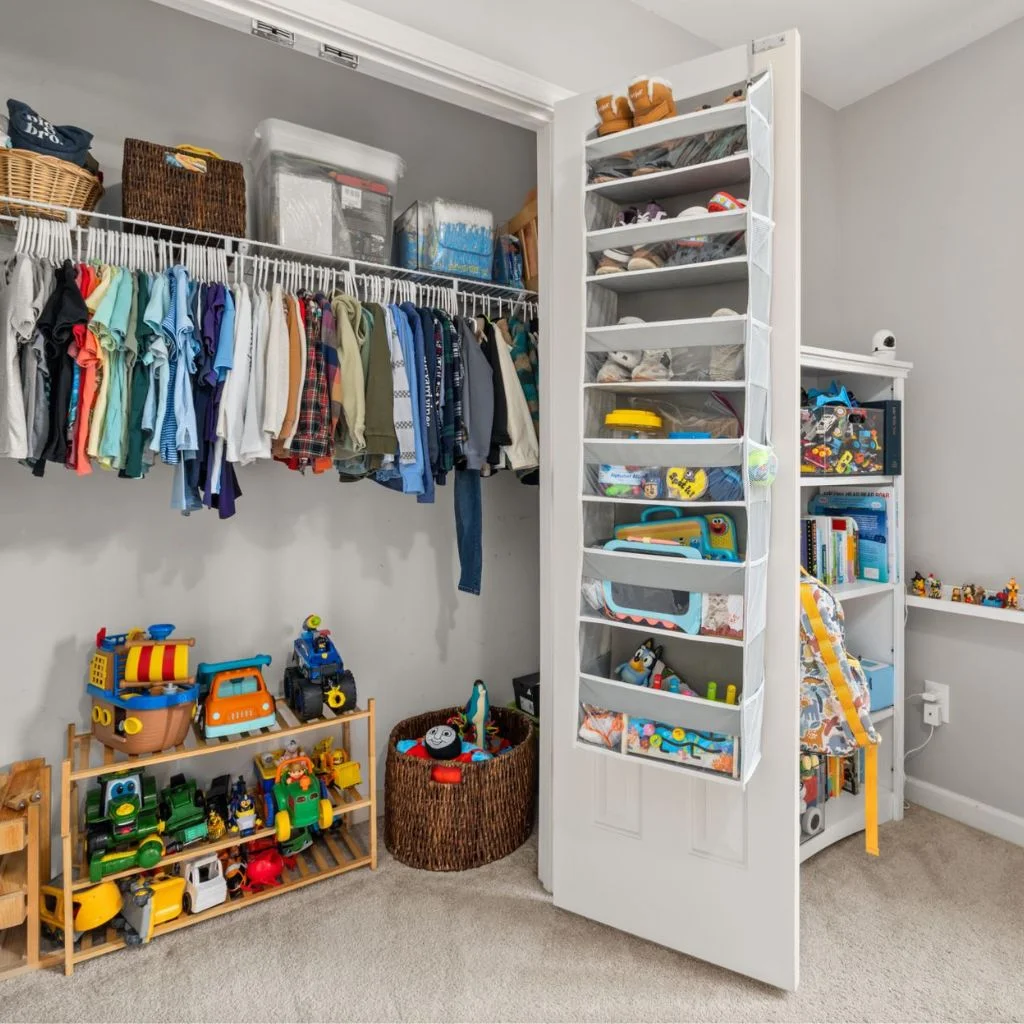
A floor-to-ceiling PLATSA wall is where the system really earns its reputation. Done right, it consolidates everything — clothes, toys, books, art supplies, out-of-season gear — into one wall so the rest of the room can breathe.
The key is mixing closed storage (doors) with open storage (shelves). Closed sections hide the inevitable chaos; open sections put books, toy collections, and daily-use items on display. A well-balanced wall is roughly two-thirds closed and one-third open.
Practical things to plan before you build:
- Check ceiling height first. A 180 cm tall frame in a 245 cm room leaves 65 cm above — enough for a top panel that fills the gap and adds extra storage
- Mix PLATSA with BESTA. BESTA drawers fit alongside PLATSA units and the white fronts are visually identical, giving you deeper drawer configurations PLATSA doesn’t offer on its own
- Wall anchor every frame. PLATSA frames must be wall-anchored for safety — especially important in a child’s room where the wardrobe may be climbed on
- Plan the lighting early. LED strip lights inside open sections or underneath upper cabinets transform the room at night
- Consider a top panel. Running a continuous top panel above all frames ties the whole wall together and gives it a built-in finish
Making It Last as Your Child Grows
One of the smartest things about committing to a PLATSA build is that the investment follows the child. The frames themselves don’t change — only the interior fittings do. When your toddler outgrows the low rail setup, you raise the rail. When they start secondary school and suddenly have twice as many clothes, you add a suspension rail for double hanging.
A few longer-term strategies worth building in from day one:
- Buy one extra HJÄLPA shelf at the start so you’re ready to add a level when the storage need changes
- Choose neutral fronts if you’re uncertain — white and grey SMÅSTAD doors work across every design phase from nursery to teen
- Leave one open section that can become a display area, study nook, or mini dressing station as the child gets older
- Use the IKEA PLATSA planning tool to sketch your existing setup and plan the next reconfiguration before buying — it prevents unnecessary purchases
The goal is a room that doesn’t need to be completely replaced every few years. PLATSA makes that possible in a way that most flat-pack kids’ furniture doesn’t.
Small Room, Sorted — and Ready for Whatever Comes Next
The real win with a PLATSA kids room setup isn’t just the storage — it’s the fact that it solves the problem once and doesn’t need replacing every time your child decides they’re suddenly into a completely different aesthetic. You move the rail. Swap the basket for a shelf. Add a drawer. The frame stays, and the room evolves with the child inside it.
Whether you’re starting with a single small unit for a toddler’s nursery or building an entire storage wall for two kids in a shared space, PLATSA gives you a real system rather than a temporary fix. Plan carefully, anchor everything to the wall, and don’t skip the IKEA planning tool — it makes working out combinations much easier before you commit to buying.
Highly Recommended: Ikea Mudroom Hacks for Stylish and Organised Entryways.
Frequently Asked Questions
Is IKEA PLATSA good for a kids’ room?
Yes — PLATSA is one of the strongest choices for children’s rooms specifically because it’s modular and reconfigurable. You can start with a simple single wardrobe for a toddler and expand the same system into a full storage wall as the child grows. The SMÅSTAD combination adds child-specific features like lowered rails, rounded door corners, and soft-close hinges.
PLATSA vs PAX — which is better for a kids’ room?
PLATSA is generally more flexible for children’s rooms than PAX. With PLATSA you can have exposed drawer fronts at the bottom and a door above — PAX requires internal drawers inside the wardrobe. PLATSA also has a 40 cm shallow depth option which is useful in smaller rooms. PAX has more door and finish choices for those who want that, but PLATSA wins on adaptability for children.
Can PLATSA reach the ceiling?
PLATSA frames go up to 180 cm tall. In a standard room with 240–245 cm ceilings, you’ll have a gap above. You can fill this with a custom top panel, additional PLATSA 40 cm height frames, or decorative trim. The IKEA planning tool can help you calculate exact combinations for your ceiling height.
What is the 40 cm depth PLATSA good for?
The 40 cm depth PLATSA frame is ideal for smaller kids’ rooms where floor space matters more than storage depth. It works well for folded clothes, shoes, accessories, and open shelf displays. It’s not deep enough for a standard hanging rail but works perfectly with shelves, wire baskets, and smaller drawers.
Can I mix PLATSA and BESTA in a kids’ room?
Yes, and it’s a popular approach. PLATSA frames (55 cm deep) and BESTA units (40 cm deep) can be positioned side by side when you build in a connecting top panel. White SMÅSTAD fronts and white BESTA Lappviken fronts are visually almost identical — making the combination look like one continuous built-in unit.