A well-chosen dresser is one of the hardest-working pieces in any nursery — and IKEA nursery dressers manage to pull off practical and pretty without draining your budget. Whether you’re building a soft boho sanctuary or a sleek, modern baby room, IKEA has a dresser that fits the vision.
The challenge isn’t finding an IKEA dresser — it’s knowing which one to choose, how to style it, and whether it can double as a changing station. This guide covers all of it, broken down by style so you can shop and set up with confidence.
Best IKEA Dressers for a Nursery at a Glance
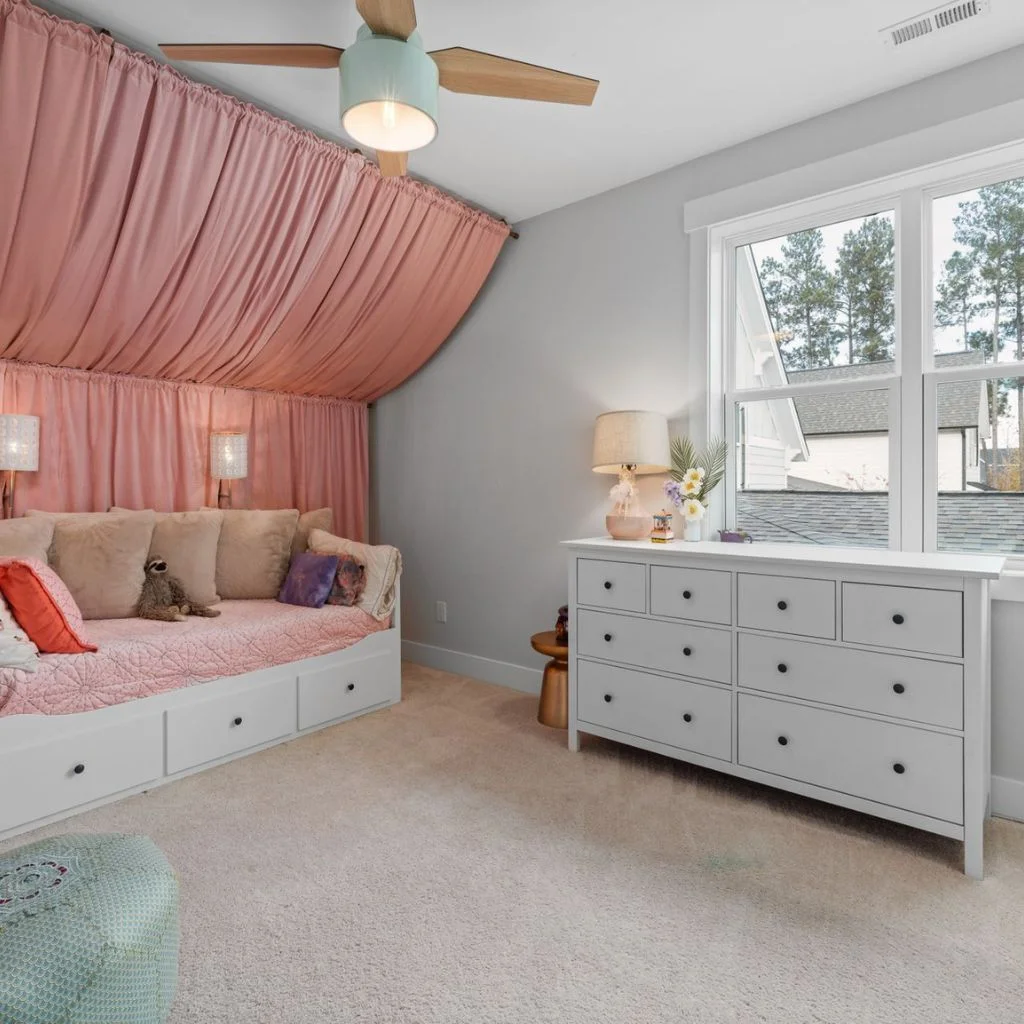
IKEA makes several dresser lines that work beautifully in a nursery. The most popular picks are the HEMNES, SUNDVIK, RAKKE, NORDLI, and HAUGA. Each brings something different to the table — from cottage charm to sleek minimalism.
The HEMNES is a perennial favorite. It’s solid wood, comes in white, gray-brown, and black-brown, and fits seamlessly into almost every nursery style. It’s also deep enough to hold a standard changing pad on top.
The SUNDVIK is designed specifically as a children’s dresser, with smooth drawer fronts and a compact footprint that suits smaller nurseries. The NORDLI is the go-to for modern, push-open storage with a seamless, handle-free look.
IKEA Nursery Dresser Looks by Style
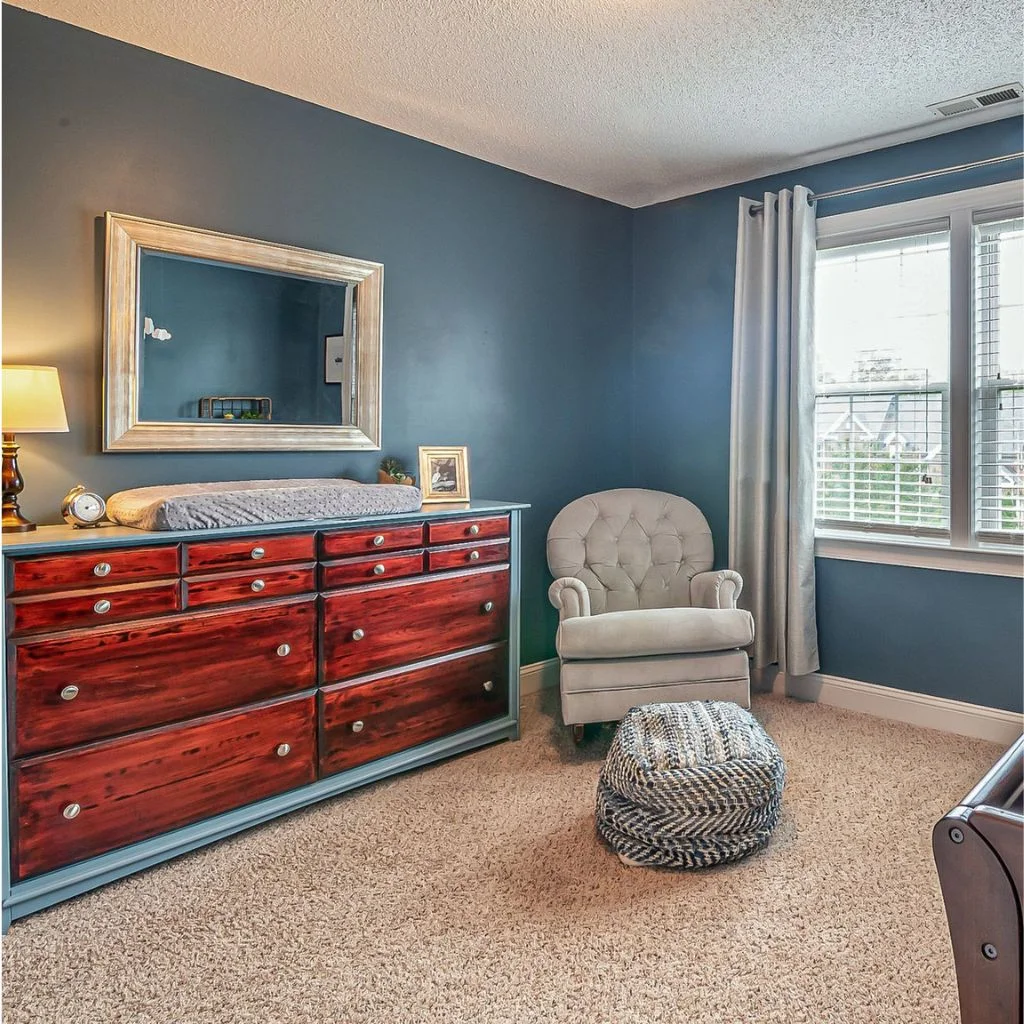
One of the best things about IKEA nursery dressers is how easily they adapt. The same white HEMNES can look boho with rattan pulls, minimal with sleek hardware, or classic with soft sage accessories. Here’s how to style each dresser for the look you’re going for.
Neutral and Scandinavian
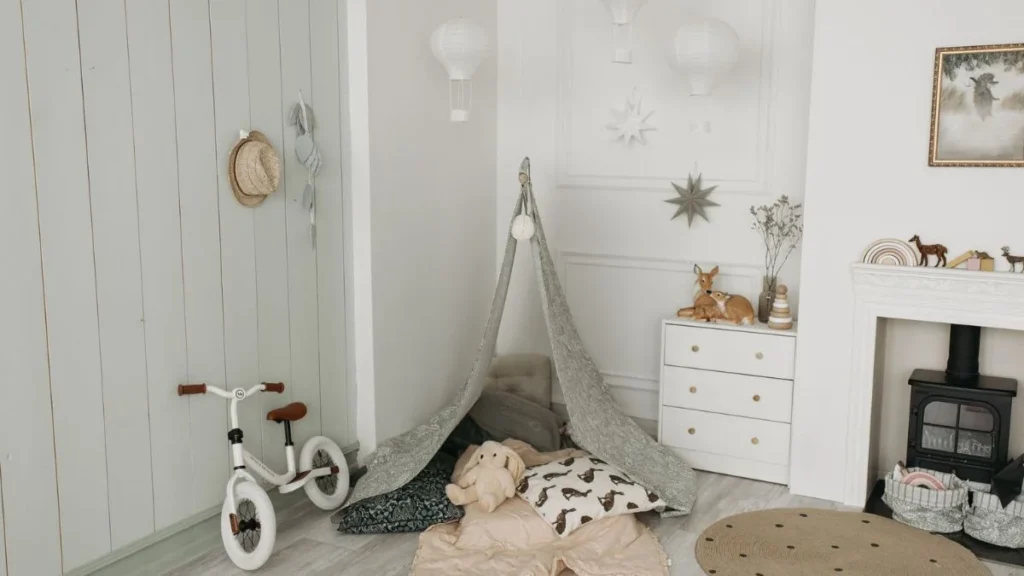
For a clean, airy nursery, go with the white HEMNES or HAUGA dresser and keep the top styling minimal. A small potted plant, a soft linen changing pad cover, and one framed print are all you need. Stick to a palette of white, oat, and soft sage.
Swap out the original handles for matte black bar pulls for an instant Scandinavian upgrade. The contrast feels intentional without being loud. Keep drawer organization tight using SKUBB inserts inside.
Boho and Earthy
The HEMNES in white or gray-brown works perfectly for a boho nursery. Add rattan drawer knobs (available on Etsy or Amazon), layer a macramé wall hanging above the dresser, and set a wicker tray on top to corral essentials.
Earthy tones like terracotta, warm cream, and dusty rose on the walls and textiles help anchor the dresser into a boho-styled space. A small trailing plant in a terracotta pot on top completes the look without clutter.
Modern and Minimalist
The NORDLI dresser is made for this aesthetic. It’s push-to-open, handle-free, and comes in white and anthracite. Pair it with matching white walls, recessed lighting, and a single piece of abstract art above it.
Keep the dresser top completely clear except for a monitor, a small diffuser, and maybe one succulent. The beauty of a minimalist IKEA nursery dresser setup is that negative space does the heavy lifting.
Classic and Traditional
The SUNDVIK dresser in white has a cottage-style silhouette that suits traditional nurseries perfectly. Pair it with gold or brass hardware, a framed floral print gallery wall above, and soft white curtains nearby.
Layer a small lamp on one side and a fabric-covered storage box on the other. This dresser is compact, which makes it especially good for smaller rooms where you still want character without crowding.
Using an IKEA Dresser as a Changing Table
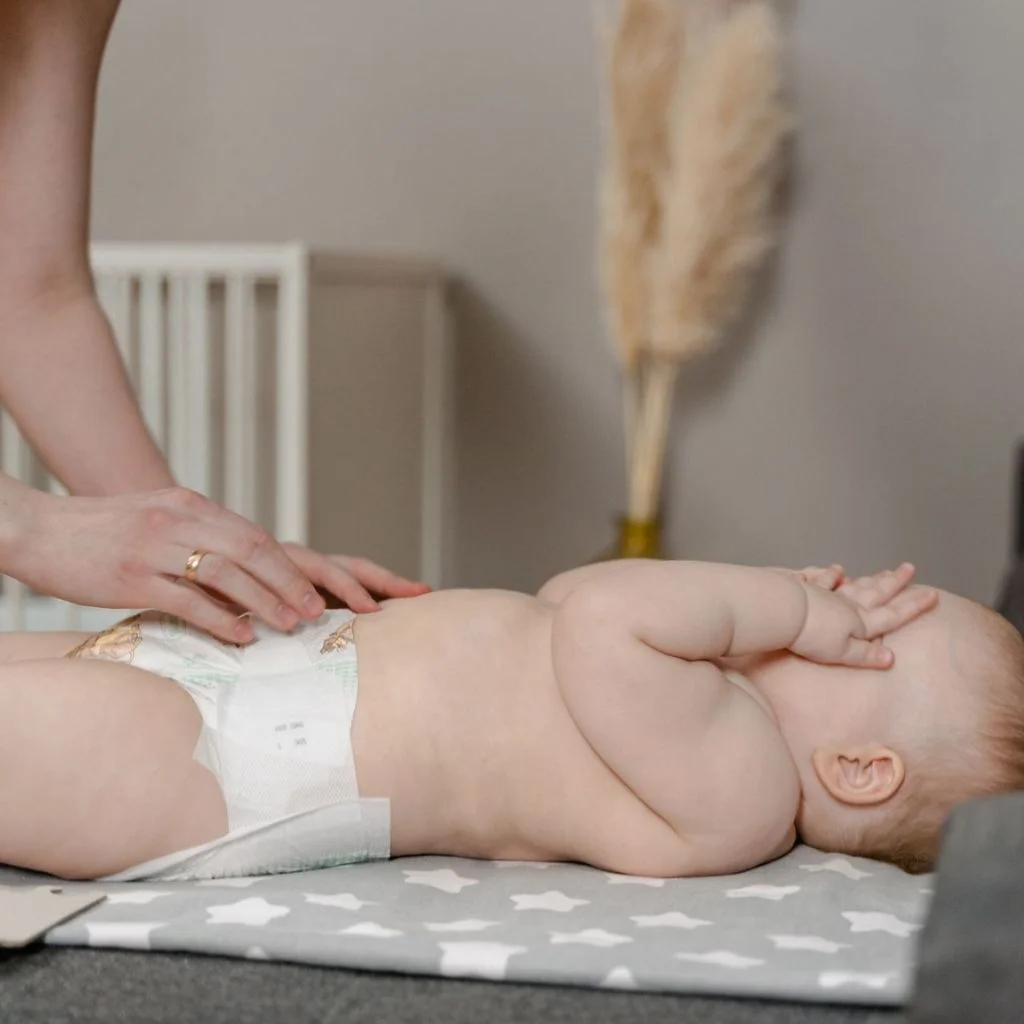
One of the smartest things about an IKEA nursery dresser is its ability to function as a changing station. Most HEMNES and HAUGA dressers are deep enough to hold a standard changing pad — typically around 33 x 16 inches — securely on top.
IKEA even sells its own changing tray, the SKOTSAM, which is designed to fit perfectly on top of the HEMNES dresser. It has raised edges to keep baby secure and wipes clean easily. If your dresser is going to pull double duty, this is worth adding.
Keep the top drawer of the dresser stocked with changing essentials — diapers, wipes, a spare onesie, and diaper cream — so everything is within arm’s reach. A small wall-mounted shelf directly above works well for a small lamp or a monitor without crowding the changing surface.
Dresser Topper and Styling Ideas
The top of your IKEA nursery dresser is prime real estate. You want it to look intentional and styled — but still function well for daily tasks. Getting this balance right makes the whole room feel pulled together.
A diaper caddy or small wicker tray is the easiest way to corral the necessities without making the dresser top look cluttered. Set it to one side and keep the rest of the surface for a lamp, a small plant, or a framed photo.
If you’re not using the dresser as a changing table, consider a styled vignette: a small stack of baby books, a tiny stuffed animal, a LED nightlight, and a framed birth announcement. Group things in odd numbers and vary the heights for a designer-looking arrangement.
A small mirror leaning against the wall above the dresser makes the room feel larger, and works especially well in small nurseries. Round mirrors feel softer and suit more nursery styles than rectangular ones.
Safety Tips Before You Set Up
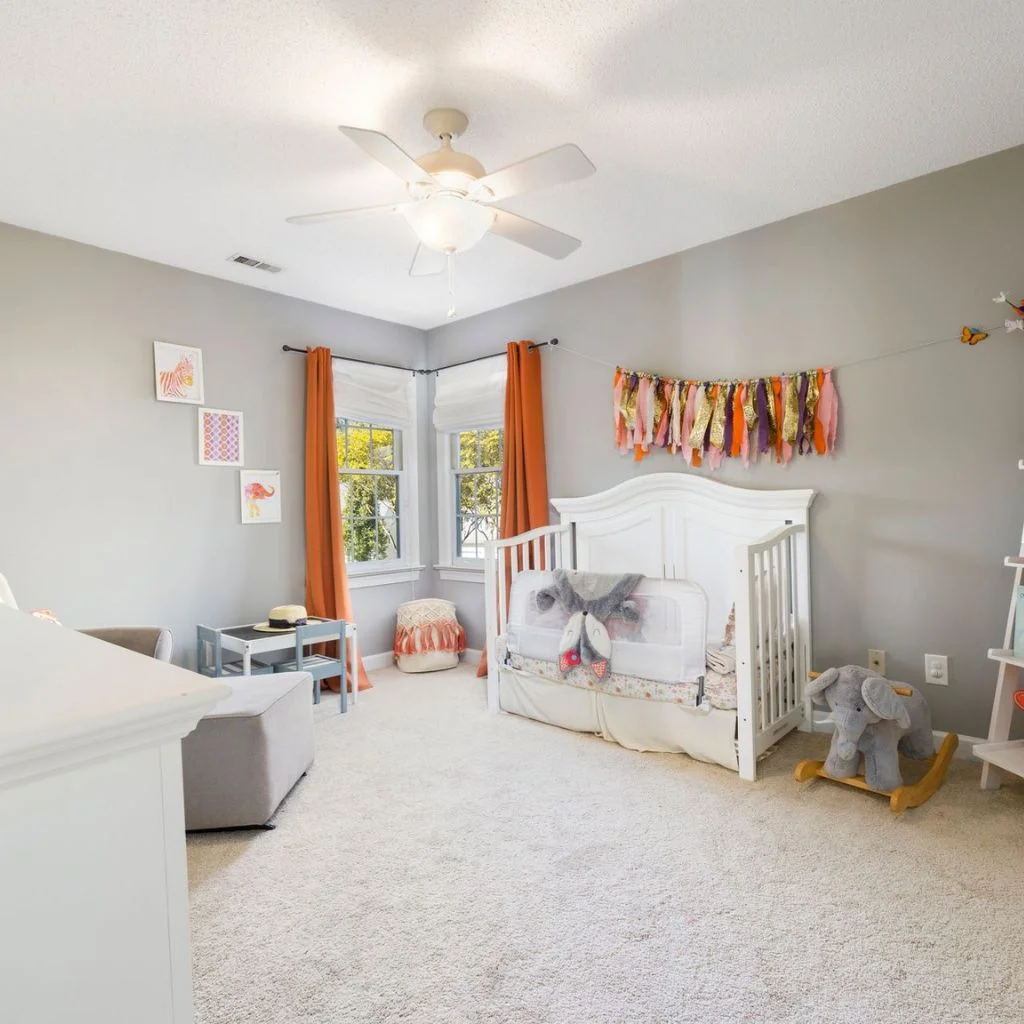
No matter how beautiful the styling, safety comes first with any IKEA nursery dresser setup. Dressers are among the most common causes of tip-over injuries in children’s rooms, so securing yours to the wall is non-negotiable.
IKEA includes anti-tip wall anchors with most of their dresser lines. Install them — it takes about ten minutes and makes a significant difference. If you’ve lost yours, they’re available cheaply online and from IKEA’s spare parts service.
A few other things to keep in mind:
- Never leave baby unattended on a changing pad, even for a second.
- Keep the dresser away from windows to prevent cord strangulation hazards.
- Avoid placing heavy items on the top drawers — this can affect the dresser’s balance.
- Check that all drawers have smooth-glide mechanisms and no sharp interior edges.
Organizing the Inside of Your IKEA Nursery Dresser
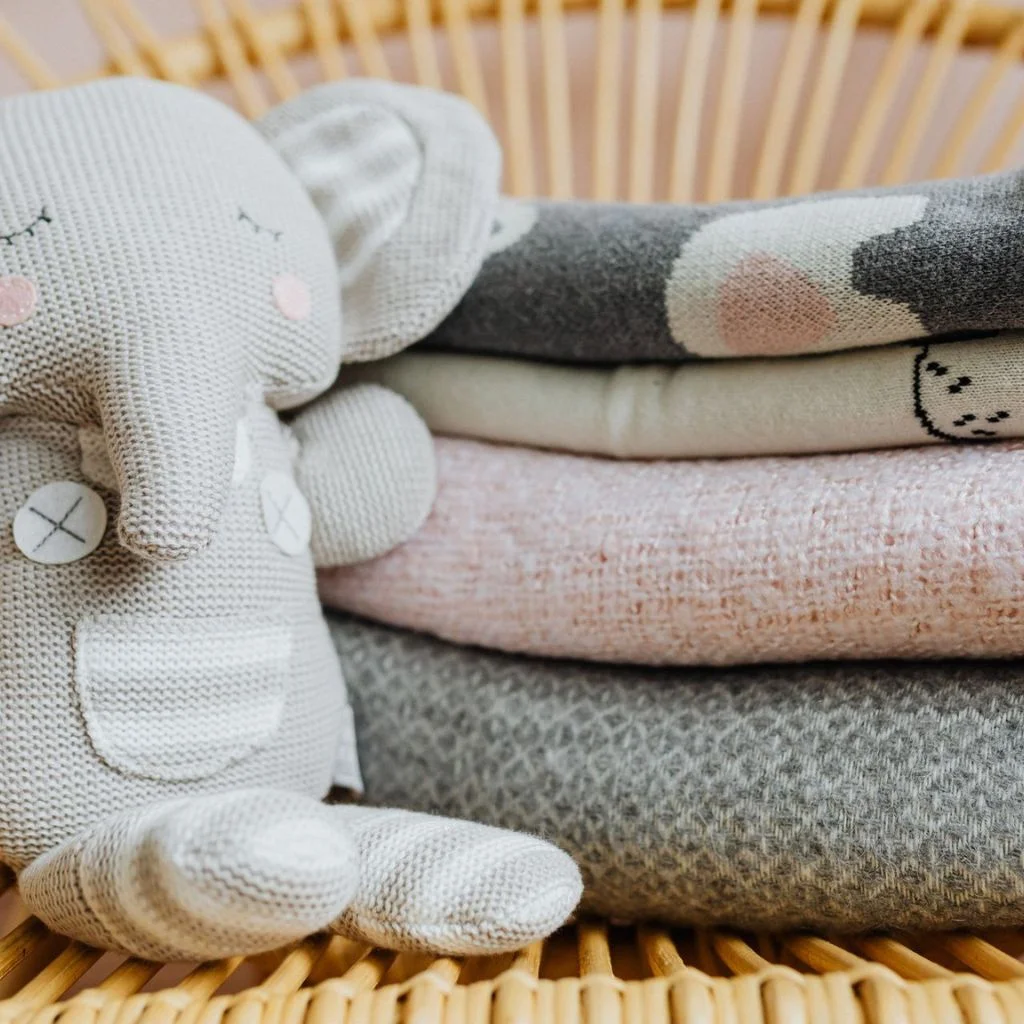
The outside of your IKEA nursery dresser can look perfect, but if the inside is chaos every nap time becomes a scavenger hunt. A little organization inside makes a massive difference in how smooth your daily routine actually feels.
Use the SKUBB drawer organizers from IKEA — they’re inexpensive, come in multiple sizes, and fit perfectly inside HEMNES and HAUGA drawers. Dedicate each section to one category: onesies, sleepers, socks, swaddles.
For a size-sorted system, assign each drawer a size bracket — newborn, 0-3M, 3-6M. As baby grows, you just pull the current size drawer. This saves time and prevents pulling out an entire dresser to find the right outfit.
Don’t overlook the top drawer for quick-grab items: a burp cloth, a spare pacifier, a hair bow, and a pair of socks. Keep this one light and accessible, especially if it’s near the changing pad.
Your Nursery Dresser, Done Right
A great IKEA nursery dresser isn’t just storage — it’s a styling anchor, a changing station, and a daily workhorse all in one. The right dresser, in the right style, with a little thought put into the top and inside, can genuinely make your nursery feel finished.
Whether you lean boho, minimal, classic, or modern, there’s an IKEA option that fits — and more importantly, one that grows with your baby beyond the first year. Shop smart, style it intentionally, and don’t skip the wall anchor. That’s how you build a nursery dresser setup you’ll love using every single day.
Our Pick: IKEA PLATSA Kids Room Setup Ideas for Small Spaces and Big Messes.
FAQS
Can you use an IKEA dresser as a changing table?
Yes. Most IKEA dressers like the HEMNES and HAUGA are deep and sturdy enough to hold a standard changing pad on top. IKEA also sells the SKOTSAM changing tray, which is purpose-built to fit the HEMNES dresser perfectly.
Which IKEA dresser is best for a nursery?
The HEMNES is the most popular choice for nurseries thanks to its solid wood construction, versatile color options, and compatibility with the SKOTSAM changing tray. The NORDLI is ideal for modern nurseries, while the SUNDVIK suits smaller rooms.
Do IKEA dressers need to be anchored to the wall in a nursery?
Absolutely. Wall anchoring is essential in any room where children will be present. IKEA includes anti-tip straps with most dresser models. Install them before placing anything on or in the dresser.
What drawer organizers work best in IKEA nursery dressers?
IKEA’s own SKUBB inserts are designed to fit IKEA drawers and are the easiest option. They’re affordable, washable, and come in several sizes. Small fabric boxes from IKEA’s KALLAX range also work well for larger drawers.
Can you paint or customize an IKEA nursery dresser?
Yes. Many parents use chalk paint or furniture paint to give IKEA dressers a custom look. Sanding and priming the surface first will give you a more durable finish. Swapping hardware is the quickest and easiest customization that doesn’t require any painting at all.