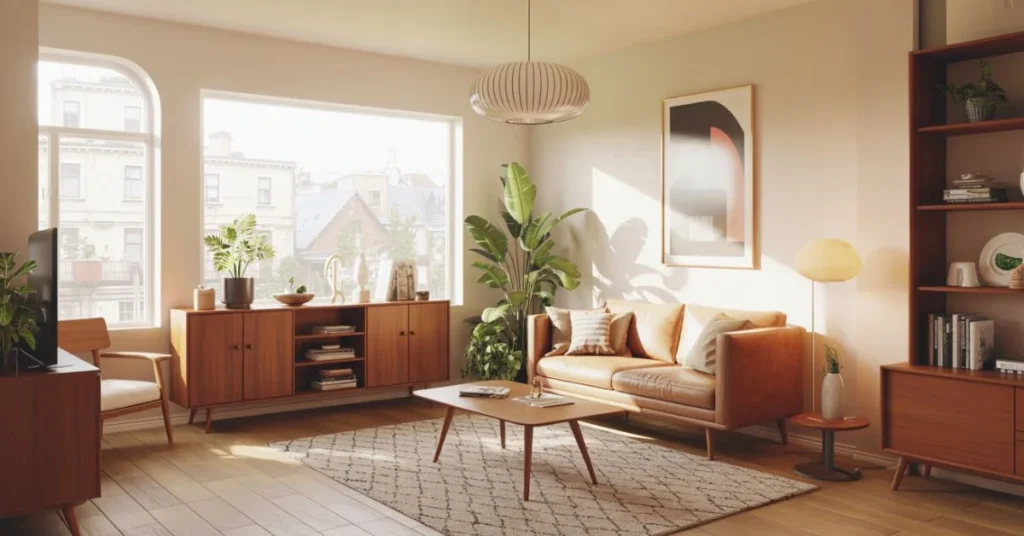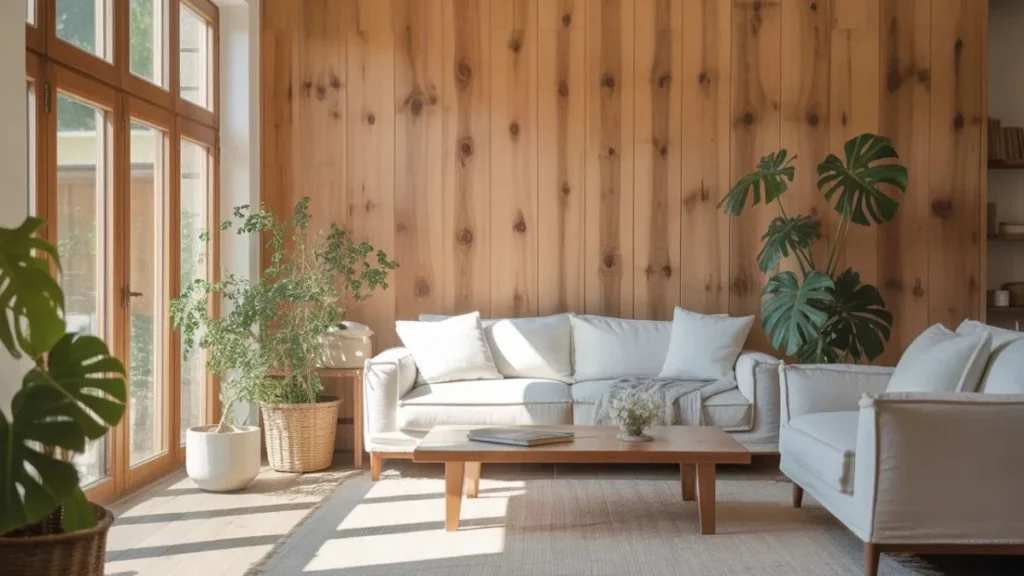
There’s a reason so many homeowners are tearing down drywall to reveal what’s underneath — or installing it from scratch. Knotty pine walls have made one of the most compelling comebacks in interior design, and this time, they’re not staying in the cabin.
For decades, pine-panelled walls were written off as dated relics of 1970s basements. But today’s designers are reimagining them in living rooms, bedrooms, kitchens, and home offices — and the results are stunning. Whether you’re drawn to the warm, organic texture, the earthy character of natural knots, or the way pine panelling transforms an ordinary room into something that feels lived in, this guide covers everything you need to know about styling knotty pine walls in a modern home.
What Are Knotty Pine Walls?
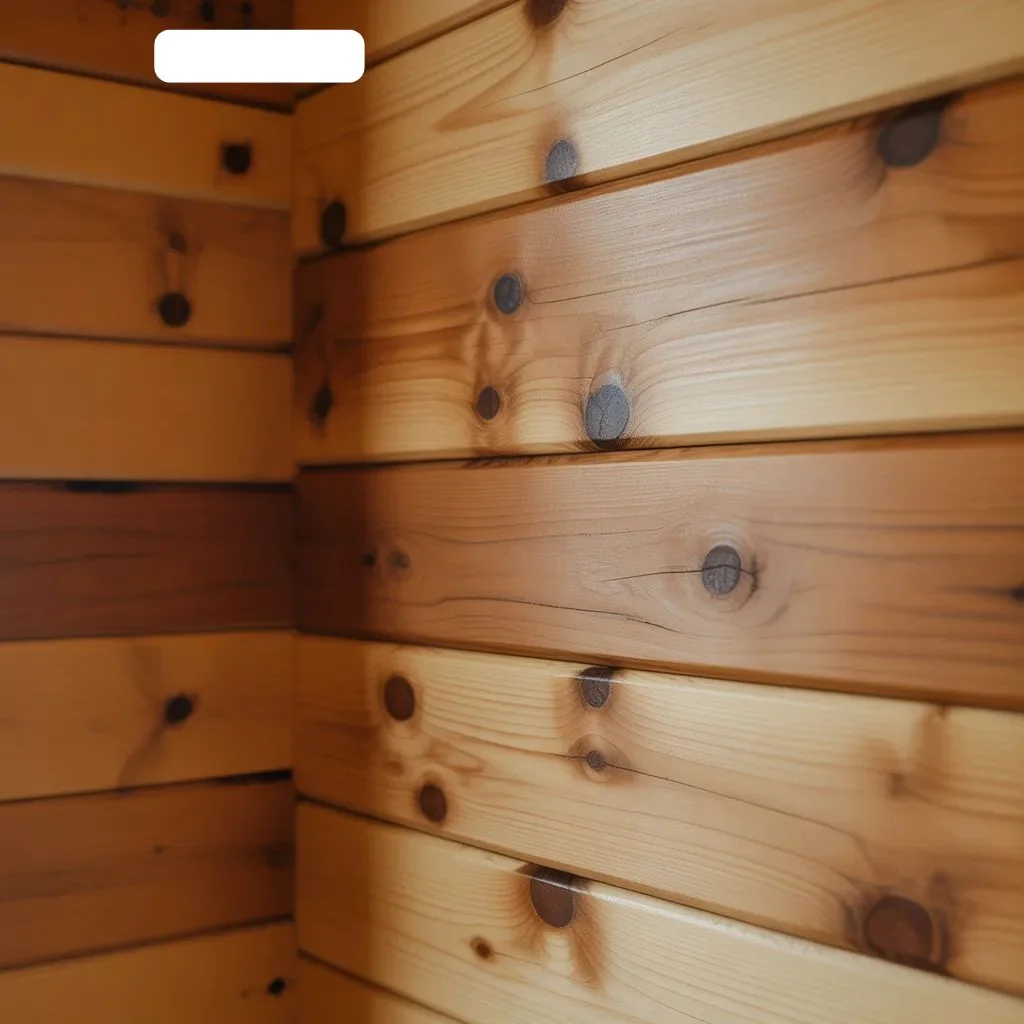
Knotty pine is a type of white or yellow pine lumber that retains its natural knots — the circular, darker spots formed where branches once grew. Unlike clear pine, which is specifically graded to remove these features, knotty pine paneling embraces those imperfections as part of its character.
The wood is typically installed as tongue and groove boards, running vertically or horizontally along a wall. Each board interlinks seamlessly, creating a smooth, continuous surface that still shows off the natural variation in grain and colour. The knots range from small and tight to large and dramatic, and no two walls ever look the same.
This natural character is precisely what designers and homeowners love. In a world saturated with perfectly uniform materials — smooth white drywall, porcelain tile, laminate floors — knotty pine walls bring genuine texture, warmth, and a sense of history that manufactured materials simply cannot replicate.
Why Knotty Pine Walls Are Trending Again
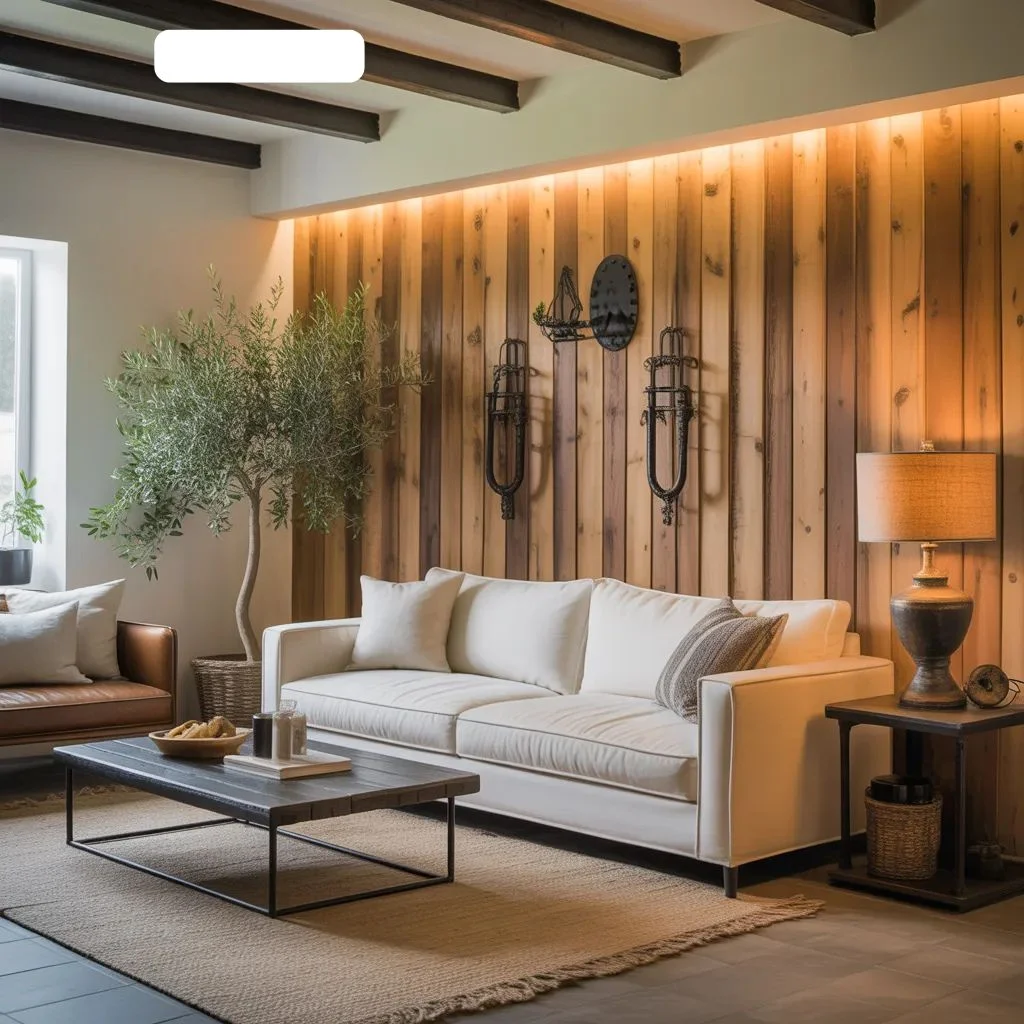
The return of knotty pine walls isn’t a coincidence — it reflects a much larger shift in how people want to feel at home. After years of cold, minimalist interiors and all-white everything, the design world is swinging back toward warmth, texture, and authenticity.
Biophilic Design Is Driving It
Biophilic design — the practice of bringing nature indoors — has become one of the defining movements in contemporary interiors. Natural wood walls check every box: they introduce organic material, earthy tones, and an unpolished quality that makes rooms feel more human. Pine wood walls offer all of this without the expense of exotic hardwoods.
The “Cozy Home” Aesthetic Has Changed the Rules
Social media has accelerated an appetite for interiors that feel genuinely inviting rather than staged. Concepts like hygge, cottagecore, and mountain-modern all rely on textured, natural materials — and pine walls fit perfectly into every one of them. They make spaces feel layered, warm, and intentionally designed.
It’s More Affordable Than You Think
Compared to shiplap, reclaimed wood, or stone veneer, knotty pine paneling is a cost-effective way to make a dramatic design statement. It’s widely available, easy to install, and can even be applied directly over existing drywall in many cases — making it an accessible upgrade for renters and owners alike.
Room-by-Room Design Ideas for Knotty Pine Walls
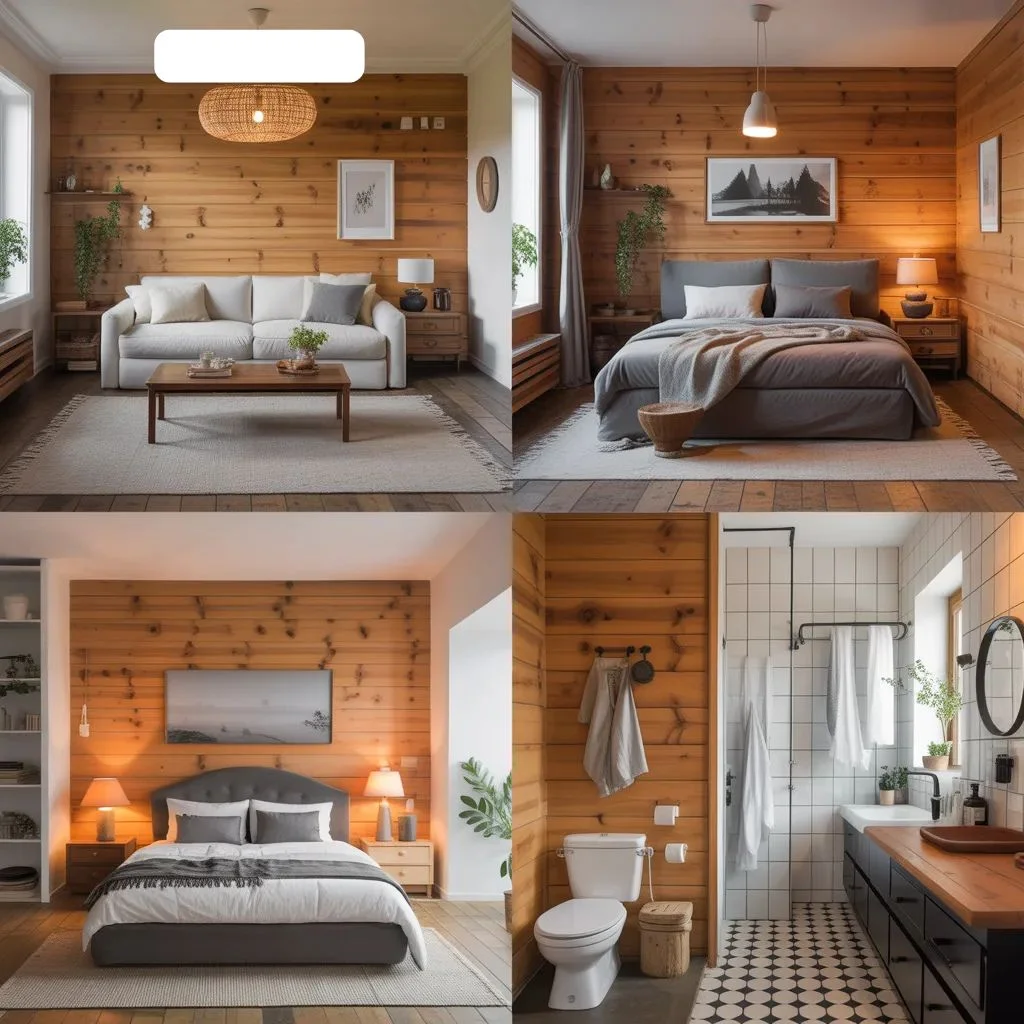
One of the most exciting things about knotty pine walls is how well they adapt across different rooms and design styles. Here’s how to approach each space.
Knotty Pine Living Room Walls
A knotty pine living room wall works best as a statement accent wall rather than on all four sides. Pair warm pine panelling with a neutral palette — think cream, ivory, or soft sage — to prevent the wood from overwhelming the space. Low-profile furniture in natural materials like linen, wool, or rattan complements the organic texture of the wood.
For lighting, lean into warmth: amber-toned Edison bulbs or warm white recessed lights will make the honey tones in the pine glow beautifully. Iron or matte black hardware ties in the rustic quality without making it feel too traditional.
Knotty Pine Bedroom Walls
Few things are as calming as waking up to a wall of natural wood grain. In a knotty pine bedroom, the panelling creates an instant sense of being in a cozy retreat — without any heavy effort. A full-wall application behind the headboard is a popular approach, effectively turning the pine into a built-in statement piece.
Keep bedding and textiles soft and light: white or oatmeal linens, linen throw blankets, and woven cushions. This lets the wood do the heavy lifting visually without competing with other strong elements.
Knotty Pine Kitchen and Dining Walls
Pine panelling in a kitchen or dining area adds warmth that tile and painted drywall rarely achieve. It pairs naturally with open wooden shelving, butcher block countertops, and matte white or forest green cabinetry.
Sealing the wood properly is essential in high-moisture areas. A clear polyurethane or hard wax oil finish protects the surface while maintaining the natural look of the grain.
Knotty Pine Home Office Walls
A home office lined with knotty pine paneling feels productive and grounded — far more inspiring than a blank white wall. The natural texture reduces the visual harshness of screens and equipment, and pine’s warm tones prevent the space from feeling sterile.
Built-in shelving in white or black against pine walls creates a striking contrast. Keep the rest of the room minimal and functional so the wood remains the focal point.
Painting Knotty Pine Walls: Should You or Shouldn’t You?
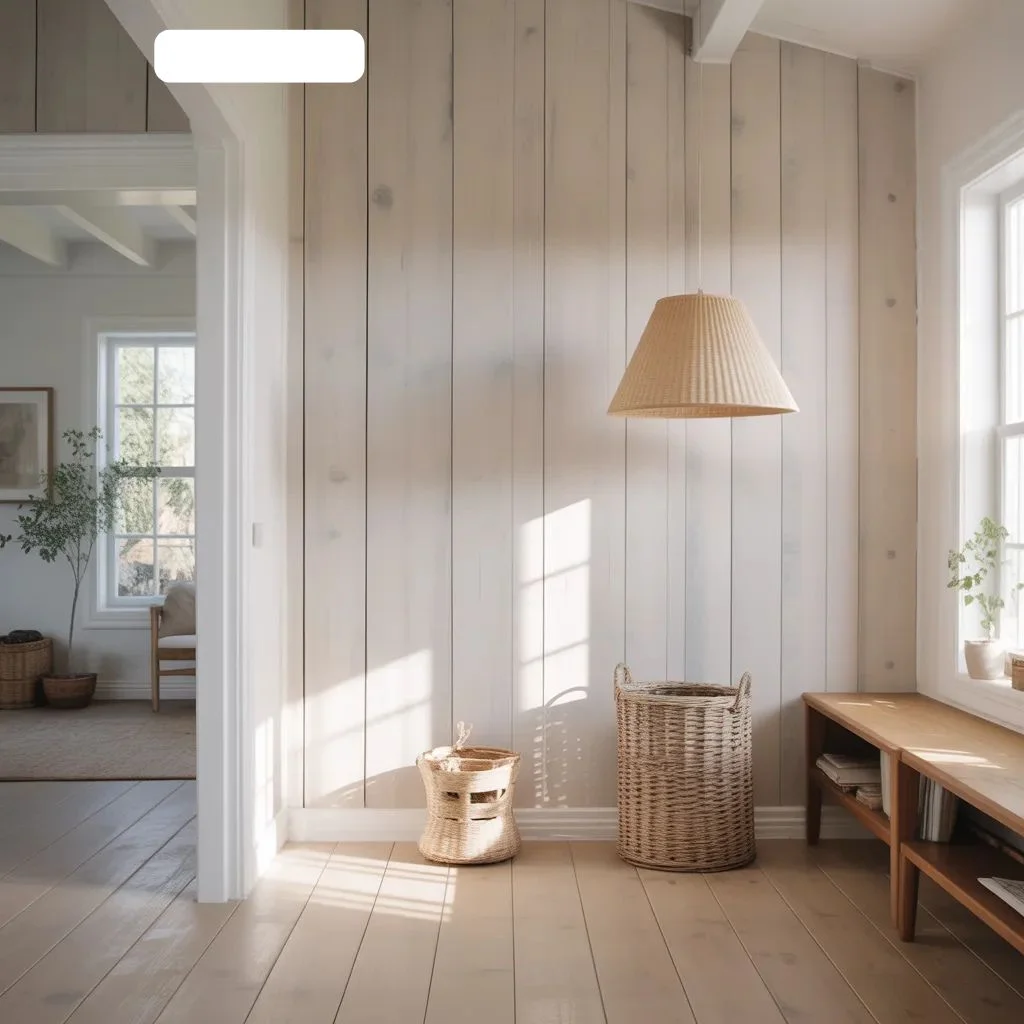
One of the most debated questions in pine wall design: should you paint over natural wood? The short answer is — it depends on your goal, and both approaches can look incredible.
The Case for Leaving Pine Natural
Natural, unpainted knotty pine walls are warm, organic, and full of depth. If you’re going for a rustic, Scandinavian, or mountain-modern aesthetic, there’s nothing better than letting the wood speak for itself. A simple clear coat or natural oil sealer will protect the surface and allow the grain and knots to remain front and center.
The Case for Painting Knotty Pine
Painting knotty pine is a completely valid design choice — especially if your space tends to feel dark or you’re aiming for a more contemporary look. White, cream, sage green, and soft gray are popular choices. The key is to prime correctly: painting knotty pine walls without proper primer can result in bleed-through from the natural resins in the wood, causing yellow spots over time.
Use a shellac-based primer first to seal the knots, then apply your chosen paint color in two coats. This ensures an even, lasting finish with no bleed-through.
Staining Knotty Pine for a Custom Look
Staining offers a middle ground — it changes the color tone of the wood while keeping the grain and knot detail fully visible. Staining knotty pine in warm walnut, dark ebony, or cool gray can dramatically shift the mood of a room without hiding the natural texture. A light whitewash stain is particularly popular in coastal and farmhouse interiors.
How to Style Knotty Pine Walls in a Modern Home
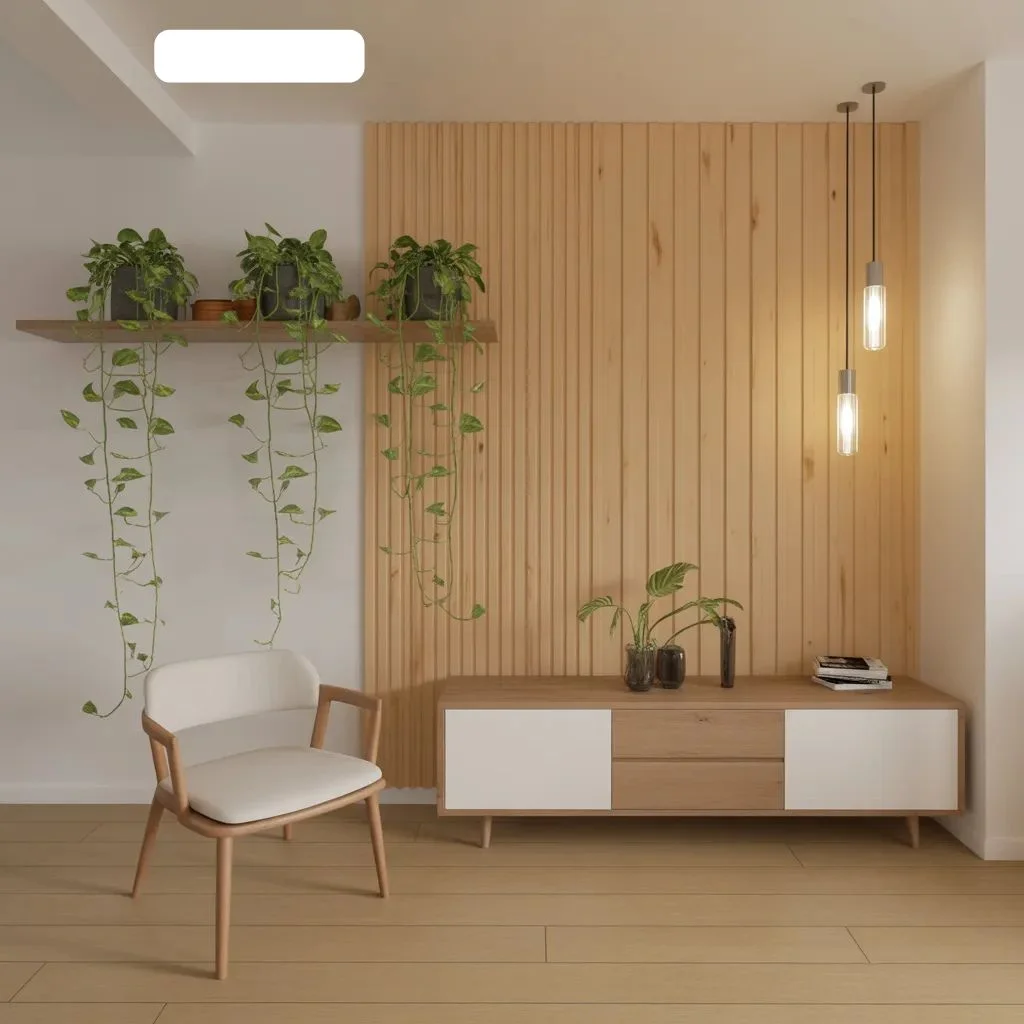
The biggest hesitation most people have with knotty pine walls is fear of making a room look dated. But with the right styling choices, pine paneling feels unmistakably current. Here’s how to keep it modern.
Choose the Right Colour Palette
The colours you pair with pine walls make or break the look. For a fresh, modern feel, stick to a palette that either complements or contrasts the warm amber tones of natural pine.
- Warm neutrals: Cream, ivory, warm white, sand — these blend naturally with pine without competing.
- Earthy greens: Olive, sage, forest green — these create a nature-forward look that feels on-trend.
- Deep navy or charcoal: High-contrast accents in dark tones make pine walls feel bold and deliberate.
- Terracotta and rust: Warm accent tones that celebrate the earthy quality of the wood.
Mix Textures and Materials
Pine walls have a strong visual presence, so balance them with materials that are softer or smoother: linen upholstery, leather cushions, smooth ceramic vases, woven baskets, and matte metal fixtures. This layering of textures prevents the room from feeling one-dimensional.
Use Scale Thoughtfully
Horizontal pine boards make a room feel wider and more relaxed; vertical boards draw the eye upward and make ceilings feel higher. In smaller rooms, consider running pine on just one wall rather than all four — this avoids the space feeling enclosed or overly rustic.
Let the Plants In
Greenery and pine wood walls are a natural pairing. Trailing plants like pothos or ivy, sculptural fiddle leaf figs, and clusters of small succulents all feel at home against the warmth of knotty pine. The combination brings organic energy to the room without any additional decoration required.
Installation Tips: What to Know Before You Start
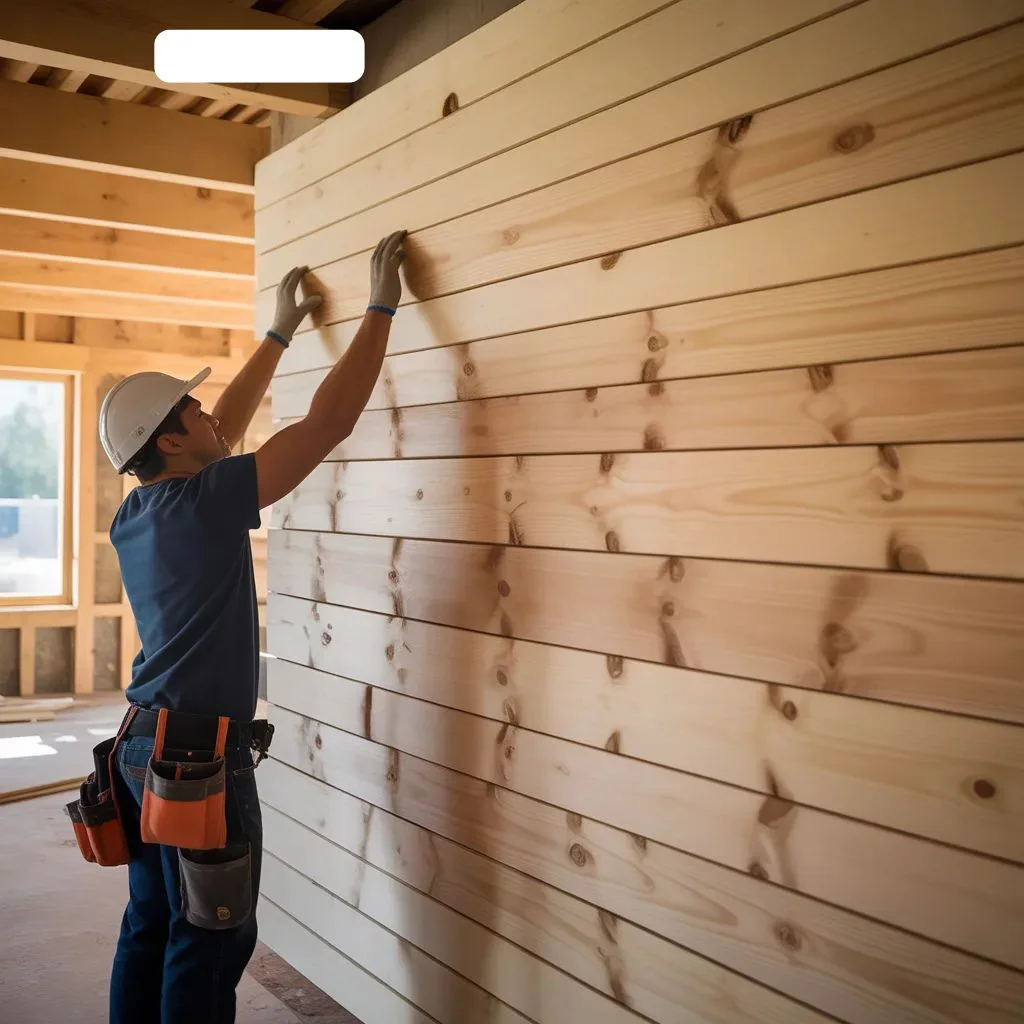
Whether you’re hiring a contractor or tackling the project yourself, understanding how knotty pine panelling is installed will help you make smarter decisions.
- Acclimate the wood: Pine is sensitive to moisture and temperature. Let your boards acclimate in the room for at least 48–72 hours before installation to prevent warping.
- Decide on direction: Horizontal installation is more contemporary; vertical is more traditional. The choice significantly affects how the room feels.
- Prep the wall: Ensure the wall surface is clean, dry, and reasonably flat. Pine can be installed directly over drywall in most cases, using adhesive and finish nails.
- Seal before or after: If you’re leaving the pine natural, apply a sealant after installation. If painting, prime first with shellac-based primer, then paint.
- Account for expansion: Leave a small gap at the top and bottom of the wall to allow for natural wood movement as humidity changes seasonally.
Common Mistakes to Avoid with Knotty Pine Walls
Even a beautiful material can go wrong with the wrong approach. These are the most common pitfalls to avoid when working with knotty pine walls.
Going Wall-to-Wall on All Surfaces
Covering every wall, plus the ceiling, with knotty pine can feel overwhelming — especially in smaller rooms. A thoughtful accent wall or partial paneling treatment often delivers more impact than blanketing every surface.
Skipping the Primer When Painting
This is the most common mistake when painting knotty pine walls. Without shellac-based primer, the natural resin in the wood bleeds through the paint, creating yellow discoloration around the knots. Always prime before painting, no exceptions.
Choosing the Wrong Sheen
High-gloss finishes on pine walls can look cheap and highlight every imperfection. A matte or satin finish — whether on painted or sealed natural wood — looks far more refined and intentional.
Ignoring Room Lighting
Pine walls look dramatically different under warm versus cool lighting. Before committing to your finish or paint color, view samples in the actual room at different times of day. Warm amber tones in the wood can deepen under cool overhead lighting, which may not be the effect you’re after.
Knotty Pine Walls vs. Shiplap: Which One Is Right for You?
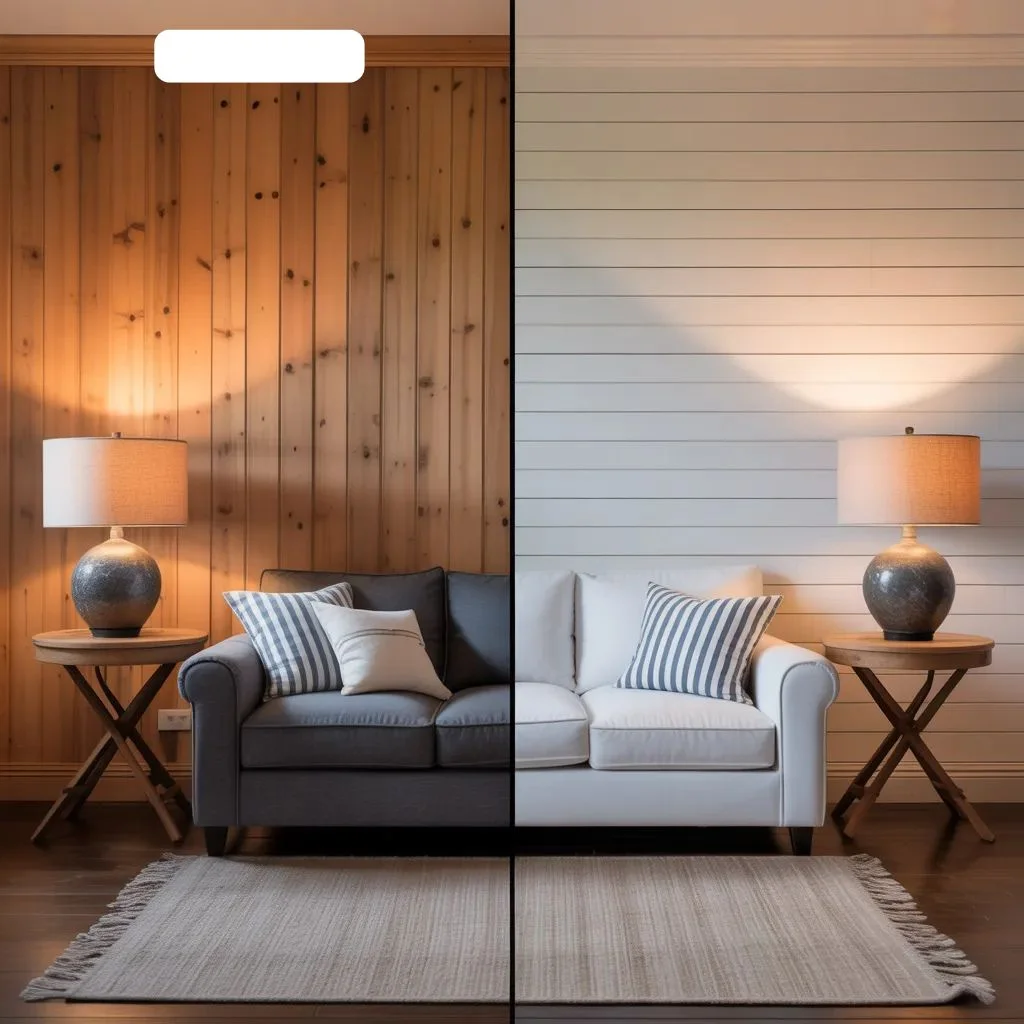
Both knotty pine and shiplap are beloved wall treatments in the rustic and farmhouse design world, but they deliver very different results. Here’s a quick comparison to help you decide.
Knotty Pine Walls:
- Warm amber tones with natural knots and grain variation
- More character and organic texture in the material itself
- Available in stained, natural, or painted finishes
- More affordable than hardwood alternatives
- Feels rustic, cozy, cabin-inspired, or Scandinavian depending on styling
Shiplap:
- Typically painted white or a solid color — less visible natural texture
- Cleaner, more graphic look with visible horizontal lines
- Versatile across farmhouse, coastal, and contemporary styles
- Often made from smooth pine, MDF, or fiber cement
- Feels more polished and less overtly rustic than knotty pine
If you want warmth and organic beauty, knotty pine walls win. If you want a cleaner, more graphic statement, shiplap may be the better choice. Many interiors combine both — pine on one wall, shiplap on another — for a layered look.
Best Finishes and Sealers for Knotty Pine Walls
The finish you choose will determine how the wood ages, how it reflects light, and how easy it is to maintain. These are the best options for protecting your knotty pine walls long-term.
- Clear polyurethane (oil-based): Durable, protective, and enhances the warm amber tones of the wood. Oil-based versions add a slight amber tint; water-based versions stay clearer.
- Hard wax oil: Penetrates the wood rather than sitting on top of it, giving a more natural, matte finish. Easier to spot-repair than film finishes.
- Shellac (as a sealer): Essential if you’re planning to paint. Shellac seals the knots and prevents resin bleed-through. Apply before any topcoat.
- Danish oil: A penetrating oil that conditions the wood while providing light protection. Best for low-traffic walls rather than high-contact surfaces.
- Matte acrylic varnish: A good all-rounder for pine walls. Provides protection with minimal sheen, which suits modern interiors well.
For more on wood finishes and application techniques, visit This Old House and Bob Vila — two of the most trusted resources for home improvement guidance.
Pine, Knots, and a Whole Lot of Character
The resurgence of knotty pine walls is about more than just aesthetics — it’s about a shift in how people want to live. Smooth, anonymous surfaces are giving way to materials with history, texture, and warmth. And knotty pine delivers all three in a package that’s surprisingly versatile, genuinely affordable, and undeniably beautiful.
Whether you install it in a mountain cabin or a city apartment, leave it natural or paint it sage green, run the boards horizontally or stack them floor to ceiling — pine panelling has a way of making a room feel like it belongs to the people in it. That’s not just good design. That’s home.
Ready to bring knotty pine walls into your home? Start with one room, one wall, and see how the space transforms.
Our Pick: Your Screened Porch Deserves Better — Here’s How to Decorate It Right.