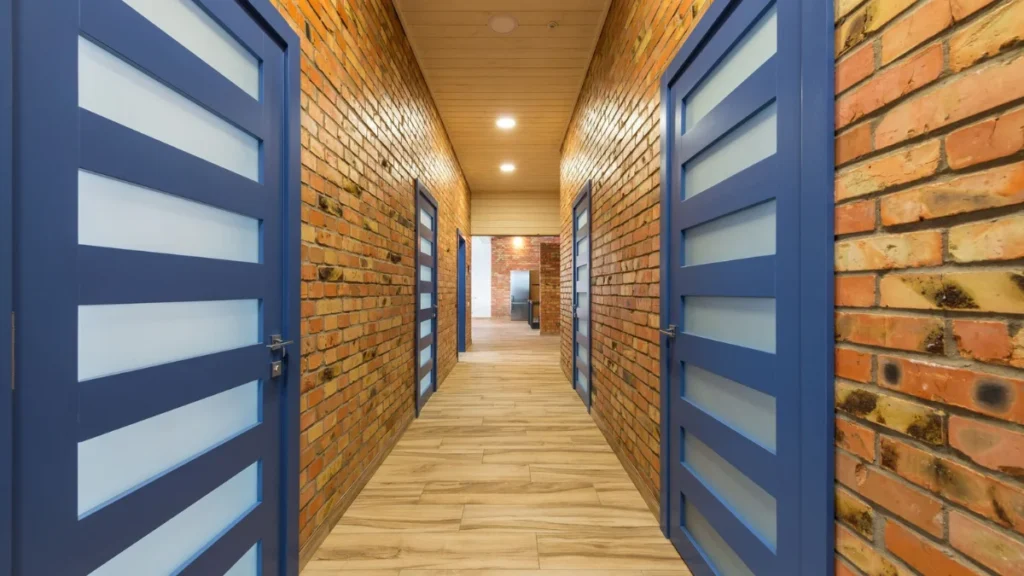
Your hallway ceiling is one of the first things people see — and most homeowners never give it a second thought. Passage ceiling designs have quietly become one of the most powerful tools in interior design, turning overlooked corridors into intentional, jaw-dropping spaces that set the tone for everything beyond them.
Whether your hallway is narrow and short or grand and wide, the ceiling above it has enormous potential. From dramatic coffered ceilings to warm wood planks and sleek backlit tray styles, the options span every budget, home style, and skill level. Here is a ranked breakdown of the most visually impactful passage ceiling designs you can bring into your home — ordered from highest to lowest visual drama, so you can pick exactly the level of statement you want to make.
1. Coffered Ceiling — Maximum Drama, Timeless Architecture
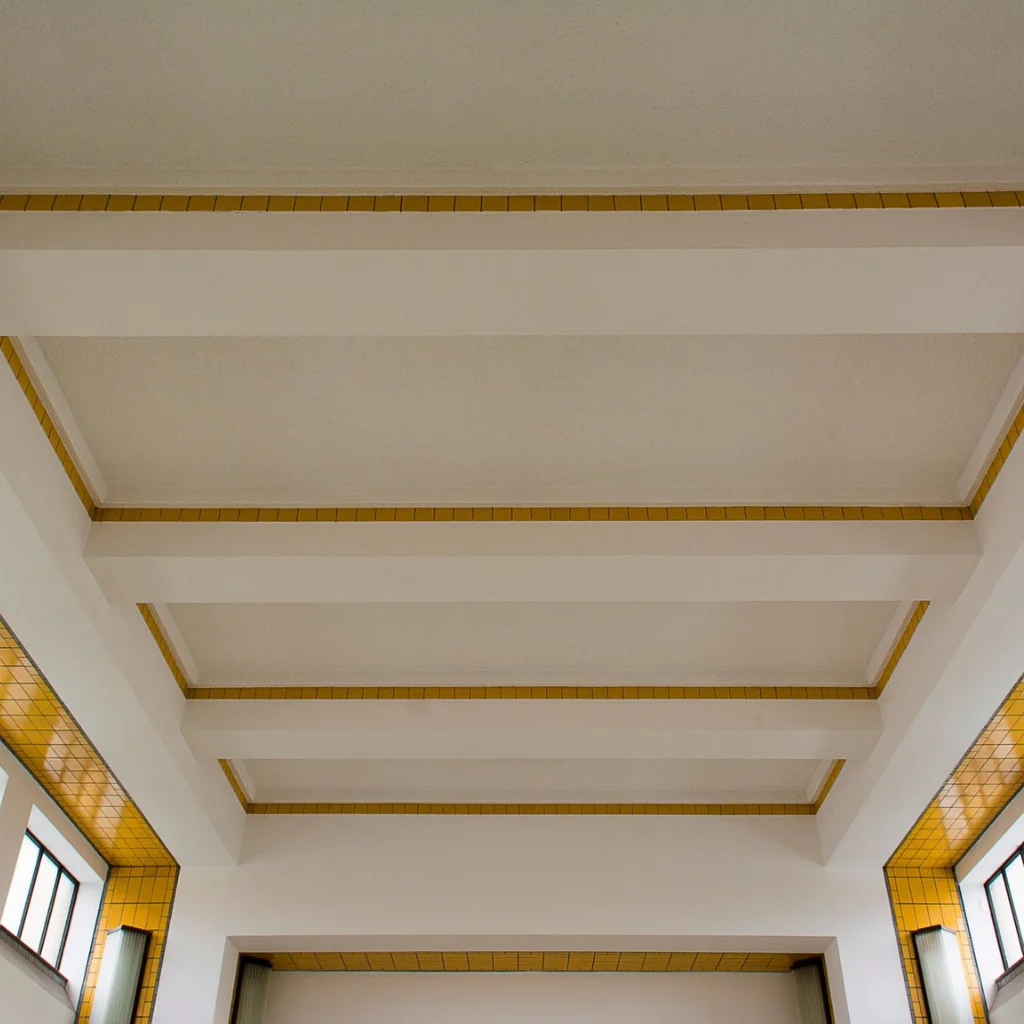
Coffered ceilings sit at the absolute top of the visual impact scale for passage ceiling designs. Defined by a grid of recessed panels framed by deep beams or molding, a coffered ceiling immediately reads as expensive, architectural, and intentional — even in a hallway just four feet wide.
The beauty of coffered designs is in the geometry. Traditional square coffers feel formal and classical, while triangular or hexagonal variations lean contemporary. Painting the interior of each coffer in a contrasting tone — deep navy, forest green, or charcoal — adds a second layer of drama that makes the ceiling feel custom-built for the space.
Best For
- Grand entryways and wide hallways
- Traditional, transitional, and modern-classic home styles
- Homeowners who want a permanent architectural upgrade
Pro Styling Tip
Recess LED strip lighting inside each coffer for a soft ambient glow that draws the eye upward. Pair with polished hardwood floors and wall sconces to complete the look.
2. Barrel-Vaulted Ceiling — Curved Grandeur for Narrow Passages
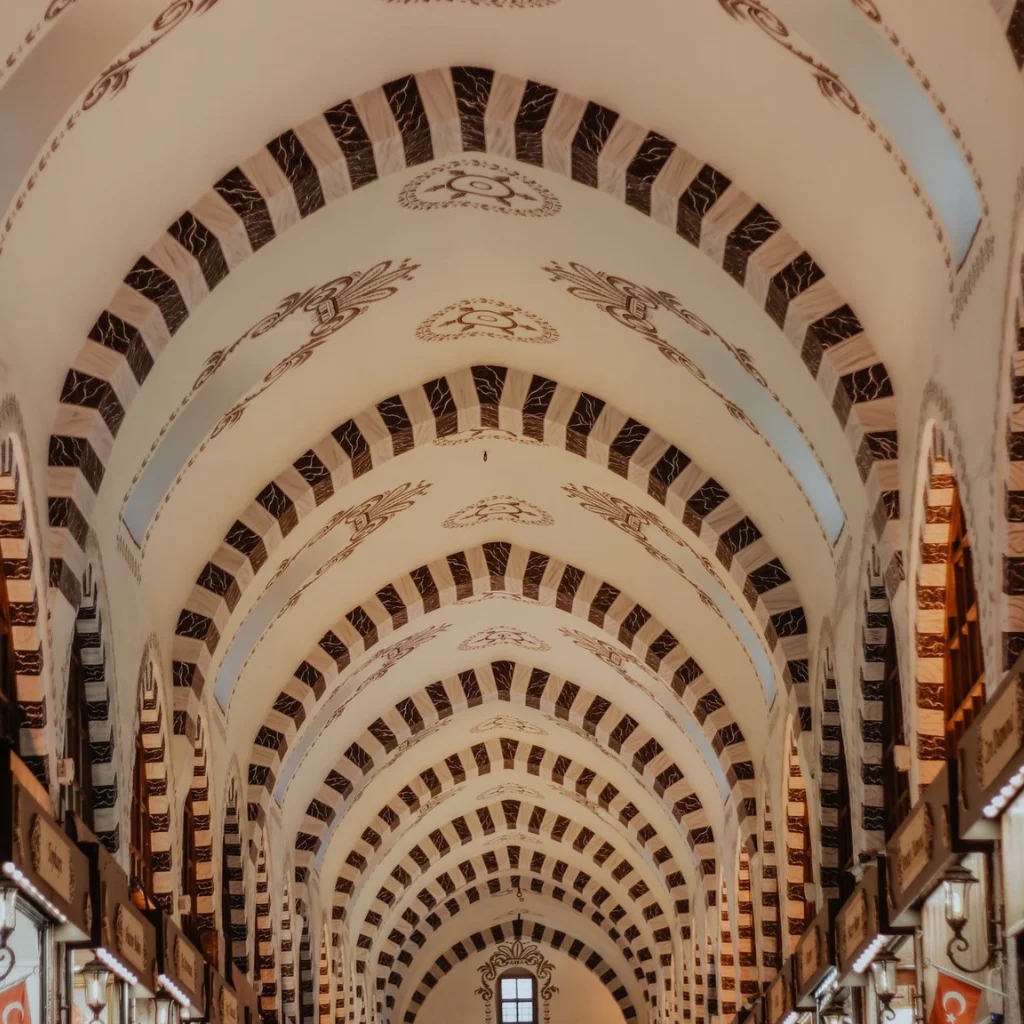
A barrel-vaulted ceiling transforms a plain passage into something resembling a cathedral corridor. The continuous curved arch running the length of the hallway adds height, drama, and a sense of destination — as if something truly worth arriving at waits at the end.
Barrel-vaulted passage ceiling designs work especially well in narrow hallways where other high-impact options like coffered ceilings might feel too heavy. The curve naturally draws the eye forward and upward, elongating the space visually without requiring extra square footage.
Best For
- Narrow corridors and long hallways
- Spanish Colonial, Mediterranean, and French Country homes
- Modern interiors seeking an organic architectural counterpoint
Pro Styling Tip
Paint a barrel vault in a warm off-white and install a single run of pendant lights down the center line. The curve captures the light beautifully and creates a soft, continuous glow along the arch.
3. Backlit Tray Ceiling — Modern Glow with Architectural Depth
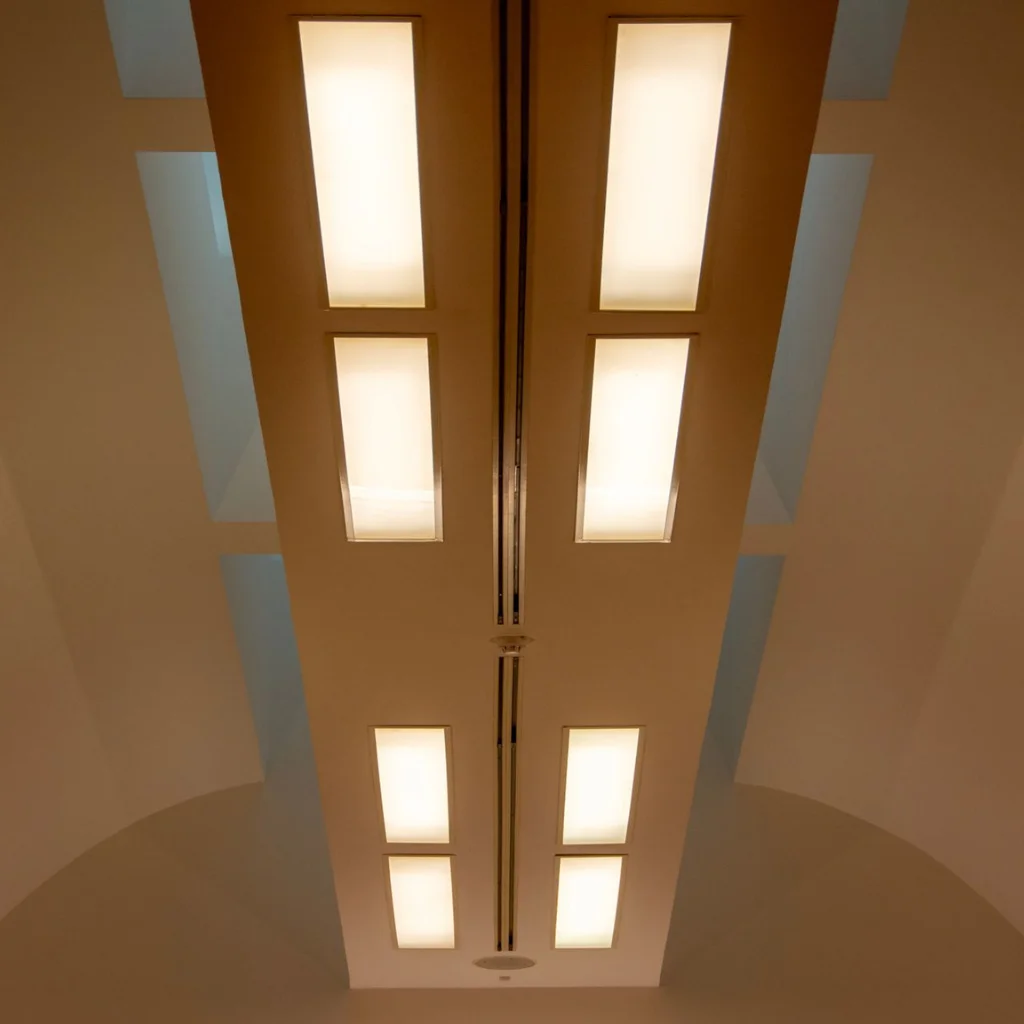
Tray ceilings — recessed rectangular insets that create a layered, upside-down tray effect — are among the most universally appealing passage ceiling designs. Add LED strip lighting tucked into the tray perimeter, and the impact level doubles immediately.
The backlit version of this design creates a floating-light effect that feels contemporary and luxurious simultaneously. The LED strips can be tuned to warm white for a cozy corridor feel, or daylight white for a clean, modern entryway tone. Color-changing LED options let you shift the ambiance entirely based on time of day or mood.
Best For
- Modern, transitional, and contemporary homes
- Hallways of any width, including tight spaces
- Homeowners who want smart home integration overhead
Pro Styling Tip
Paint the interior of the tray recess one shade darker than the surrounding ceiling. This subtle contrast deepens the shadow lines and makes the recessed layer read more dramatically even in daylight.
4. Wood Plank Ceiling — Warm, Textural, and Instantly Inviting
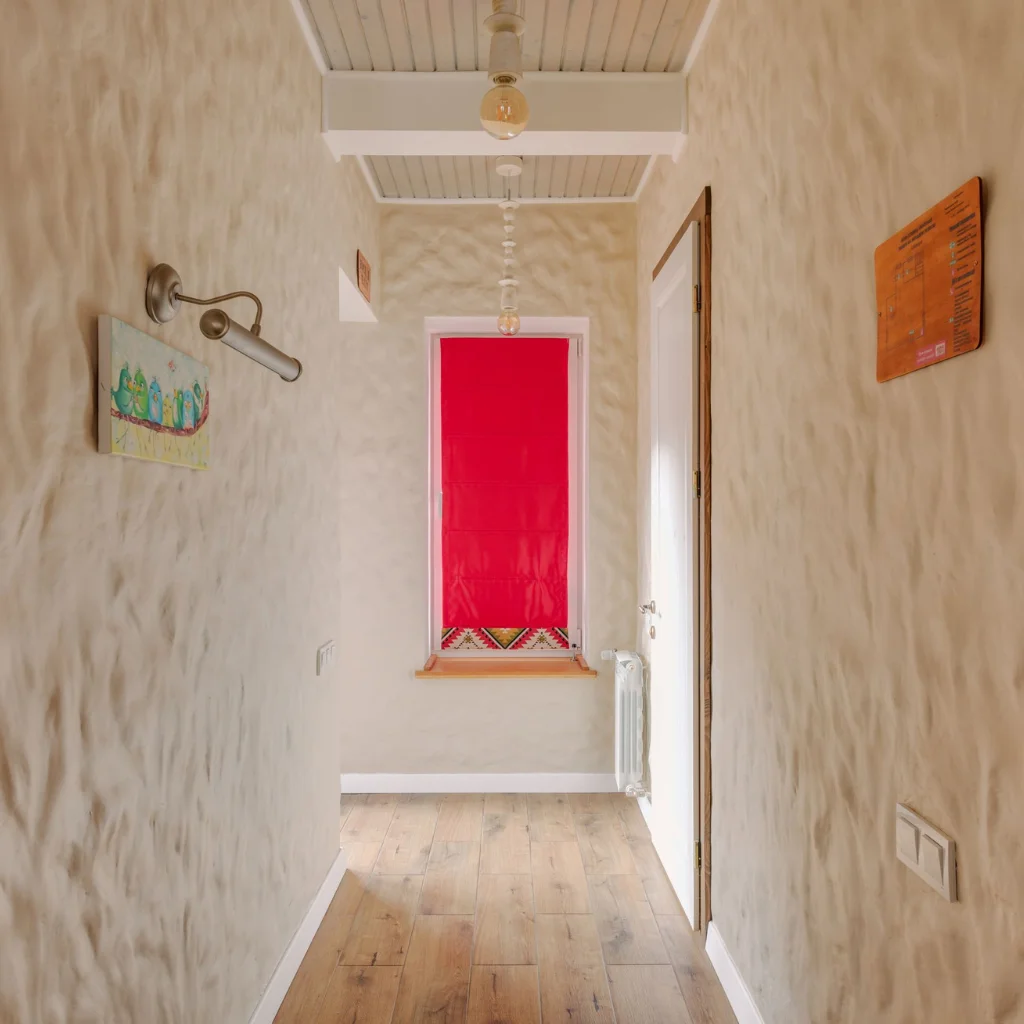
Wood plank ceilings bring a material richness to hallways that paint and plaster simply cannot replicate. Whether you choose natural pine, reclaimed oak, or painted shiplap, the horizontal lines of a wood ceiling add texture, warmth, and a sense of intentional craft to even the most overlooked passage.
Among passage ceiling designs that are achievable through DIY, wood plank styles consistently rank highest for return on effort. A weekend install can completely transform a flat, forgettable ceiling into the focal point of your entryway corridor.
Best For
- Farmhouse, Scandinavian, coastal, and rustic home styles
- Mid-century modern spaces with warm material palettes
- DIY-friendly upgrades with lasting visual payoff
Pro Styling Tip
For smaller hallways, paint the wood planks white or a soft warm cream rather than leaving them raw. Painted wood ceiling planks read as architectural detail rather than rustic material — giving you the texture without making the space feel heavier.
5. Cathedral Ceiling — Open, Airy, and Architecturally Striking
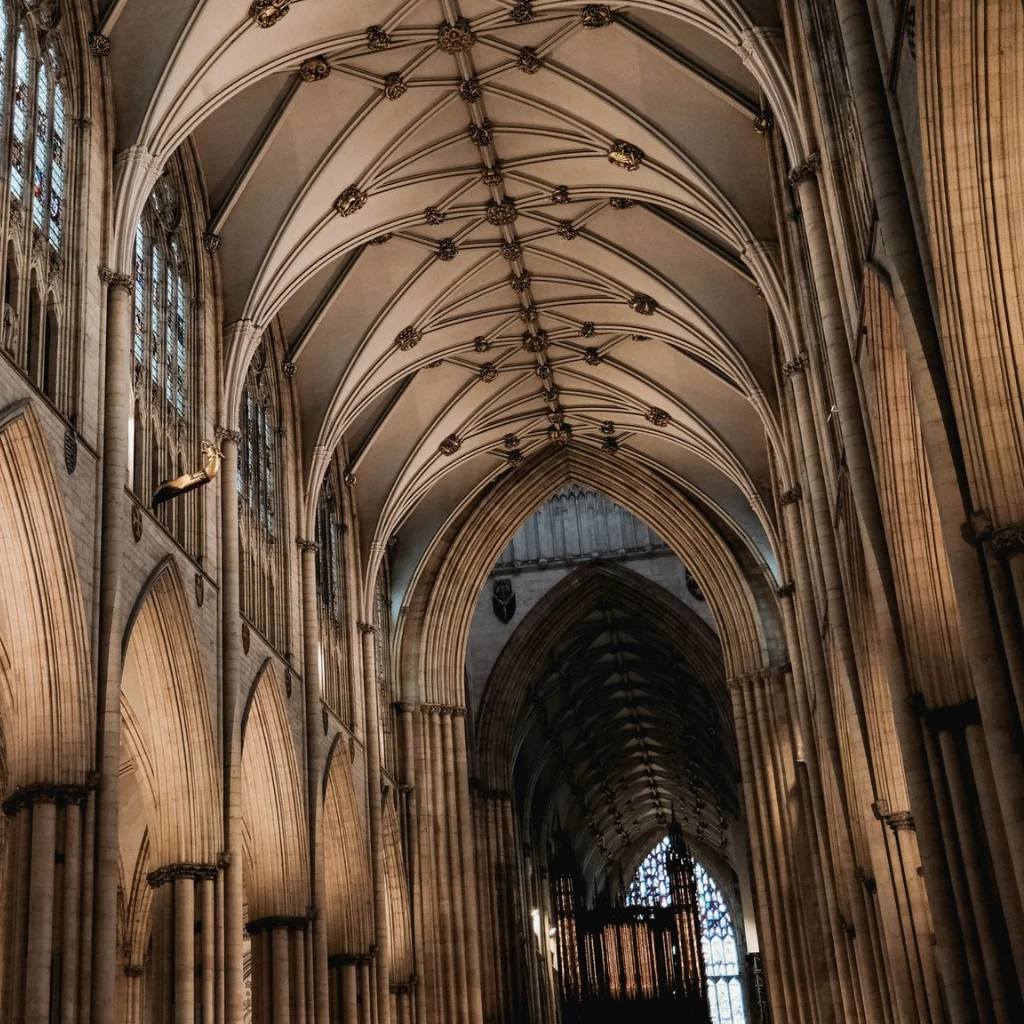
Cathedral ceilings follow the roofline upward to a central ridge, creating a steepled overhead profile that floods a hallway with visual height. For anyone who walks into a passage and immediately feels the walls closing in, a cathedral ceiling is the architectural antidote.
These passage ceiling designs feel expansive without requiring any additional floor space. Exposed beam versions add structural visual interest; smooth painted cathedral ceilings read as clean and contemporary. Either way, the upward pitch gives every inch of the hallway a sense of breathing room.
Best For
- Farmhouse, craftsman, and mountain-style homes
- Entryway corridors and main hallways with volume
- Spaces that need height without structural renovation
Pro Styling Tip
Install a single statement light fixture — a linear chandelier or oversized pendant — that hangs at the tallest point of the cathedral peak. The contrast between the soaring ceiling and the low-hanging fixture creates a dramatic tension that makes the entire passage unforgettable.
6. Wallpapered Ceiling — Bold Pattern Without the Structural Work
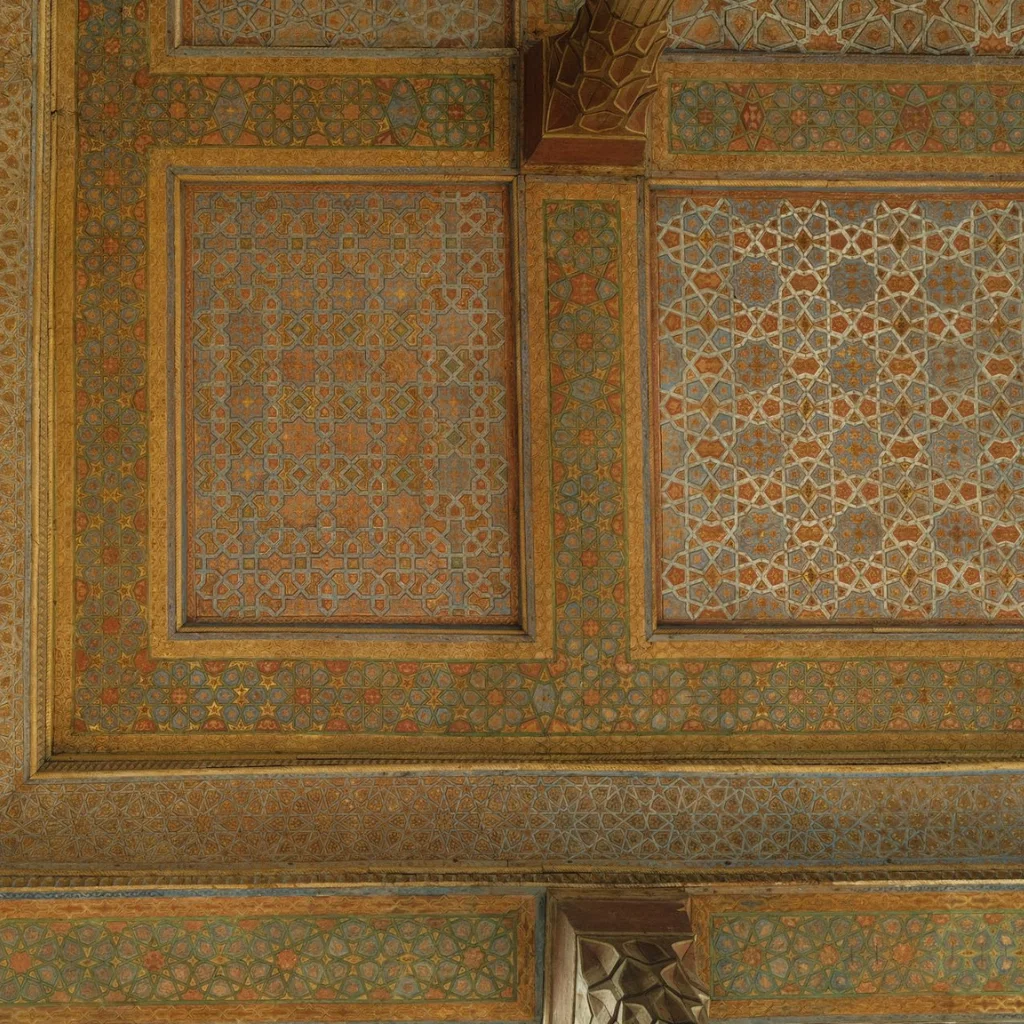
Wallpapering the ceiling is one of the fastest-growing trends in passage ceiling designs — and for good reason. It delivers dramatic visual impact without any structural change, drywall work, or contractor involvement. The ceiling becomes a fifth wall, wrapped in pattern, texture, or color that ties the entire passage together.
Botanical prints, geometric patterns, and large-scale florals all work beautifully overhead in hallways because the ceiling plane is large enough to absorb bold repeating designs that might overwhelm a narrow wall. A patterned ceiling also draws the eye upward, which instantly makes a low-ceilinged corridor feel taller.
Best For
- Eclectic, maximalist, bohemian, and art-forward home styles
- Rental-friendly upgrades with removable wallpaper options
- Short hallways where paint alone feels flat
Pro Styling Tip
Keep the walls in the same hallway entirely plain — white, cream, or a soft solid — when the ceiling is wallpapered. Competing patterns on walls and ceiling cancel each other out. Let the ceiling do all the talking.
7. POP False Ceiling — Versatile, Budget-Friendly Visual Layer
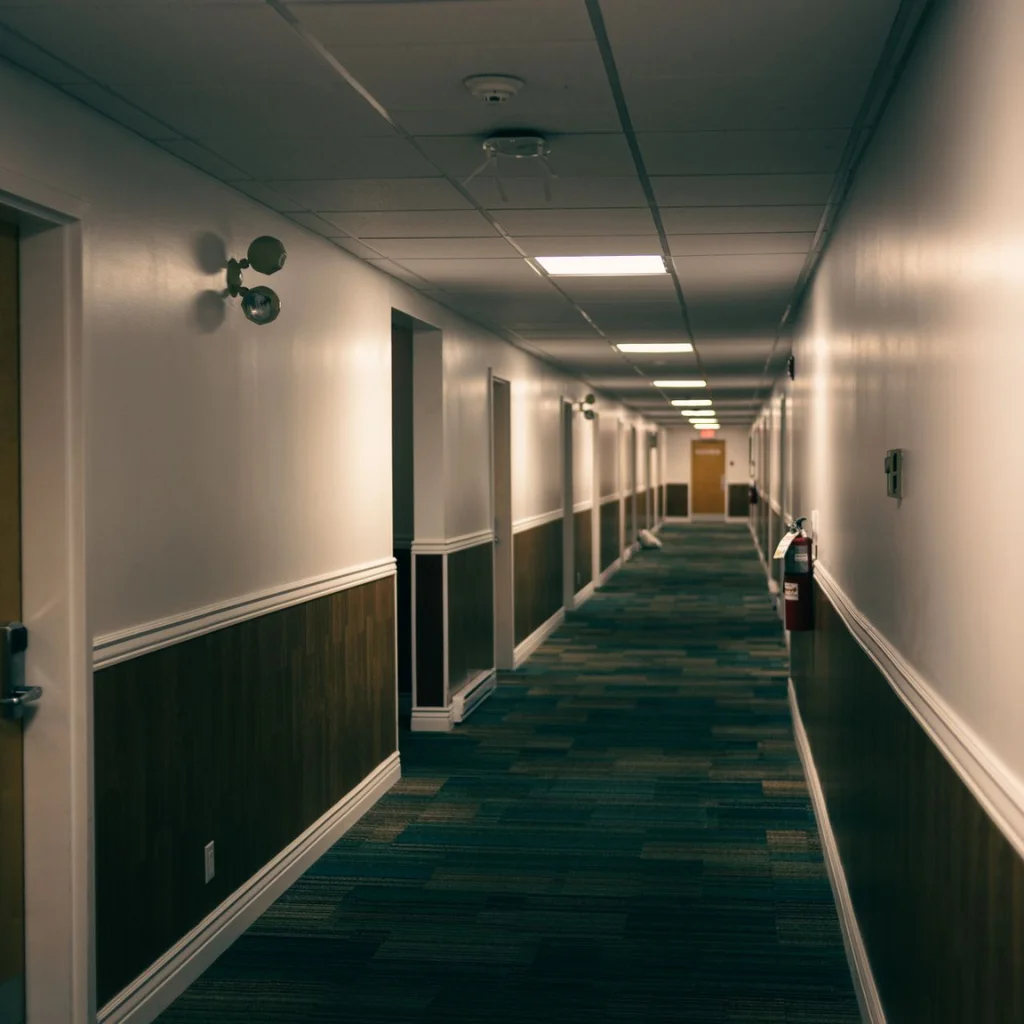
Plaster of Paris (POP) false ceilings are among the most adaptable passage ceiling designs available for modern homes. A suspended layer installed below the structural ceiling, POP false ceilings can be shaped into curved, carved, double-layered, or geometric forms — all at a relatively accessible price point compared to structural ceiling work.
POP is particularly popular for hallways in apartment and high-rise living, where structural modifications to the original ceiling are not permitted. The false ceiling creates a dedicated design layer where lighting can be recessed, coves can be carved, and shapes can reflect the overall home aesthetic without touching the original structure above.
Best For
- Apartments, condos, and rental properties
- Modern Indian and South Asian home interiors
- Homeowners who want a custom look without structural change
Pro Styling Tip
Use a two-level POP design — a lower flat panel in the center with an elevated cove ring around the perimeter — and tuck LED strips into the cove. The layered height and hidden light source together create a depth that single-level POP cannot match.
8. Painted Statement Ceiling — Low-Effort, High-Return Color Impact
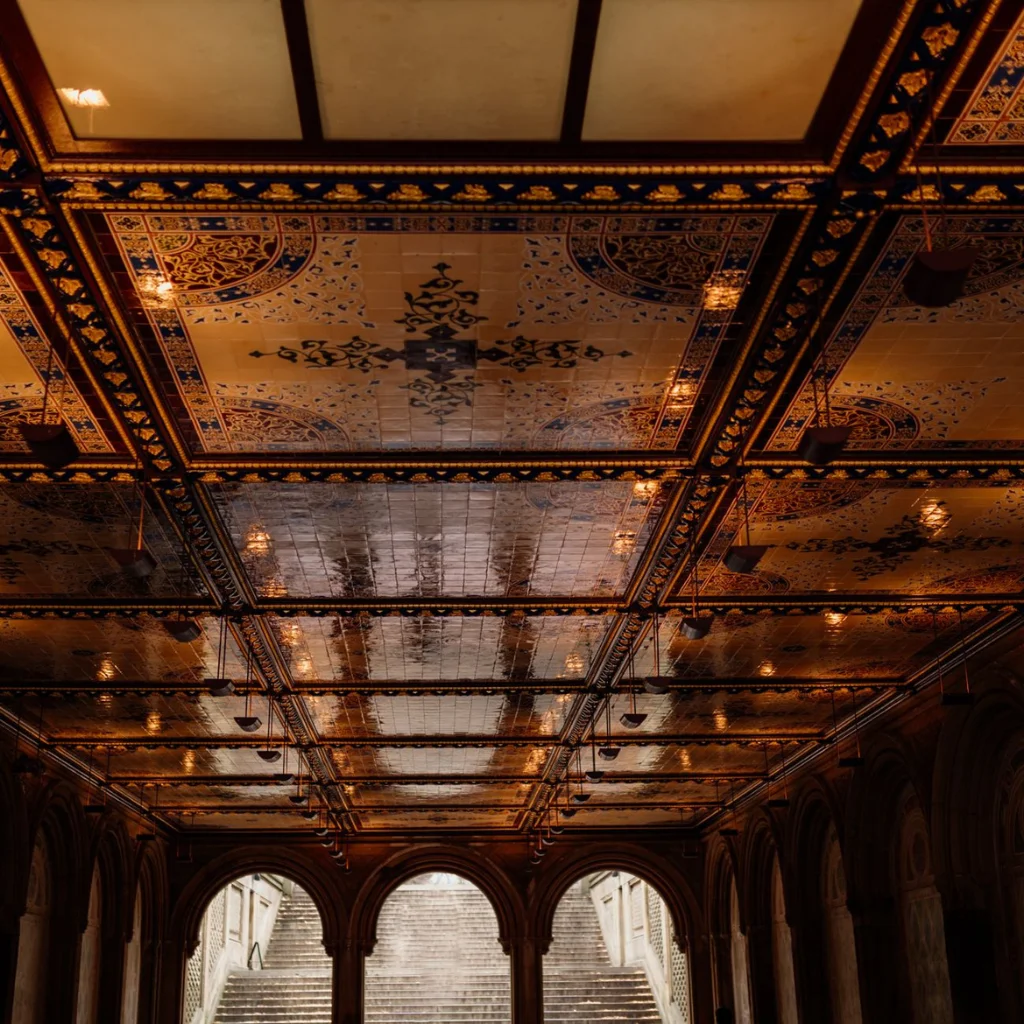
At the most accessible end of the visual impact spectrum, a painted statement ceiling remains one of the smartest moves in passage ceiling designs. A single can of paint in the right colour can completely transform a hallway that was previously a non-space into a room with personality, depth, and a clear design point of view.
Deep jewel tones like sapphire, emerald, and terracotta have emerged as the standout colour choices for statement ceilings heading into 2026. These rich hues work in passages because the overhead application creates intimacy rather than claustrophobia — the colour frames the corridor without pressing in from the sides.
Best For
- Every home style and hallway size
- Renters and first-time decorators working with a tight budget
- Anyone who wants immediate impact with a single weekend project
Pro Styling Tip
Run the ceiling colour a few inches down the wall — below the crown molding line if you have it, or just a few inches below the ceiling plane if you do not. This technique blurs the boundary between wall and ceiling, making the color feel deliberate and enveloping rather than abruptly placed.
Matching Passage Ceiling Designs to Your Home Style
Choosing among passage ceiling designs comes down to three factors: your home’s existing architectural language, your hallway’s proportions, and the level of investment you’re prepared to make. Here is a quick reference to align style with ceiling type:
- Traditional and Colonial homes → Coffered or barrel-vaulted
- Modern and minimalist homes → Backlit tray or painted statement
- Farmhouse and rustic homes → Wood plank or cathedral
- Eclectic and maximalist homes → Wallpapered or POP with curves
- Apartment and condo dwellers → POP false ceiling or painted statement
No hallway ceiling style works in isolation. Lighting is the multiplier — whatever design you choose, the right fixtures and the right placement turn a good ceiling into an extraordinary one. Recessed downlights, cove LEDs, and pendant fixtures each interact differently with every ceiling style listed above.
Ready to Rethink What’s Above You?
The hallway has always been the most skipped room in the house — but it does not have to be. Every passage ceiling design on this list represents an opportunity to turn a transitional space into something people notice, comment on, and remember. Start with your home’s natural style, match it to the ceiling type that fits your budget, and let the ceiling do the heavy lifting the walls never could.
Save this guide, pin your favourites, and come back when you’re ready to start. Your most overlooked ceiling is about to become your best design decision.
Highly Recommended: 20 Lobby Ceiling Designs Ranked from Classic to Jaw-Dropping.