Choosing between knotty pine paneling and smooth pine paneling can shape the entire personality of a room. Both use the same species of timber, yet the results look remarkably different — one brings warm, organic character to walls and ceilings, while the other delivers a cleaner, more refined finish that suits modern sensibilities. Understanding which works for your space comes down to aesthetics, budget, maintenance expectations, and how you plan to decorate around it.
This guide breaks down every major difference between knotty pine paneling and its smooth counterpart so you can make a confident decision. Whether you are renovating a log cabin, updating a living room, or installing accent panelling in a hallway, knowing the nuances of each option will save you time, money, and second-guessing once the boards are up.
What Is Knotty Pine Paneling?
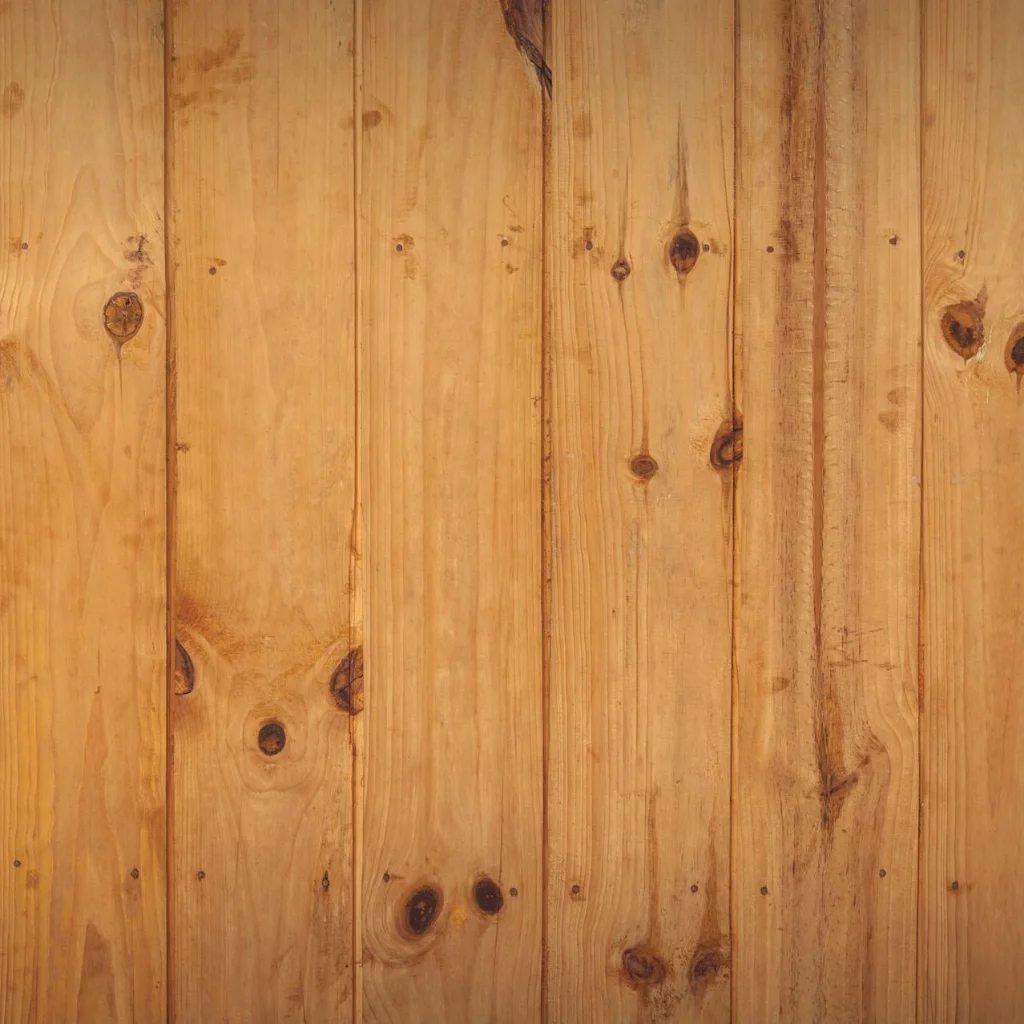
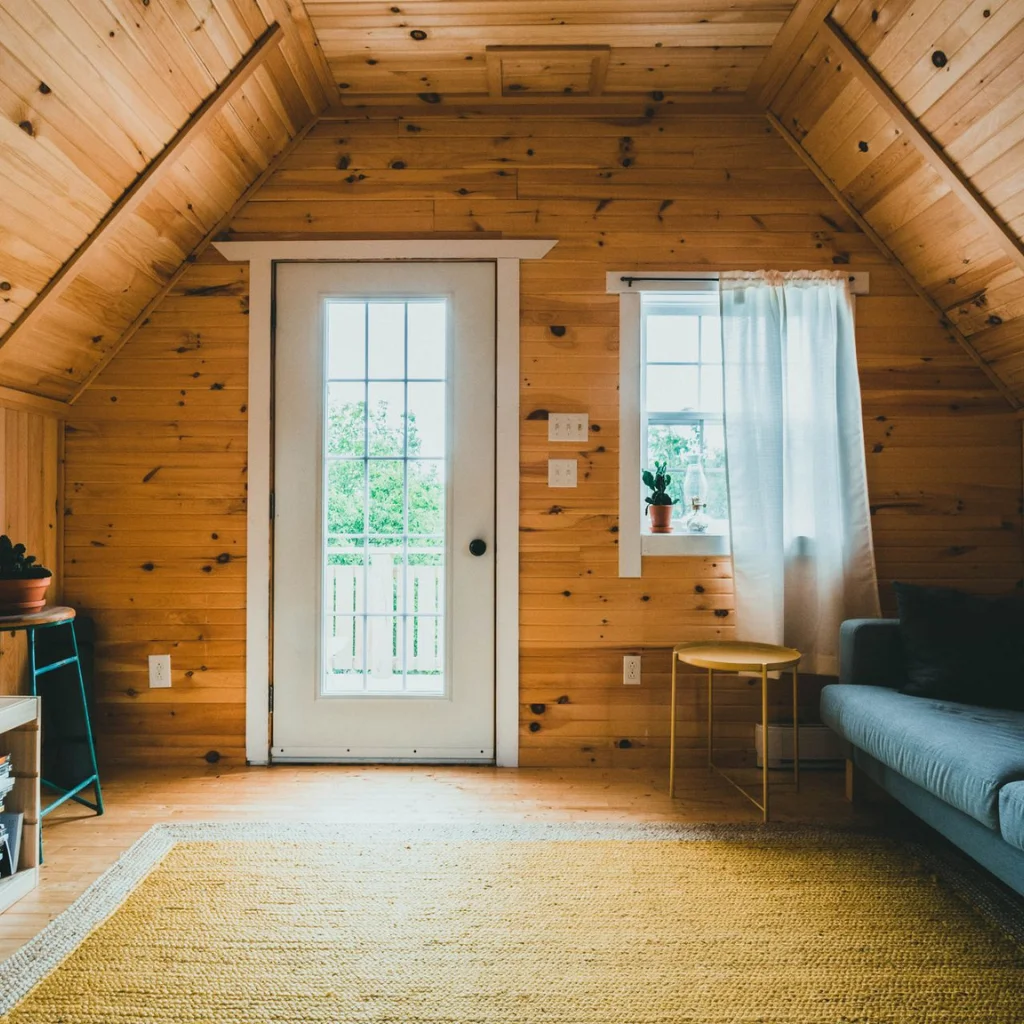
Knotty pine paneling is timber cladding milled from lower-grade pine boards that retain the natural knots formed where branches once grew on the tree. These knots — ranging from small, tight circles to larger, darker whorls — are not flaws. They are the defining characteristic that gives knotty pine its celebrated rustic look.
Most knotty pine paneling sold today is tongue-and-groove, meaning each board interlocks with the next for a seamless wall surface. Common grades include Number 2 and Number 3 common pine, where knots are more frequent and pronounced. The boards typically come in widths between 3.5 and 5.5 inches and lengths ranging from 8 to 16 feet.
In the mid-20th century, knotty pine paneling was a staple of American basement finishing and cabin design. It has since cycled back into mainstream interior design, particularly in farmhouse, Scandinavian-rustic, and mountain lodge aesthetics. Its affordability and warmth make it one of the most popular choices for accent walls and full-room panelling projects.
What Is Smooth Pine Paneling?
Smooth pine paneling — also sold as clear pine or select pine — comes from higher-grade pine timber where knots are absent or minimal. The surface is sanded to a fine, even finish that emphasises the straight grain of the wood rather than natural irregularities.
Clear pine paneling is graded C Select or D Select, meaning fewer knots, tighter grain, and a more consistent colour across each board. Because the raw material is higher quality and less common in yield per log, it commands a higher price per linear foot than knotty grades.
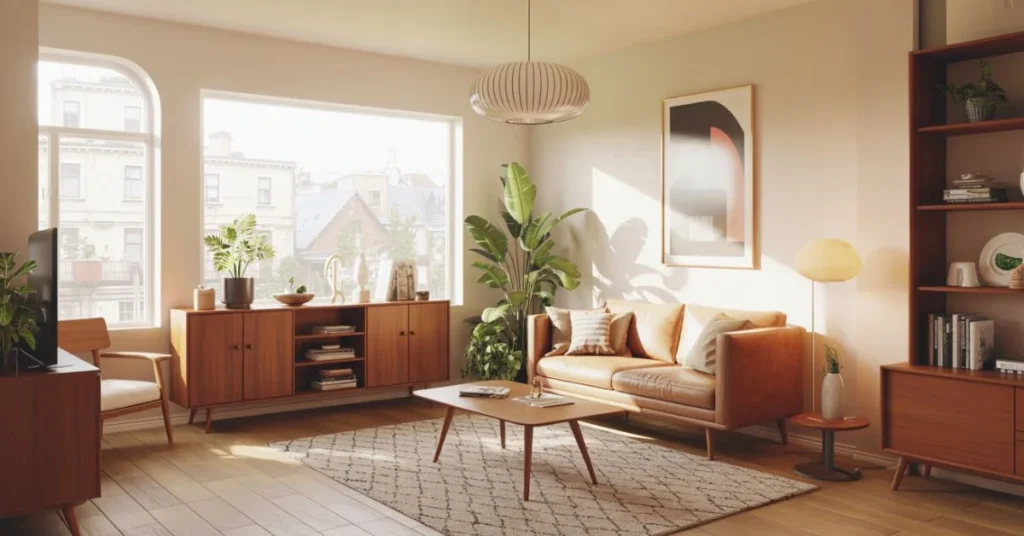
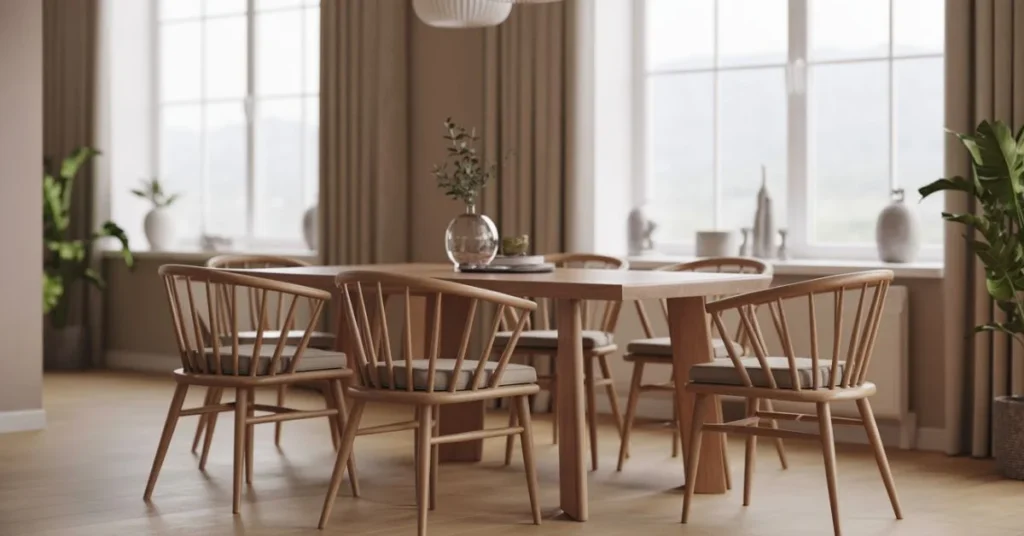
The result is a cleaner, more contemporary wall surface that suits transitional, Scandinavian, and modern interiors. Smooth pine can be left natural, whitewashed, painted in any colour, or given a limewash treatment for a Nordic-inspired finish. Its versatility makes it a favourite for designers who want the warmth of real wood without the visual busyness of heavy knots.
Side-by-Side Comparison
The table below summarises the core differences briefly before we examine each factor in depth.
| Feature | Knotty Pine Paneling | Smooth Pine Paneling |
| Appearance | Rustic, textured, natural knots | Clean, uniform, refined |
| Character | High — each board is unique | Low — consistent grain only |
| Best Style Fit | Cabin, farmhouse, rustic, lodge | Contemporary, Scandinavian, transitional |
| Paint-Ready | Requires more prep work | Paints smoothly with minimal prep |
| Cost | Generally more affordable | Slightly higher for clear grades |
| Maintenance | Similar — periodic sealing/staining | Similar — easier to repaint |
| Resale Appeal | Strong in rustic markets | Broader mainstream appeal |
Appearance and Texture Differences
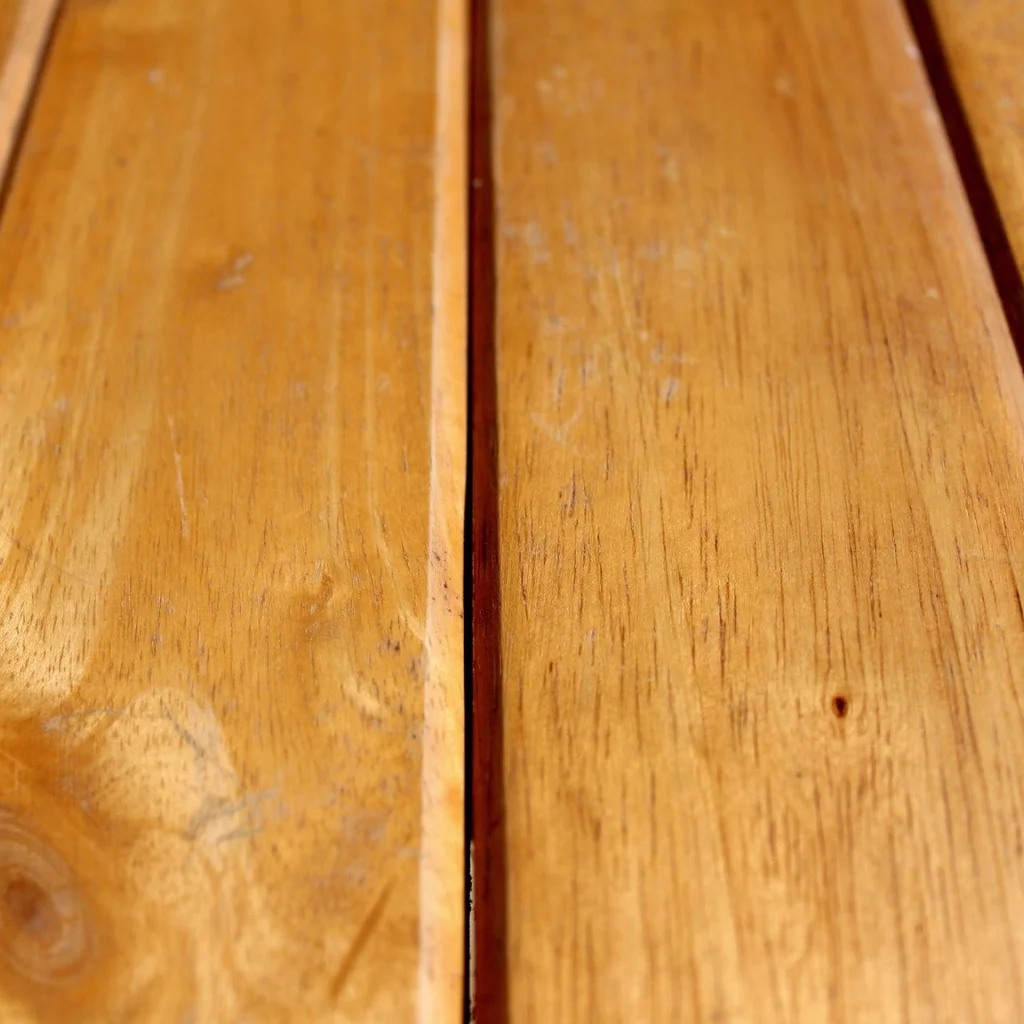
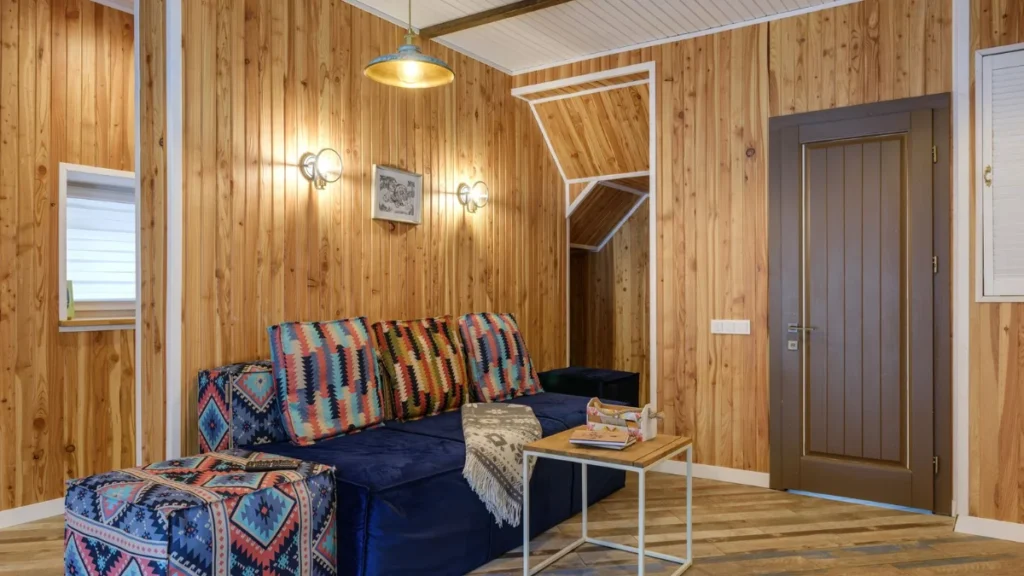
This is where the two types diverge most dramatically. Knotty pine paneling has a personality all its own — no two boards look exactly alike, which gives walls a layered, handcrafted quality. The knots create natural focal points that draw the eye and add warmth even in large, open rooms.
Smooth pine, by contrast, offers a quieter visual experience. The straight, consistent grain is pleasing but unobtrusive. Walls clad in smooth pine become a backdrop that lets furniture, artwork, and textiles take centre stage.
Colour Tone
Freshly installed knotty pine paneling tends toward a warm amber-honey tone, which deepens over time with exposure to light. The knots themselves are typically darker — reddish-brown to nearly black — which adds contrast and visual richness to the surface.
Smooth pine starts lighter, often a pale cream or buttery yellow, and its uniform colour makes it easier to control with stains and finishes. If you want a specific shade without visual noise, smooth pine gives you greater predictability.
Grain Patterns
Both types display pine’s characteristic straight grain with occasional swirl patterns, but the prominence differs. In knotty boards, the grain often radiates outward around each knot, creating concentric patterns. In smooth pine, the grain runs cleanly from top to bottom with no interruption.
Cost Breakdown
Budget is often the deciding factor, and knotty pine paneling has a clear price advantage. Because knotty grades come from a higher proportion of each log, they are more readily available and less expensive to produce. On average, knotty pine tongue-and-groove paneling costs between $1.20 and $2.50 per linear foot, depending on width, supplier, and region.
Smooth clear pine paneling typically runs between $2.50 and $4.50 per linear foot, and premium clear grades can go higher. Over a full room, the cost difference can be substantial — sometimes hundreds of pounds on a mid-sized project.
Installation Costs
Installation costs are broadly similar for both types since the tongue-and-groove mechanism works identically. Where costs can diverge is in surface preparation. Smooth pine may require less prep work for painting, but knotty pine may need a shellac-based primer over knots to prevent resin bleed-through if you plan to paint it.
Finishing Costs
If you plan to stain or varnish rather than paint, knotty pine paneling is generally easier to finish cheaply because its natural tone is already warm and appealing. Smooth pine responds better to clear coat or lightly tinted stains, where the cost of a higher-quality product matters more to the result.
Best Interior Styles for Each Type
When to Choose Knotty Pine Paneling
Knotty pine paneling thrives in spaces where warmth, character, and a connection to nature are priorities. It works naturally in:
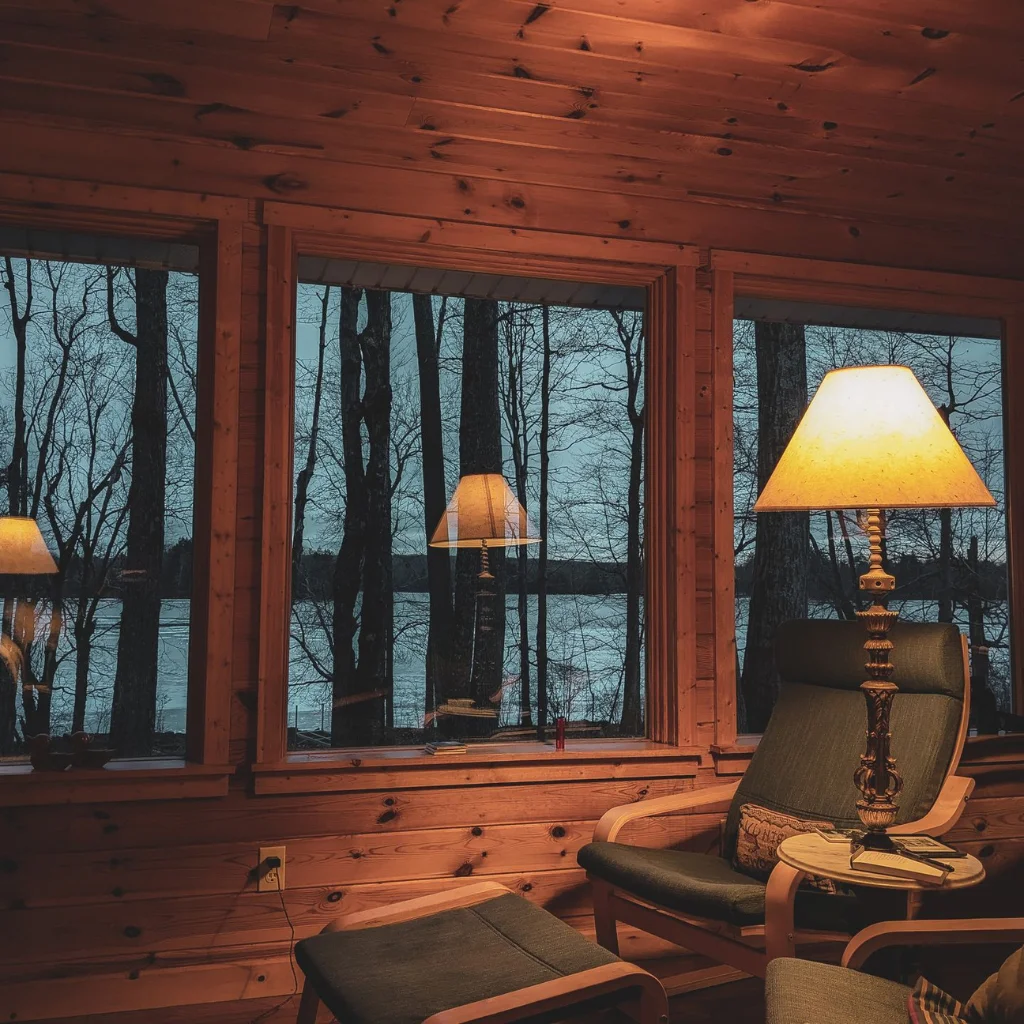
- Cabin and lodge interiors — the organic texture pairs perfectly with exposed beams, stone, and leather furnishings.
- Farmhouse style rooms — knotty pine walls complement shiplap details, vintage textiles, and antique-inspired hardware.
- Rustic basement finishes — a popular choice for transforming unfinished basement spaces into warm gathering rooms.
- Country kitchens — knotty pine as a ceiling or upper-wall treatment adds warmth without overwhelming a bright, functional space.
- Home offices and libraries — the rich texture creates a studious, grounded atmosphere that feels considered rather than sterile.
When to Choose Smooth Pine Paneling
Smooth pine suits spaces where the goal is restraint, flexibility, and a lighter visual mood:
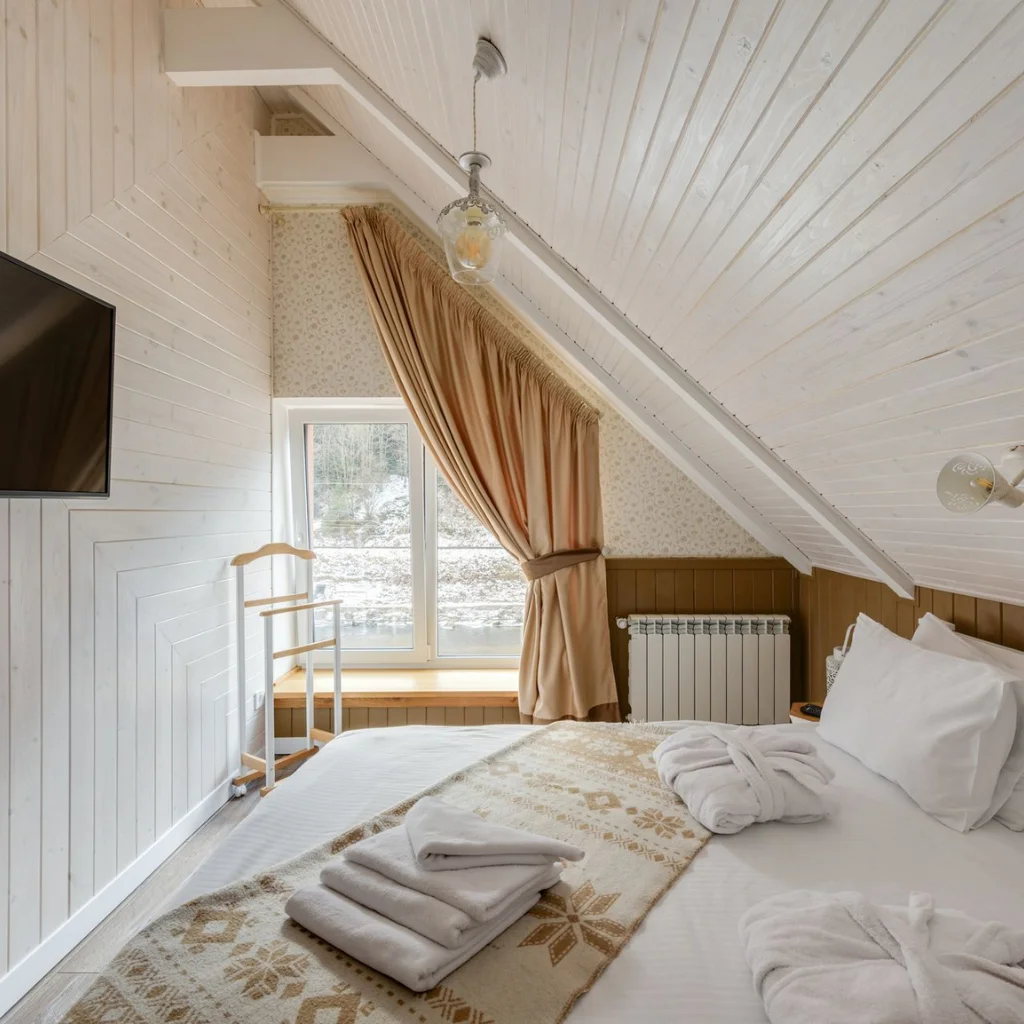
- Scandinavian and Nordic interiors — pale smooth pine is practically synonymous with Nordic design principles of simplicity and lightness.
- Contemporary living rooms — a clean wood surface reads as intentional and architectural rather than decorative.
- Children’s bedrooms — smooth pine accepts paint readily, allowing for colour customisation as tastes change.
- Transitional spaces — hallways, entryways, and staircases benefit from smooth pine’s understated quality.
- Open-plan areas — in large spaces where visual busyness could overwhelm, smooth pine keeps the walls calm and cohesive.
Painting and Finishing Options
Finishing Knotty Pine Paneling
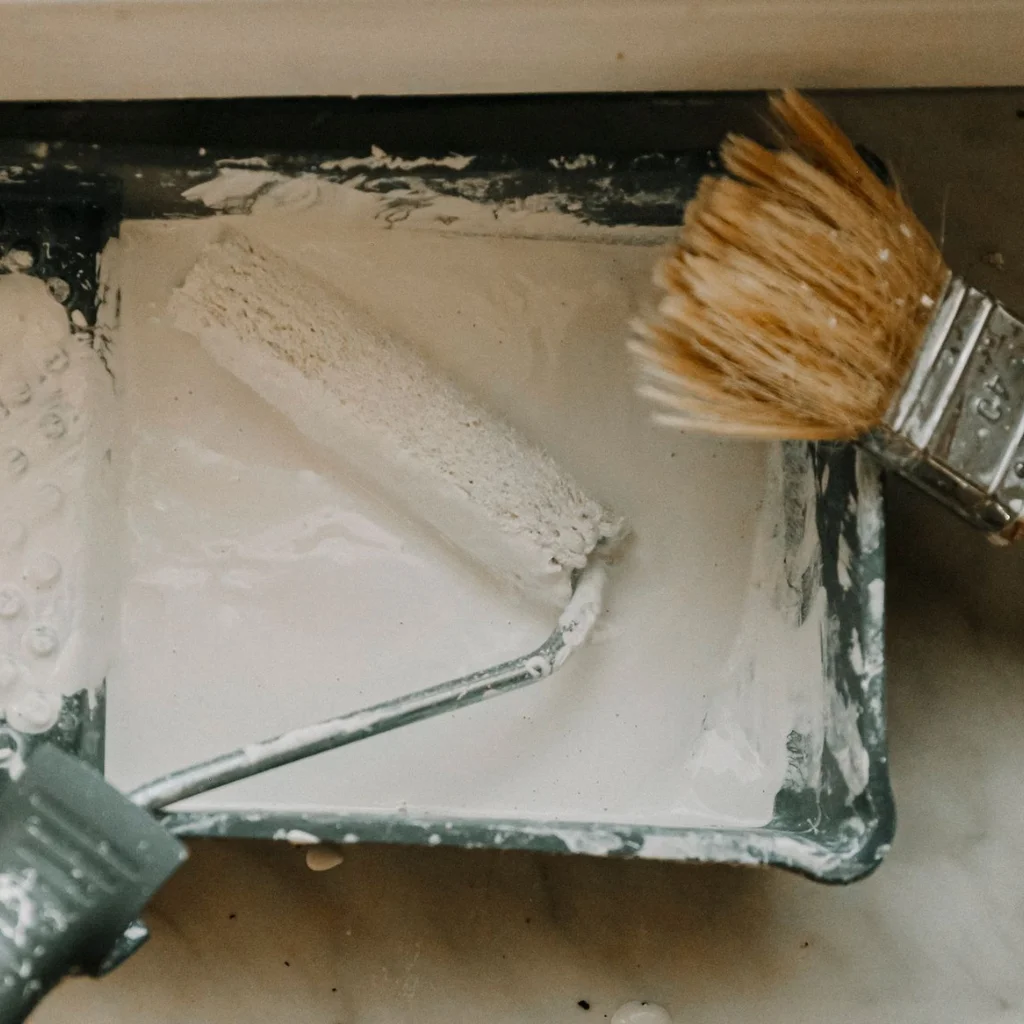
The most important step when finishing knotty pine paneling is priming the knots correctly. Pine knots are rich in resin, which bleeds through standard primers and eventually shows through paint as yellow-brown stains. A shellac-based primer or a dedicated knot-blocking primer applied directly over each knot before full priming prevents this entirely.
For a natural finish, a clear polyurethane or oil-based varnish enhances the warm tone and protects the surface beautifully. Tinted stains — from light honey to deep walnut — let you alter the mood without losing the grain and knot character that defines knotty pine paneling.
Finishing Smooth Pine Paneling
Smooth pine’s clean surface accepts virtually any finish without special preparation. Water-based paints apply evenly, stains soak in uniformly, and clear coats produce a flawless sheen. For a limewash or whitewash finish, smooth pine is the superior choice because the technique relies on an even grain to distribute pigment consistently.
If you want to paint smooth pine and later change the colour, the process is straightforward. Lightly sand, reprime, and repaint. Smooth pine offers the greatest long-term flexibility for homeowners who anticipate changing their decor over time.
Durability and Maintenance
In terms of raw durability, knotty pine paneling and smooth pine perform almost identically. Both are softwoods with a Janka hardness rating of around 870 lbf — harder than many expect from pine, but softer than oak or ash. Both will dent and scratch more readily than hardwood, which is worth noting in high-traffic areas.
Sealing and Protection
Regardless of type, pine paneling benefits from a quality top coat — polyurethane, lacquer, or wax — that protects against moisture, UV yellowing, and everyday wear. In bathrooms or kitchens, moisture-resistant sealant is non-negotiable for either type, as unsealed pine will absorb humidity and warp or discolour over time.
Ongoing Care
Routine care for both types is minimal. Dust regularly with a dry or slightly damp microfibre cloth. Avoid harsh chemical cleaners that strip the finish. Re-coat the surface every 5 to 10 years depending on foot traffic and light exposure to keep the wood protected and looking its best.
Rooms Where Each Type Works Best
Living Rooms
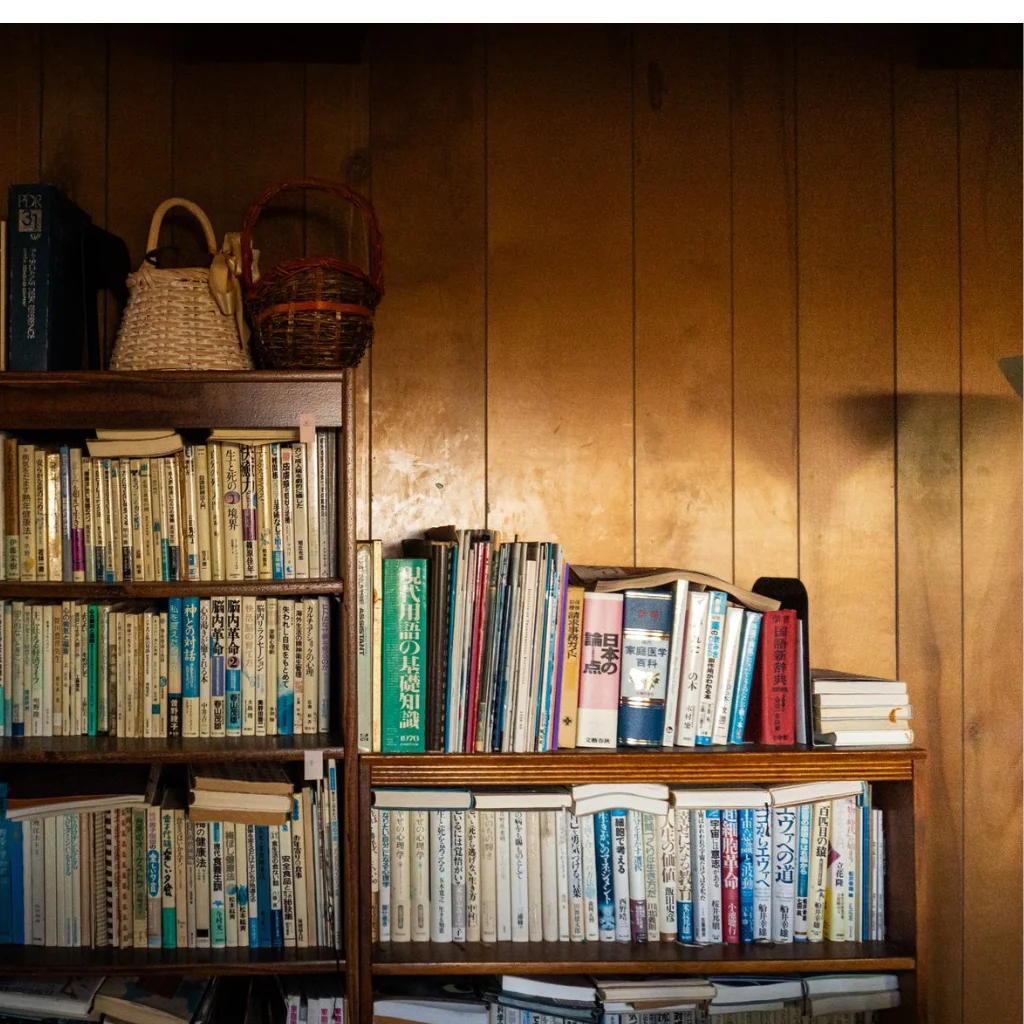
Both types work well in living rooms, but knotty pine paneling creates an unmistakably cosy, cabin-like atmosphere, particularly on a feature wall behind a sofa or fireplace. Smooth pine suits open-plan living spaces where the wood must complement rather than dominate a broader design scheme.
Bedrooms
For bedrooms, smooth pine’s quieter aesthetic promotes calm and rest. It can be stained or painted to match evolving preferences. Knotty pine works beautifully in master suites with a rustic or farmhouse theme — the grain and knot detail add visual warmth that soft furnishings can echo.
Kitchens
Knotty pine paneling suits country and farmhouse kitchens as an upper-wall or ceiling finish. Smooth pine suits contemporary kitchen designs where wood is used as a subtle textural accent rather than the star of the room.
Basements and Home Studios
This is where knotty pine paneling genuinely excels. Its affordability, warmth, and ease of installation make it the go-to choice for transforming a utilitarian basement into a functional, comfortable room. Smooth pine is less common in this application — its premium cost is harder to justify in below-grade spaces.
How to Make Your Final Decision
If you are still weighing both options, run through these four considerations to reach a clear answer:
1. Commit to a Style Direction First
Before touching a sample board, settle on your interior style. Rustic, farmhouse, cabin, or lodge? Go knotty. Contemporary, Scandinavian, transitional, or minimalist? Go smooth. Choosing the paneling type without a clear style brief leads to rooms that feel uncertain.
2. Factor in Your Paint Plans
If you want to paint the paneling white or a solid colour, smooth pine is the easier path — especially for a crisp, professional result. Knotty pine paneling can absolutely be painted, but knot sealing is essential and the texture will still show through the finish.
3. Be Honest About Your Budget
For a full-room installation, the cost difference between knotty and smooth pine can run to several hundred pounds or dollars. If budget is tight, knotty pine paneling delivers enormous visual return per pound spent and should not be seen as a compromise — it is a legitimate design choice in its own right.
4. Think About Resale
In rural, mountain, or coastal markets where rustic aesthetics are desirable, knotty pine paneling can be a selling feature. In urban markets or contemporary-leaning neighbourhoods, smooth pine tends to have broader appeal to buyers who prefer cleaner finishes.
Pine Paneling Decoded — Making the Choice That Lasts
Knotty pine paneling and smooth pine paneling share the same raw material but speak two completely different design languages. Knotty pine is character, warmth, and organic richness — the right choice for spaces that lean into natural beauty and rustic comfort. Smooth pine is refinement, flexibility, and visual calm — the right choice for spaces that prioritise adaptability and a modern sensibility.
Neither is objectively superior. The right answer depends entirely on how you want the room to feel. Match the paneling to the mood, commit to the finish, and the result will look intentional rather than accidental — which is exactly what great interior design feels like.
Ready to plan your pine paneling project? Browse our home interior guides for more wall cladding inspiration and room-by-room design ideas.
Recommended Reading: Passage Ceiling Design Styles Ranked by Visual Impact.