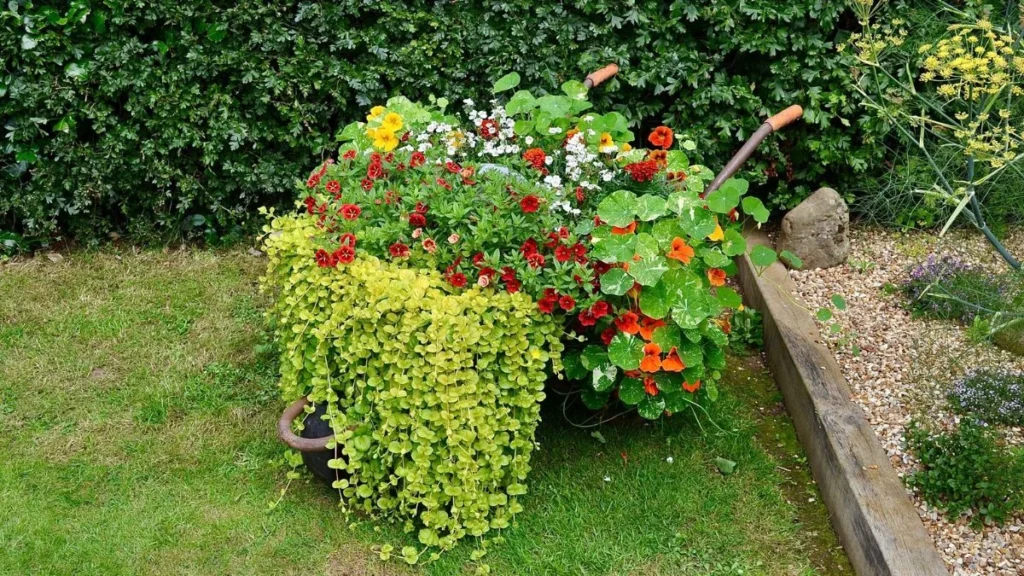
A cracked terracotta pot lying on its side, flowers tumbling out like a paused waterfall, has become one of the prettiest tricks in cottage gardening. Spilled flower pot ideas turn a moment that looks like an accident into the focal point of a border, and cottage gardens are the perfect setting for that gentle, storybook chaos. If your beds feel a little too tidy or predictable, this is a low cost way to add movement, colour and a touch of whimsy without redesigning the whole space.
Below are eleven ways to bring the spilled flower pot look into a cottage garden, from broken urns tucked under trees to teacups spilling morning glory.
Petals And Pointers
- Tipped or broken pots create the most convincing spill when the flowers cluster thick near the mouth and thin out towards the ground.
- Trailing annuals like petunias, morning glory and sweet potato vine build the effect fastest, while succulents suit dry sunny corners with far less upkeep.
- Sloped ground, tree bases and shaded corners are some of the easiest spots to style, since the setting does part of the visual work.
- Uneven, slightly wild planting sells the illusion better than a neat, evenly spaced arrangement ever will.
Terracotta Pot Spilling Forget Me Nots Beside A Pebble River
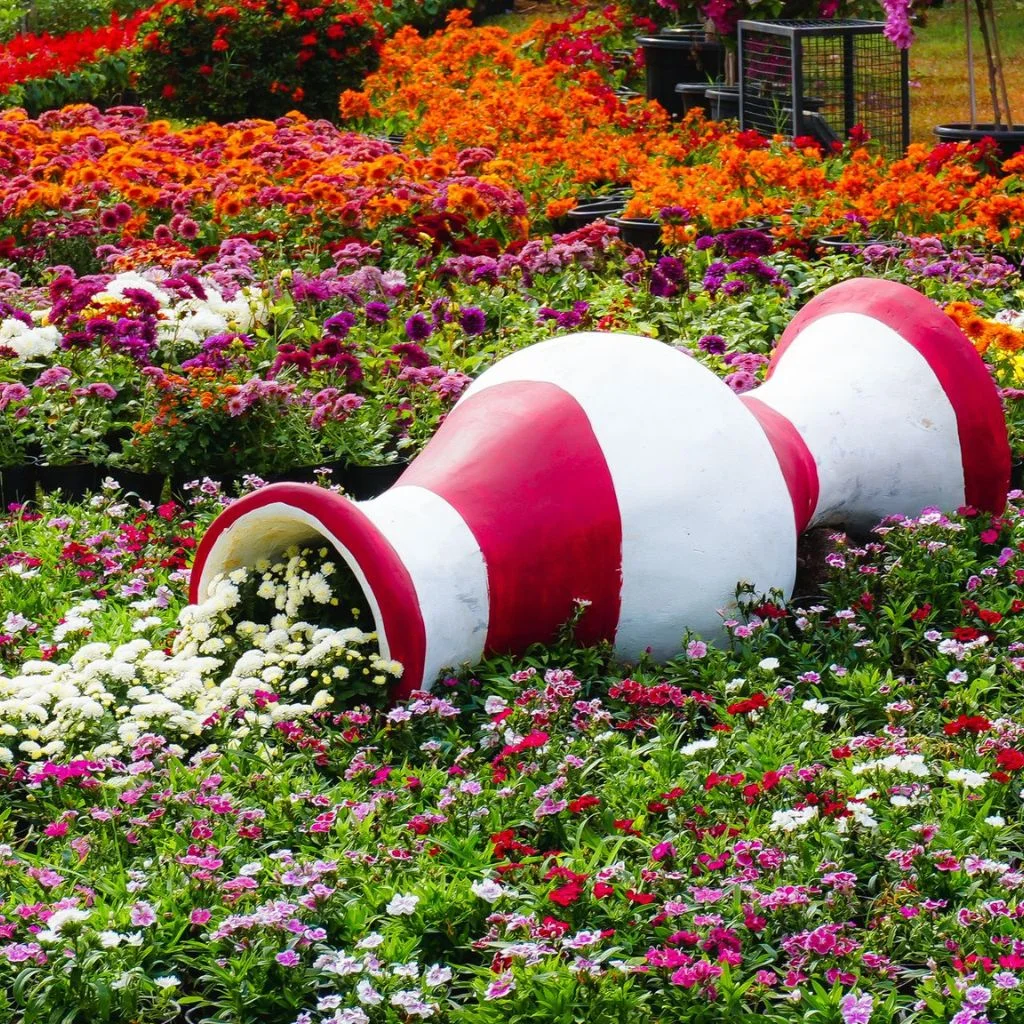
Forget me nots spilling from a tipped terracotta pot look genuinely like water finding its way downhill, especially when the pot sits beside a small pebble or rock arrangement that mimics a riverbed. Nestle a weathered terracotta pot on its side into a shallow hollow, then plant the flowers thickest near the mouth of the pot, thinning them out as they reach the ground.
Forget me nots suit a cottage garden particularly well because they self-seed freely and prefer the same dappled shade and moist soil that woodland-style borders already offer. They also draw in butterflies without tempting deer or rabbits, which matters if your garden backs onto open countryside.
Lay a curve of small rocks or pea gravel around the base of the pot to suggest the edge of a stream. It is a small detail, but it is the one that convinces visitors the pot really has spilled rather than simply been planted at an angle.
Vintage Milk Churn Overflowing With Cottage Daisies
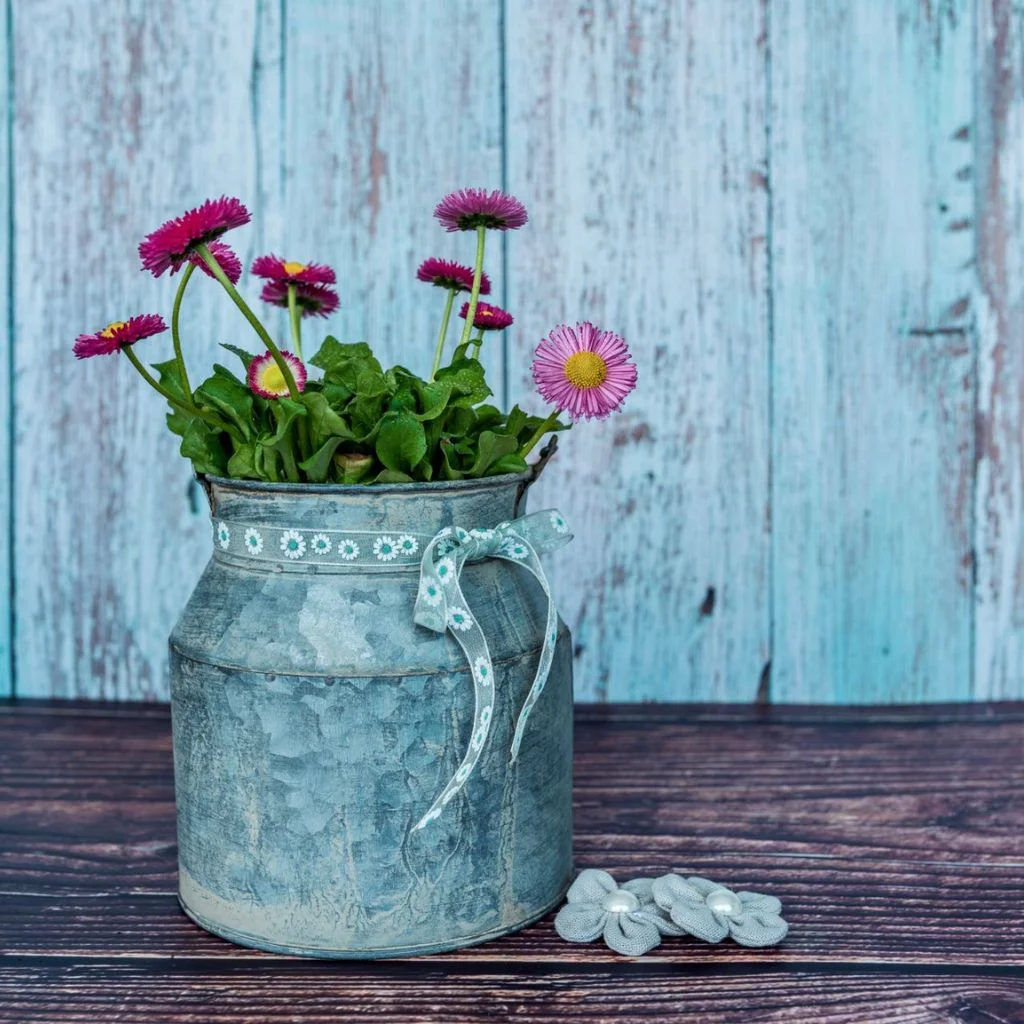
Vintage milk churns bring an instant sense of rural charm to a cottage garden, and tipping one onto its side with white daisies pouring out is one of the simplest spilled arrangements to pull off. The tall, narrow shape of a churn creates good contrast against low, spreading blooms.
Old churns rust and dent with age, which only adds to the effect rather than spoiling it. If you cannot find a genuine antique, a reproduction or a galvanised metal bucket does the job just as well, provided it has a wide enough opening for the plants to spill from.
Pack the base with soil, tuck daisies or a similar simple white flower into the neck, then let a few stems trail loosely across the ground. Keep the arrangement a little uneven. Perfectly spaced flowers undo the whole illusion.
Broken Urn Tucked Beneath A Garden Tree
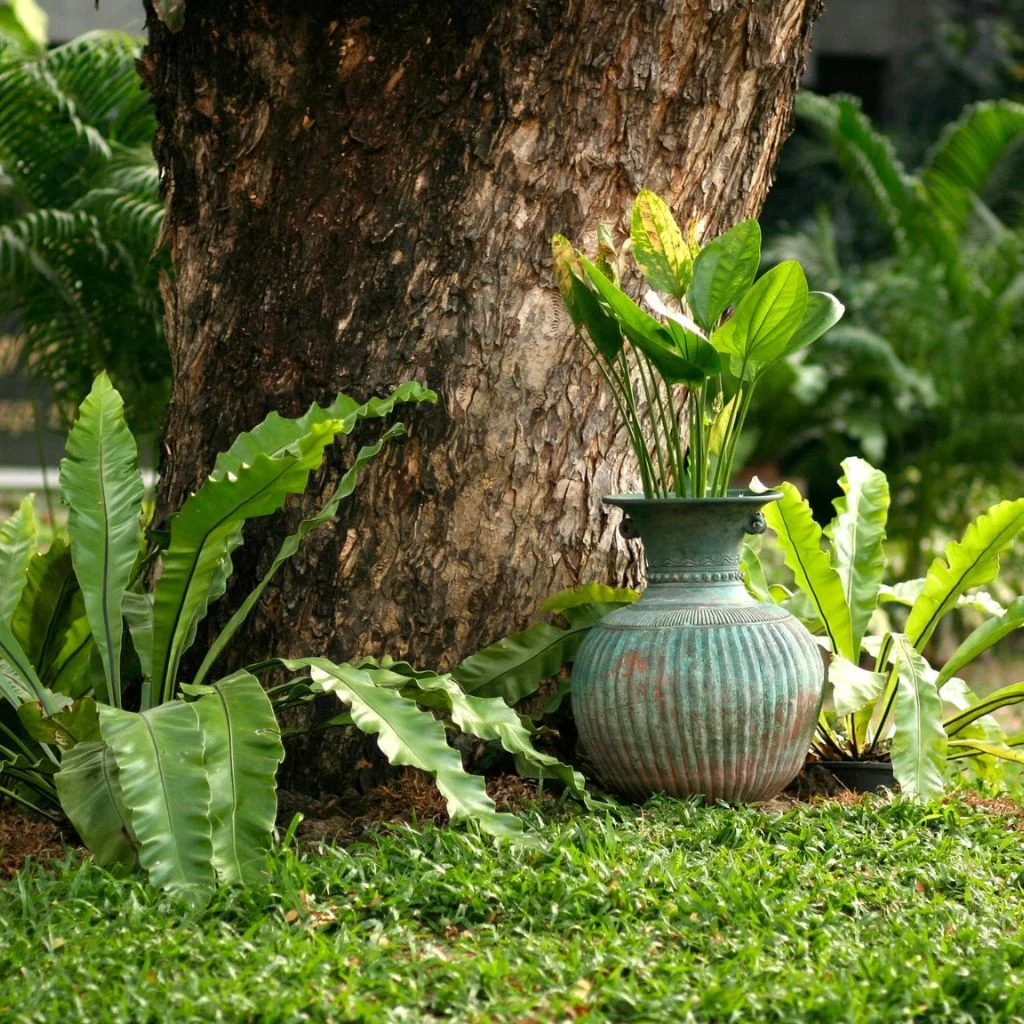
A broken urn placed at the base of a tree turns an ordinary trunk into a small scene of its own, particularly when the flowers spilling from it circle round the roots like a fallen ring of colour. This works well in spots where grass struggles to grow anyway, since tree roots often leave dry, patchy soil nearby.
Position the cracked side facing down into the earth so the break itself is hidden, then build the planting outward in a loose circle rather than a straight line. White or pale flowers show up beautifully against dark tree bark and mulch.
This is one of the easiest spilled pot styles for a first attempt, mainly because the tree does half the visual work for you. Bulb flowers like snowdrops or crocuses also suit this setting if you want colour before the rest of the garden wakes up.
Wheelbarrow Waterfall Of Sweet Peas And Cosmos
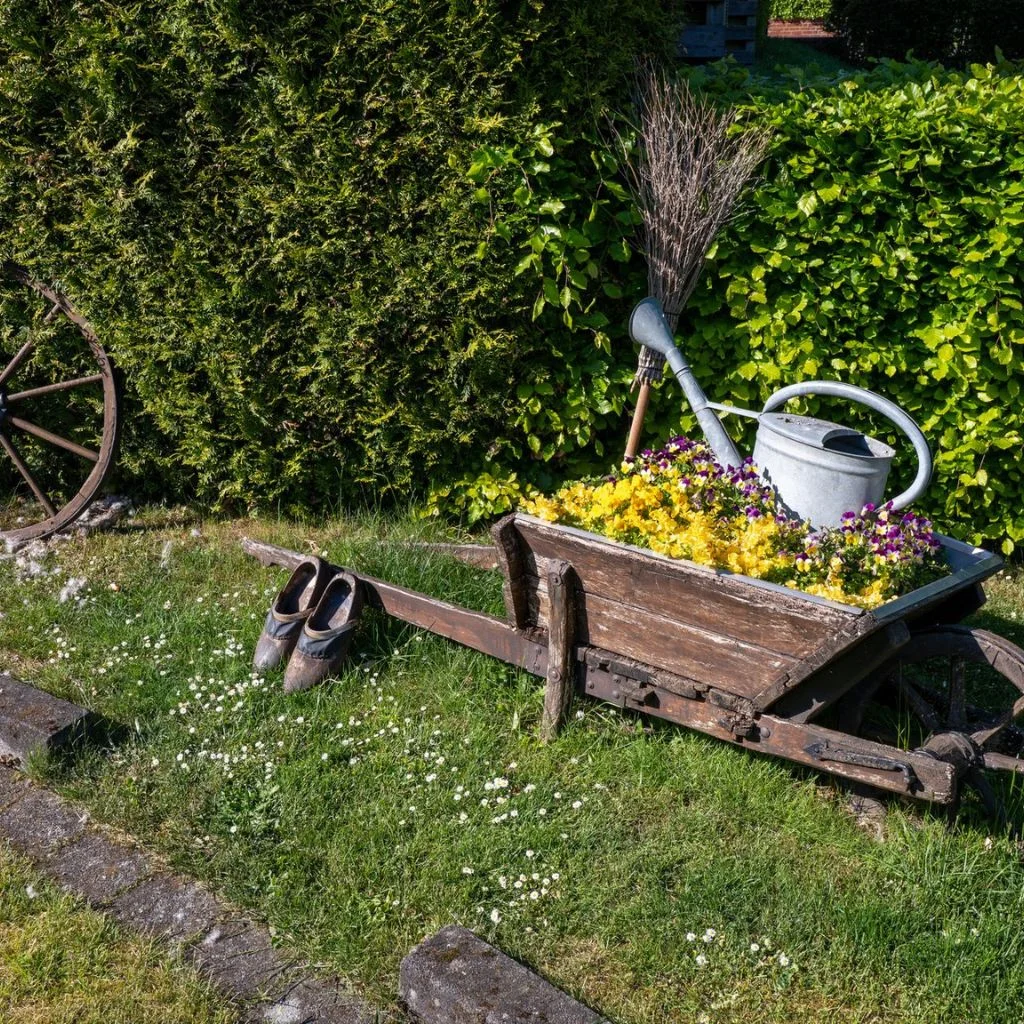
A wheelbarrow tipped onto its side and overflowing with sweet peas and cosmos brings a working garden charm that suits cottage plots with a slightly rustic, lived-in feel. The wide, shallow body of a wheelbarrow holds plenty of soil, so it can support a fuller, denser spill than most pots.
Sweet peas add fragrance and height along the back, while cosmos fills out the front with a looser, more delicate spread of petals. Both flowers bloom for months and are easy to grow from seed, which keeps the display affordable to refresh each year.
If the wheelbarrow still has working wheels, angle it as though it has just been abandoned mid task. That small storytelling touch is what turns a planted container into a proper garden scene rather than just another flower bed.
Teacups And Trailing Morning Glory For A Storybook Corner
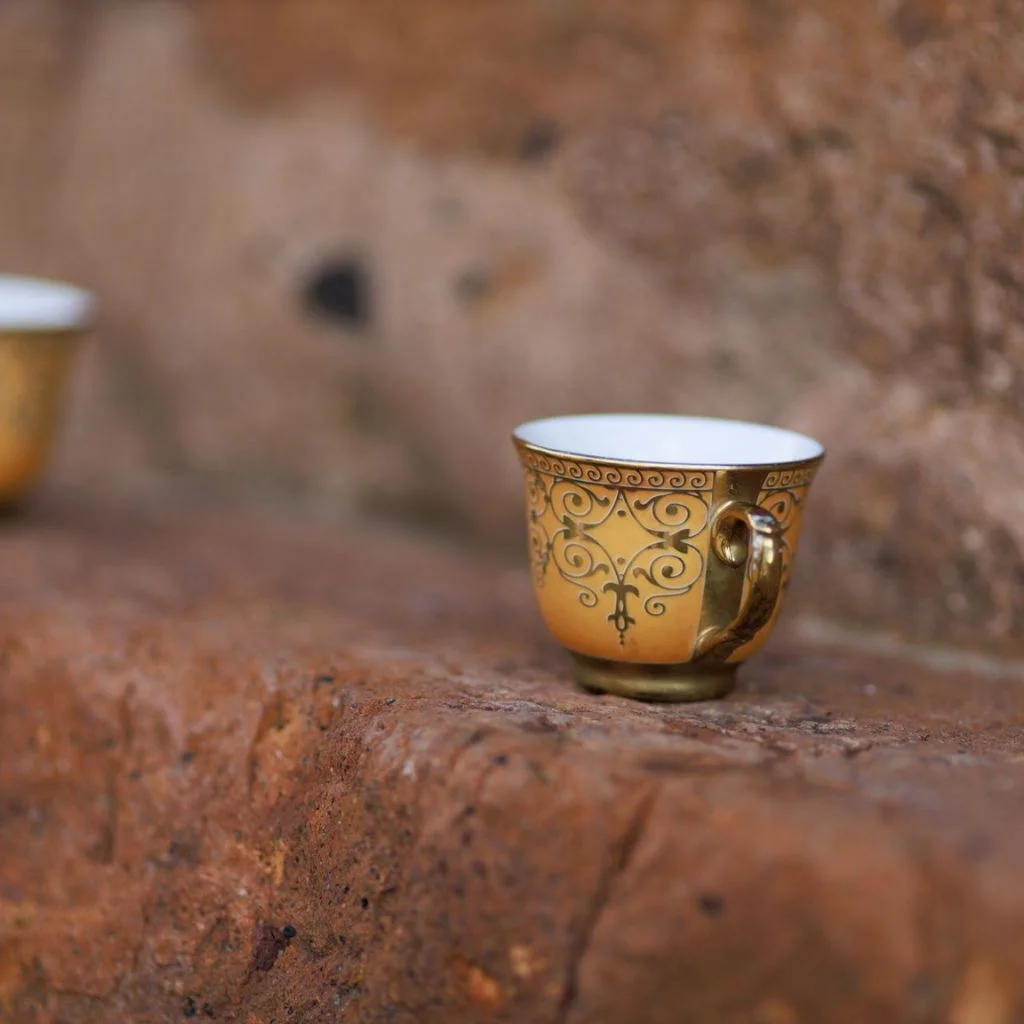
Teacups spilling morning glory create one of the most storybook corners you can build in a cottage garden, especially when a handful of mismatched vintage cups are grouped together on a low wall, stump or step. The delicate scale suits a quiet reading nook or a spot near a garden gate.
Morning glory vines are naturally vigorous trailers, so even a small teacup can produce a generous cascade of blooms once the vine establishes. Choose cups with a hole drilled in the base for drainage, or line them with a thin layer of gravel if drilling is not possible.
This idea works particularly well grouped in odd numbers, with cups at slightly different heights. A single teacup on its own can look like an afterthought, but three or five together read as a deliberate, charming display.
Watering Can Pouring Out Wave Petunias
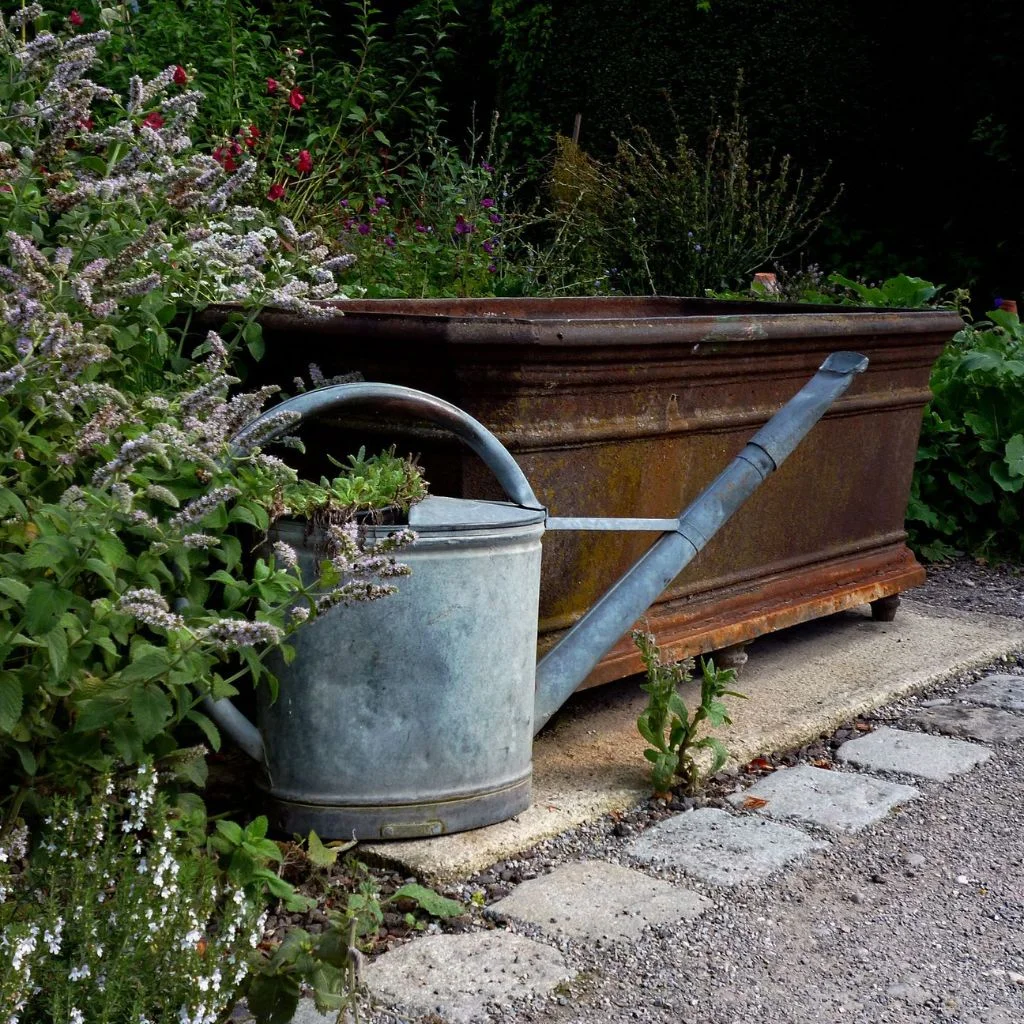
A watering can laid on its side with wave petunias pouring out is one of the quickest spilled pot ideas to put together, and it doubles as a nod to the gardening itself rather than looking purely decorative. Choose an old galvanised or enamel can for the most authentic cottage look.
Wave petunias are bred to spread and trail heavily, which makes them ideal for this kind of display since they fill the illusion of flow within a few weeks of planting. They also flower continuously through summer with minimal deadheading.
Position the can near a path or doorway where the pouring motion catches the eye as people walk past. A small watering can arrangement like this also works well in a large patio pot if you are short on ground space.
Sloped Beds That Use Gravity As The Design Tool
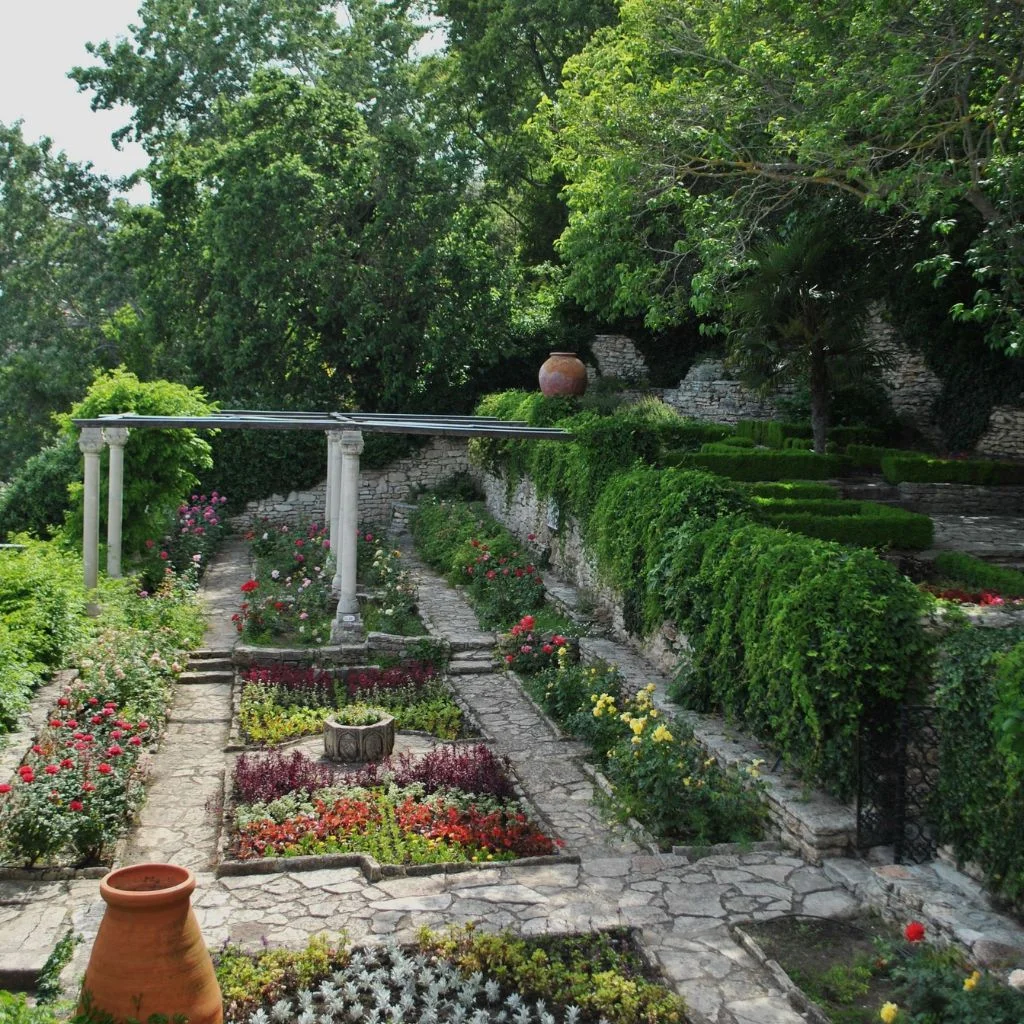
A sloped bed does much of the hard work for you, since gravity naturally pulls a trail of flowers downhill in a way that looks effortless rather than staged. If your garden has even a gentle incline, this is one of the most convincing spilled pot settings available.
Tip a tall urn or barrel at the top of the slope and let a mix of trailing and upright plants cascade down towards a path or lower bed. Combining ground covers with a few taller stems breaks up the flow so it does not look like a single flat sheet of colour.
Rocks or timber edging along the sides of the slope help contain soil and mulch during heavy rain. Without that edging, the first proper downpour can wash your carefully arranged spill straight onto the lawn.
Shaded Corners Styled With Hostas Ferns And Impatiens
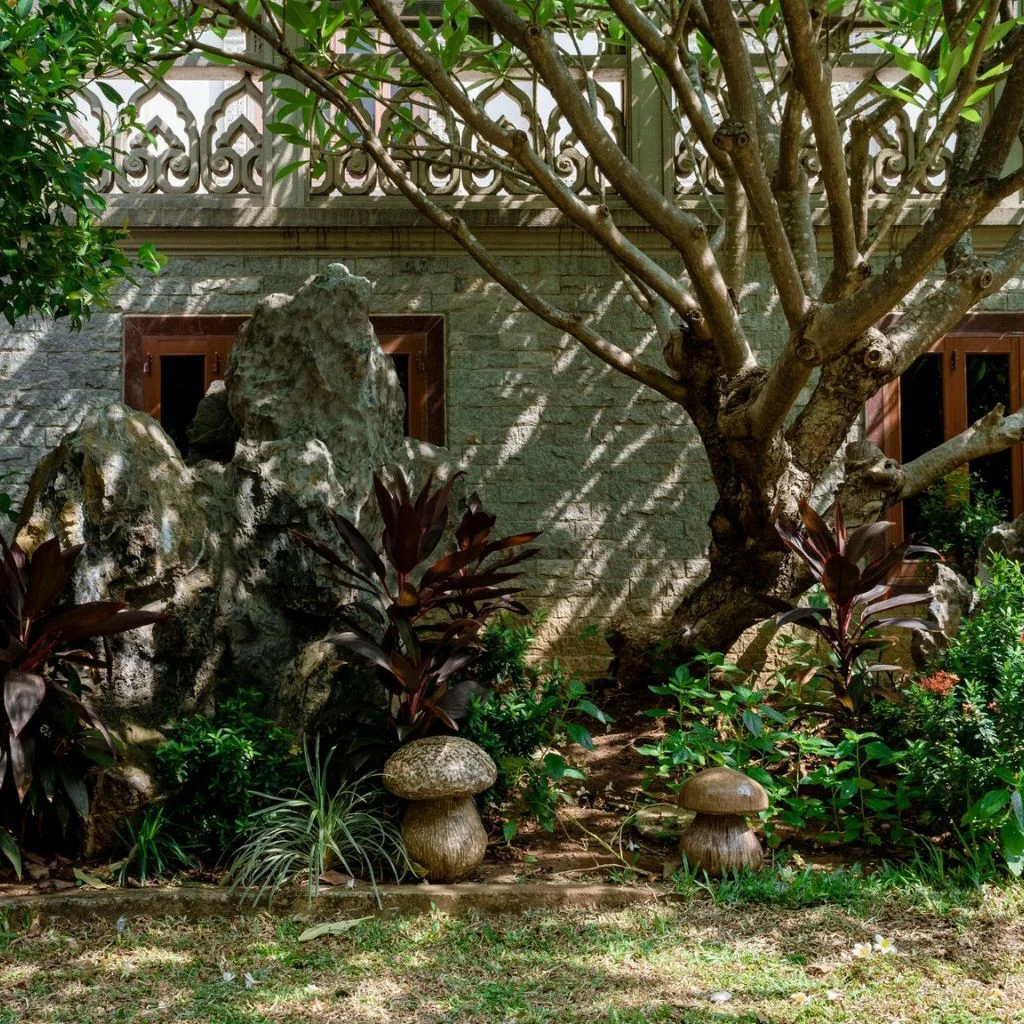
Shaded corners are often the trickiest part of a cottage garden to style, but a dark coloured tipped pot filled with hostas, ferns and impatiens turns a dim spot into a soft, layered display rather than a gap to be ignored. This combination thrives with very little direct sun.
Hostas provide bold foliage and structure, ferns add a fine, feathery texture, and impatiens supply the colour that carries the spilled effect. Keep the soil consistently moist, since shaded ground often stays damp longer and dries out unevenly if neglected.
A common mistake here is placing the pot somewhere that looks shaded in summer but sits in deep, permanent shadow the rest of the year. Watch the spot across a few seasons before committing, or choose plants that tolerate a wider range of light.
Seasonal Spills That Change With The Calendar
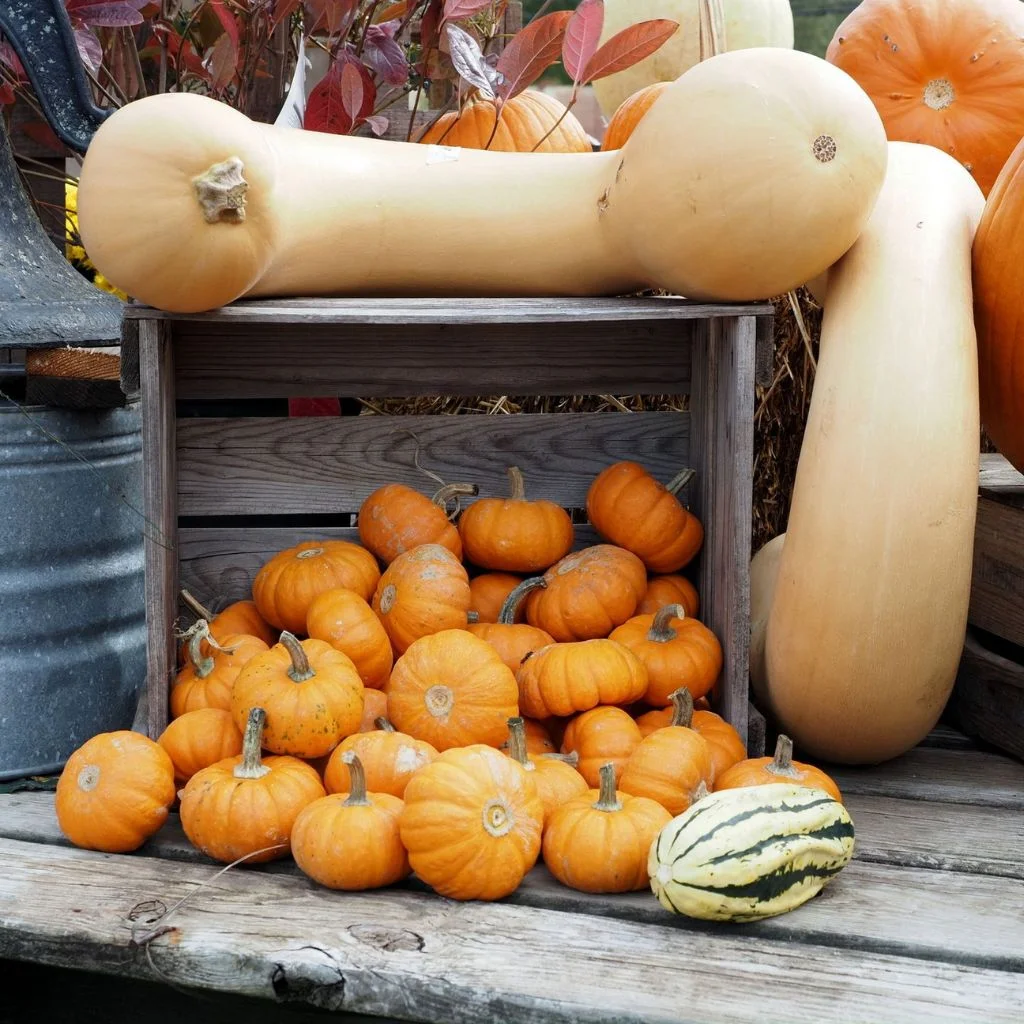
Changing the display with the seasons keeps a spilled flower pot from becoming static scenery that people stop noticing after the first few weeks. Start with tulips or daffodils in spring, move into cosmos, black eyed Susans or zinnias for summer, then finish with mums, ornamental kale and mini pumpkins in autumn.
Self-seeding varieties make this rotation easier over time, since flowers like California poppies, larkspur and morning glory will often return on their own the following year with only light thinning required.
Keeping a simple note of what was planted and when it peaked helps you plan the next rotation without guesswork. A seasonal spilled pot becomes something visitors genuinely look forward to seeing again, rather than a fixed feature they walk past without a second glance.
Succulent Spills For Dry Sunny Corners
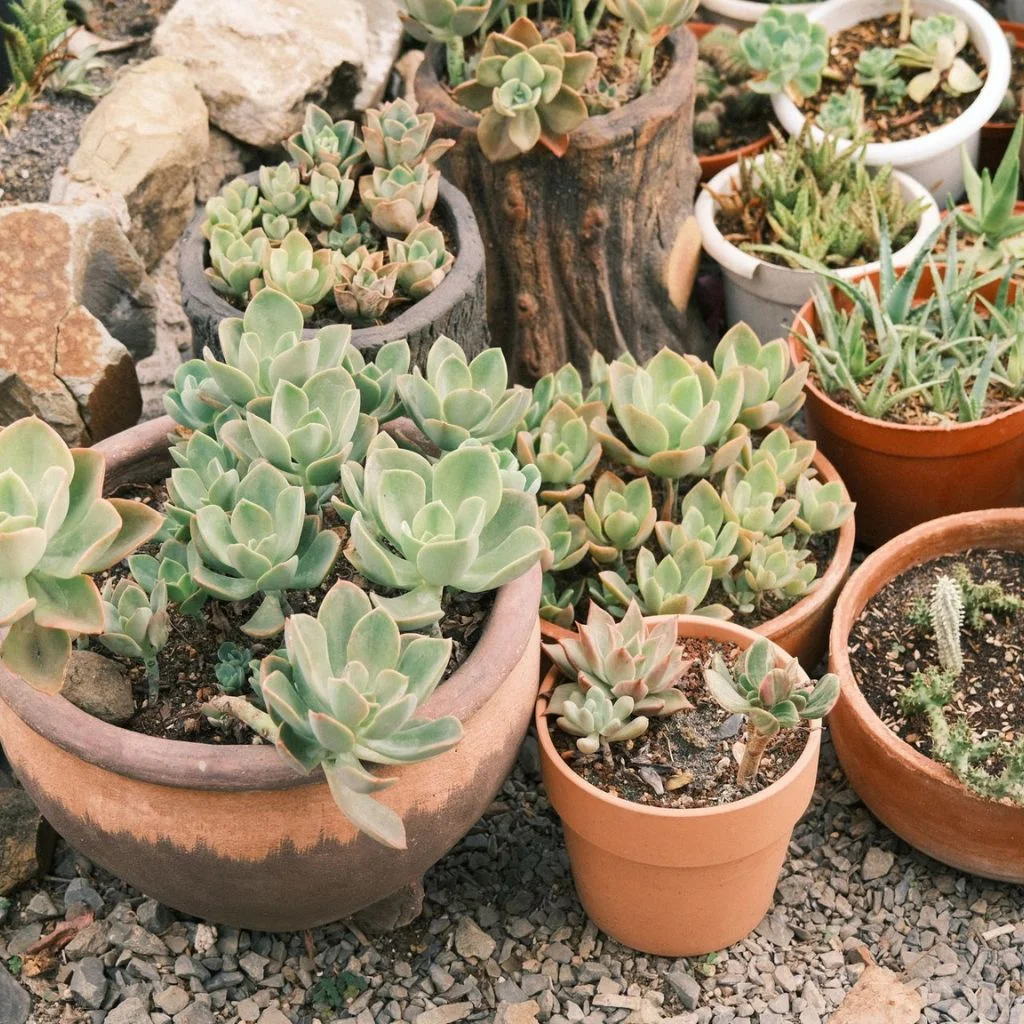
Succulent spills suit dry, sunny corners of a cottage garden where thirstier annuals would struggle, and they bring a completely different texture to the trend without losing the whimsical, tumbling effect. A wide, shallow terracotta pot works better here than a deep one.
Sedum, hen and chicks, and other low growing succulents spread readily and need very little maintenance once established, which makes this option good value for a garden you cannot water daily. Tilt the pot onto a bed of sand or fine gravel rather than ordinary soil to keep drainage sharp.
This is a good direction if your cottage garden leans more rustic and drier than lush and classic, or if a previous flower based spill has struggled through a hot summer. Succulents give the same visual trick with almost none of the upkeep.
Vertical Spills Against Cottage Walls And Fences
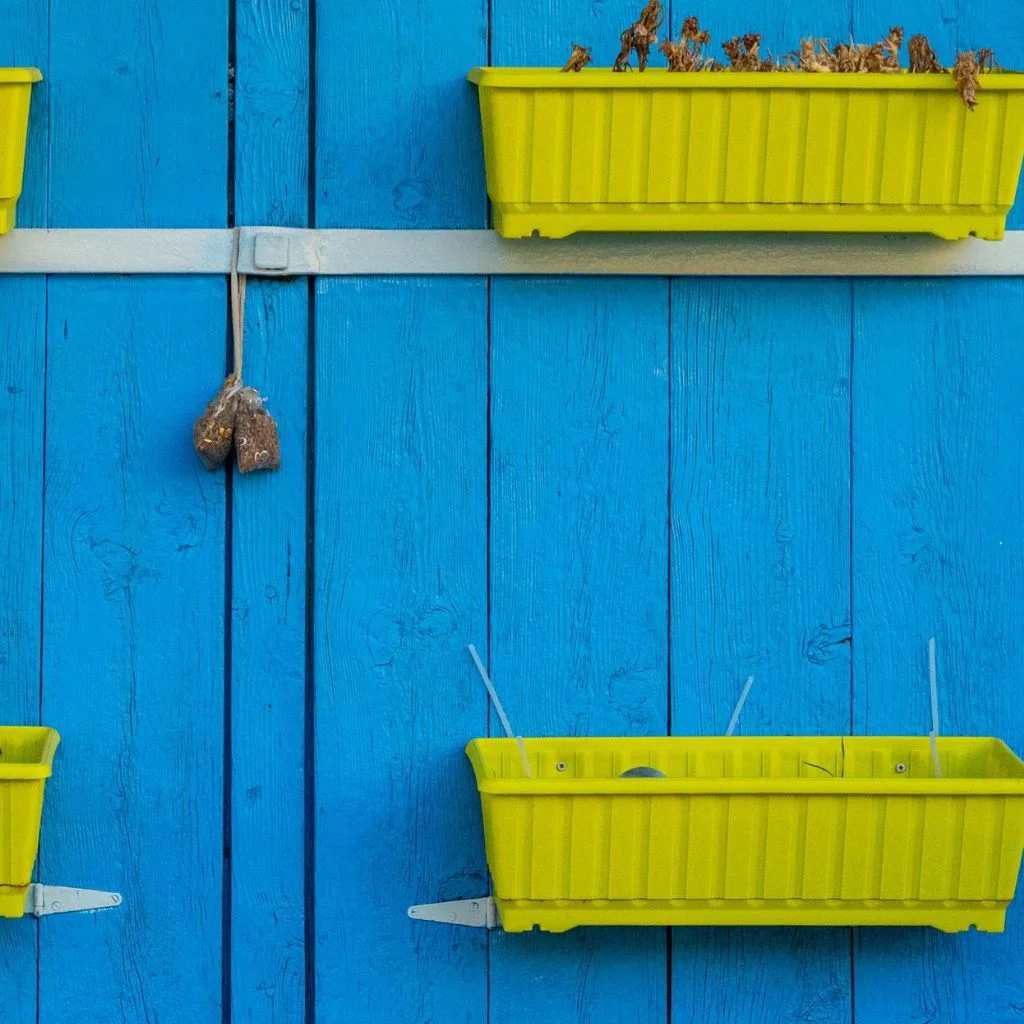
Vertical spills solve the problem of a cottage garden too small for a proper cascading bed on the ground. Instead of tipping a pot flat, fix a small container against a wall or fence and let trailing flowers pour downward rather than outward.
Ivy, sweet potato vine and trailing lobelia all work well here, clinging close to the surface as they grow rather than swinging loose the way a hanging basket does. This keeps the display neat even in a narrow side passage or a small courtyard.
Group two or three at slightly different heights along the same wall for a fuller effect. A vertical spill brings the same storybook charm as a ground level display, just reshaped to fit a garden with barely any spare floor space.
Letting Your Garden Spill Its Own Story
None of these ideas need much beyond a spare pot, a few trailing plants and a willingness to arrange things a little less neatly than usual. Start with one spilled pot in a spot you pass often, see how it settles into the rest of the garden, and add more once you have a feel for which flowers hold the illusion best in your own light and soil. Cottage gardens were never meant to look perfectly composed and a spilled flower pot fits that spirit better than almost anything else you could plant.
Ready to bring more whimsical touches into your outdoor space? Browse our cottage garden design guides for more easy, budget friendly ideas.
Editor Choice: Turn Boring Concrete Slab Into Stunning Outdoor Patio.