Your closet doors work harder than you think. They set the tone for the entire room, affect how much light reaches every corner, and either open the space up or quietly close it in. Mirror closet doors are one of the most effective upgrades you can make — but the choice between frameless and framed changes everything from the final look to the installation process.
Both styles reflect light, add depth, and eliminate the need for a separate full-length mirror. The real difference lies in aesthetics, durability, cost, and how each one suits your existing décor. Here is an honest breakdown of both so, you can make the right call without second-guessing yourself.
What Frameless Mirror Closet Doors Actually Are
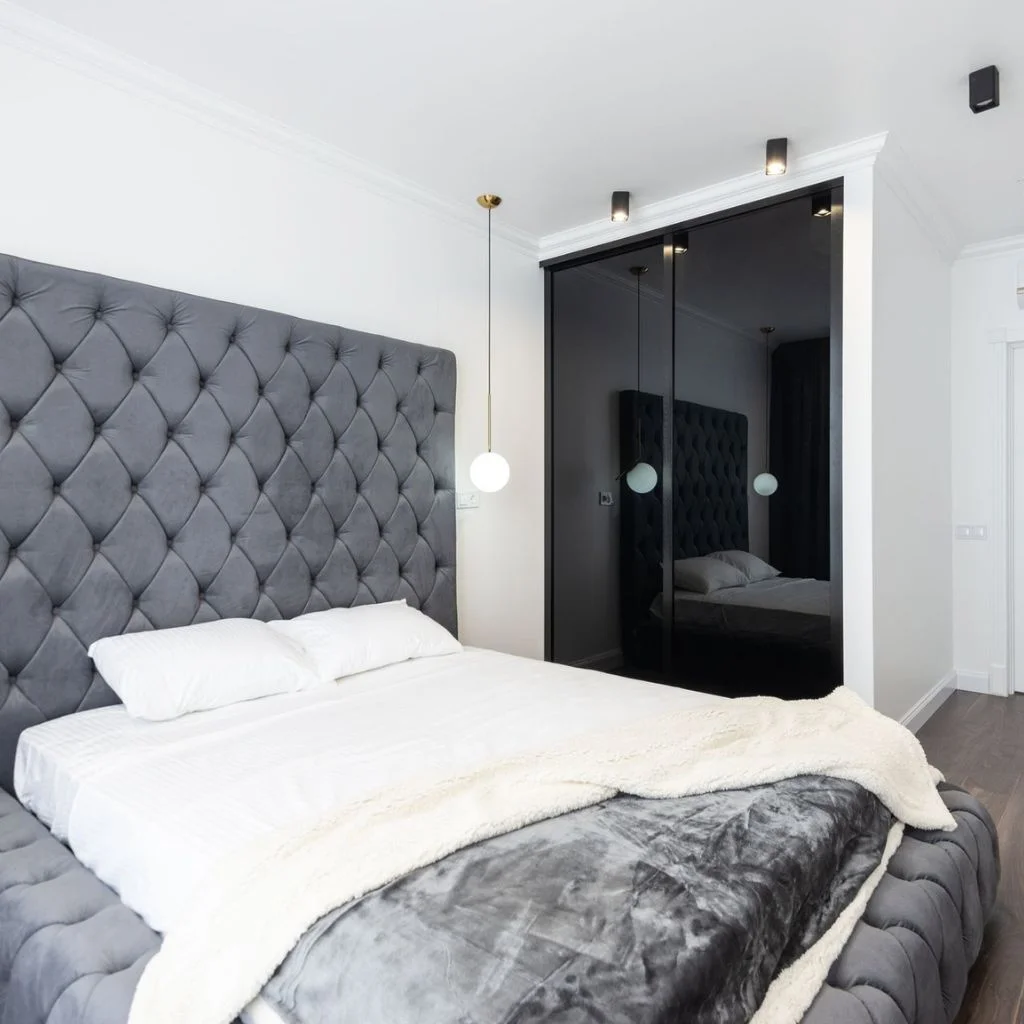
Frameless mirror closet doors are exactly what the name says — panels of mirror glass with no visible bordering frame. The glass edges are polished, bevelled, or finished with a slim metal clip, and the result is a continuous, uninterrupted mirror surface that almost disappears into the wall.
These doors tend to run floor to ceiling, making them especially effective in smaller rooms where you want to borrow every inch of visual space. The absence of a frame means no lines breaking up the reflection, which is what gives frameless designs that clean, hotel-suite quality.
Most frameless mirror closet doors slide on a top-hung track system or a recessed floor channel, keeping hardware minimal and largely invisible. They are a popular choice in contemporary builds and renovations where the design language is all about clean geometry and uncluttered surfaces.
What Framed Mirror Closet Doors Actually Are
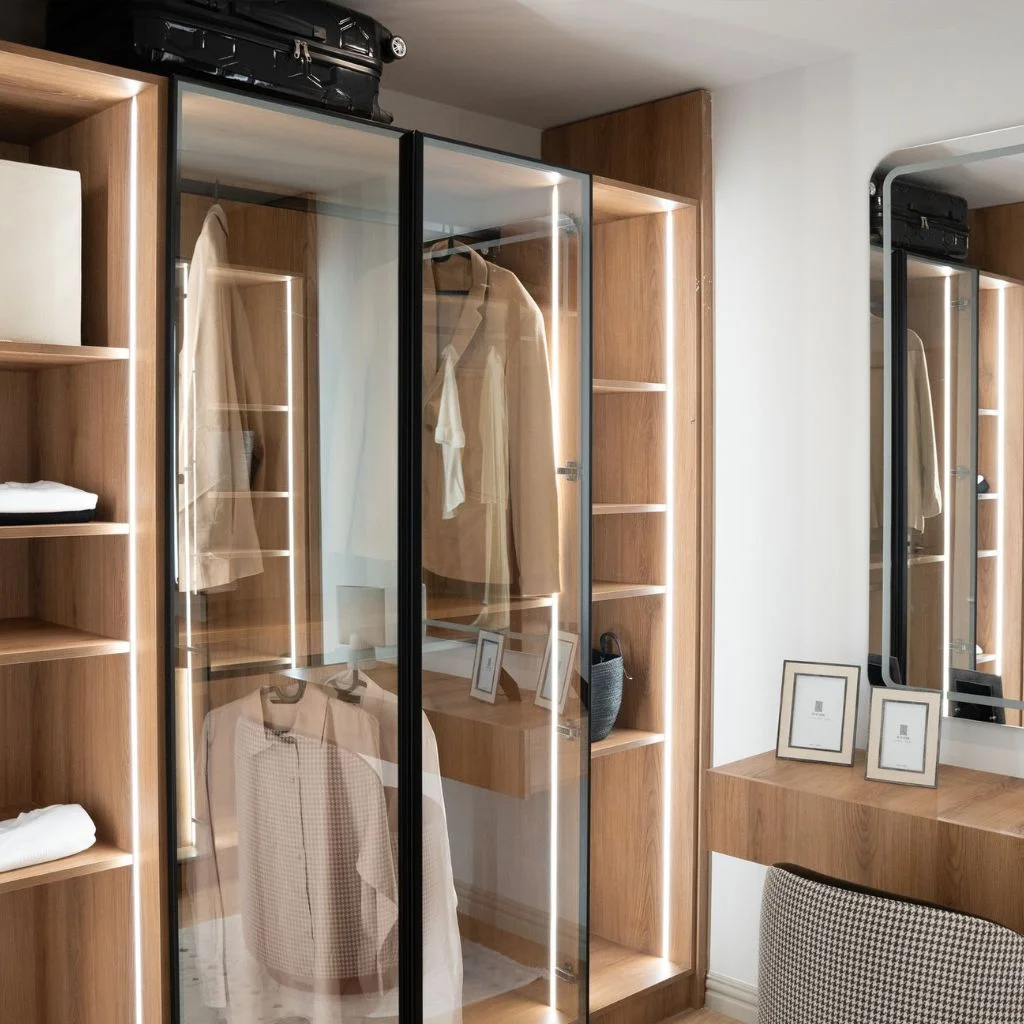
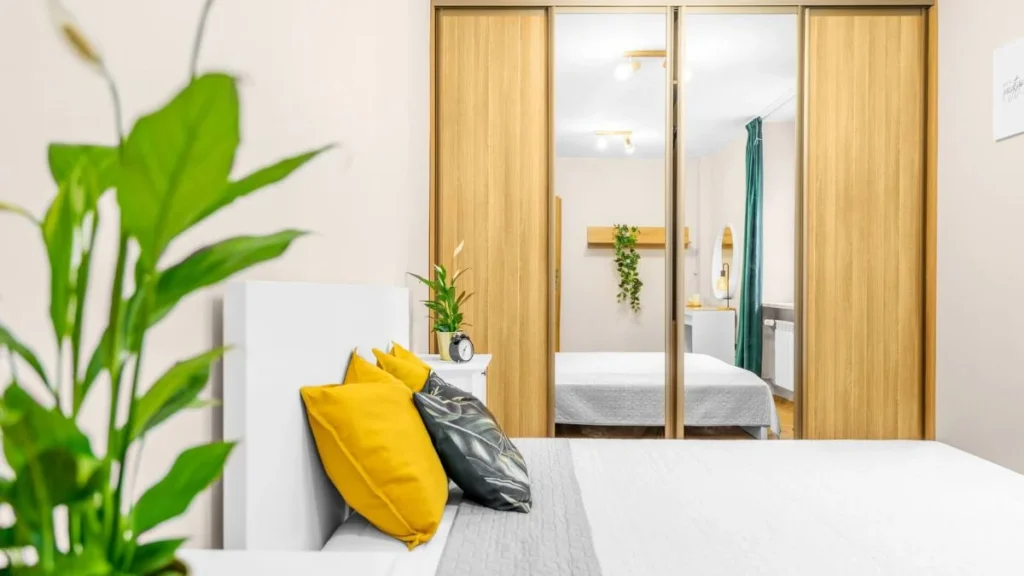
Framed mirror closet doors feature a structured border around each glass panel. Frame materials vary widely — aluminium is the most common, offering a modern finish in silver, black, bronze, or gold. Wood frames bring warmth and texture, fitting well in rustic, transitional, or Shaker-style rooms. Vinyl is a budget-friendly alternative, typically used for standard bifold configurations.
The frame provides structural reinforcement, which means the glass panels can be slightly thinner without compromising safety. It also makes installation more forgiving — the frame itself absorbs minor measurement imperfections that would be visible with frameless glass.
Framed designs are available in sliding, bifold, and bypass configurations. The frame finish becomes a deliberate design element rather than an afterthought, allowing you to tie the door into other metal accents in the room — door handles, light fixtures, or curtain rods.
Side-by-Side Comparison
Here is how the two options stack up across the factors that matter most when choosing mirror closet doors for your home.
Aesthetics
Frameless: Seamless, ultra-modern, visually expansive. Best for minimal and contemporary rooms.
Framed: Defined, structured, versatile. Works across traditional, transitional, and modern-classic interiors.
Glass Thickness
Frameless: Requires thicker, tempered glass (typically 6–8mm) for structural integrity.
Framed: Can use thinner glass (4–5mm) since the frame carries the load.
Installation Complexity
Frameless: More precise. Measurements must be exact. Recommended for professional installation.
Framed: More forgiving. Pre-assembled kits available. Suitable for confident DIY installation.
Cost
Frameless: Higher — thicker glass, specialised hardware, and professional fitting add up.
Framed: Lower to mid-range. Standard sizes are widely available and competitively priced.
Maintenance
Frameless: Glass-only cleaning. No frame grooves to accumulate dust.
Framed: Frame edges and track areas require periodic wiping. Minor dust build-up is more noticeable.
Pros and Cons of Frameless Mirror Closet Doors
Pros
- Uninterrupted reflection: No frame breaks up the mirror surface, creating a more expansive, seamless look.
- Visually lightweight: The absence of structure makes the room feel airier and less cluttered.
- Timeless in modern interiors: Frameless designs do not go out of style the way specific frame finishes can.
- Easy glass cleaning: No frame ridges mean streak-free cleaning takes half the time.
- Premium finish: Polished or bevelled edges add a high-end detail that elevates the room.
Cons
- Higher cost: Thicker glass and precision hardware push the price up considerably.
- Professional installation needed: Not ideal for DIY unless you have experience with glass fitting.
- Chipping risk on edges: Without a protective frame, exposed glass edges can chip if knocked hard.
- Limited in traditional settings: The minimalist look can feel cold or stark in rooms with heavy wood tones and ornate details.
Pros and Cons of Framed Mirror Closet Doors
Pros
- Versatile frame options: Silver, black, bronze, gold, or wood — frames can be matched to room hardware with precision.
- More accessible price point: Standard sizes in aluminium frames are among the most affordable mirror closet doors available.
- DIY-friendly: Pre-assembled bifold kits with framed glass are manageable for a competent home installer.
- Edge protection: The frame shields the glass perimeter from chips, cracks, and impact damage.
- Works in more room styles: From farmhouse to transitional to modern-classic, framed mirrors adapt easily.
Cons
- Frame lines break the reflection: More noticeable in rooms where a continuous mirror effect was the goal.
- Frame finishes date faster: Brass from the 1980s is the cautionary tale — trendy frame colours can look dated within a decade.
- Dust in frame grooves: Corners and edges require more thorough cleaning to stay looking sharp.
- Can feel heavier visually: In small rooms, prominent framing adds visual weight that can reduce the space-expanding effect of the mirror.
Which Room Style Suits Each
Choosing between frameless and framed mirror closet doors often comes down to what your room is already doing. Here is a practical guide by interior style.
Go Frameless If Your Room Is:
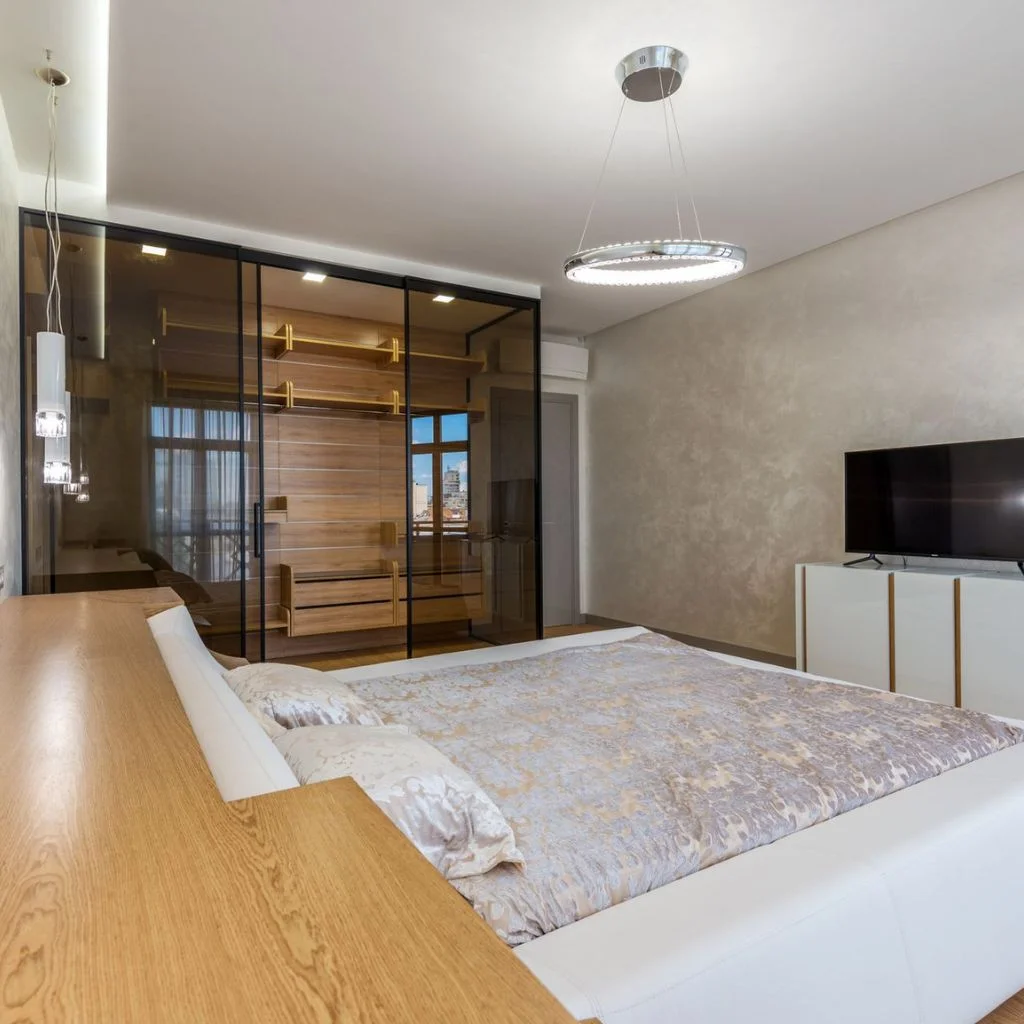
- Contemporary or ultra-modern with clean lines and neutral palettes
- A small bedroom that needs every visual trick to feel larger
- Already using minimalist hardware throughout — matte black, brushed nickel, or no-handle cabinetry
- A master bedroom or en-suite dressing area where a luxury finish matters
Go Framed If Your Room Is:
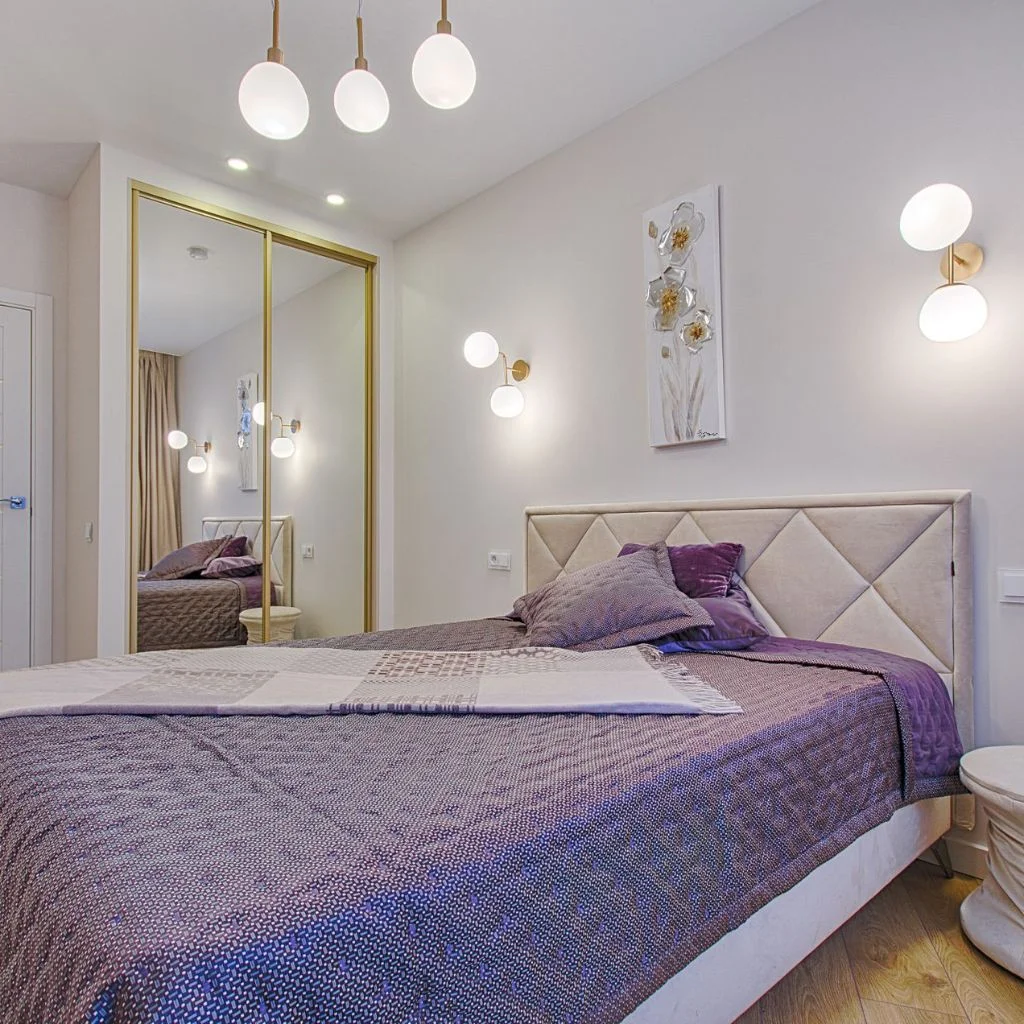
- Traditional, Shaker, or farmhouse-inspired with wood tones and texture
- A rental property or guest room where budget and practicality matter more
- A transitional space mixing classic and modern elements — a gold or black frame bridges both
- A child’s room where door durability and edge protection are priorities
Cost Differences Worth Knowing
Budget plays a large role in any home upgrade decision, and mirror closet doors are no exception. Understanding the full cost picture — not just the door price — helps avoid surprises.
Framed mirror closet doors in standard sizes typically range from mid-budget to moderately priced depending on the frame material. Aluminium-framed sliding panels are the most accessible. Bifold versions in vinyl framing sit at the lower end of the market. Wood-framed options cost more but add warmth and character that aluminium cannot replicate.
Frameless mirror closet doors are a step up in price across the board. The thicker tempered glass, precision-cut edges, and specialised top-hung track hardware all contribute to a higher total. Custom sizing — common with frameless installs because exact measurements are critical — adds further to the cost.
Installation costs also differ. Framed doors in standard widths can often be fitted without a specialist. Frameless glass requires careful handling, precise alignment, and sometimes wall reinforcement for the track system. Factor in professional fitting if going frameless, especially for floor-to-ceiling panels.
Installation — DIY or Professional
Both door types require accuracy, but the margin for error differs significantly.
Frameless Installation
Frameless mirror closet doors are typically installed on a top-hung track bolted to a structural header or reinforced ceiling joist. The glass panels hang from rollers hidden at the top and either float above the floor or sit in a recessed bottom channel. Alignment must be exact — even a millimetre of lean is visible across a full-panel mirror.
Weight is also a factor. A single full-height frameless panel in 8mm tempered glass can weigh 30–40kg. Safe handling and secure fixing are non-negotiable. Professional installation is strongly recommended for most homeowners.
Framed Installation
Standard framed sliding or bifold mirror closet doors come in pre-assembled kits with top track, bottom guide, and adjustment wheels included. Most standard-width openings can be fitted by a confident DIY installer with basic tools and a careful approach to levelling.
Framed bifold systems are forgiving. The frame itself absorbs minor measurement differences, and adjustment wheels on each panel allow for fine-tuning after fitting. For a first-time door installation, framed is the more practical starting point.
Maintenance and Longevity

Well-maintained mirror closet doors of either style can last decades. The difference lies in what maintenance looks like day to day.
Frameless Maintenance
Glass-only cleaning is straightforward. Use an ammonia-free glass cleaner and a microfibre cloth to avoid streaks. Because there are no frame grooves, cleaning is quicker and there are fewer places for dust to settle. The polished or bevelled edges should be inspected periodically for chips, particularly if the door sees heavy daily use.
Framed Maintenance
Frame surfaces require wiping with a damp cloth monthly. Pay attention to the corners and the junction between the frame and glass, as dust accumulates there. Tracks — top and bottom — should be vacuumed or brushed every few weeks to prevent the rollers from jamming. For aluminium frames, a light application of silicone spray on the track keeps sliding smooth year-round.
Longevity
Tempered safety glass used in quality mirror closet doors of both types is highly durable. The weak points in framed doors tend to be the frame material itself — lower-grade vinyl frames can warp or discolour over years, while quality aluminium and solid wood frames age gracefully. Frameless glass edges are the primary vulnerability: a sharp impact can chip polished edges that a frame would otherwise protect.
Making the Final Decision
If you have read this far, you likely already have a leaning. Here is how to confirm it.
Choose frameless mirror closet doors if you are renovating a contemporary or minimalist bedroom, want maximum visual impact, and are comfortable investing in professional installation. The clean, hotel-suite finish pays dividends in how the room feels every day.
Choose framed mirror closet doors if you want versatility, a more accessible price point, or a finish that complements an existing colour palette through frame material or colour. They are also the smarter choice for rental properties, children’s rooms, or any space where practical durability outranks aesthetic minimalism.
The finish that ties your room together is rarely the most expensive option — it is the one that suits the bones of the space. Both frameless and framed mirror closet doors are worthy upgrades. The right one is simply the one that fits your room, your budget, and the way you live.
Our Choice: Ikea Pax Hacks Turning a Basic Wardrobe Into a Built-In Dream.
Frequently Asked Questions
Are frameless mirror closet doors more expensive than framed?
Yes, in most cases. Frameless doors require thicker tempered glass, precision-cut edges, and specialised track hardware. When professional installation is factored in, the total cost is noticeably higher than a standard framed system.
Can I install mirror closet doors myself?
Framed bifold or sliding mirror closet doors in standard sizes are DIY-friendly, particularly with pre-assembled kits. Frameless glass panels are heavier, require more precision, and are generally better left to a professional installer.
Do frameless mirror closet doors look better in small rooms?
Many designers favour frameless panels in compact bedrooms because the unbroken mirror surface maximises the illusion of space. There are no frame lines to interrupt the reflection or add visual weight to the walls.
What frame material lasts the longest?
Aluminium frames resist rust, warping, and discolouration far better than vinyl. Solid wood frames are durable when properly sealed but require more maintenance. Quality aluminium in a satin or matte finish is widely regarded as the most practical long-term choice.
Are mirror closet doors still in style?
Yes. After a period of being considered dated, mirror closet doors have made a strong comeback in contemporary interior design. Frameless panels and slim aluminium-framed styles, in particular, are increasingly popular in modern bedroom renovations.
What is the safest glass for mirror closet doors?
Tempered safety glass is the industry standard for mirror closet doors. If broken, it shatters into small, blunt fragments rather than sharp shards, significantly reducing injury risk. Always confirm tempered glass is used, regardless of whether you choose frameless or framed.