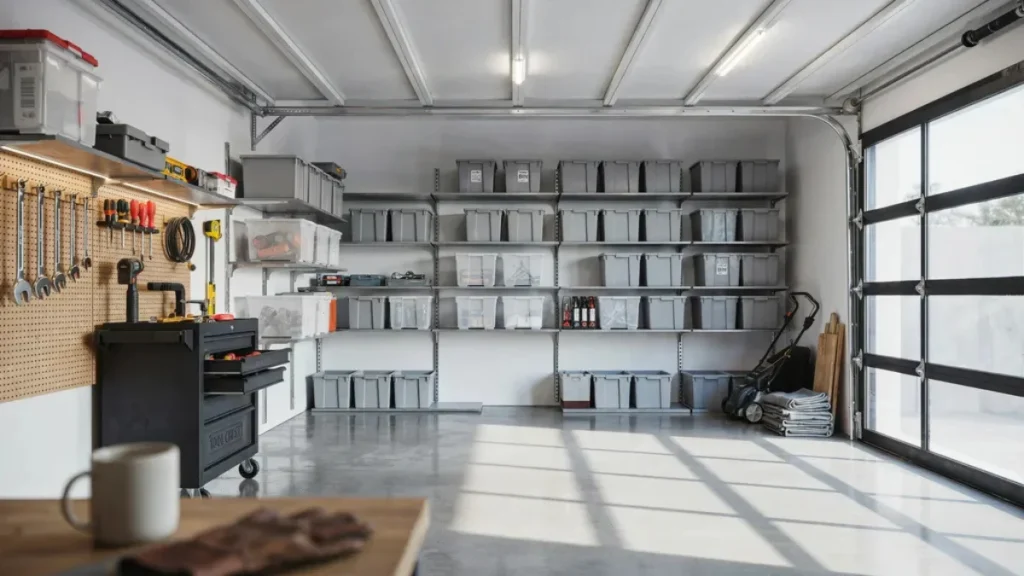
Most homeowners spend thousands finishing garage walls and floors — but the ceiling stays bare joists for years. That’s changing fast.
Garage ceiling design has quietly become one of the hottest renovation categories, driven by a wave of homeowners transforming garages into workshops, gyms, game rooms, and showroom-quality car spaces. The ceiling — long ignored — is now the finishing touch that separates a raw garage from a room that feels intentional. If you’re planning a garage upgrade, here’s exactly what’s trending and why each option is worth considering.
Drywall Ceilings: The Classic Still Leads
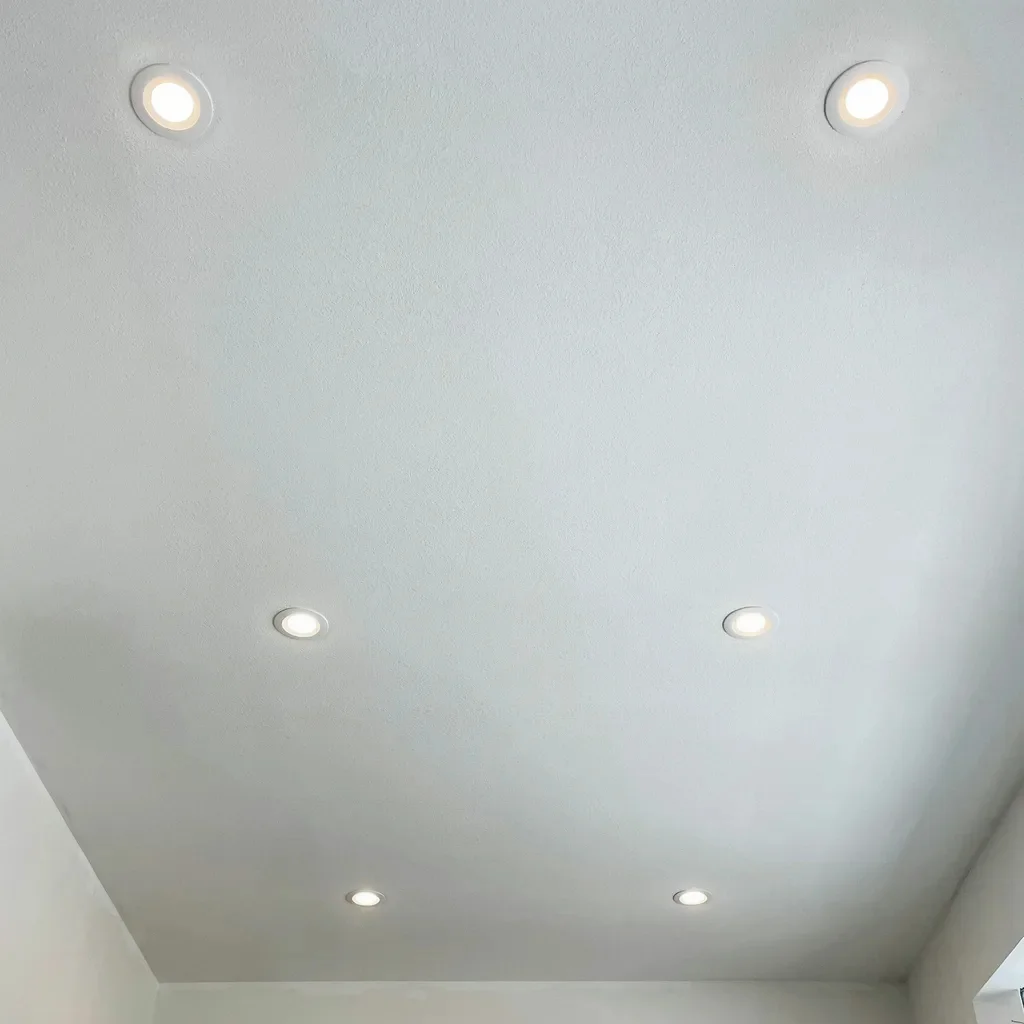
Drywall remains the most popular garage ceiling design choice — and for good reason. It delivers a smooth, seamless finish that mirrors interior living spaces, making the garage feel like a proper room rather than a utility box. When taped, mudded, and painted, drywall creates a surface that’s easy to repaint, repair, and customize over time.
Fire safety is a major factor here. If your garage sits below a bedroom or living area, building codes in most regions require 5/8-inch Type X drywall for fire separation. This isn’t just a code checkbox — it genuinely slows the spread of fire by releasing moisture when exposed to heat.
The downside is installation effort. Drywall panels are heavy, and overhead work on a ceiling is demanding — especially when it comes to taping, mudding, and sanding. Many homeowners hire out this part even when they DIY everything else. That said, the finished result is hard to beat for a polished, clean look.
PVC and Polymer Panels: The Low-Maintenance Favorite
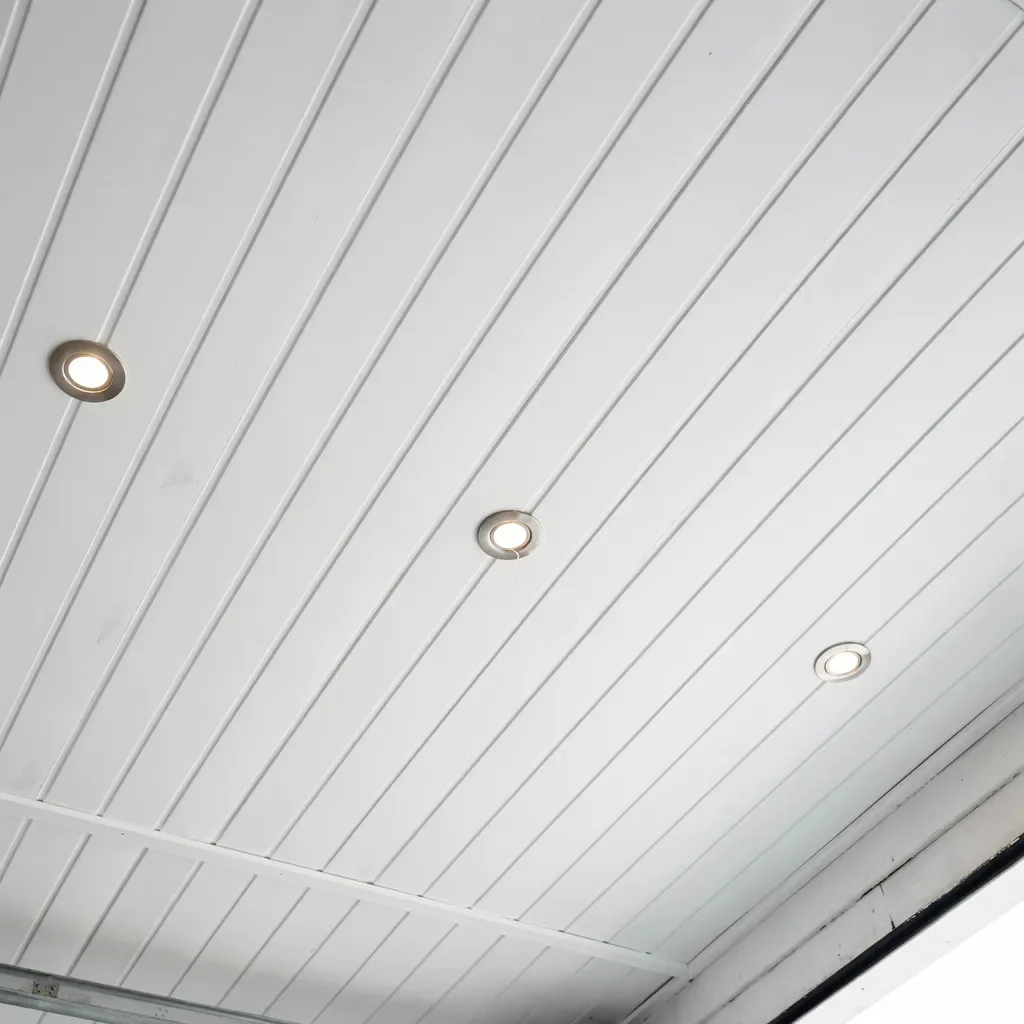
PVC and polymer ceiling panels have exploded in popularity over the past few years, and their momentum is only building. Unlike drywall, these panels are 100% moisture resistant — critical in garages where temperature swings cause condensation and humidity spikes regularly.
The light reflectivity of white PVC panels is a standout feature. High-quality options reflect up to 90% of light, meaning fewer fixtures can illuminate a larger space. For a garage that doubles as a workspace, that brightness matters enormously — it reduces eye strain and makes the room feel far bigger than it is.
Installation is faster than drywall. Most panels use a tongue-and-groove system that clicks into place over furring strips or directly onto ceiling joists — no mudding, no sanding, no waiting for compound to dry. They’re also lightweight enough that one person can manage the install without a lift.
Exposed and Painted Ceilings: Industrial Chic Goes Mainstream
Skipping the finish entirely is now a deliberate design choice — not just a budget shortcut. Exposed ceiling designs, where joists, pipes, and ductwork are left visible and painted a single uniform color, have moved from commercial lofts into residential garages in a big way.
Black is the dominant color for this look. Painting every surface — joists, pipes, electrical conduit, insulation batt faces — in flat or satin black creates a visually cohesive overhead plane. It tricks the eye into ignoring the complexity of the mechanical systems while giving the space a sleek, purposeful feel. White and dark gray are popular alternatives for those who want brightness without stark contrast.
This approach works especially well in garages designed as gyms, workshops, or entertainment spaces — anywhere a raw, industrial aesthetic is intentional rather than unfinished.
Rustic Wood and Faux Beam Ceilings
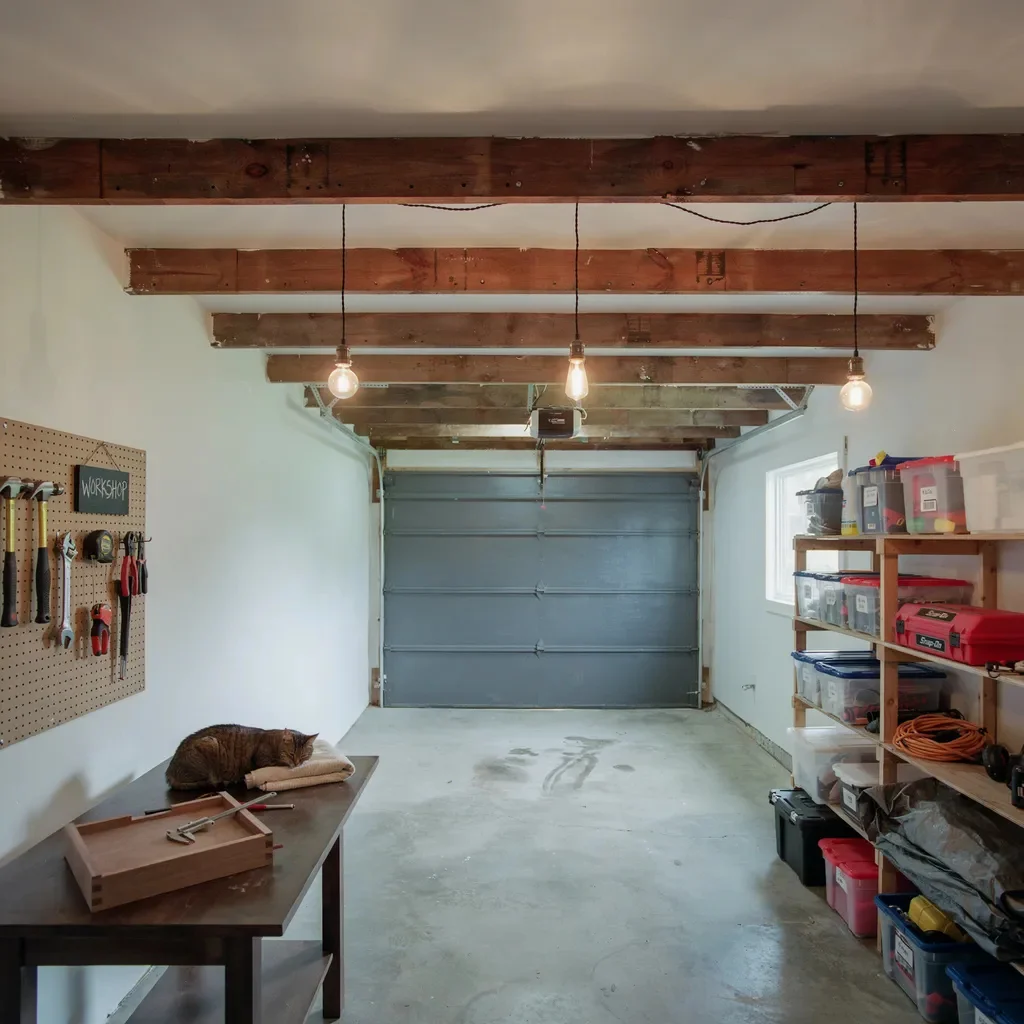
Wood beam ceilings have long been a hallmark of high-end home design, and they’re now making their way into garages — particularly in homes where the garage flows visually into a mudroom, workshop, or converted living space.
Reclaimed wood beams add warmth and character while tying into the growing biophilic design trend — the idea that natural materials inside a home reduce stress and increase comfort. For the garage, this translates to a space that doesn’t feel utilitarian, even when it’s full of tools and equipment.
Faux beam options — typically lightweight polyurethane shells that mount over a simple wood block — offer the same visual effect at a fraction of the cost and weight. They’re moisture-resistant and paintable, making them a practical choice for garages that aren’t fully climate-controlled. Pairing beams with metal brackets gives the look a modern farmhouse edge that’s very much in step with current design trends.
Overhead Storage Built Into the Ceiling Design
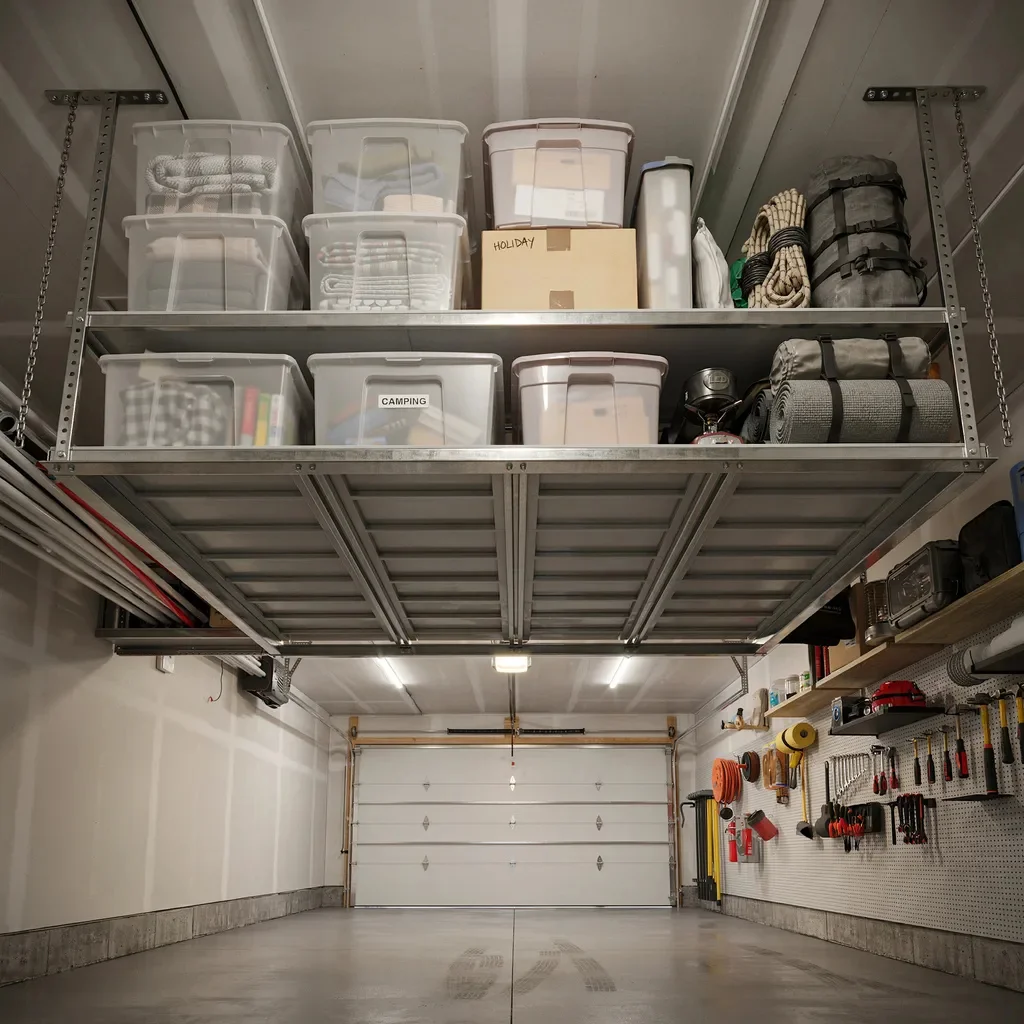
One of the smartest garage ceiling design moves right now isn’t purely aesthetic — it’s structural. Ceiling-mounted overhead storage racks have become a defining feature of the organized modern garage, and forward-thinking homeowners are working them into the ceiling plan from the start rather than bolting them on as an afterthought.
Powder-coated steel overhead racks mounted directly into ceiling joists can hold between 400 and 1,000 pounds depending on the system, making them ideal for seasonal storage — holiday decorations, camping gear, luggage, and sports equipment. Motorized ceiling lift systems go a step further, letting a single person raise and lower items like kayaks, bikes, or roof cargo boxes without any heavy lifting.
The key is planning the ceiling material around the storage system. Drywall and PVC panels both work well because the racks anchor into the framing behind them, not the ceiling surface itself. Choosing your storage configuration before installing your ceiling means you’ll avoid patching later.
Smart Lighting as a Ceiling Design Element

Lighting has always been part of the garage ceiling equation, but it’s being approached very differently now. Where single-bulb fixtures and bare-tube shop lights used to be standard, homeowners are designing entire lighting systems that become part of the ceiling’s visual identity.
Hexagon LED panel systems — modular light tiles that link together in custom configurations — have become something of a statement piece in high-end garage designs. They mount directly to the ceiling surface, require no hard-wiring in most cases, and produce even, shadow-free light ideal for workspaces. Beyond the hexagons, recessed LED strips along ceiling panel seams create a floating, modern effect while keeping light output consistent across the whole space.
Smart bulbs and app-controlled shop lights are also trending upward. Being able to dim the garage lights from your phone — or trigger them via a motion sensor — adds convenience that homeowners who spend real time in their garages genuinely appreciate.
Where Garage Ceilings Are Headed
The overarching shift in garage ceiling design is simple: homeowners are finally treating the garage ceiling with the same intention they bring to every other room. That mindset — ceiling as the fifth wall — is producing garages that look genuinely designed rather than assembled from leftover materials.
Sustainability is entering the picture too. Acoustic panels, low-embodied-carbon ceiling tiles, and insulation upgrades that significantly reduce energy loss are all gaining traction alongside the aesthetic trends. The garage is no longer a thermal weak point — it’s becoming part of a home’s overall energy envelope.
Expect garage ceiling design to keep evolving as hybrid home spaces — garages doubling as gyms, offices, studios, and entertainment rooms — become the norm rather than the exception. The ceiling is where that transformation becomes visible.
Editor Choice : Vaulted Ceiling Design Ideas Dominating Home Interiors Right Now.