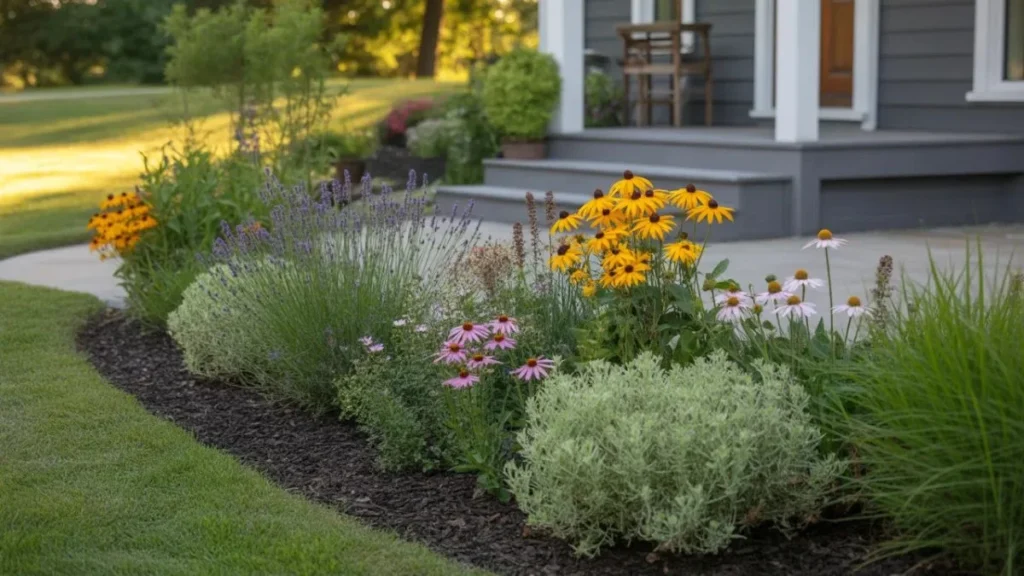
Most flower beds look gorgeous for exactly two weeks — then the weeds arrive, the blooms fade, and the whole thing becomes a weekend obligation you never signed up for. Low maintenance flower bed ideas exist precisely to break that cycle, giving you a garden that earns its beauty without demanding your constant attention.
Whether you have a sun-drenched front yard, a shady side border, or a tiny strip along your driveway, the right plant selection and bed design can turn a high-effort eyesore into something you’re genuinely proud of — and barely have to touch. These ideas are designed for real life: busy schedules, unpredictable weather, and the very human tendency to forget to water.
1. Start With the Right Foundation
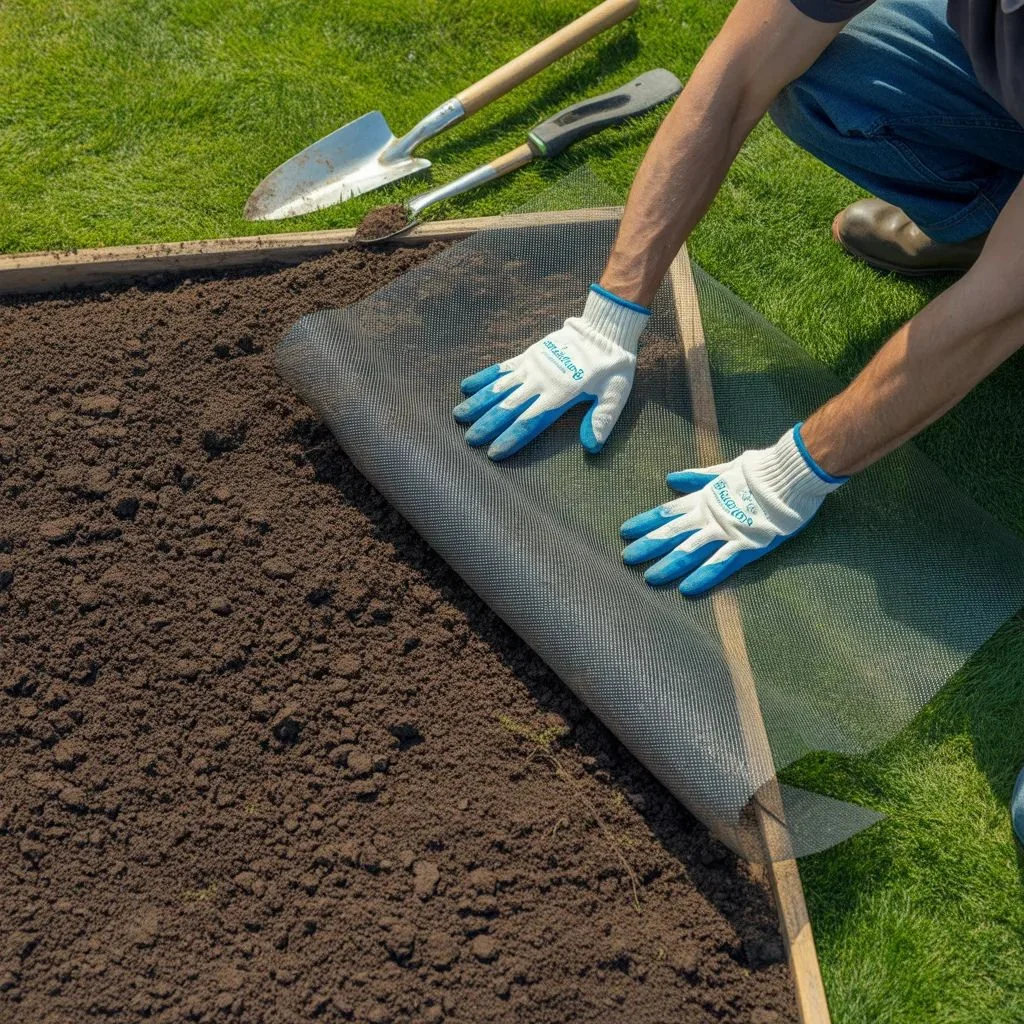
Before a single plant goes in the ground, the bed itself needs to be set up for success. Poor soil, bad drainage, and no weed barrier are the three reasons most flower beds become overwhelming within a season.
Amend your soil with compost before planting — this single step reduces how often you’ll need to fertilise and improves drainage dramatically. Lay a high-quality weed-suppressing membrane beneath your mulch layer for any beds in exposed, sunny spots. It won’t eliminate weeds entirely, but it cuts the workload by roughly 70%.
2. Go All-In on Hardy Perennials
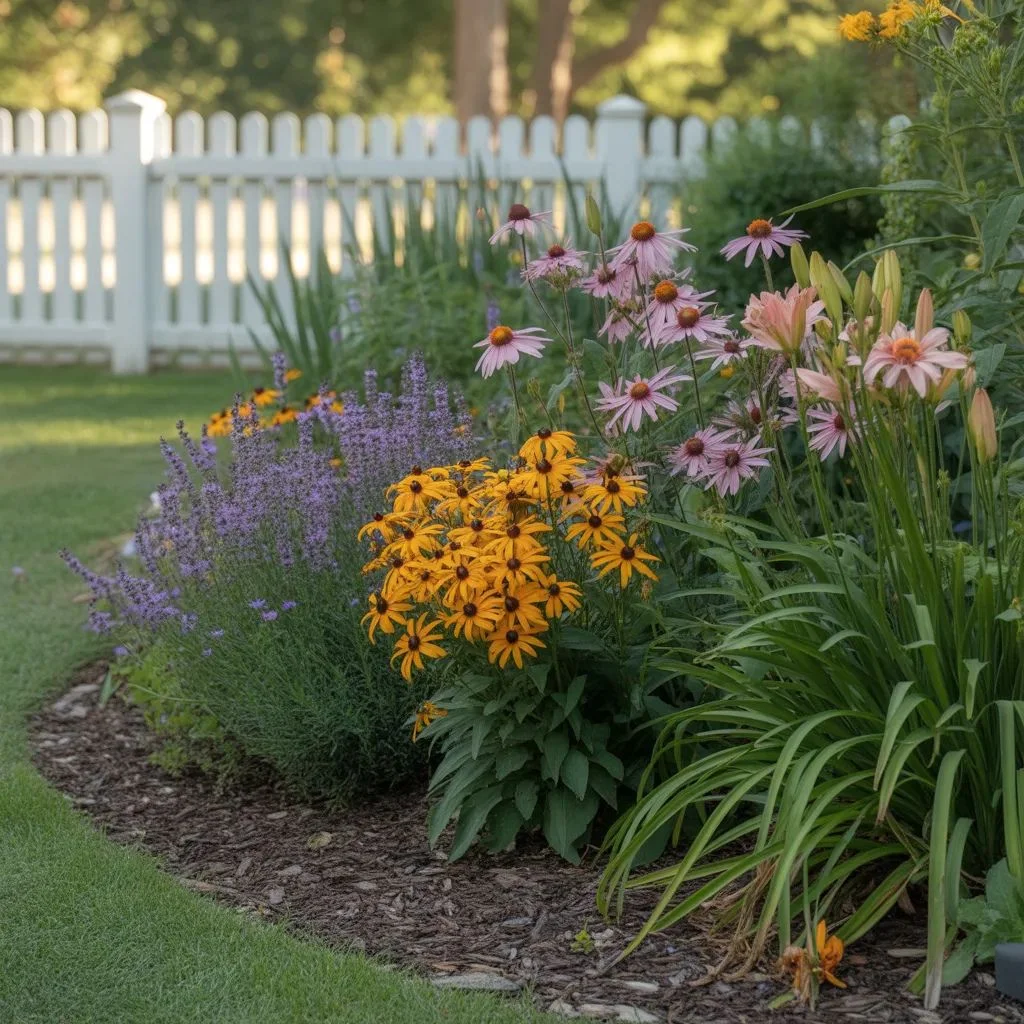
Perennials are the cornerstone of any low maintenance flower bed. Plant them once and they return year after year, spreading slowly to fill gaps and reducing the bare soil where weeds love to take hold.
Top perennial picks for a low-effort bed:
- Lavender — drought-tolerant, deer-resistant, fragrant, and pollinators adore it.
- Black-eyed Susan (Rudbeckia) — tough, long-blooming, and self-seeds reliably.
- Coneflower (Echinacea) — thrives in heat, handles neglect, and birds eat the seedheads.
- Daylily — almost indestructible, spreads naturally, blooms for weeks.
- Salvia — low water needs, hummingbird magnet, and comes in stunning purples and reds.
- Sedum ‘Autumn Joy’ — ground-level interest all season and almost zero care required.
Mix three to five of these together and you’ll have colour and texture from spring through to the first frost, with virtually no replanting costs or effort.
3. Use Ornamental Grasses as Your Anchor Plants
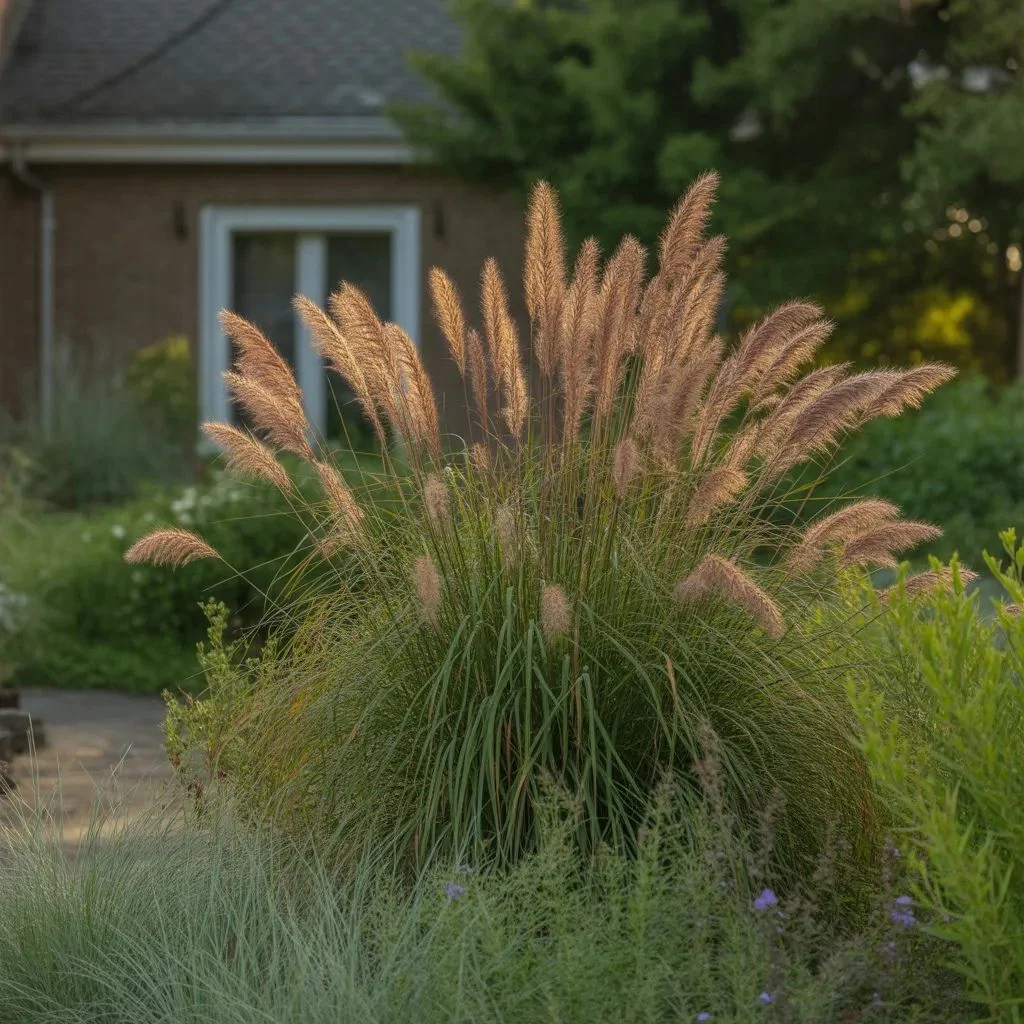
Ornamental grasses are the most underrated plants in a low maintenance garden bed. They grow quickly, need almost no watering once established, look stunning through every season — including winter — and require nothing more than an annual cut-back.
Feather reed grass (Calamagrostis), blue oat grass, and Karl Foerster are all excellent choices that stay structured and upright even through high winds and heavy rain. Place them at the back or centre of your bed as structural anchors, then build softer perennials around them for a layered, professional look.
4. Try a Pollinator-Friendly Wildflower Bed
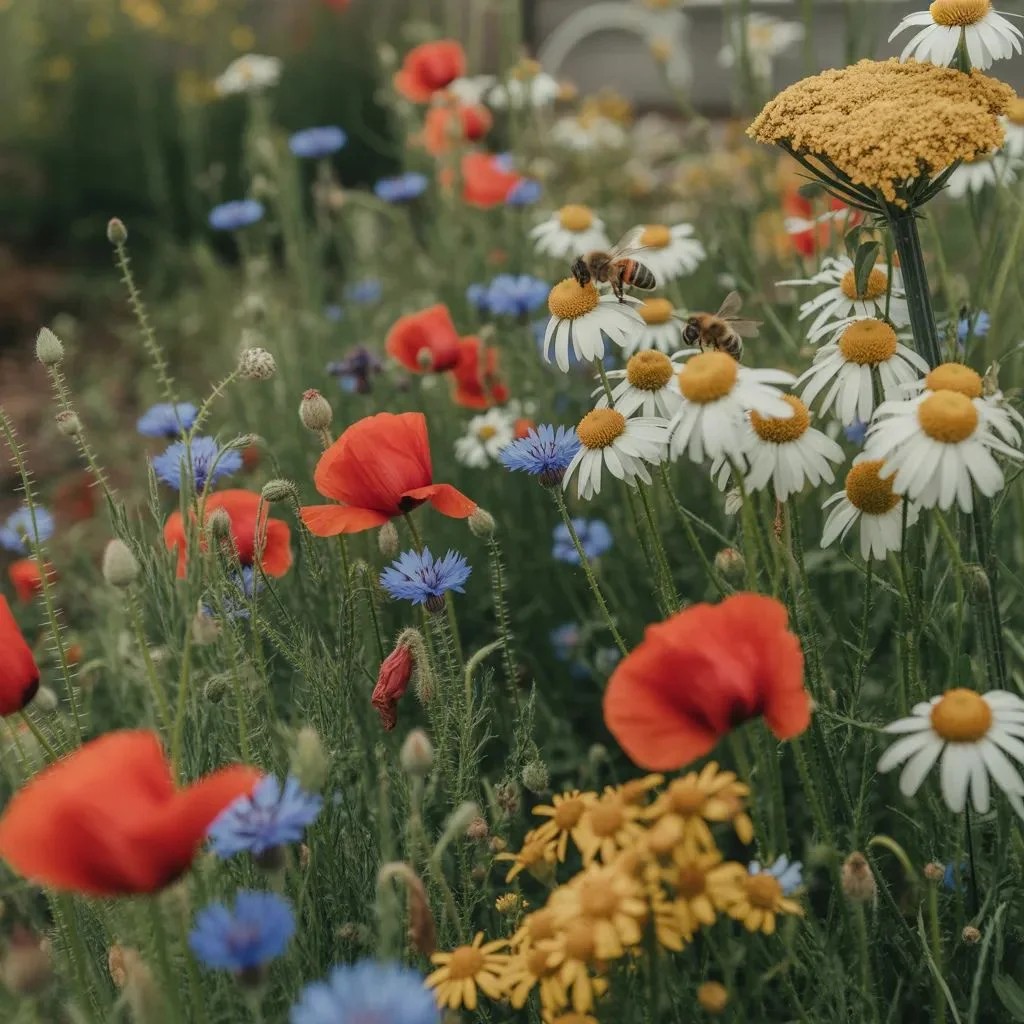
A wildflower bed sounds like it should require constant management, but the opposite is true — the whole point of wildflowers is that they’re designed by nature to thrive without intervention. Scatter a native wildflower seed mix suited to your climate zone, water it in for the first few weeks, and then largely leave it alone.
These beds self-seed, meaning they regenerate each year without replanting. They also attract bees, butterflies, and beneficial insects that naturally manage pests in your garden. Look for mixes including cornflower, poppy, ox-eye daisy, and yarrow — all of which are vigorous, cheerful, and completely unbothered by neglect.
5. Mulch Like You Mean It
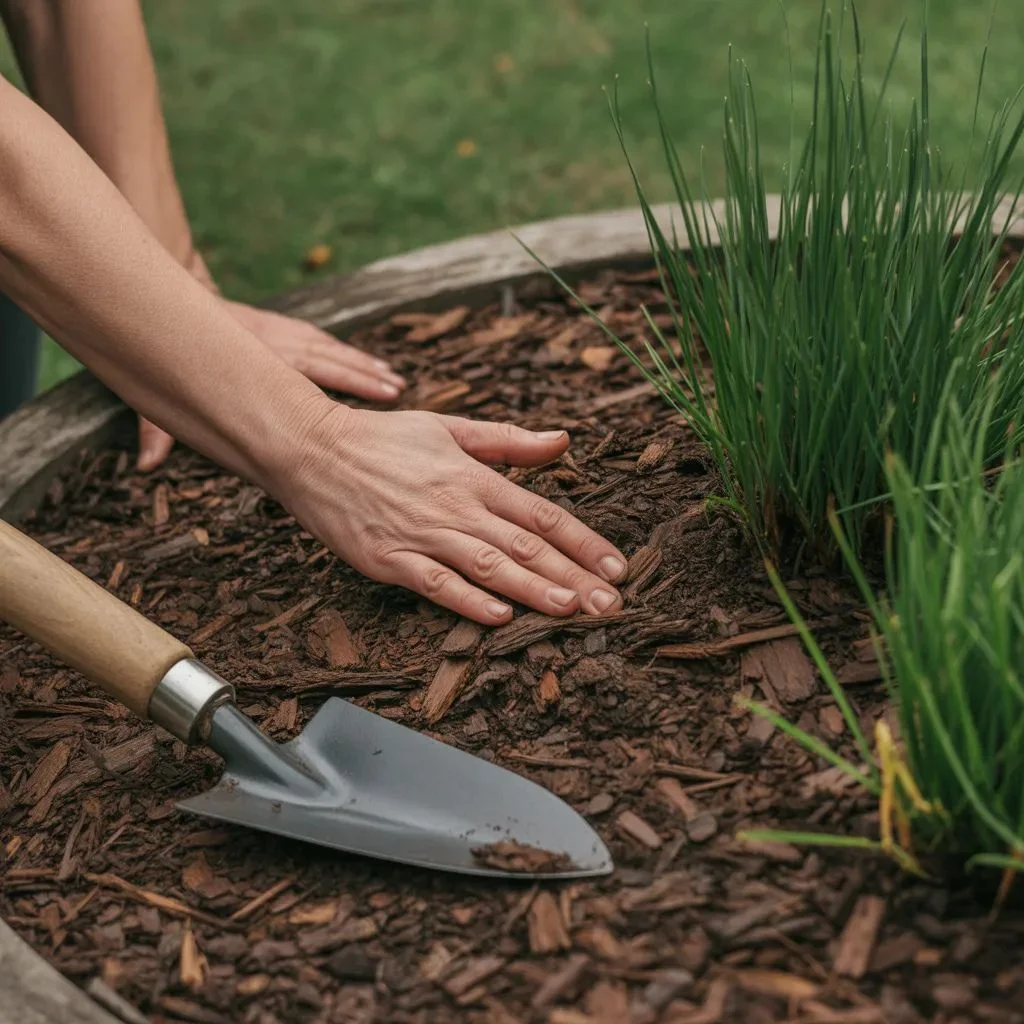
No single step reduces the maintenance load of a flower bed more dramatically than a generous layer of mulch. A 3-inch layer of bark mulch, wood chips, or shredded leaves suppresses weeds, retains soil moisture, regulates root temperature, and gives the bed a neat, finished appearance — all at once.
Refresh your mulch once a year, typically in early spring before new growth emerges. Keep it a few centimetres away from plant stems to prevent rot. In terms of effort-to-reward ratio, mulching is the single highest-impact task you can do in your garden, bar none.
6. Design a Drought-Tolerant Bed With Succulents and Sedums
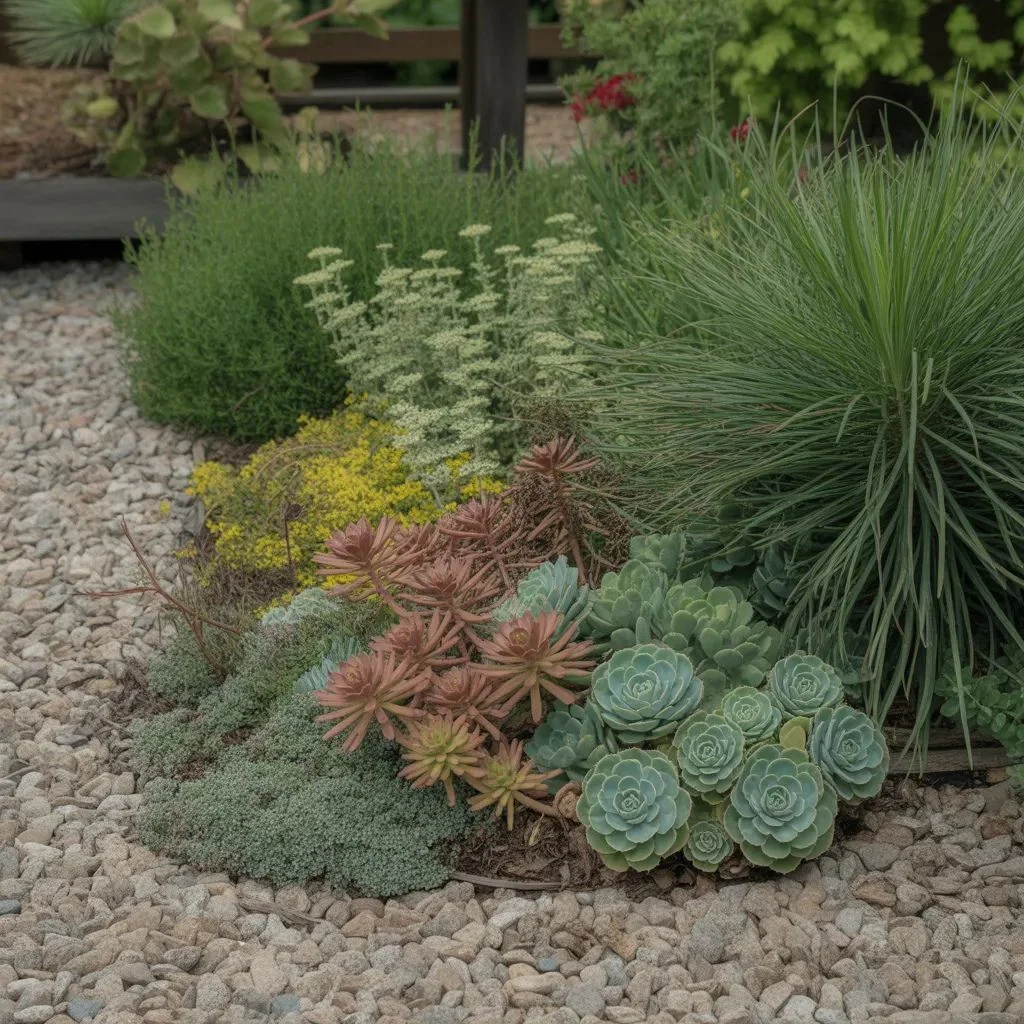
If watering is the chore you most dread, a drought-tolerant flower bed is your answer. Succulents, sedums, and other water-wise plants store moisture in their leaves and roots, meaning they can go weeks without rainfall and look entirely unfazed.
Pair Sedum spectabile with ice plant, hens-and-chicks, and trailing thyme for a tapestry-like bed that thrives in full sun with minimal irrigation. Add decorative gravel instead of bark mulch for a contemporary, Mediterranean feel that requires virtually no upkeep year-round.
7. Lean Into Native Plants for Your Region
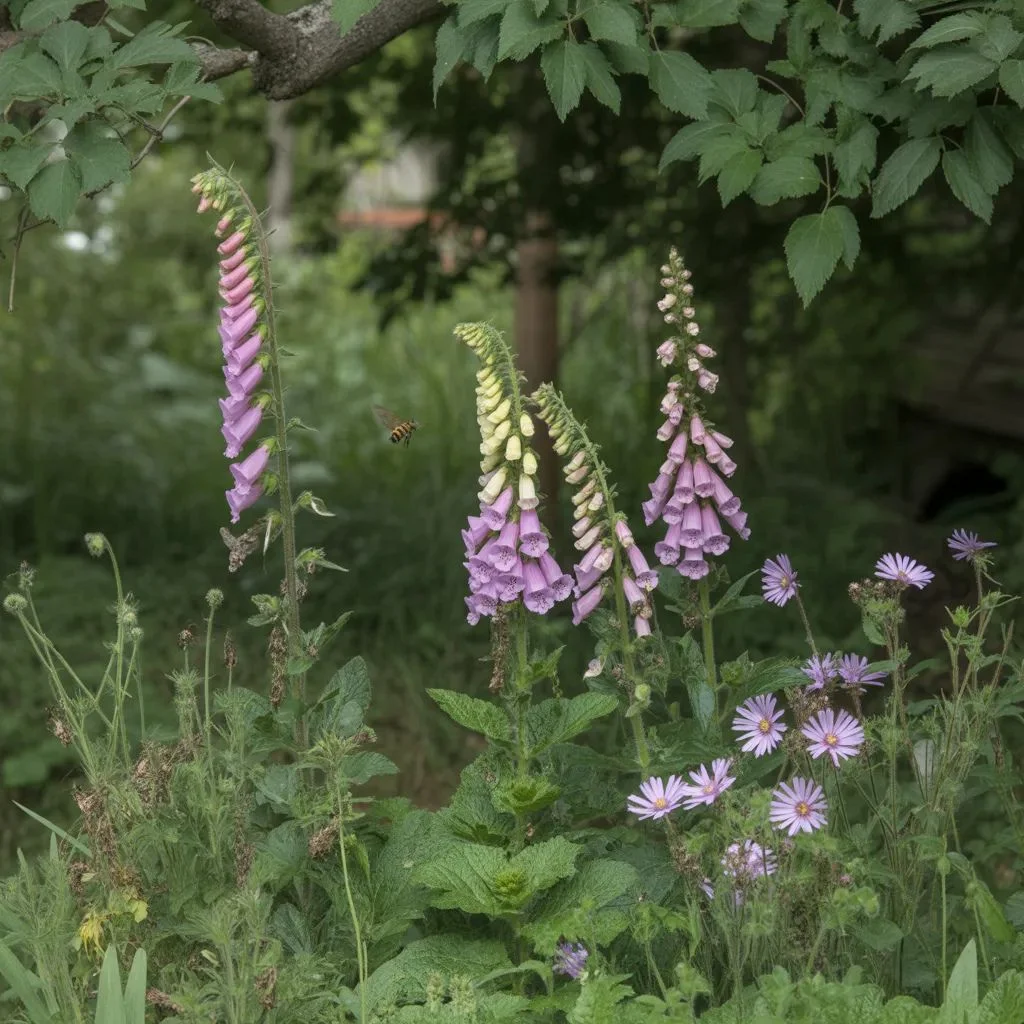
Native plants are quite literally built for your environment. They’ve spent centuries adapting to your local soil, rainfall levels, and temperature swings — which means they thrive without fertiliser, rarely need watering once established, and are naturally resistant to local pests.
Research what’s native to your specific region. In the UK, that might include foxglove, wild geranium, and betony. In North America, native options include prairie coneflower, blue wild indigo, and aster. A native-led low maintenance flower bed is also the most ecologically valuable thing you can create in your garden — a genuine win on every level.
8. Add Evergreen Structure for Year-Round Appeal
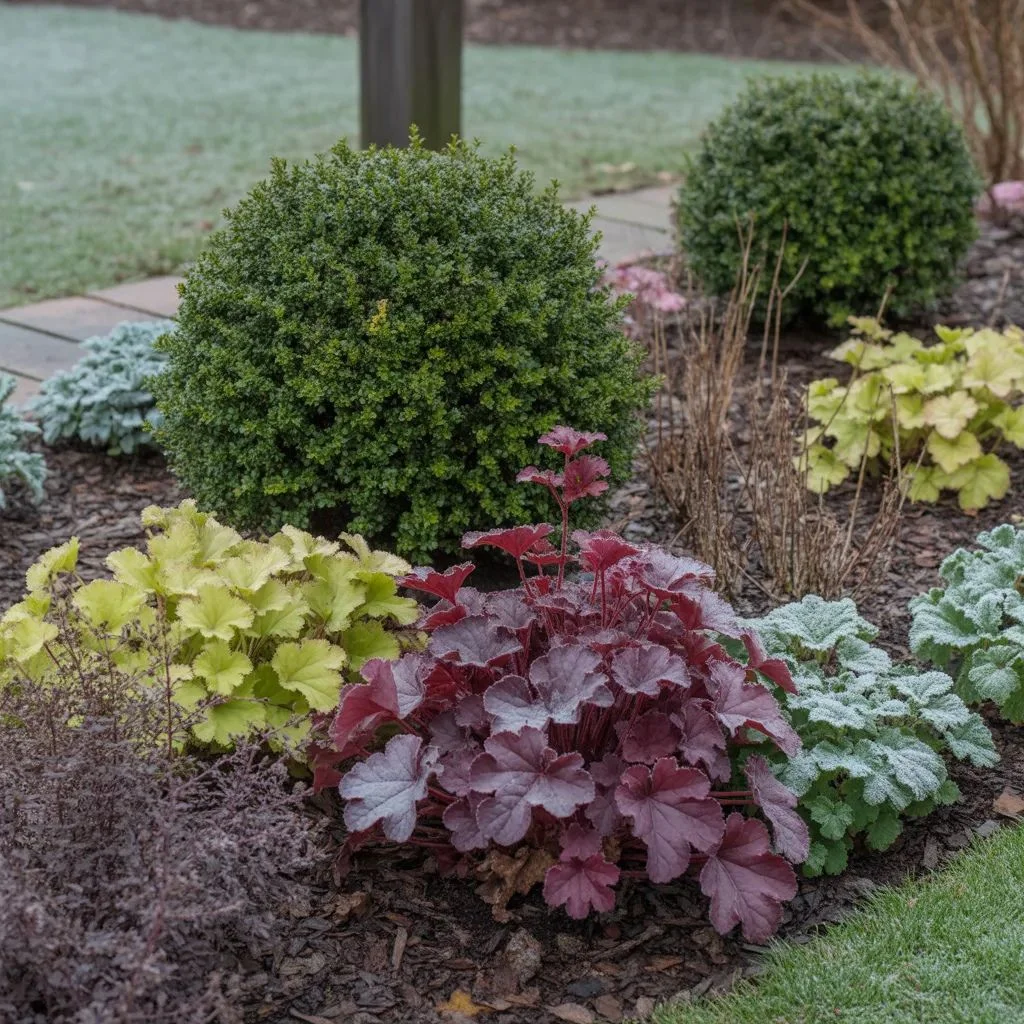
One of the most overlooked easy flower bed ideas is simply adding evergreen plants to anchor your bed through winter. When your perennials die back in autumn, an evergreen framework stops the bed from looking bare and abandoned for five months of the year.
Consider low-growing evergreen shrubs like boxwood, dwarf pittosporum, or heuchera (coral bells) — which holds its colourful foliage all year in milder climates. Position these as structural anchors within the bed and let your seasonal perennials fill in around them for three-season colour.
9. Use Edging to Slash Maintenance Time
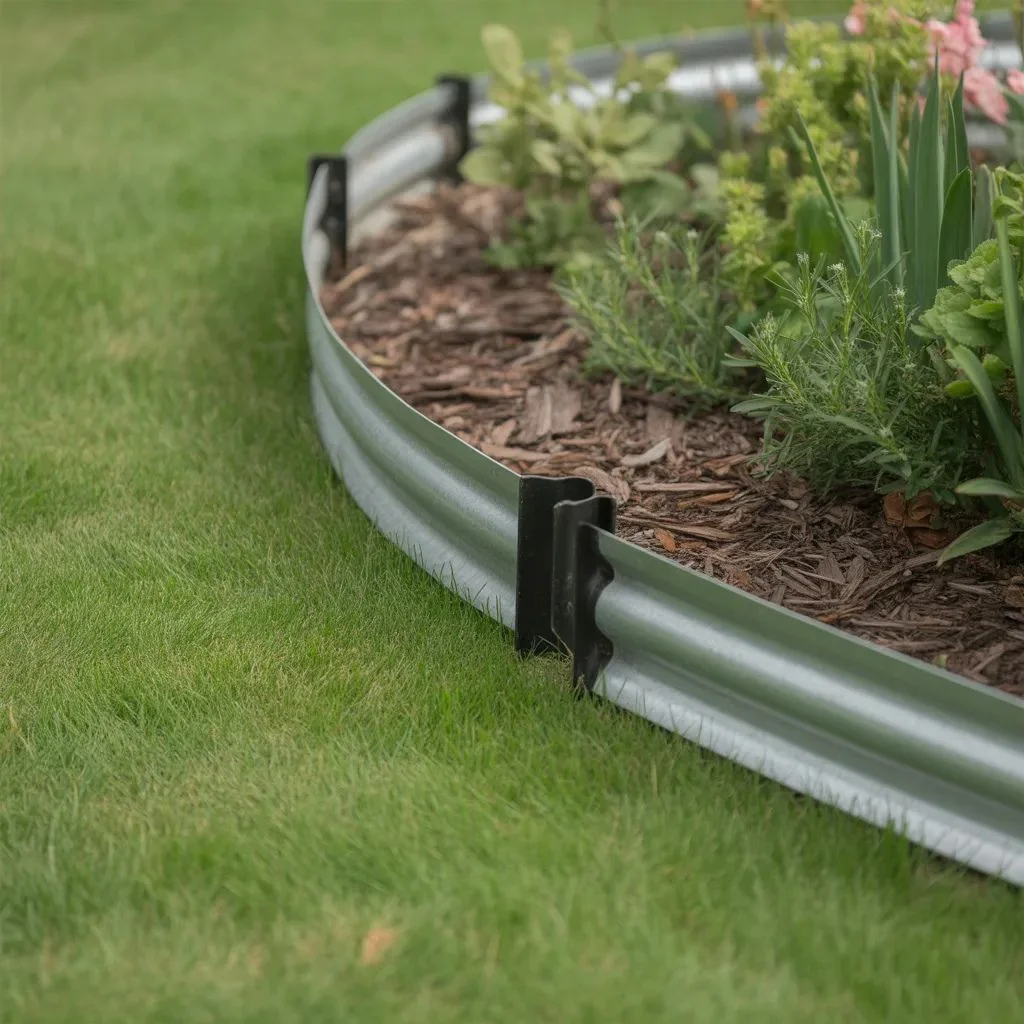
Lawn grass creeping into flower beds is one of the most tedious maintenance tasks in gardening. A solid edging solution stops this entirely — and it’s a one-time install that pays dividends every season.
Steel landscape edging creates a clean, modern boundary and lasts decades. Brick or stone edging suits a traditional garden style and requires zero ongoing maintenance. Even a simple spaded edge refreshed once a year keeps grass from crossing over. For low maintenance flower bed borders, invest once in proper edging and almost eliminate the grass-pulling chore forever.
10. Layer Your Plants Strategically
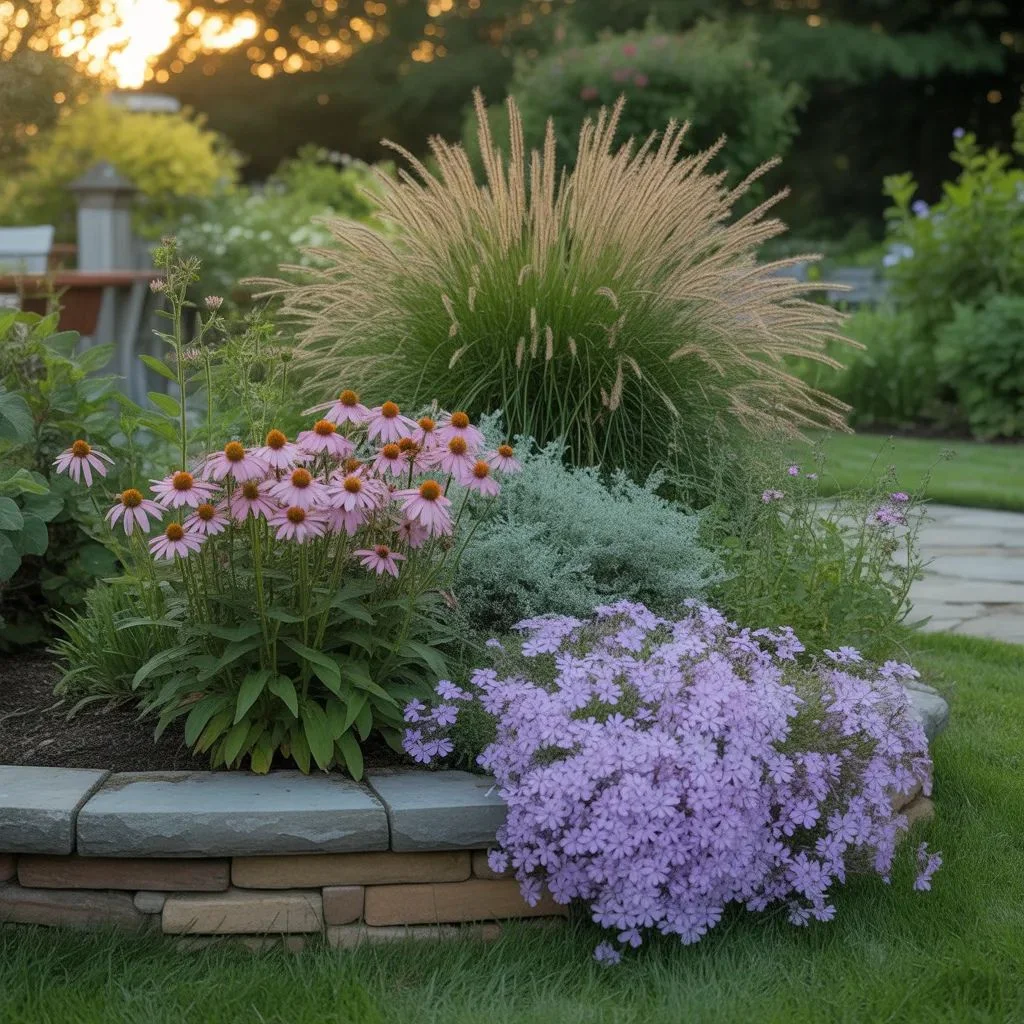
The way you arrange plants within a bed has a direct impact on how much work it demands. A well-layered bed creates a living mulch effect — taller plants shade the soil, reducing weed germination; ground cover plants fill gaps before weeds can; and the whole bed looks intentionally designed rather than haphazardly planted.
Follow the thriller, filler, spiller rule:
- Thriller — one or two tall, dramatic plants (ornamental grass, foxglove, verbena bonariensis).
- Filler — mid-height perennials that add bulk and colour (coneflower, salvia, geranium).
- Spiller — low, spreading ground covers that crawl outward and suppress weeds (creeping phlox, sedum, catmint).
This layering system also means that as taller plants die back, lower ones continue providing visual interest, so the bed never looks completely bare.
A Garden That Works as Hard as You Don’t
The best low maintenance flower bed ideas aren’t about cutting corners — they’re about making smarter choices upfront so your garden rewards you without demanding constant attention. Choose the right plants, prepare the soil well, mulch generously, and let nature do the heavy lifting.
Whether you’re working with a sunny front border, a shady side return, or a tricky dry spot that’s defeated every plant you’ve tried, there’s a low maintenance solution here that fits. Plant it thoughtfully once, and you’ll genuinely love it forever.
Recommended: Your Garden Needs This DIY Wooden Trellis — And It’s Easier to Make Than You Think.