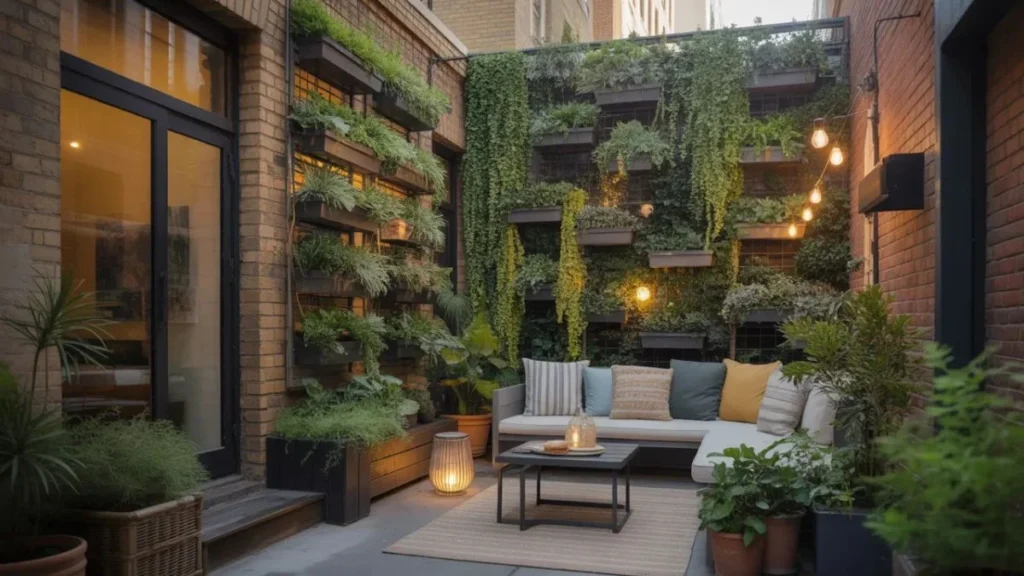
Most city homes give you just enough outdoor space to wonder what to do with it. A small urban courtyard — even one the size of a parking spot — holds far more potential than it first appears, and the best designs make you forget you’re surrounded by concrete at all.
City outdoor spaces are no longer afterthoughts. In 2026, compact courtyards are being treated as outdoor living rooms: styled, layered, and purpose-built for relaxation and everyday enjoyment. Whether you have a walled backyard, a narrow side passage, or a shared entry space, this guide is packed with ideas to help you make every square foot count.
Why Small Urban Courtyards Are Worth Investing In
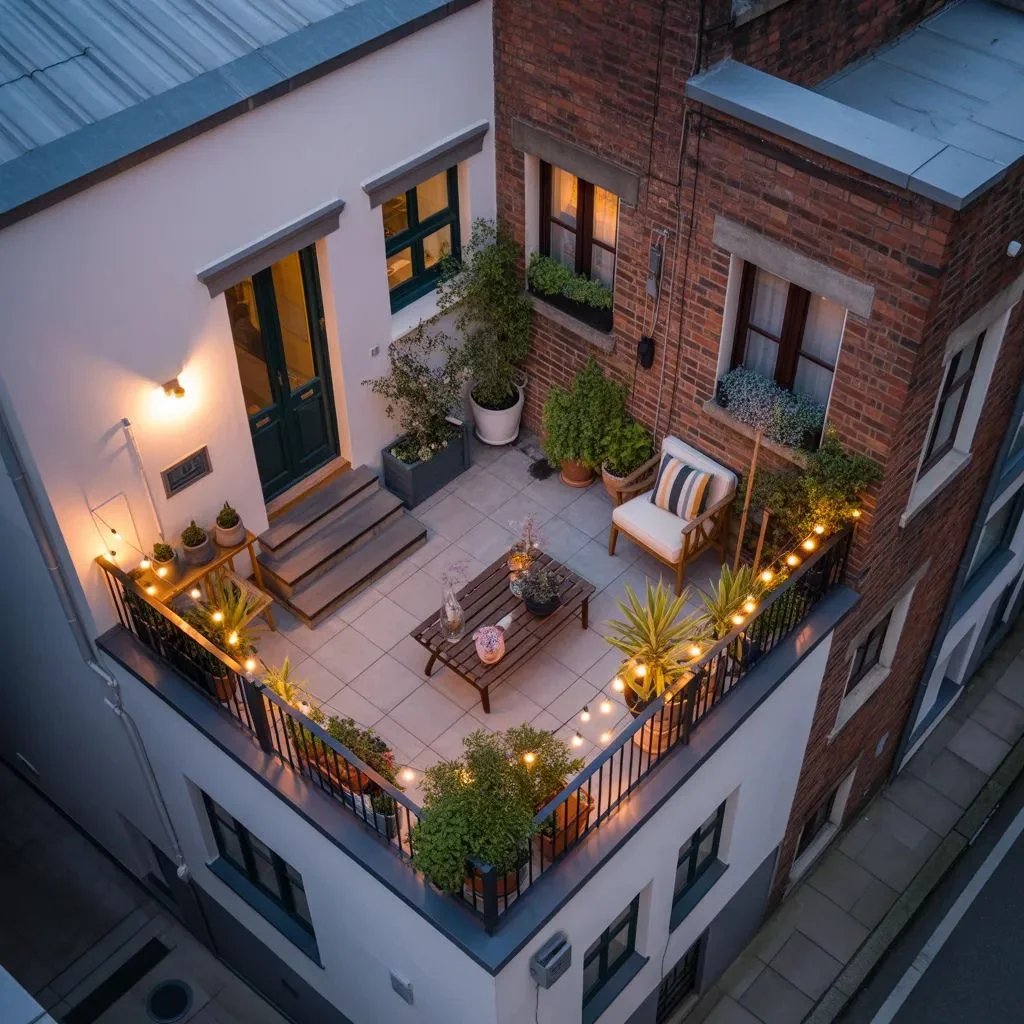
A well-designed small urban courtyard does more than look good — it genuinely improves your quality of life. Research consistently shows that even brief exposure to green outdoor spaces helps reduce stress and lower cortisol levels. For city dwellers who lack access to parks and gardens, a private courtyard fills that gap beautifully.
Beyond wellbeing, there are practical benefits too. A thoughtfully styled courtyard adds measurable value to a city property, extending usable living space without requiring planning permission or major renovation. It becomes an extension of your home that works across seasons with the right plants, shelter, and lighting.
Courtyards also serve as privacy buffers — a rare commodity in urban living. Even in the densest neighbourhoods, a few well-placed plants and a vertical screen can create a sense of seclusion that a flat or terraced house rarely offers indoors.
How to Plan a Small Urban Courtyard
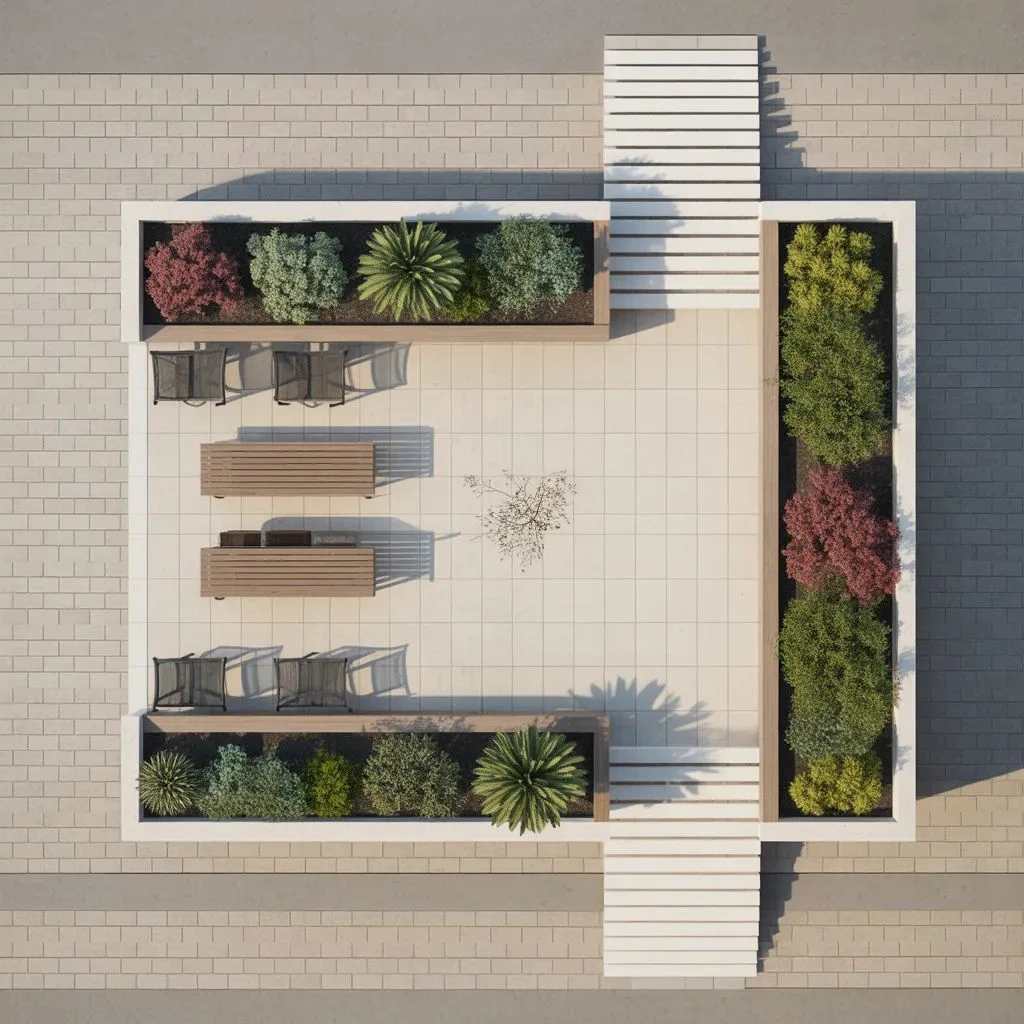
Before ordering furniture or buying plants, spend time assessing your space honestly. Measure the dimensions, note which direction the courtyard faces, and observe when and where direct sunlight falls during the day. These three factors should shape every design decision you make.
Define Your Main Use
A small urban courtyard cannot do everything. Decide upfront whether the space is primarily for dining, relaxing, growing plants, or a combination. This single decision will guide your layout, furniture scale, and planting choices more than anything else.
Work With the Architecture
Take cues from your home’s architectural style. A Victorian terraced house suits brick-and-greenery aesthetics, while a modern apartment benefits from clean lines, minimal planters, and neutral materials. Clashing with the existing architecture makes a small space feel incoherent rather than curated.
Choose a Focal Point
Every successful small courtyard has one focal point — a statement planter, a water feature, a sculptural chair, or a bold-coloured wall. Without a visual anchor, the eye has nowhere to rest and the space feels cluttered even when it’s not.
Vertical Gardening Ideas for Tight Spaces
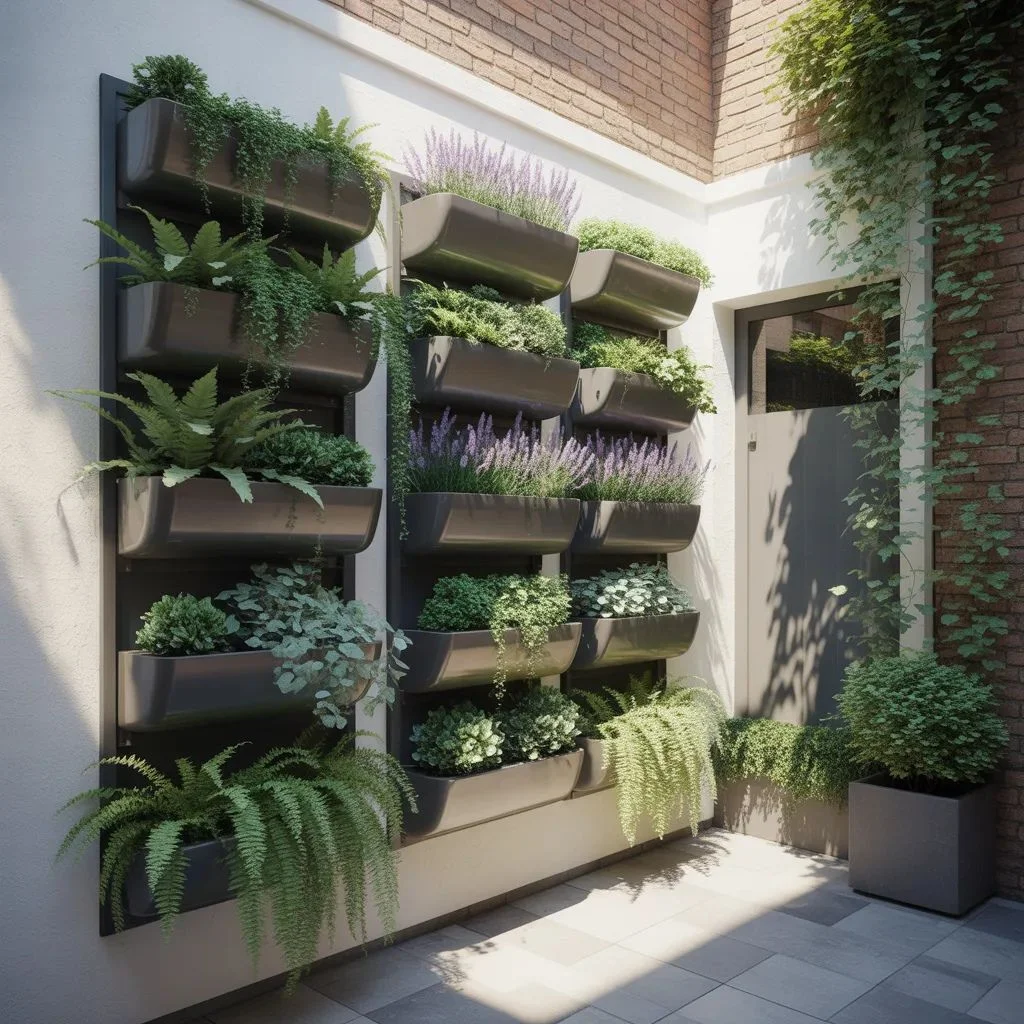
When floor space is limited, the walls become your garden. Vertical gardening is one of the most effective strategies for a small urban courtyard, adding greenery without sacrificing a single metre of paving. It also provides insulation, reduces noise from neighbouring properties, and creates a natural privacy screen.
The simplest approach is a modular pocket planter system — lightweight panels that attach to fences or rendered walls and hold individual plants. These work well with herbs, trailing succulents, ferns, and compact flowering plants. A single 1.2m × 1.5m panel can house 20 or more plants, turning a bare fence into a living feature.
For a more structured look, wire trellis systems with climbing plants such as jasmine, clematis, or sweet peas are a cost-effective alternative. They also introduce fragrance, which adds an often-overlooked sensory dimension to small outdoor spaces.
Flooring Options That Make Small Courtyards Feel Larger
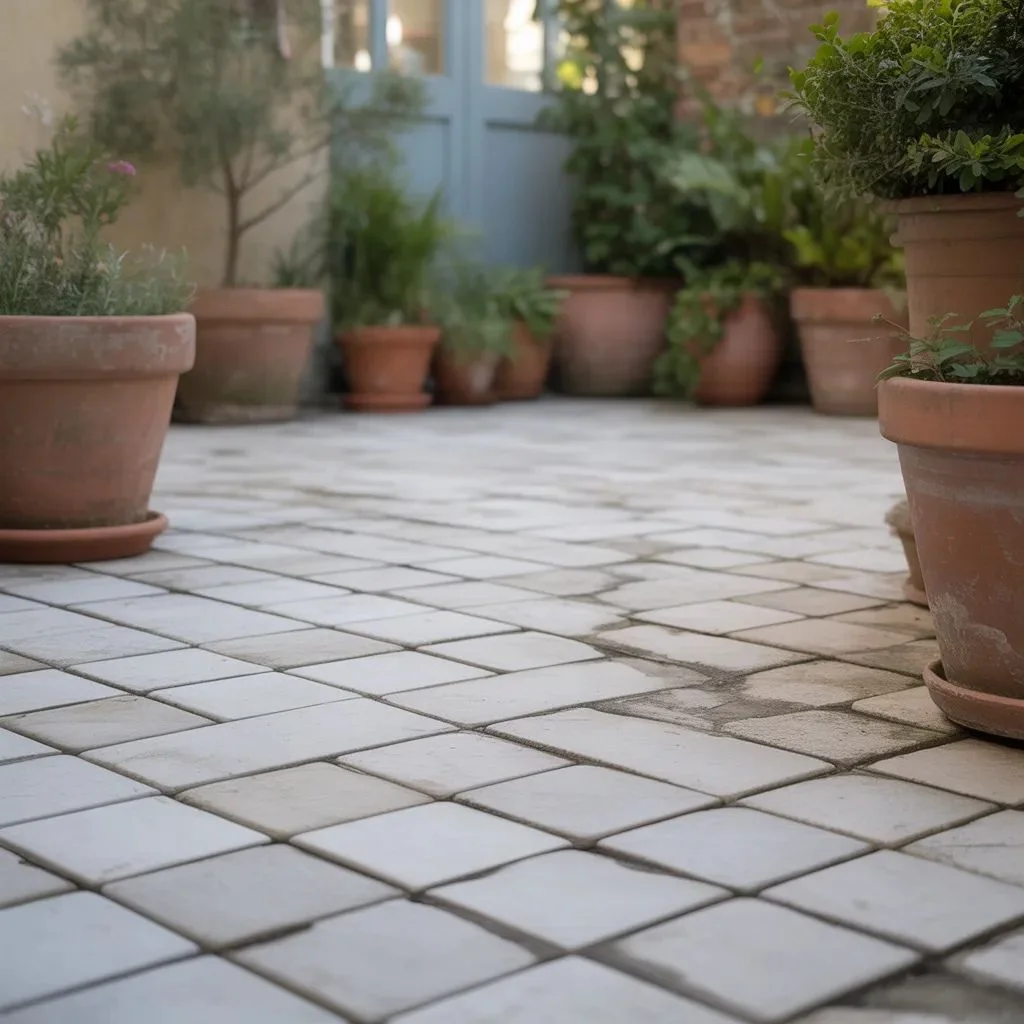
Flooring choice has an outsized impact on how large or small a courtyard feels. Light-coloured materials — pale limestone, cream sandstone, or light grey porcelain — reflect lighter and push the boundaries of the space visually. Dark materials absorb light and can make compact areas feel enclosed.
Laying paving slabs diagonally is a well-known trick for making small areas appear wider. Similarly, using fewer, larger slabs rather than a patchwork of small tiles reduces visual noise and lends the courtyard a calming, cohesive feel.
Permeable paving is growing in popularity for urban courtyards, particularly in areas prone to heavy rainfall. Open-joint systems that allow water to drain through the surface reduce runoff and can double as a design feature when filled with low-growing creeping thyme or gravel.
Seating Ideas for Small Urban Courtyards
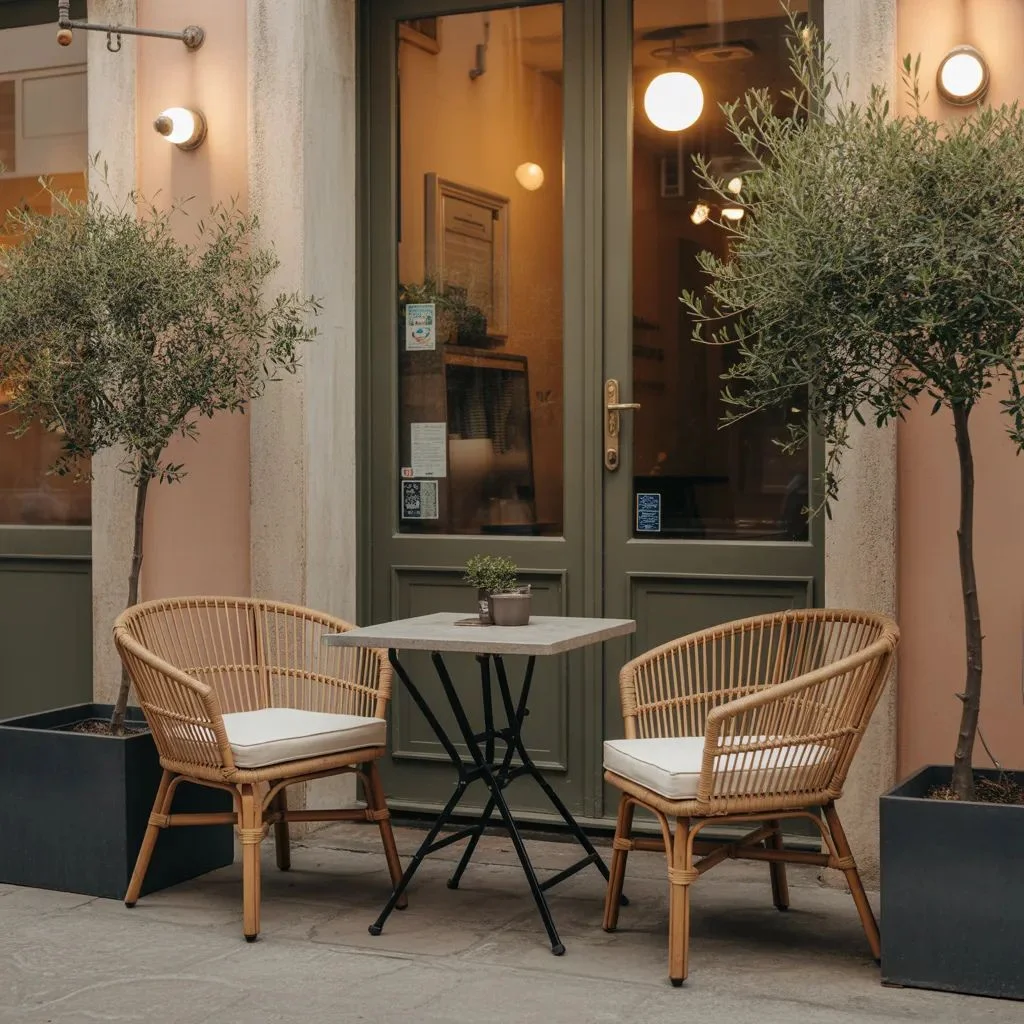
Seating defines how a courtyard is actually used. For small spaces, the key is choosing pieces that are proportional, foldable, or dual-purpose. Oversized garden furniture instantly makes a compact courtyard feel overwhelmed, while well-scaled seating creates the impression of a considered, intentional space.
A pair of French bistro chairs with a small round table is a classic for tight courtyards — stylish, functional, and easy to fold flat when not in use. For those who want something softer, a narrow bench with outdoor cushions tucked against one wall keeps the centre of the space open for movement.
Built-in seating along a boundary wall is the most space-efficient option of all. A low rendered bench fitted with weather-resistant cushions doubles as a planter ledge, keeps floor space completely clear, and gives the courtyard a clean, architectural quality that adds real value.
Planting Ideas to Bring a Small Urban Courtyard to Life
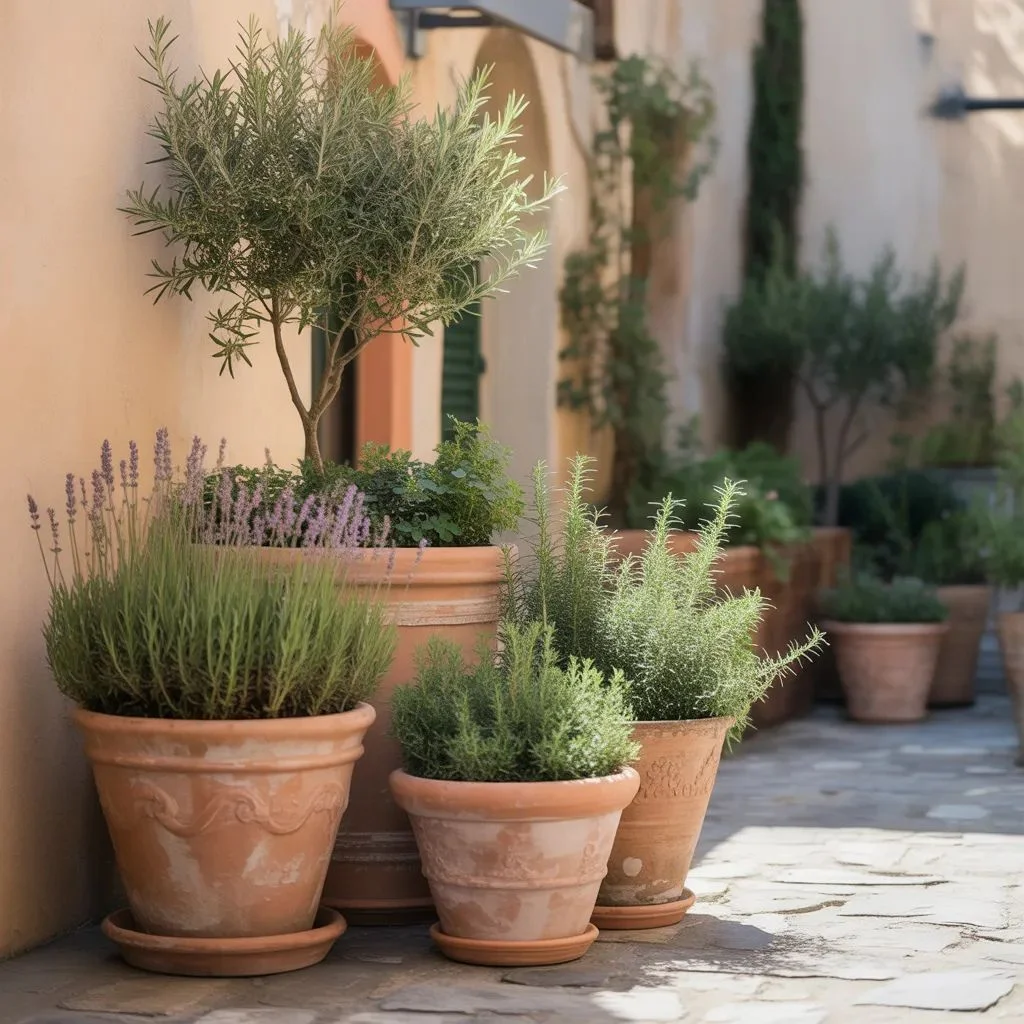
Plants are the element that transforms a paved yard into a genuine courtyard. The key in small spaces is choosing plants that offer multiple benefits — structure, fragrance, seasonal interest, or year-round foliage — rather than filling every available spot with variety.
Best Plants for Urban Courtyards
- Olive trees — architectural, drought-tolerant, and evergreen
- Lavender — low maintenance, fragrant, and excellent for pollinators
- Japanese maples — striking colour, compact growth, and seasonal interest
- Bamboo — fast-growing natural screen in large pots
- Hostas — shade-tolerant and structural, ideal for north-facing courtyards
- Climbing roses or jasmine — fragrant, vertical, and romantic in character
Use varying pot heights to create depth and layering. A cluster of three pots — tall, medium, and low — filled with plants of different textures creates a planting arrangement that feels intentional and designed rather than ad hoc.
Lighting Ideas to Extend Your Courtyard Into the Evening
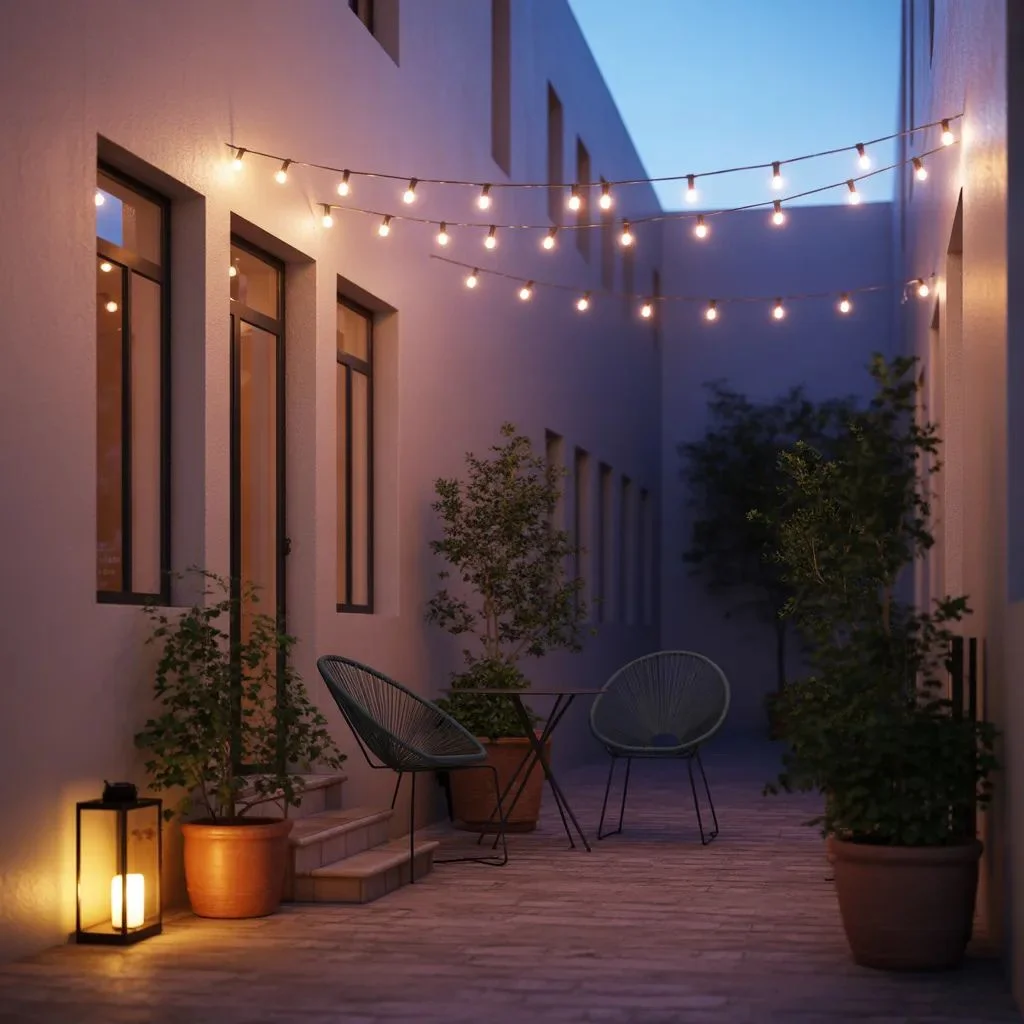
Good lighting is what separates a courtyard that gets used only on sunny afternoons from one that becomes a genuine outdoor living space throughout the year. In city homes, evening use is often more practical than daytime, making lighting a priority rather than a finishing touch.
String lights draped overhead across the full width of the courtyard are the most popular and cost-effective solution. Warm white LED bulbs on a simple timer or smart plug create an instant atmosphere without any complicated installation. Festoon-style bulbs add a more boutique feel for those who want something slightly more curated.
Ground-level lanterns, recessed deck lights, and uplighting for feature plants add depth and layering. The goal is to avoid a single overhead source — multiple low-level light points create a far more inviting ambience than one bright bulb flooding the space from above.
Mediterranean-Inspired Small Urban Courtyard Ideas
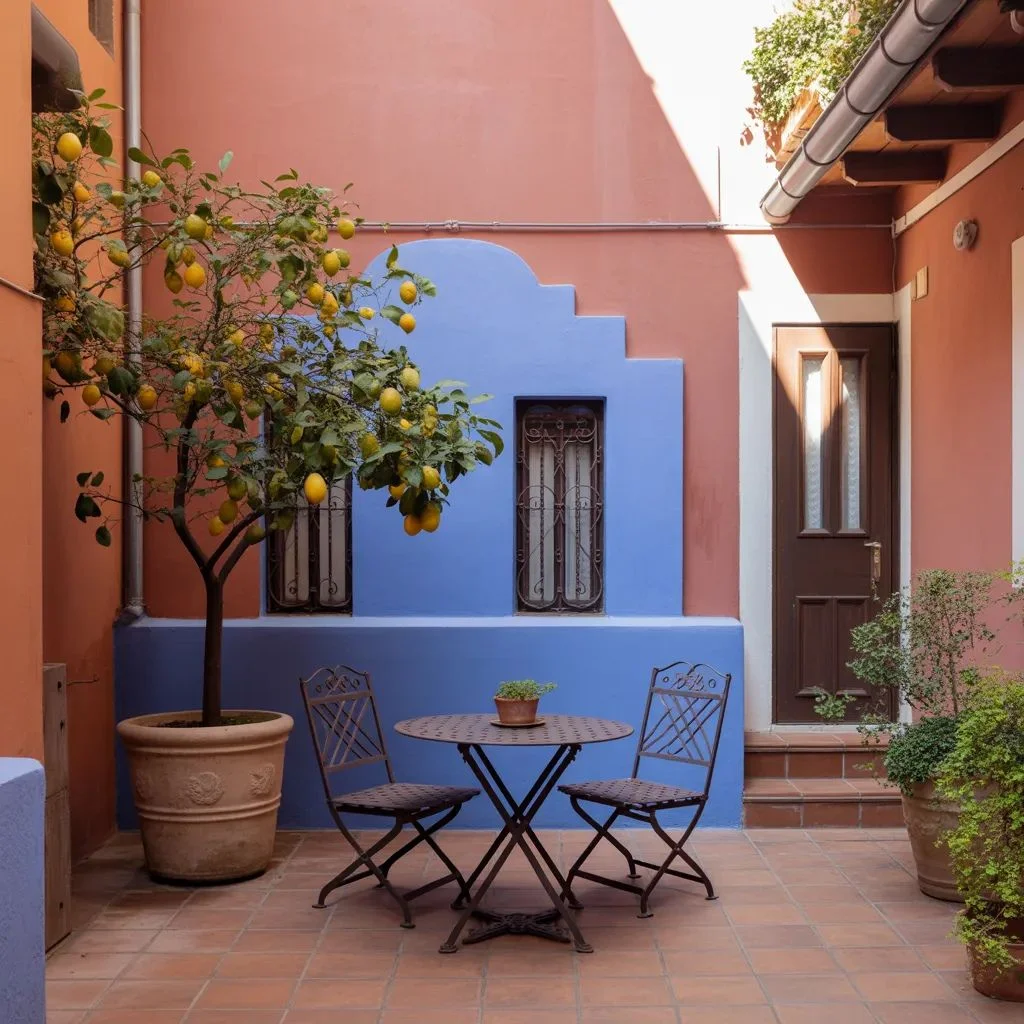
The Mediterranean courtyard aesthetic translates exceptionally well to small urban spaces. Its core ingredients — warm stone, terracotta, whitewashed walls, and fragrant plants — all work at compact scale without losing their visual impact.
Paint one boundary wall in a deep cobalt blue, dusty sage, or terracotta shade to create an instant focal point. Pair this with natural stone paving, a large clay pot planted with a lemon tree or olive, and a wrought iron bistro set. The result feels like a fragment of the Amalfi Coast, regardless of what lies beyond the courtyard walls.
This style also lends itself to fragrant planting. Rosemary, lavender, thyme, and jasmine all thrive in terracotta pots, require minimal watering once established, and fill the air with scent on warm evenings — elevating the sensory experience far beyond what the square footage would suggest.
Japandi and Zen Courtyard Ideas for a Calm City Retreat
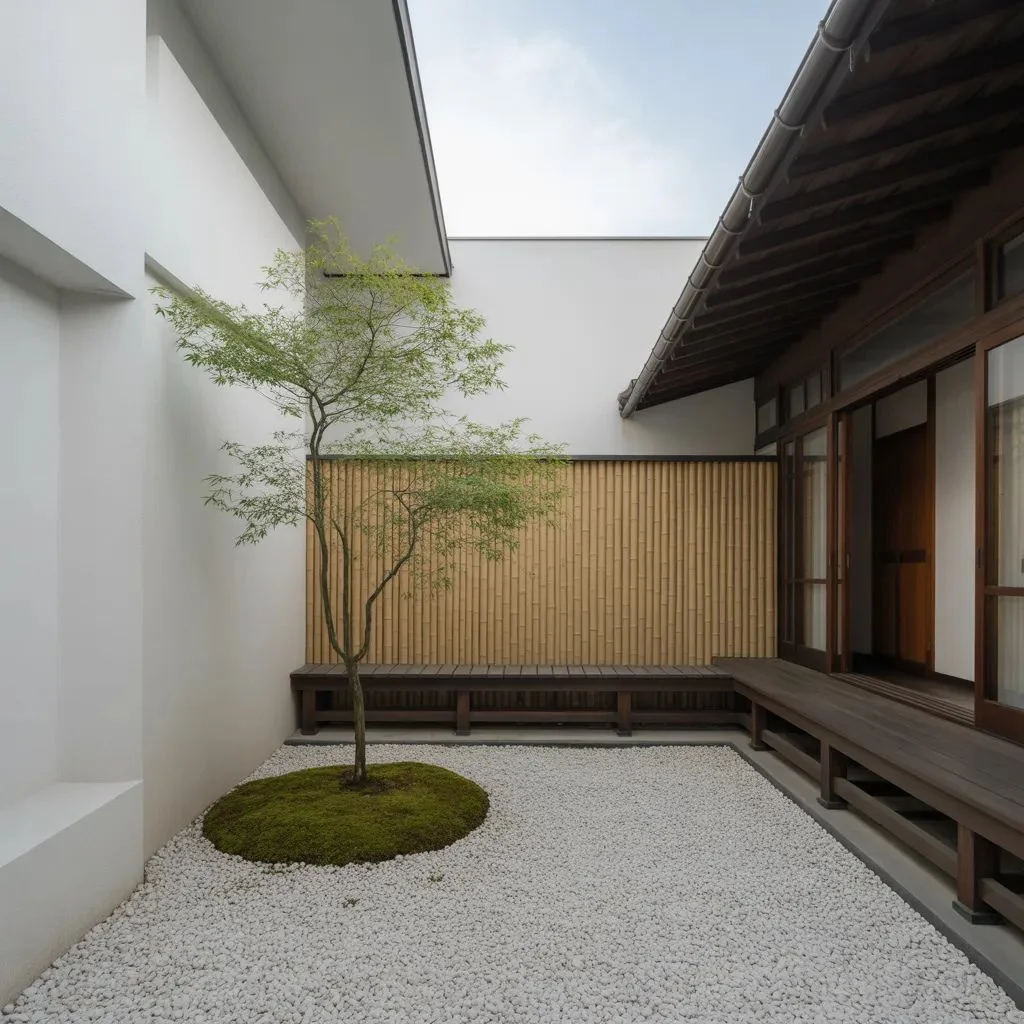
The Japandi aesthetic — a blend of Japanese minimalism and Scandinavian simplicity — is increasingly popular for small urban courtyards because it thrives on restraint. Rather than filling every surface with plants and ornaments, Japandi design uses carefully chosen elements with generous breathing space between them.
A simple layout for this style includes smooth white or grey gravel across most of the floor, a single specimen plant such as a Japanese maple or cloud-pruned box, one low wooden bench in dark-stained timber, and a bamboo screen along one boundary. Nothing more is needed — the power of the design is in the negative space.
This approach also happens to be one of the most low-maintenance courtyard styles available, requiring little more than occasional raking, trimming, and sweeping. For city dwellers with busy schedules, that practicality is a significant advantage over more planting-heavy schemes.
Small Urban Courtyard Ideas on a Budget
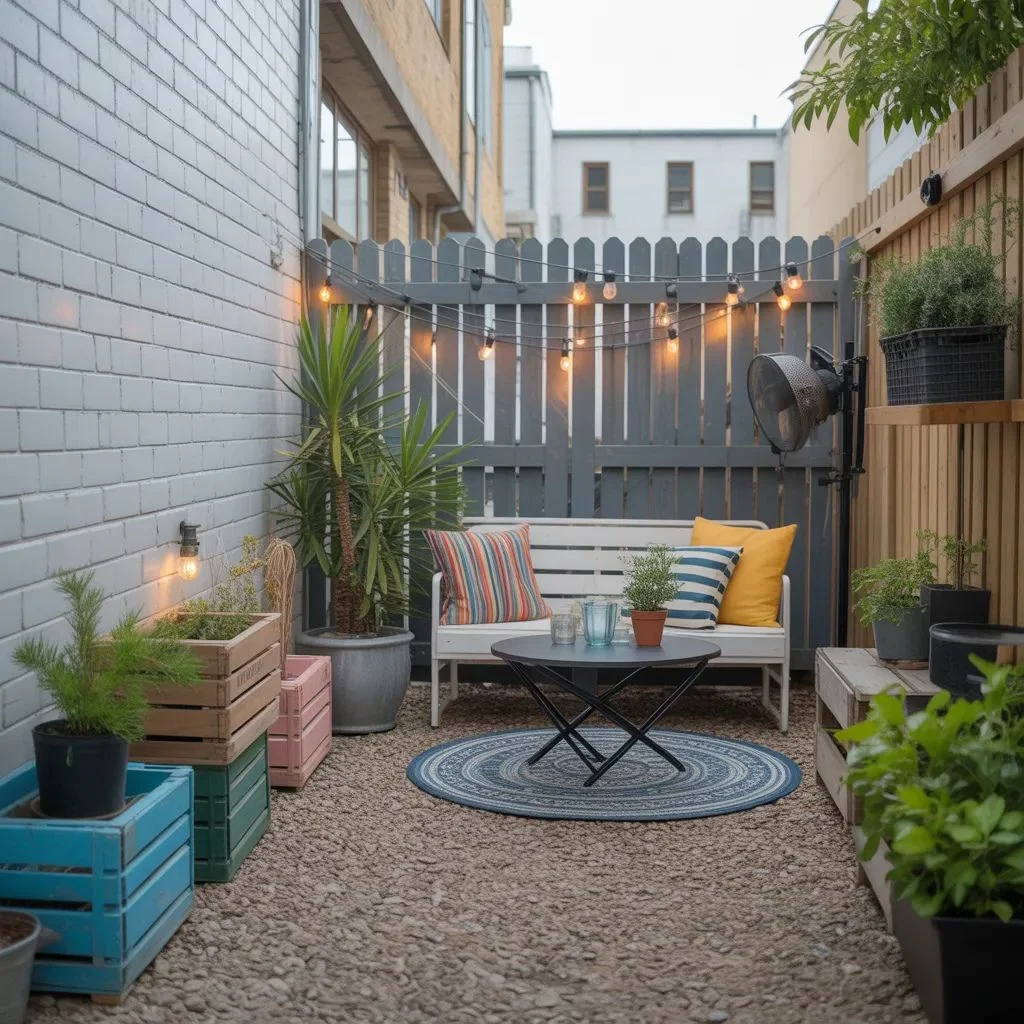
A limited budget should not limit your ambitions for a small urban courtyard. Some of the most characterful outdoor spaces are put together through clever editing, DIY touches, and a willingness to reuse what already exists rather than buying everything new.
Painting a boundary fence or wall is the single highest-impact, lowest-cost improvement available. A fresh coat of dark green, charcoal, or dusty blue instantly transforms a weathered fence into a sophisticated backdrop that makes plants and furniture pop against it.
Upcycled wooden crates, vintage tins, and second-hand ceramic pots add personality and cost a fraction of their garden centre equivalents. Gravel is consistently cheaper than paving and can be laid directly over compacted ground with a weed membrane underneath, providing an immediate improvement to the courtyard’s appearance with minimal labour.
- Buy plants in autumn when garden centres discount stock
- Source furniture from second-hand marketplaces and paint it to match
- Use mirror panels on a wall to double the perceived depth of the space
- Layer outdoor rugs on existing concrete for instant warmth and colour
- Install solar-powered string lights to avoid electrical work entirely
Your Small Courtyard, Your Outdoor Sanctuary
A small urban courtyard is not a compromise — it is an opportunity. City homes rarely offer the luxury of sprawling gardens, but a well-designed compact courtyard delivers everything a garden should: greenery, privacy, fresh air, and a space to genuinely switch off from the pace of city life.
Whether you choose a Mediterranean-inspired scheme full of fragrant herbs and terracotta, a Japandi retreat built on gravel and restraint, or a budget-led transformation using paint and second-hand finds, the courtyard you create will be entirely your own. Start with one clear idea, build from there, and let the space evolve with you.
The best small urban courtyard ideas are the ones that suit your lifestyle. Choose what you will use, plant what you will tend and light what you will enjoy after dark. That is the only rule that matters.
Highly Recommended: Backyard Tiny Guest House Designs Your Guests Will Never Want to Leave.