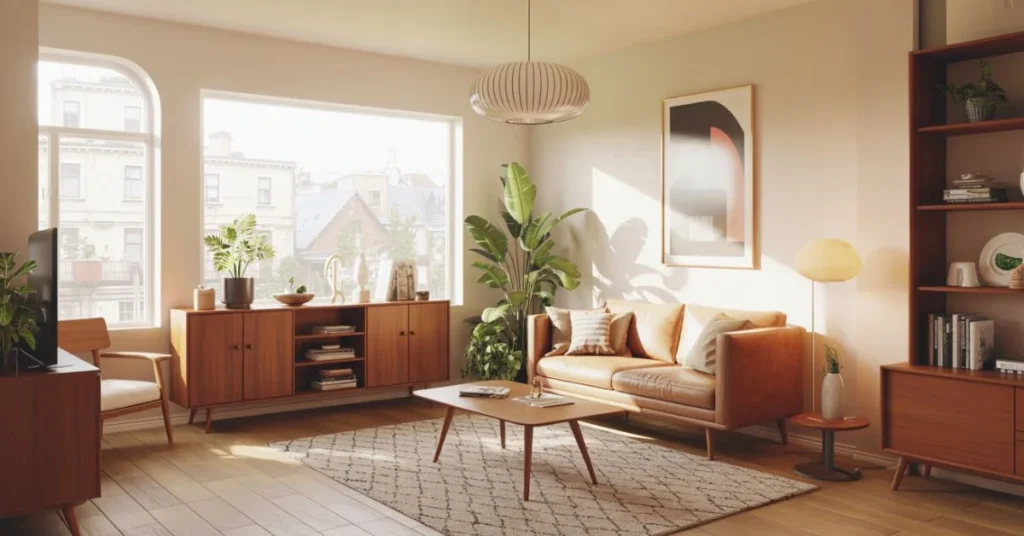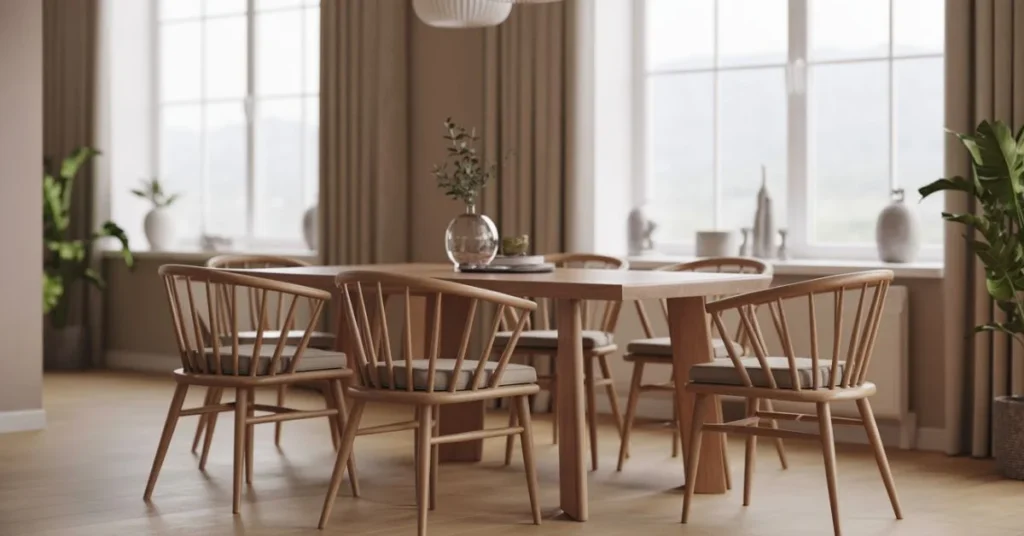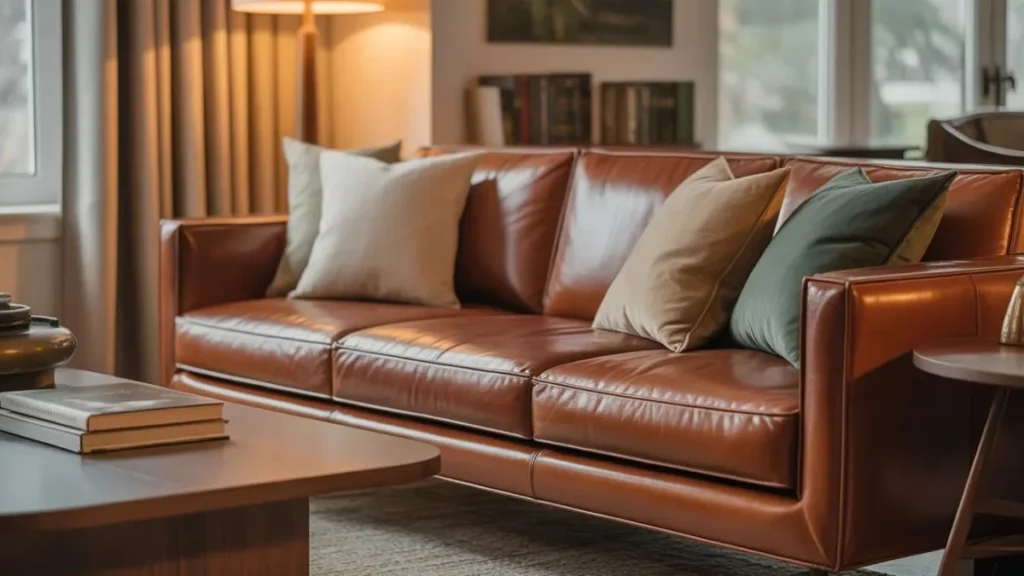
Most trends have an expiration date. Leather decor does not. Walk into any professionally designed home — from a sleek Manhattan apartment to a warm countryside living room — and you will almost always find leather somewhere. A sofa, a headboard, an ottoman, a tray on a coffee table. It shows up quietly, but it shows up consistently, and that is not an accident.
Leather decor has survived every design cycle because it does something most materials cannot: it gets better with time. Its patinas. It softens. It holds its shape while everything around it gets replaced. Interior designers return to it not out of habit but because nothing else quite fills the role leather plays in a room — that combination of warmth, structure, and quiet luxury that ties a space together without demanding attention.
What Makes Leather Decor Different From Every Other Material
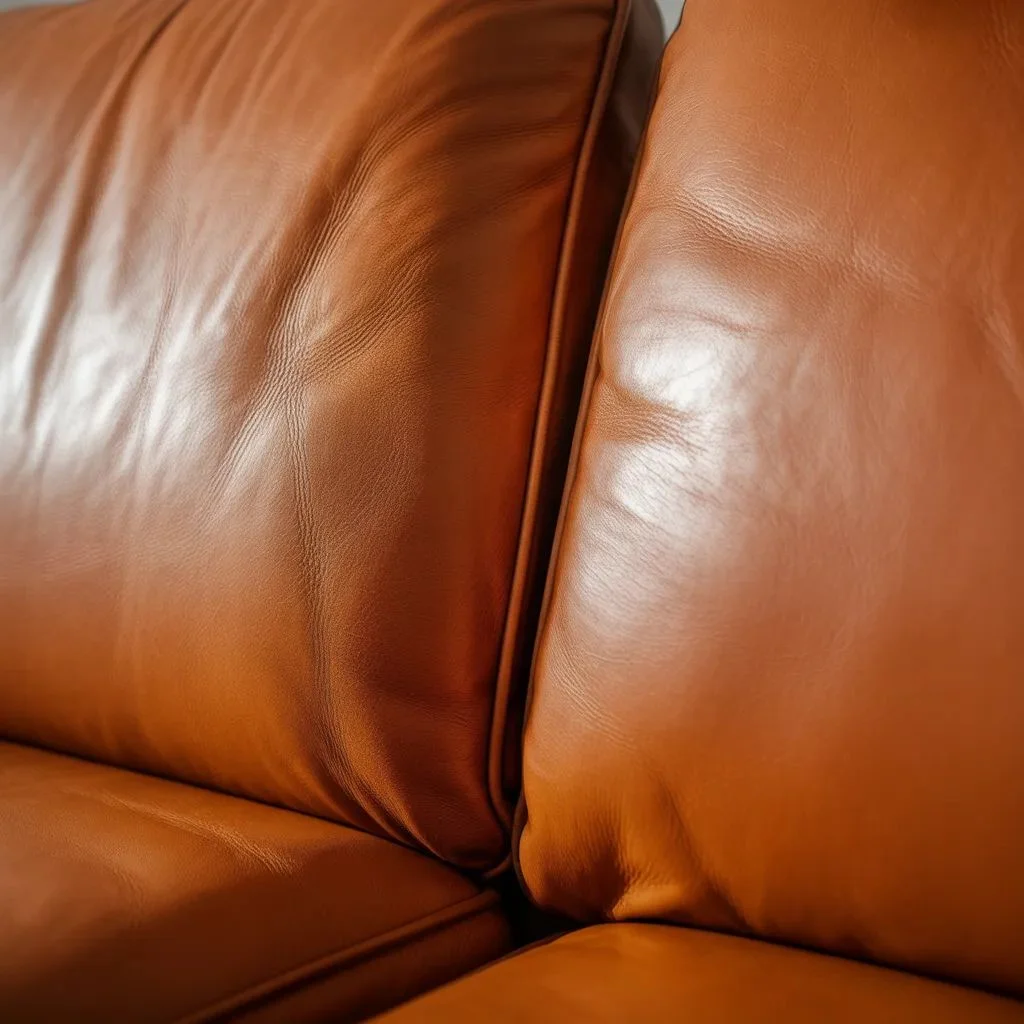
There is a reason designers keep reaching for leather decor even when other materials come in and out of fashion. Leather occupies a rare category — it is simultaneously rugged and refined, casual and expensive-looking, minimal and textured. It does not compete with a room. It anchors it.
The material itself is the point. Unlike fabric, which hides its quality behind pattern and colour, leather reveals everything. The grain, the finish, the stitching — all of it is visible. A piece of full-grain leather sitting in a room tells you immediately that it was made well. That honesty is part of why designers trust it.
Leather decor also ages in a way that works in its favour. Fabric pills. Wood fades unevenly. Marble chips. But quality leather develops a patina over time — a deepening of tone, a softening of surface — that makes older pieces look more valuable, not less. A leather chair that has been in a family for twenty years carries a kind of presence that a brand-new piece rarely achieves.
Then there is the sensory dimension. The cool-to-warm touch when you first sit down. The faint, distinctive smell. The subtle creak of movement. Leather decor engages more senses than most materials, and that is precisely why it contributes so strongly to how a room feels, not just how it looks.
It also works across every design style. A dark espresso leather sectional fits naturally into an industrial loft. A caramel leather club chair belongs in a mid-century modern reading room. A white leather ottoman sits perfectly in a Japandi-inspired bedroom. Leather does not belong to one aesthetic — it adapts to all of them.
Leather Decor Through the Design Eras
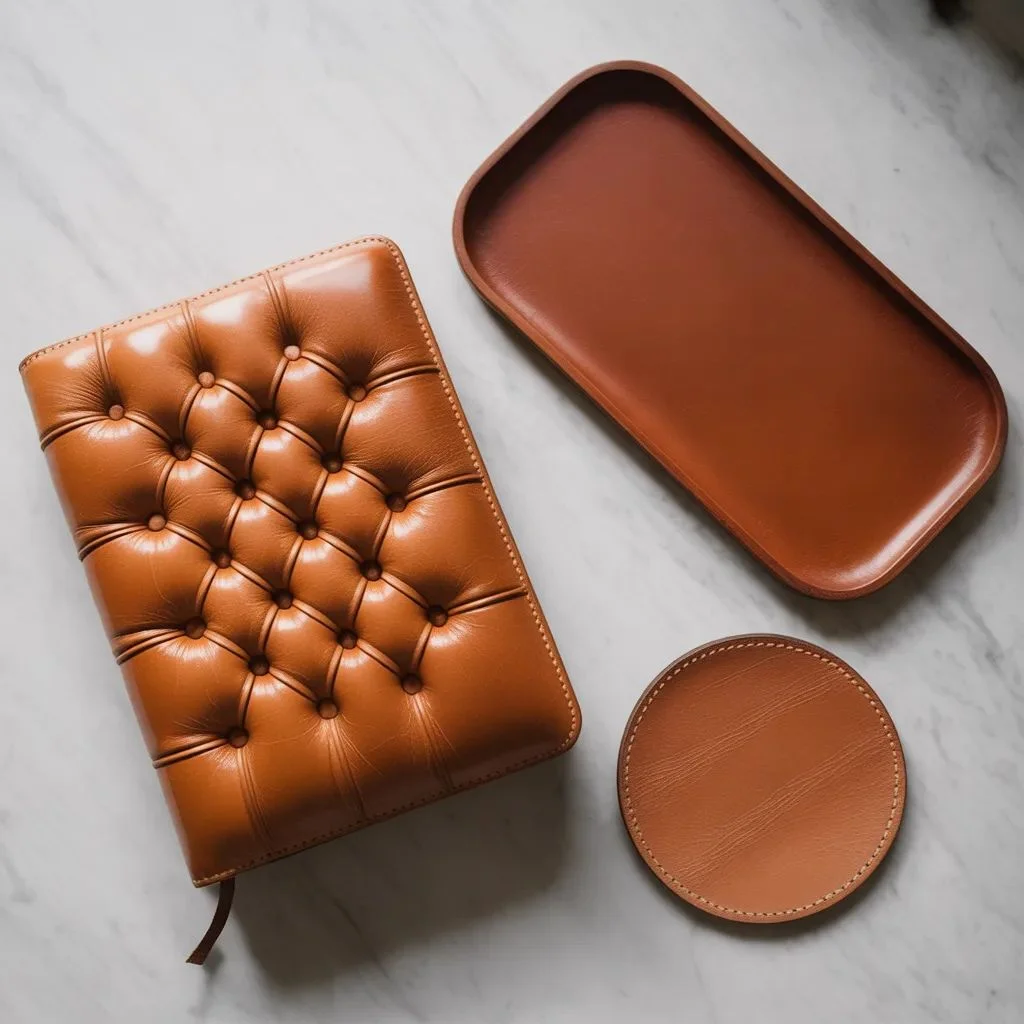
Leather’s presence in interior design is not a recent development. It stretches back centuries, which is one of the reasons it carries so much visual authority in a room today.
Ancient Egyptians and Romans used leather in furniture for its durability and comfort. During the Middle Ages, it appeared in European noble homes as wall coverings, decorative panels, and upholstery. The Renaissance saw leather elevated further — embossed, gilded, and treated as an artistic material. By the 19th century, leather had become shorthand for opulence, synonymous with the interiors of the elite.
The 20th century brought leather decor into the mainstream. The mid-century modern movement made the leather lounge chair iconic — clean silhouette, warm material, functional but beautiful. The 1980s pushed leather into maximalism. The 1990s stripped it back into minimalism. Through every swing, leather adapted without losing its identity.
What is happening now is a natural continuation of that story. The current quiet luxury movement, the return to tactile, sensory-rich interiors, and the renewed interest in investment pieces that last — all of these trends point directly to leather. Designers are not discovering leather decor; they are returning to it with fresh context.
Room-by-Room Leather Decor Guide
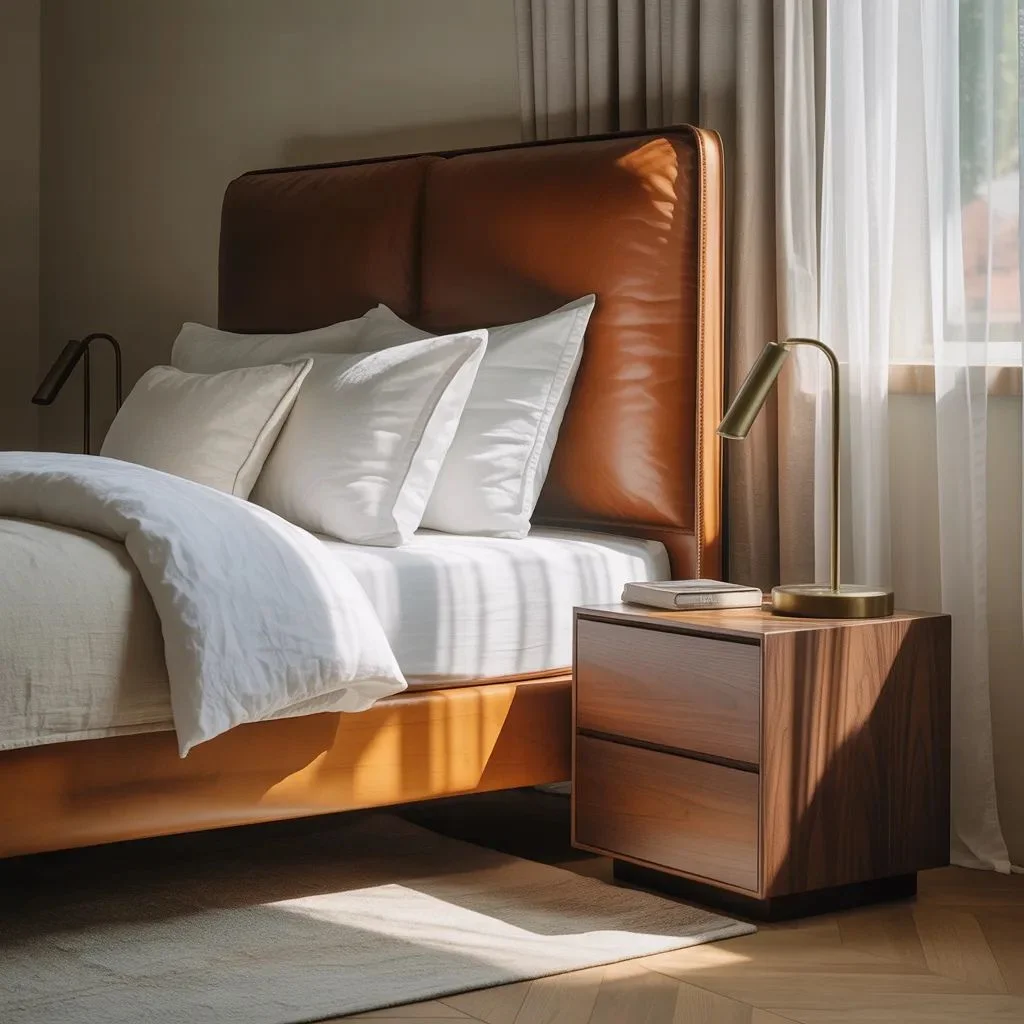
Understanding how leather decor works in different rooms is the key to using it well. It does not perform the same function in a living room as it does in a bedroom or home office. Here is how to think about each space.
Living Room
The living room is where leather decor makes its most natural home. A leather sofa or sectional serves as the room’s visual anchor — substantial enough to hold a large space together, neutral enough to work with changing accessories around it. For rooms where a full leather sofa feels like too much, leather accent chairs or an ottoman offers the same warmth at a smaller scale.
Balance is the key principle here. Heavy dark leather benefits from lighter surroundings — cream-toned walls, a natural fiber rug, linen throw pillows. The goal is contrast, not competition. A room full of leather in the same shade and tone becomes flat. A room where leather plays off velvet, linen, and warm wood becomes layered and interesting.
Bedroom
In the bedroom, leather decor shows up most successfully as a headboard. A leather-upholstered headboard in cognac, chocolate, or even soft ivory adds a sense of quiet luxury without requiring much else. It reads as expensive without looking overdone.
Smaller leather accents work beautifully here too — a leather bench at the foot of the bed, a leather tray on the nightstand, leather-bound decorative books on a shelf. These details contribute to a considered, intentional look without making the space feel heavy.
Home Office
This is where leather has centuries of history behind it, and for good reason. A leather desk chair or a leather-topped writing desk makes a home office feel purposeful and grounded. Leather desk accessories — a pen holder, a mouse pad, a small tray — unify the workspace without visual clutter.
Dining and Entryway
Leather dining chairs are increasingly popular in designer-led spaces. They are easy to clean, age gracefully, and add a material richness that fabric chairs rarely achieve at the same price point. In the entryway, a leather storage bench or accent stool sets the tone for the entire home — a small investment with significant visual impact.
How to Style Leather Without Overdoing It
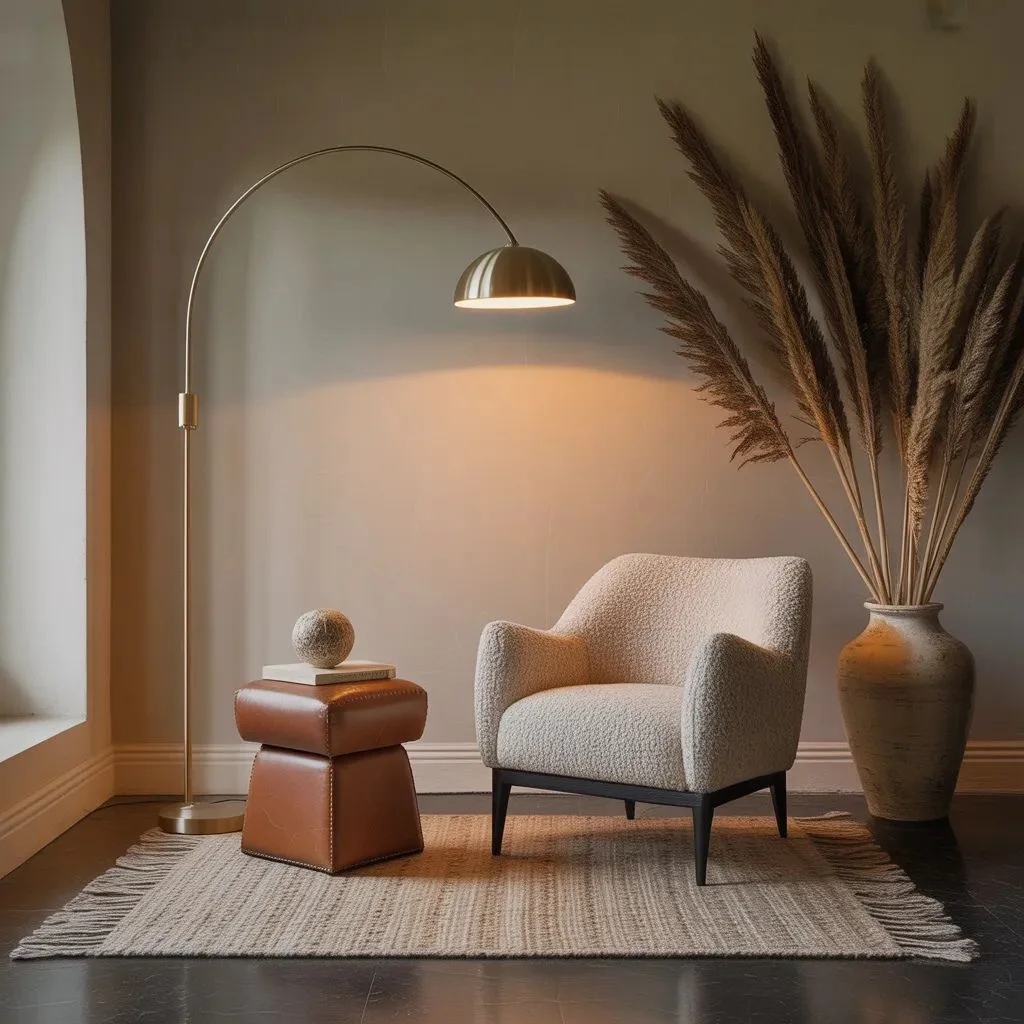
The most common mistake with leather decor is using too much of it, in the same tone, without relief. A room anchored entirely in dark brown leather can feel closed-off and heavy — more like an old members’ club than a home. The fix is not less leather but smarter layering.
Pair leather with soft, contrasting textures
Velvet, linen, bouclé, and chunky knit all work beautifully alongside leather because they offer tactile contrast. Velvet pillows on a leather sofa, a linen throw draped over a leather chair, a bouclé accent seat beside a leather ottoman — these combinations feel rich and considered rather than cold or uniform.
Use colour to create breathing room
If your leather decor is dark — deep brown, black, or espresso — bring in lighter tones around it. Cream-colored rugs, white or warm grey walls, and pale curtains all help the leather read as intentional rather than overwhelming. If your leather is lighter — tan, caramel, or cognac — you have more flexibility to go deeper with wall colors and textiles.
Mix scales and shapes
A large leather sofa needs to be balanced by furniture at different heights and scales. A low coffee table, a tall bookcase, a round mirror — varying the shapes and proportions around a major leather piece keeps the room from feeling one-note.
Let leather be the statement, not the theme
The strongest leather decor rooms treat leather as a material anchor, not a full design theme. One or two significant leather pieces — a sofa and a chair, or a headboard and a bench — are enough to give a room its character. Smaller leather accents like a tray, a photo album cover, or a picture frame tie the story together without needing to repeat the material everywhere.
Real vs. Faux Leather Decor: What You Actually Need to Know
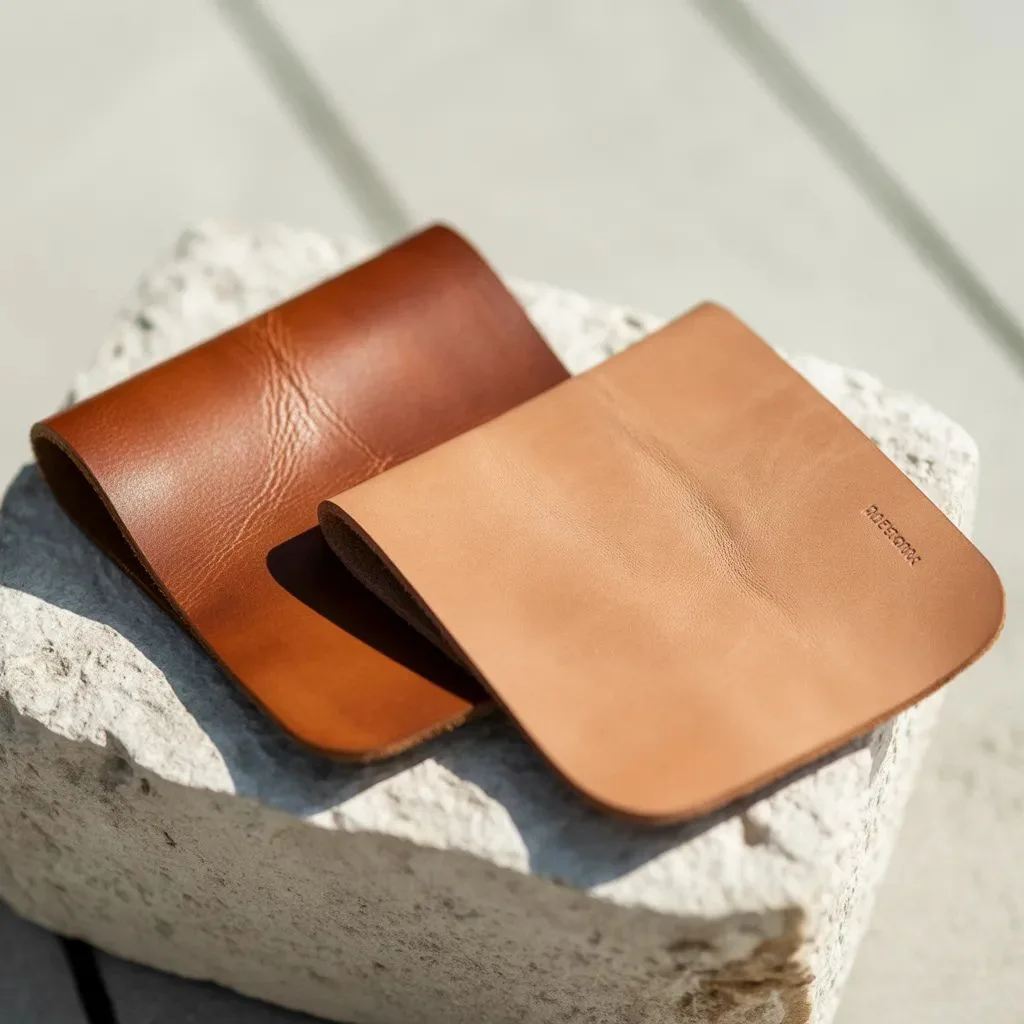
The question of real versus faux leather decor comes up constantly, and the answer depends less on budget than on how you intend to use the piece.
Full-grain leather — the highest grade — retains the complete surface of the hide, including natural markings and pores. It is the most durable option, develops the richest patina over time, and can last well beyond two decades with minimal care. Top-grain leather is slightly more processed but still high quality and more uniform in appearance. Both are genuinely worth the investment for pieces you plan to keep long-term.
High-quality faux leather decor — particularly plant-based alternatives like cactus leather or mushroom leather — has improved significantly in recent years. For accent pieces, decorative items, and furniture you may replace in five to eight years, a well-made vegan leather is a practical and increasingly sustainable choice. The key is buying quality faux rather than cheap synthetic, which cracks and peels quickly and ends up looking far worse than it did when new.
The real-versus-faux decision also comes down to values. The sustainable materials space is evolving rapidly, and several vegan leather options now offer comparable durability with a significantly lower environmental footprint. There is no wrong answer here — only the choice that fits your priorities and your space.
The Material That Never Needs a Comeback
Trends come back around. Leather decor never left. That distinction matters, because it tells you something important about what this material is — not a moment, but a standard.
The designers who keep returning to leather are not chasing nostalgia. They are working with a material that solves real design problems: how to anchor a room without overloading it, how to add texture without busy-ness, how to invest in a piece that earns its place year after year. Leather does all of that without asking for much in return.
Use it as your room’s foundation. Let the softness of linen, the warmth of wood, and the freshness of plants work around it. Leather decor does not need to be the loudest thing in the room to be the most important. It rarely is — and that is exactly why it works.
Highly Recommended: The Renter’s Secret Weapon: Fabric Wall Decor That Transforms Walls Without a Single Nail.