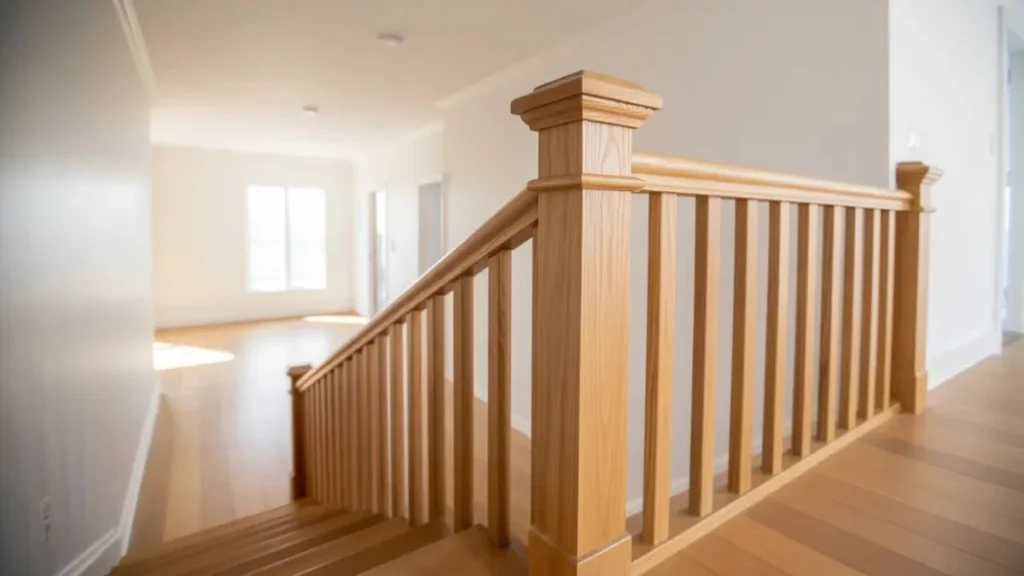
Your staircase is the first thing guests notice when they walk into your home — and a stunning wooden stair railing can completely transform that moment. Whether you’re doing a full renovation or a simple refresh, the right railing choice shapes the entire feel of your space.
In 2024 and beyond, wooden stair railing design has moved far beyond basic pine balusters and oak handrails. Today’s trends blend natural warmth with architectural boldness, mixing materials, finishes, and forms in ways that feel fresh without losing that timeless wood character. Here’s a look at what’s happening in homes right now — and what might be the perfect fit for yours.
1. The Return of Natural Wood in Modern Homes
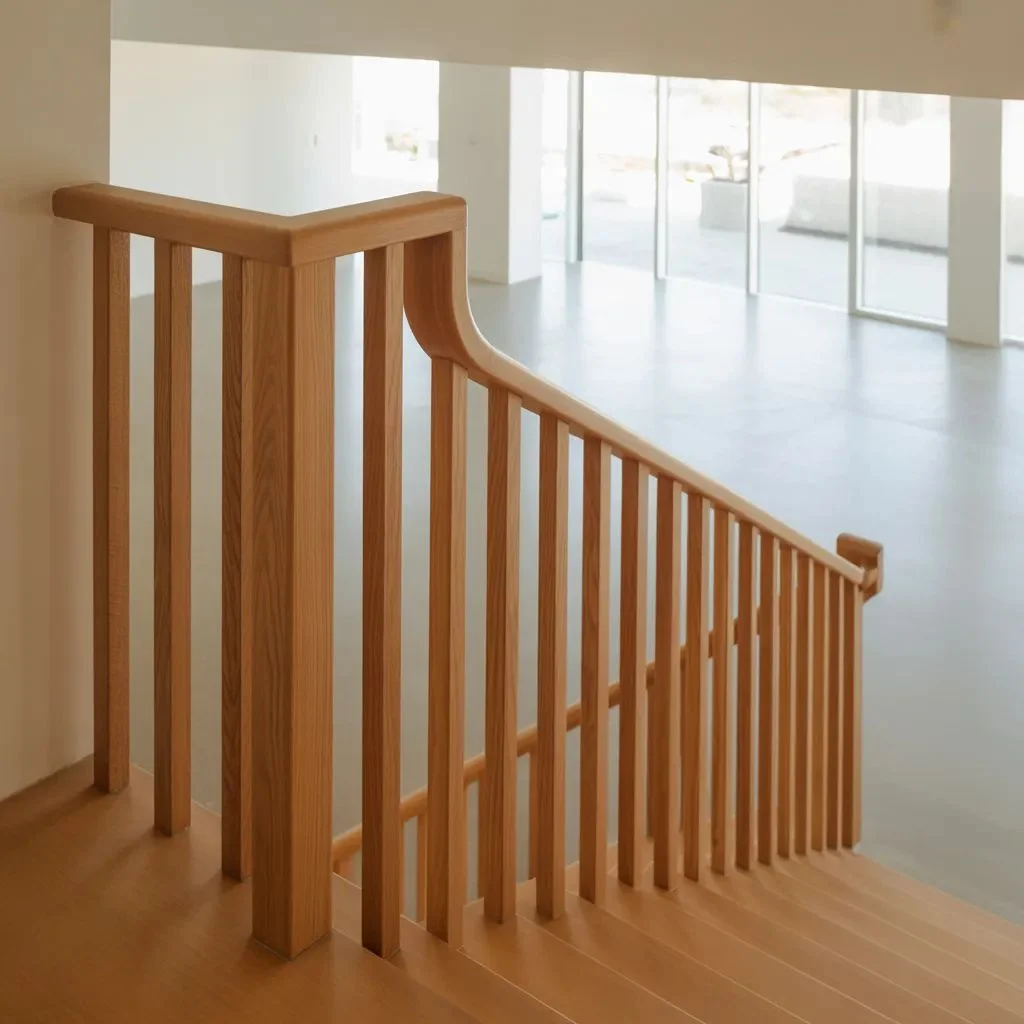
There’s a clear shift happening in interior design: homeowners are moving away from glossy, over-processed looks and leaning back into the warmth of real materials. Natural-finish wooden stair railing — especially in light oak, maple, and white ash — is having a serious moment right now.
What makes this trend so appealing is its versatility. A honey-toned oak railing feels right at home in a Scandinavian-inspired space but looks equally polished in a transitional or farmhouse-style interior. The key is keeping the finish light and matte, which reads as intentional rather than dated.
Pair a natural wood handrail with white-painted walls and minimal balusters for that clean, airy look that’s all over design feeds right now. It’s a combination that photographs beautifully and feels genuinely livable.
2. Mixed Materials: Wood Meets Metal
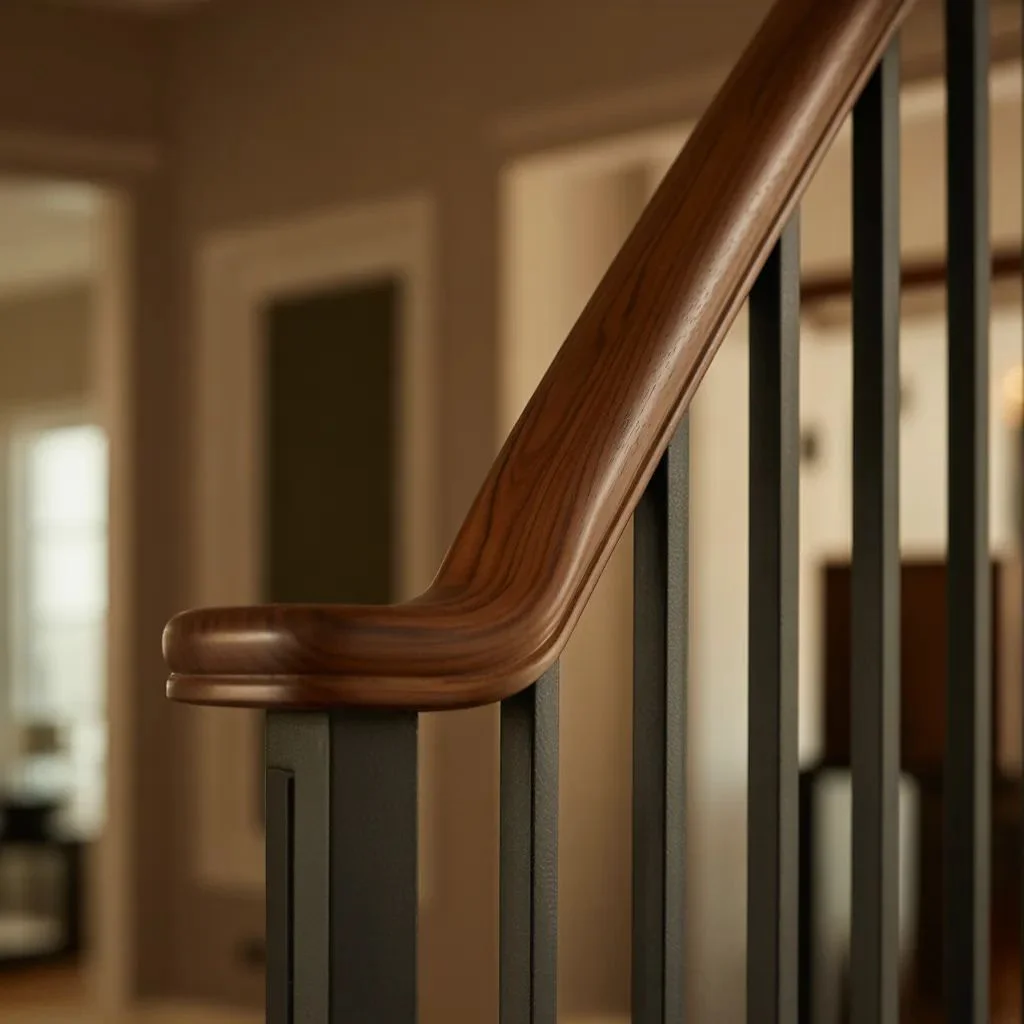
If there’s one trend dominating interior stair railing design, it’s the pairing of wood with metal. Specifically: a rich wood handrail — walnut, mahogany, or dark-stained oak — combined with slim black steel or wrought iron balusters.
This combination hits the sweet spot between warmth and edge. The wood keeps the space from feeling cold or industrial while the metal adds structure and a contemporary sharpness. It works especially well in homes with a modern farmhouse, industrial loft, or transitional aesthetic.
The beauty of this pairing is in the contrast. Go for a wood handrail with a warm undertone — think amber walnut or reddish mahogany — against matte black metal posts. The difference in texture makes each material look better by comparison.
This trend also tends to be more budget-friendly than all-wood designs because metal balusters are often less expensive than carved or turned wood ones.
3. Cable Railings with Wooden Frames
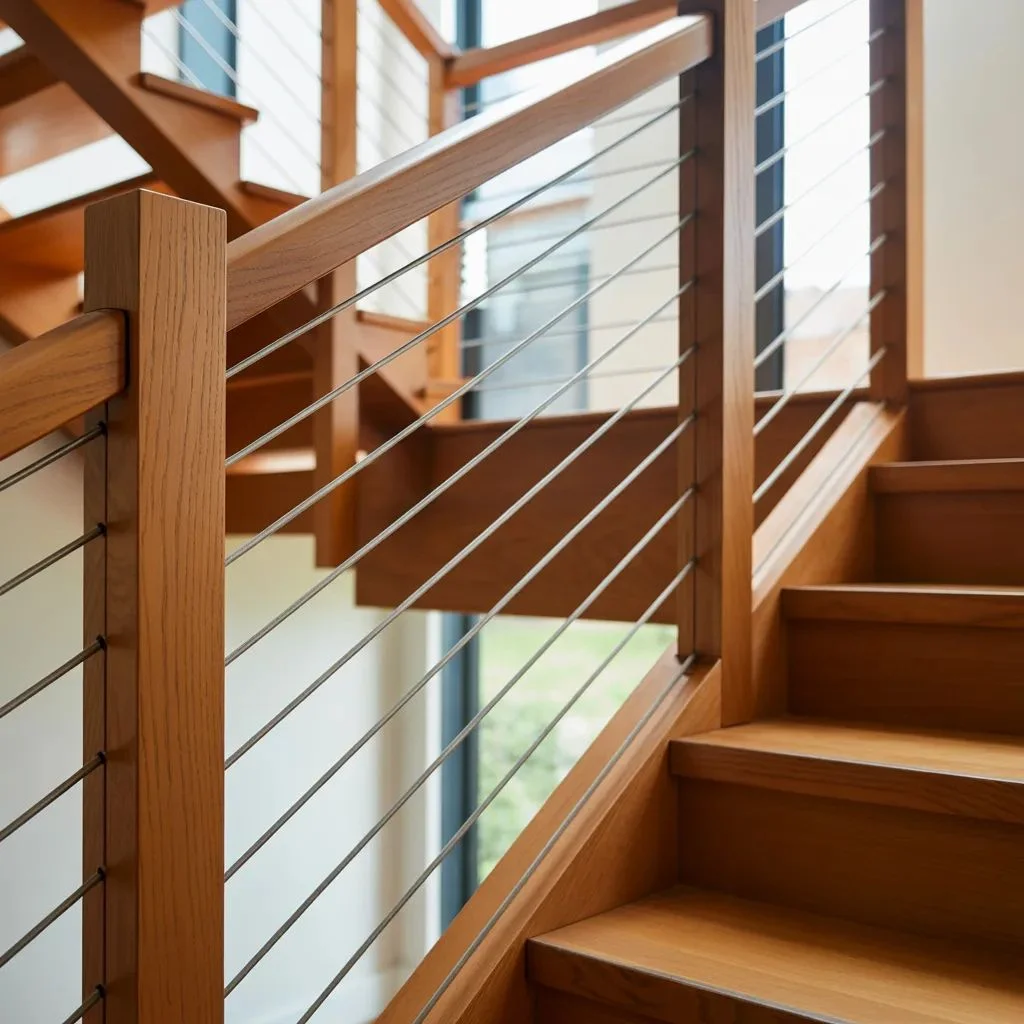
Cable railing has been popular in outdoor spaces for years, but it’s now making a strong move indoors — framed by a solid wooden stair railing structure. The horizontal steel cables run between wood posts, creating a look that’s open, graphic, and very contemporary.
The visual effect is almost architectural. The cables maintain a clear sightline through the staircase, which makes the space feel larger and more connected. This is a particularly smart choice for homes with open floor plans or beautiful views you don’t want interrupted.
Wood species that work best here tend to be those with strong grain character — white oak, teak, or ipe for a more exotic look. Keep the posts substantial and square-cut; chunky geometry contrasts nicely with the fine cable lines.
4. Dark-Stained Wood Railings for Drama
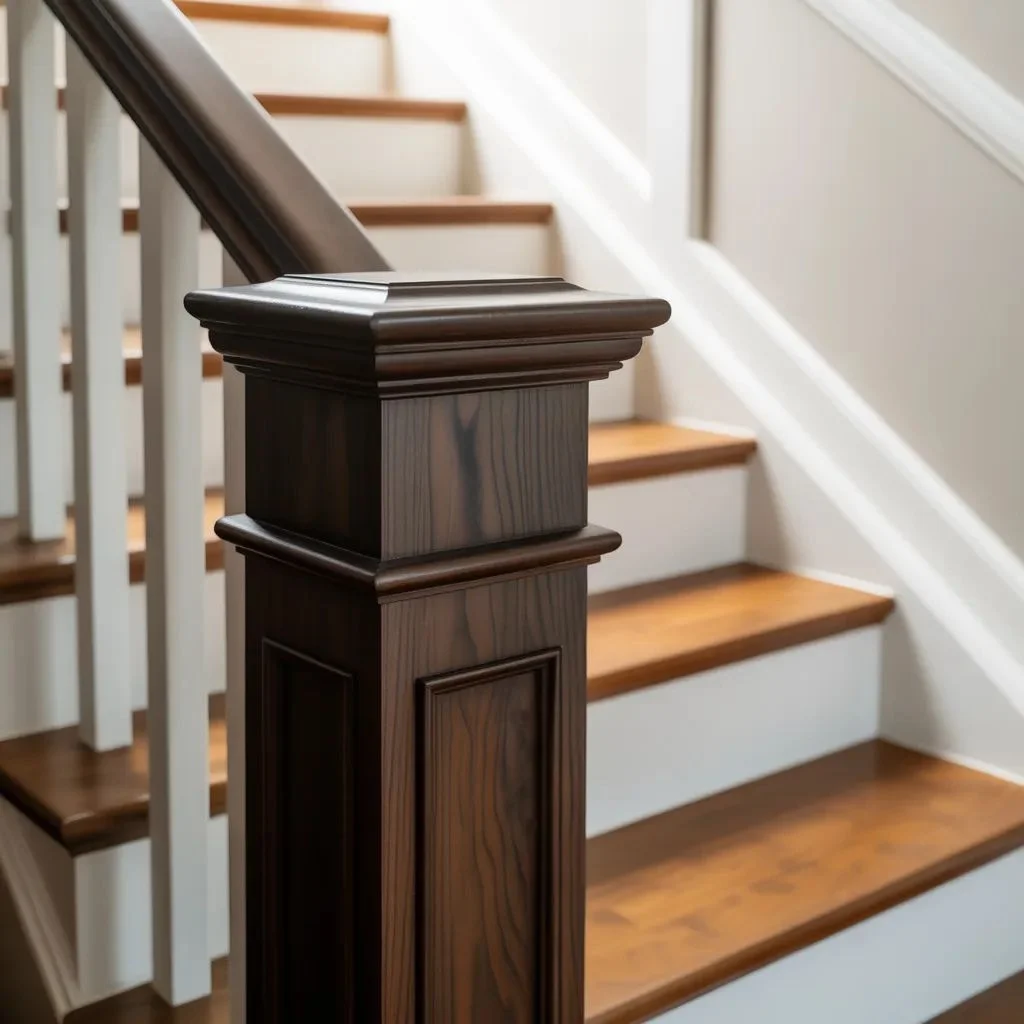
Dark wood is back — and not in a heavy, old-fashioned way. The newest take on wooden stair railing in deep tones is refined and intentional, with ebony, espresso, and dark walnut stains paired with light walls and pale flooring for maximum contrast.
The drama this creates is quiet but powerful. A jet-black or near-black railing against a white staircase wall draws the eye upward and gives the space an instant sense of luxury. Interior designers are particularly fond of this look in transitional homes where clients want personality without going full maximalist.
Choose a stair railing wood with tight, consistent grain for this treatment — hickory and walnut both stain beautifully dark without blotching. Finish with a satin or semi-gloss coat to add just a touch of sheen that catches the light as you move up the stairs.
5. Chunky, Sculptural Handrails
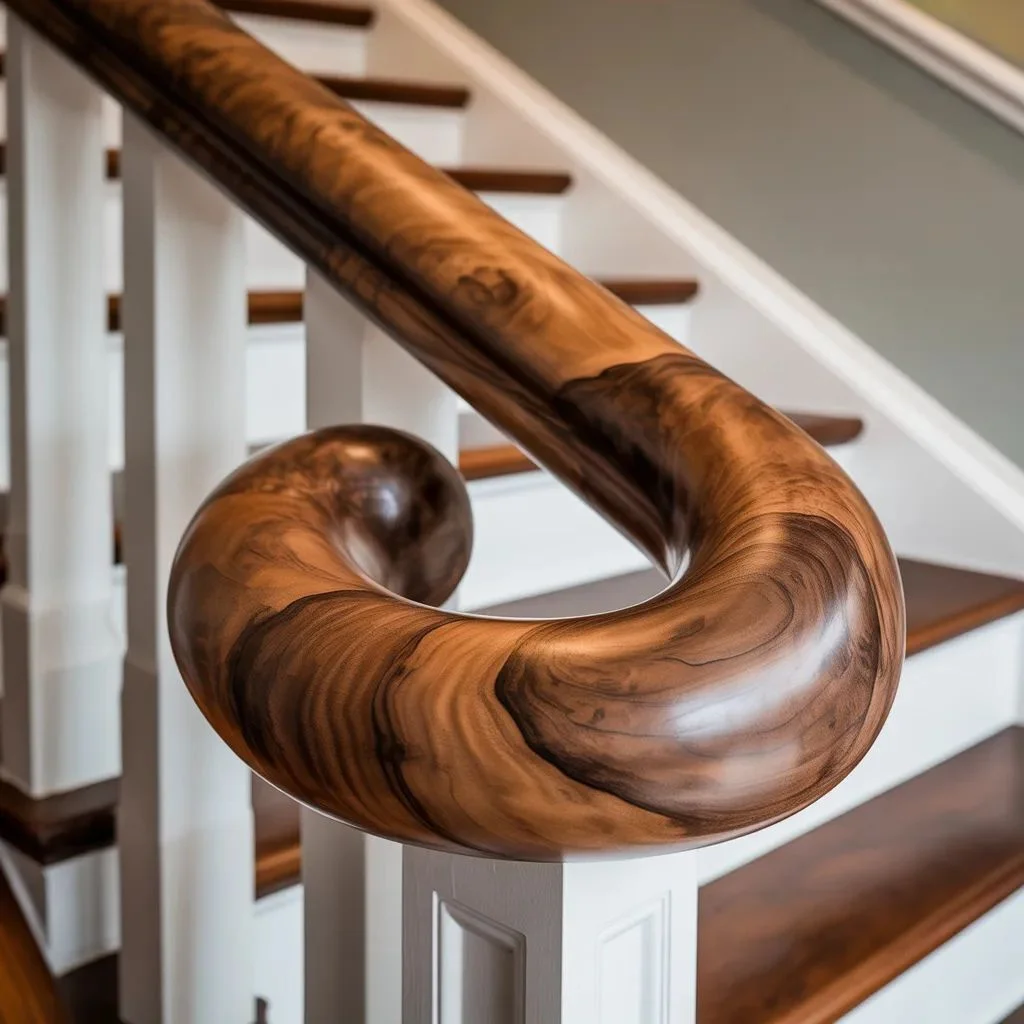
Minimalism is evolving. Where thin, barely-there railings once dominated modern design, there’s now a growing appetite for handrails with actual weight and presence. Chunky, rounded, or even organically shaped wooden handrails are appearing in high-design homes as statement pieces rather than afterthoughts.
Think of a wood handrail that’s 3–4 inches in diameter, hand-turned or shaped with a soft curve, made from something with beautiful character like live-edge elm or burled walnut. These railings do double duty as functional architecture and sculptural art.
This trend pairs well with other organic design choices — plaster walls, woven textiles, ceramic accents — and feels especially at home in spaces influenced by Japandi or earthy boho aesthetics.
6. Open Riser Stairs with Floating Wood Railings
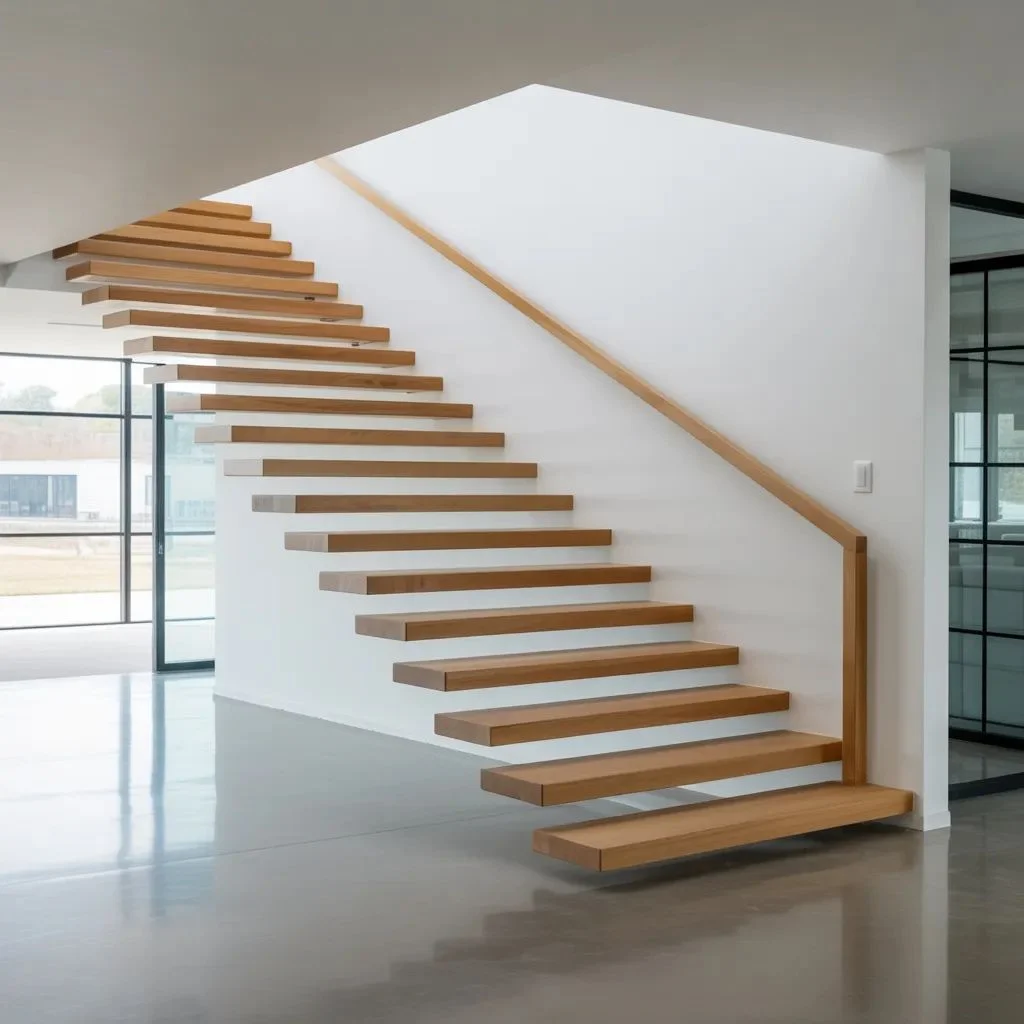
Open riser staircases — where the space between treads is left open — are one of the most searched architectural features in home design. And the wooden stair railing treatment that complements them best is equally minimal: a single clean handrail, often cantilevered from the wall, with no balusters at all.
This look requires a high level of craftsmanship and usually a structural wall mount, but the result is genuinely breathtaking. The staircase becomes a floating sculpture. Light passes through from every angle and the whole structure feels almost weightless.
White oak and ash are the most popular wood choices for this application. Their tight grain and pale, neutral tones complement the airy quality of the open riser design without competing with it.
7. White-Painted Balusters with Natural Wood Handrails
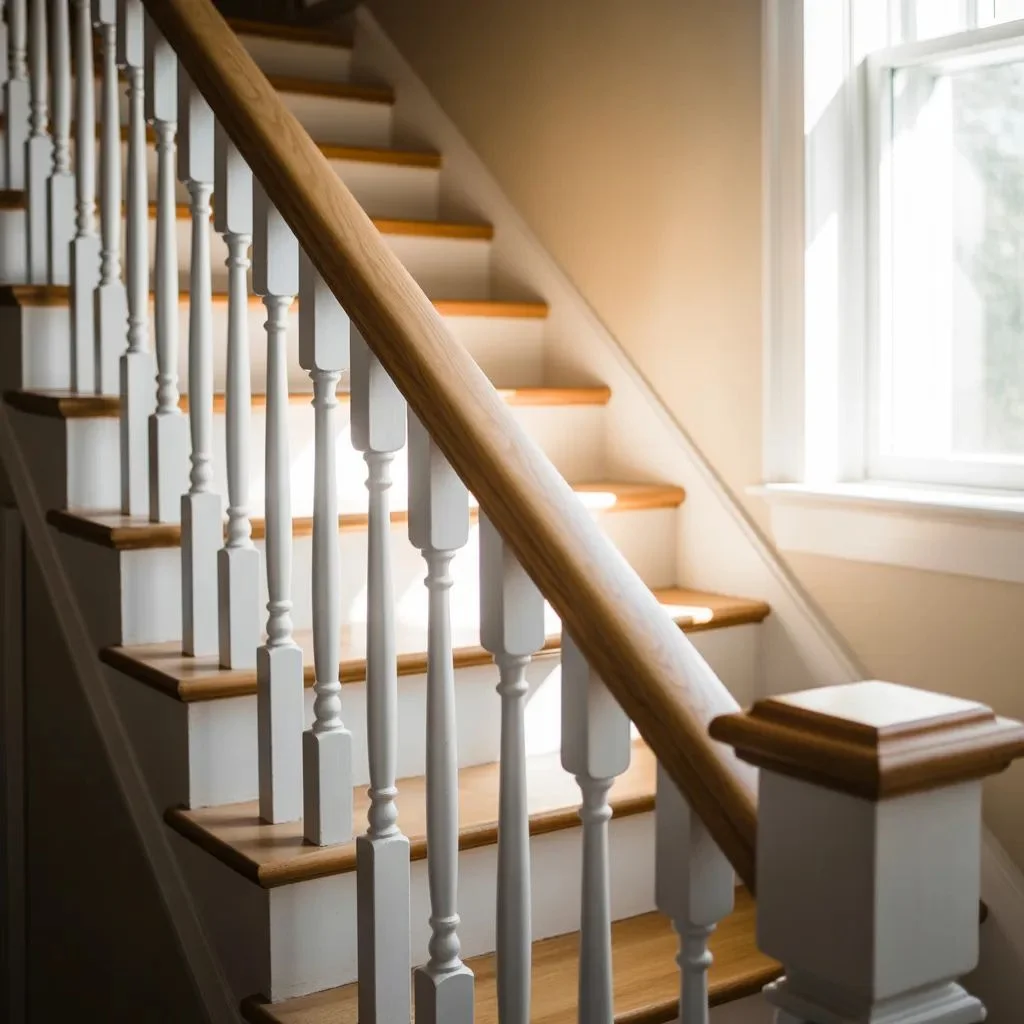
This is the classic combination that never really goes out of style — and for good reason. White-painted balusters with a natural wooden stair railing on top hit a sweet spot between traditional craftsmanship and fresh, updated sensibility.
What’s making this pairing feel current is the choice of wood for the handrail. Instead of the golden pine or cherry of decades past, today’s version uses lighter, cooler tones — white oak, natural maple, or even a grey-washed ash — that feel contemporary and refined.
The stair railing ideas around this trend also include swapping standard square-profile balusters for something with more detail: a simple turned spindle, a rectangular profile, or even a slim modern rod. Small changes make the classic formula feel genuinely fresh.
8. Reclaimed Wood Railings for Character-Rich Spaces
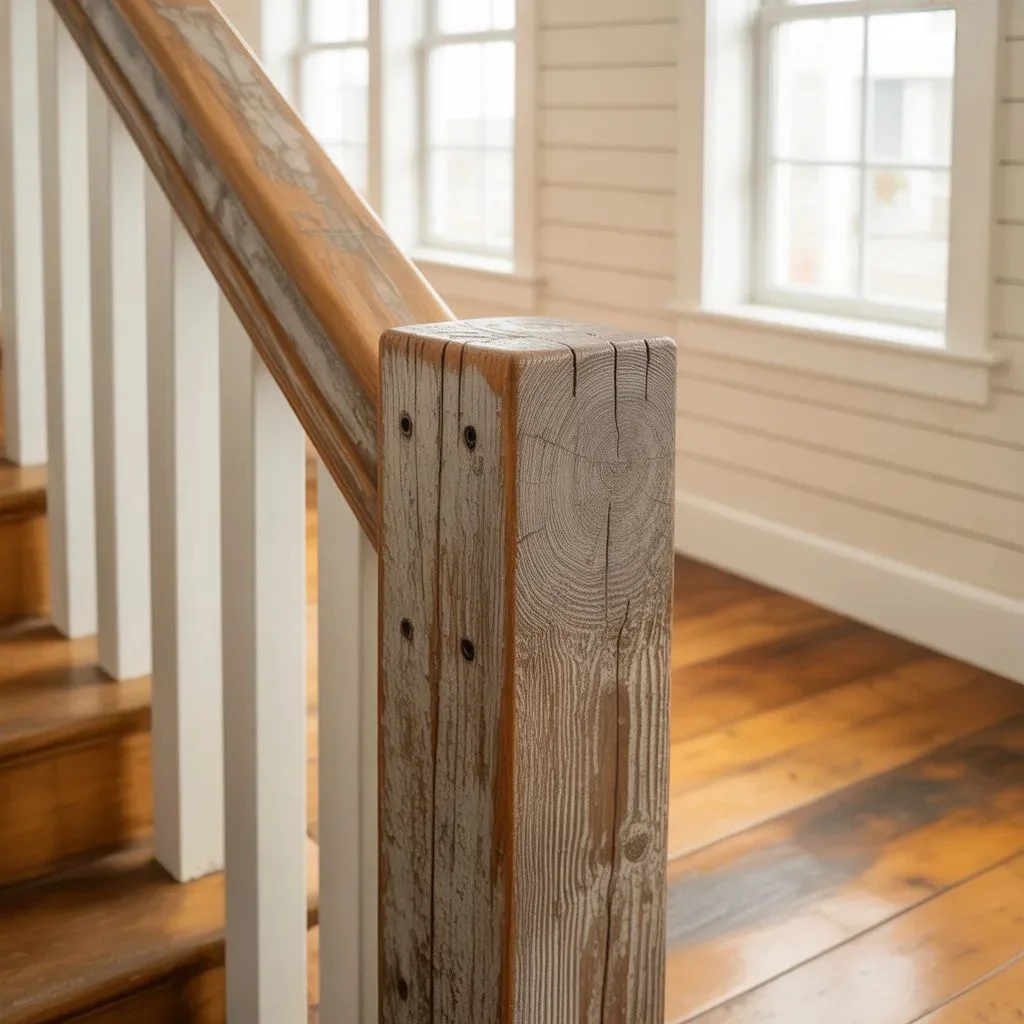
Reclaimed wood brings something no new lumber can replicate: history. Old barn wood, salvaged factory flooring, and repurposed industrial timber are all finding new life as wooden stair railing material in homes that prioritize sustainability, story, and one-of-a-kind character.
The appeal is in the imperfection. Nail holes, saw marks, natural checking, and a century’s worth of patina give a reclaimed wood railing a depth and texture that’s impossible to fake. Every inch of the material feels intentional — because it genuinely is.
This works best in homes with a modern stair railing approach where the reclaimed element is contrasted against clean walls and contemporary hardware. The combination of old and new is where the magic happens.
Make sure your reclaimed wood is properly dried and treated before installation. Work with a supplier who can confirm the moisture content and structural integrity — especially for a safety-critical element like a stair railing.
Ready to Transform Your Staircase?
Your staircase deserves more than a standard handrail. Whether you’re drawn to the drama of dark walnut, the openness of cable railings, or the timeless charm of natural oak, the right wooden stair railing is out there waiting to redefine your home.
Pin this article for your next renovation mood board — and drop a comment below telling us which trend you’re loving most right now.
Highly Recommended: Loft Railing Designs That Are Both Beautiful and Seriously Safe.
FAQs: Wooden Stair Railing
Q: What type of wood is best for a stair railing?
White oak, hard maple, and poplar are popular choices for their durability and smooth finish. For a rich, dark look, walnut is hard to beat. If you’re painting the railing, poplar is cost-effective and takes paint beautifully.
Q: How much does a wooden stair railing typically cost to install?
Costs vary widely depending on materials and complexity. A basic wooden stair railing installation might start around $700–$1,200, while custom or high-end designs with premium wood species and hardware can run $3,000–$5,000+.
Q: Can I mix wood with other materials in my stair railing?
Absolutely — and this is one of the biggest trends right now. Pairing a wood handrail with metal balusters or cable wire is a great way to get the warmth of wood with a more contemporary look.
Q: How do I maintain a wooden stair railing?
Regular dusting and occasional cleaning with a damp cloth is usually enough. For painted railings, touch-up paint every few years keeps it looking sharp. For natural or stained wood, reapply a protective finish every 2–3 years, especially on high-traffic handrails.
Q: Is a wooden stair railing safe for homes with young children?
Yes — as long as balusters are spaced no more than 4 inches apart (per most building codes), the structure is solid, and the handrail is at the correct height (34–38 inches from the tread nosing). Always consult local building codes during installation.